
California, often referred to as the Golden State, beckons with its diverse landscapes, vibrant culture, and unparalleled lifestyle opportunities. From the sun-drenched beaches of Southern California to the majestic forests of the north, and from the bustling urban centers like Los Angeles and San Francisco to the serene vineyards of Napa Valley, it’s a dream destination for many. This allure naturally extends to those considering a more permanent stay, perhaps by building their own custom home. However, the dream of constructing a house in this desirable state comes with a significant price tag, reflective of its premium status and unique construction landscape.

Building a house isn’t just about erecting walls and a roof; it’s about crafting a bespoke living experience in one of the world’s most sought-after locations. For many, this represents the ultimate lifestyle investment, merging the convenience of modern accommodation with the distinct Californian charm. Whether you’re envisioning a sprawling estate overlooking the Pacific Ocean in Malibu, a chic contemporary dwelling in Palm Springs, or a family-friendly home in the suburbs of Orange County, understanding the financial commitment is the first crucial step. The costs involved are multifaceted, influenced by everything from land prices and labor rates to permit fees and desired finishes, all of which are amplified by the state’s robust economy and high demand. This article delves into the intricate details of building a home in California, offering insights for prospective homeowners, investors, and anyone curious about the true cost of bringing a dream home to life in this iconic destination.
Understanding the Golden State’s Appeal and Construction Landscape
California’s appeal is undeniable, drawing millions of tourists annually to its world-famous landmarks and diverse attractions. From the iconic Golden Gate Bridge in San Francisco to the glamorous boulevards of Hollywood and the magical realms of Disneyland Park, the state offers a mosaic of experiences. This vibrant tapestry of tourism, culture, and innovation translates directly into a premium real estate market, impacting everything from property values to construction expenses. Those seeking to build a home here aren’t just buying square footage; they are investing in a lifestyle, a climate, and proximity to unparalleled experiences.
The Allure of California Living and Its Economic Impact
The choice to build in California often stems from a desire to immerse oneself in its unique lifestyle. Imagine waking up to ocean breezes in Santa Monica, enjoying world-class wines in Sonoma County, or exploring the majestic beauty of Yosemite National Park on a weekend getaway. This blend of natural beauty, outdoor recreation, and sophisticated urban living makes it a top choice for long-term accommodation and a significant draw for a high standard of living. This high demand, coupled with stringent environmental regulations and a competitive labor market, forms the foundation of California’s elevated construction costs. The economic ripple effect of its tourism industry, its position as a global tech hub, and its agricultural power also contribute to higher costs across the board, from raw materials to skilled labor.
Key Factors Influencing Construction Costs
Several overarching factors dictate the price of building a house in California. Beyond the basic cost of materials and labor, homeowners must contend with the state’s unique regulatory environment. California has some of the strictest building codes in the nation, particularly concerning seismic activity, energy efficiency, and environmental impact. These regulations, while ensuring safety and sustainability, often require specialized materials, engineering, and extensive permitting processes, all of which add to the timeline and expense. Furthermore, the sheer scale of development and population growth in many areas, particularly around major cities like San Diego and San Jose, places considerable pressure on available resources and infrastructure, driving costs higher. The cost of living for workers also plays a significant role, leading to higher wages for skilled tradespeople compared to many other states.
Deconstructing the Costs: What You’ll Pay For
To truly understand the cost of building a home in California, it’s essential to break down the expenses into their core components. This comprehensive approach helps future homeowners budget realistically and make informed decisions, whether they are planning a luxurious villa or a more modest, yet stylish, family dwelling.
Land Acquisition: The Foundation of Your Dream
Perhaps the most significant and variable cost in California is the land itself. The price of a suitable plot can range from a few hundred thousand dollars in less developed inland areas to several million dollars (or even tens of millions) for prime coastal or urban lots. For example, a vacant lot in exclusive areas of Beverly Hills or overlooking the ocean in Carmel-by-the-Sea will command a vastly different price than a parcel in the Central Valley. Factors such as location, views, proximity to amenities (like a renowned resort or a bustling downtown), zoning restrictions, and topography (e.g., flat vs. sloped land) heavily influence this initial investment. Securing the right piece of land is not just a financial decision; it’s a lifestyle choice, determining your daily commute, leisure options, and overall quality of life.
Design, Permits, and Professional Services
Before any groundbreaking can occur, a substantial portion of the budget goes into planning and compliance. This includes:
- Architectural and Engineering Fees: Designing a custom home requires skilled professionals. Architects typically charge between 8-15% of the total construction cost, while structural, civil, and geotechnical engineers are crucial for ensuring the home’s safety and compliance with California’s strict seismic and environmental codes.
- Permit and Impact Fees: California is notorious for its extensive and costly permit processes. These fees vary widely by county and city but can easily run into tens of thousands of dollars, covering everything from building permits and utility connections to school district fees and environmental impact assessments. Navigating this labyrinthine process often requires professional assistance, adding to the overall cost but ensuring a smooth, legal build.
- Surveying and Site Analysis: Before designing, a detailed survey and analysis of the land are necessary to understand boundaries, topography, soil conditions, and potential environmental concerns.
Materials and Labor: Core Construction Expenses
These two categories form the backbone of the construction budget.
- Materials: The cost of building materials has seen significant fluctuations in recent years. High-quality materials suitable for California’s climate and aesthetic preferences (e.g., sustainable wood, advanced insulation, high-performance windows, premium roofing) contribute to higher costs. If you’re building a luxury home inspired by the design principles of a high-end hotel or a five-star resort, your material choices will naturally lean towards the upper end.
- Labor: Due to the high cost of living and the demand for skilled trades in California, labor rates are significantly higher than the national average. Carpenters, electricians, plumbers, and other specialists command premium wages. The complexity of a custom home, especially one adhering to stringent energy efficiency standards (like those often seen in forward-thinking urban developments or eco-conscious accommodation options), often requires specialized craftsmanship, further impacting labor costs.
Site Work and Utilities: Preparing the Ground
Even a seemingly perfect lot requires significant preparation.
- Site Preparation: This includes grading, excavation, tree removal, and potentially retaining walls if the lot has a slope. For properties in wildfire-prone areas, extensive landscaping for defensible space might also be required.
- Utilities: Connecting to existing utility lines (water, sewer, electricity, gas, internet) can be straightforward in urban areas but incredibly expensive for rural or undeveloped parcels, potentially requiring well drilling, septic systems, or extensive trenching.

Interior and Exterior Finishes: Customization and Luxury
This is where personal taste and lifestyle preferences truly come into play, offering immense flexibility in budget.
- Interior Finishes: Flooring (hardwood, tile, carpet), cabinetry, countertops (granite, quartz, marble), lighting fixtures, appliances, and paint choices all range widely in price. High-end finishes, custom millwork, smart home technology, and integrated entertainment systems can easily add hundreds of thousands to the total cost. If you’re designing your home to rival the comfort and sophistication of a luxury hotel suite, these costs will escalate quickly.
- Exterior Finishes: Roofing materials, siding (stucco, stone, wood), windows, doors, and landscaping all contribute to curb appeal and property value. A professionally designed landscape, complete with irrigation, outdoor kitchens, pools, or elaborate patios (perfect for enjoying California’s outdoor lifestyle), can be a significant investment, transforming a house into a true resort-style retreat.
Regional Variations: Building Across California’s Diverse Landscapes
California’s vast geographical and economic diversity means that construction costs can fluctuate wildly depending on where you choose to build. What might be affordable in one region could be astronomically expensive in another.
Coastal California: Premium Locations, Premium Prices
The allure of the Pacific coastline drives property values and construction costs to the highest levels in the state. Cities like Santa Barbara, Laguna Beach, and San Francisco represent the pinnacle of California luxury. Here, demand for land is intensely high, often requiring teardowns of existing structures to make way for new builds. Strict zoning regulations, environmental protections (especially along the coast), and the sheer desire for ocean views or proximity to famous landmarks like Pebble Beach mean that everything, from land acquisition to permitting, is more expensive. Builders in these areas are often highly specialized, catering to a clientele seeking architectural masterpieces that blend seamlessly with the breathtaking natural scenery. This region embodies the essence of luxury travel and bespoke living.
Inland Empires and Central Valley: More Affordable Prospects?
Moving away from the coast, regions like the Inland Empire (encompassing cities like Riverside and San Bernardino) and the Central Valley (with major hubs like Sacramento and Fresno) generally offer more accessible land prices. While still part of California’s competitive market, these areas represent more affordable opportunities for homebuilders. The cost of labor and materials can also be slightly lower than in the coastal metros. Many families and individuals seeking a more suburban lifestyle, perhaps with easier access to nature preserves or agricultural tourism experiences, find these regions appealing. Building here allows for potentially larger homes or more extensive outdoor spaces for a comparable budget to a smaller coastal property.
Mountain and Desert Regions: Unique Challenges and Charms
California’s diverse topography includes stunning mountain ranges (like the Sierra Nevada, home to Lake Tahoe) and vast desert expanses (such as those surrounding Joshua Tree National Park or Death Valley National Park). Building in these areas presents its own set of challenges and unique costs. Remote locations can drive up the cost of transporting materials and accessing skilled labor. Extreme weather conditions, whether heavy snow in the mountains or intense heat in the desert, necessitate specialized construction techniques and materials for insulation and structural integrity. Unique permits might be required for building in environmentally sensitive areas. However, these regions offer unparalleled natural beauty and a distinct lifestyle, attracting those who value solitude, outdoor adventure, or the unique artistic communities found in places like Pioneertown. The charm of a cabin in Big Sur or a modernist retreat in the Coachella Valley justifies the additional complexities for many.
Navigating the Process: Tips for Future Homebuilders
Embarking on a home-building journey in California requires meticulous planning and a strategic approach. It’s an investment not just in real estate, but in a future lifestyle.
Budgeting and Financing Your Project
A realistic and comprehensive budget is paramount. Beyond the raw construction costs, remember to factor in:
- Contingency Fund: Always allocate an additional 10-20% of your total budget for unforeseen issues. California’s complex regulations and potential for geological surprises make this especially critical.
- Financing: Construction loans are different from traditional mortgages. They are typically disbursed in stages as construction progresses. Research lenders experienced in California real estate and understand the terms.
- Soft Costs: Don’t forget expenses like property taxes during construction, insurance, utility hook-up fees, and potential rental costs if you’re living elsewhere during the build.
Choosing the Right Team
The success of your project hinges on the quality of your professionals.
- Architect/Designer: Select someone with experience in California building codes and a portfolio that aligns with your vision. They can also help navigate the permit process.
- Contractor: Interview multiple licensed and insured contractors. Look for local experience, strong references, and a clear understanding of your budget and timeline. A good contractor is your most valuable asset, transforming your vision into reality while managing the complexities of labor, materials, and local regulations.
- Project Manager: For very large or complex projects, a dedicated project manager can oversee all aspects, ensuring timelines are met and budgets are adhered to. This often parallels the meticulous planning seen in large-scale hotel development.
Sustainable Building and Future-Proofing
California is a leader in sustainable building practices, and incorporating these into your new home can offer long-term benefits.
- Energy Efficiency: Investing in solar panels, advanced insulation, high-efficiency HVAC systems, and smart home technology not only reduces your carbon footprint but also significantly lowers utility bills over time. Many local jurisdictions offer incentives for green building.
- Water Conservation: Drought-prone California makes water-wise landscaping, greywater systems, and low-flow fixtures a smart investment.
- Resilience: Consider materials and designs that offer resilience against wildfires (common in many parts of the state) and seismic activity, protecting your investment and ensuring peace of mind for future generations. This focus on durability and foresight aligns with the high standards expected in premium accommodation worldwide.
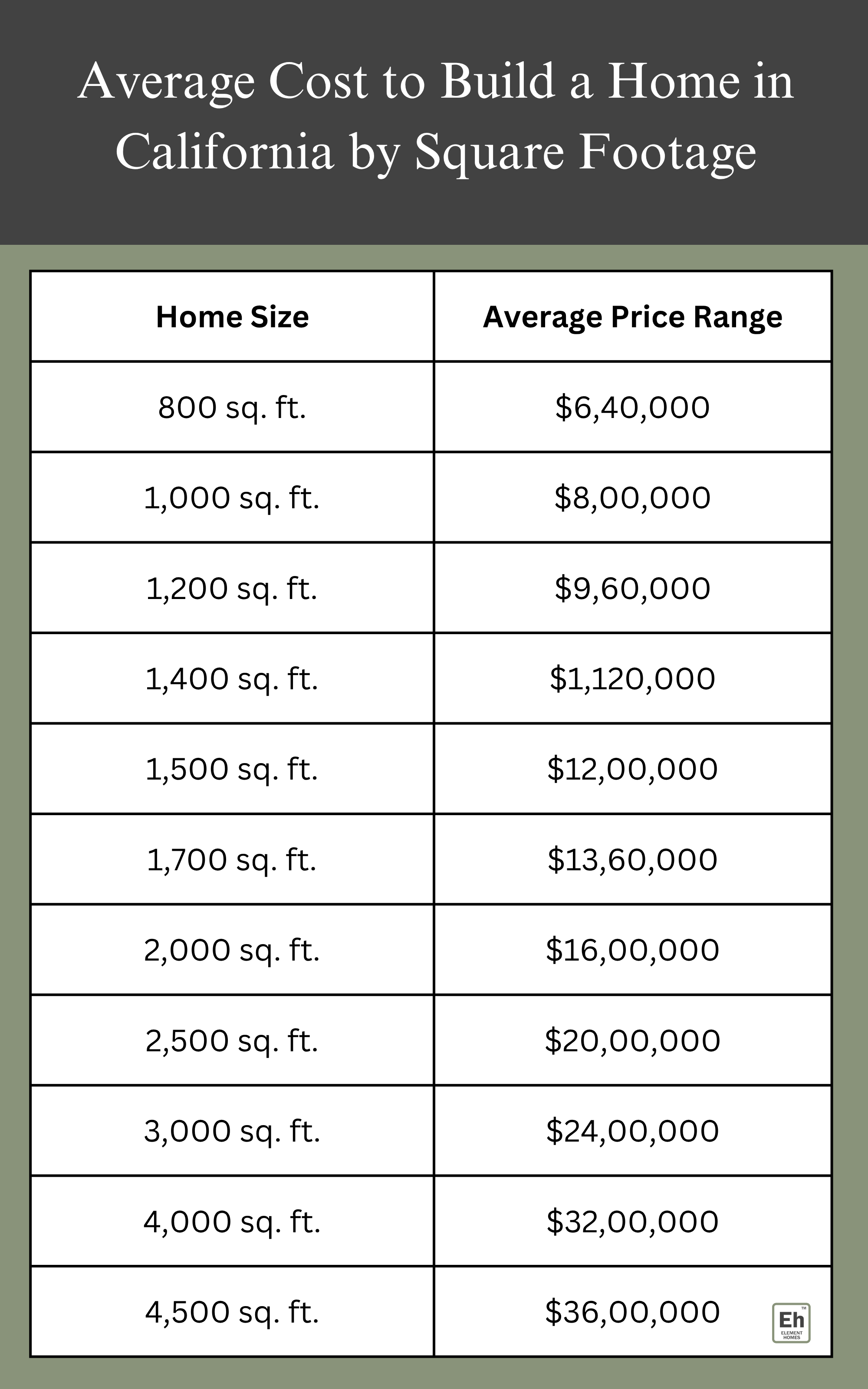
Building a house in California is undoubtedly a substantial financial undertaking, often ranging from an average of $300-$600 per square foot for standard construction, with luxury custom homes easily exceeding $1,000 per square foot, not including land costs. However, for those captivated by the state’s unparalleled beauty, vibrant culture, and diverse lifestyle offerings, it represents more than just a house; it’s an investment in a dream. With careful planning, a clear understanding of the costs involved, and a dedicated team, the dream of a custom-built home in the Golden State can become a breathtaking reality, offering a lifetime of memories and a truly unique living experience.
LifeOutOfTheBox is a participant in the Amazon Services LLC Associates Program, an affiliate advertising program designed to provide a means for sites to earn advertising fees by advertising and linking to Amazon.com. Amazon, the Amazon logo, AmazonSupply, and the AmazonSupply logo are trademarks of Amazon.com, Inc. or its affiliates. As an Amazon Associate we earn affiliate commissions from qualifying purchases.