
The shimmering allure of a private swimming pool in the Sunshine State is more than just a luxury; it’s often the centerpiece of the quintessential Florida lifestyle. Envision warm sun on your skin, the refreshing embrace of cool water, and endless opportunities for relaxation and entertainment right in your backyard. For many, a pool embodies the dream of permanent vacation, a personal oasis where every day can feel like a resort getaway. But transforming this dream into reality naturally leads to the crucial question: what is the investment involved in building a pool in Florida? Understanding the costs is the first step toward embracing this enviable way of life.
The Quintessential Florida Lifestyle: Why a Pool is Essential
Florida’s subtropical to tropical climate is undeniably its greatest asset, drawing millions who seek an outdoor-centric lifestyle year-round. From the vibrant energy of Miami to the relaxed vibes of Naples, or the family-friendly attractions around Orlando, the state offers a diverse tapestry of experiences, all enhanced by ample sunshine. In such an environment, a swimming pool transcends mere amenity status; it becomes a functional, aesthetic, and social necessity for many homeowners.
A private pool isn’t just about escaping the heat; it’s a hub for family fun, a sophisticated venue for entertaining guests, and a tranquil retreat for personal wellness. It’s where children learn to swim, where barbecues extend into twilight dips, and where the daily stresses melt away with each submerged moment. Beyond the immediate enjoyment, a well-designed and maintained pool significantly enhances a property’s appeal and market value, making it a sound investment in both lifestyle and real estate. This amenity solidifies a home’s connection to the vibrant outdoor living culture that defines Florida, providing a year-round recreational space that perfectly complements the state’s natural beauty and active communities.
Decoding the Investment: Factors Driving Pool Construction Costs
The price tag for a new pool in Florida can vary dramatically, ranging from the tens of thousands to well over six figures. This wide spectrum is influenced by a multitude of factors, each contributing to the overall complexity and luxury of your backyard oasis. Understanding these cost drivers is paramount for budgeting and achieving your desired lifestyle outcome.
Size and Depth
Unsurprisingly, the dimensions of your pool play a significant role. A larger pool requires more excavation, more materials, and more labor. Similarly, a deeper pool necessitates more concrete or fiberglass, additional structural support, and increased excavation, all of which elevate the final cost. Standard residential pools typically range from 15×30 feet to 20×40 feet, but custom dimensions can push prices higher.
Materials and Finishes
The choice of construction material is a primary cost differentiator.
- Concrete (Gunite/Shotcrete) Pools: These are the most popular and versatile choice in Florida. They involve spraying a concrete mix over a rebar framework, allowing for endless customization in shape and size. While offering superior durability and design flexibility, they are generally the most expensive upfront. Finishes can range from standard plaster to more luxurious pebble or quartz aggregates, each impacting the look and longevity, reflecting a choice in long-term aesthetic lifestyle.
- Fiberglass Pools: Manufactured off-site as a single shell, fiberglass pools offer quicker installation and a smoother, non-porous surface that requires less maintenance. They are limited by mold shapes and sizes but provide a comfortable, uniform swimming experience. They typically fall into a mid-range price point.
- Vinyl Liner Pools: These pools feature a flexible vinyl sheet fitted into an excavated frame. They are often the most economical option initially but require liner replacement every 7-15 years, a recurring cost to maintain the pool’s integrity and aesthetic.
Design Complexity and Custom Features
The more intricate your pool’s design, the higher the cost. Freeform shapes, vanishing edges (infinity pools), tanning ledges, built-in spas, and elaborate water features like waterfalls or fountains all add to the expense. High-end lighting, automated cleaning systems, energy-efficient heating options (like heat pumps or solar), and smart pool controls for remote management further personalize the experience but contribute significantly to the budget. These are often the elements that truly elevate a pool from functional to a resort-style luxury.
Site Preparation and Accessibility
The condition of your backyard can unexpectedly influence costs. Extensive excavation, grading, removal of existing structures, or addressing challenging soil conditions (such as high water tables or rocky terrain common in certain parts of Florida) can add thousands to the project. Difficult access for heavy machinery can also increase labor and time, pushing costs upwards.
Permitting and Regulations
Florida has stringent building codes and local ordinances, especially concerning pool safety (e.g., fencing requirements, alarms). Permit fees vary by county and city, such as Tampa or Miami-Dade County, and can include inspections for electrical, plumbing, and structural integrity. Adhering to these regulations is non-negotiable and factored into the total cost.
Pool Personalization: Matching Your Budget to Your Dream Oasis

The beauty of building a pool in Florida is the ability to tailor it to your specific lifestyle and budget. While general ranges provide a starting point, remember that customization is key to realizing your unique vision.
Entry-Level Options: $40,000 – $60,000
For those seeking the foundational Florida pool experience without extensive frills, entry-level options are a smart choice. This budget typically covers a standard-sized vinyl liner or a basic fiberglass pool. Expect straightforward rectangular or oval shapes, a simple deck area (often concrete), and essential equipment like a pump and filter. While not extravagant, these pools provide immense enjoyment and are perfectly suited for daily dips and casual family gatherings, embodying an accessible outdoor lifestyle.
Mid-Range Customization: $60,000 – $100,000
Stepping into the mid-range opens up a wider array of choices, allowing for greater personalization and enhanced features. This budget often accommodates a moderately sized gunite pool, offering more flexibility in shape, such as a gentle L-shape or freeform design. You can incorporate upgraded finishes like quartz aggregate plaster, add a spa attached to the main pool, or include basic water features like deck jets. Expect a larger or more attractive deck, perhaps with pavers, and improved lighting. This category offers a significant upgrade in both aesthetics and functionality, aligning with a more refined but still practical lifestyle. Geographical factors, such as building in the more affluent areas of South Florida versus the Panhandle, can influence where your budget falls within this range.
Luxury & Resort-Style Pools: $100,000 – $200,000+
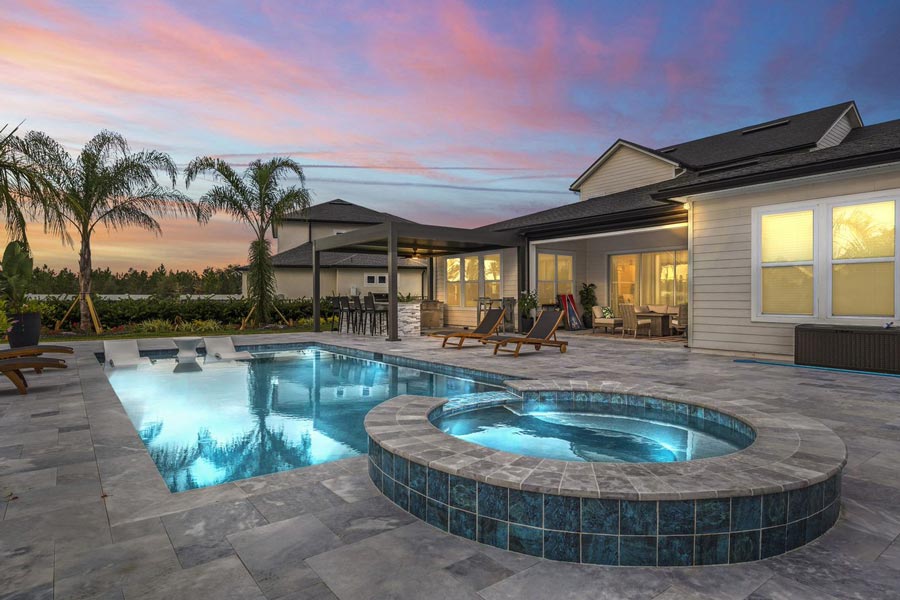
For those desiring a truly bespoke, resort-quality experience in their backyard, the luxury segment knows few bounds. This budget allows for large, intricately designed gunite pools with complex freeform or vanishing edge designs. High-end finishes like pebble tec, fully integrated custom spas with therapeutic jets, elaborate grottoes, multiple waterfalls, sun shelves, and swim-up bars become feasible. Automated smart controls, energy-efficient heaters, advanced filtration systems, and extensive custom landscaping with outdoor kitchens, fire pits, and pergolas create an unparalleled outdoor living environment. These pools are designed not just for swimming but for hosting grand events, providing ultimate relaxation, and showcasing a lavish lifestyle, often found in high-value properties in destinations like Sarasota or Palm Beach.
Beyond Installation: Embracing the Full Pool Owner Lifestyle
The initial construction cost is a significant part of the investment, but it’s crucial to factor in the ongoing expenses that come with maintaining your Florida pool. Embracing the pool owner lifestyle means understanding these recurring costs, which ensure your oasis remains sparkling and functional for years to come.
Ongoing Maintenance Costs
Regular cleaning and chemical balancing are essential. Homeowners can choose to handle this themselves, budgeting for chemicals (chlorine, pH adjusters, algaecides – typically $50-$150 per month) and DIY equipment (brushes, nets, vacuum). Alternatively, professional pool service companies in Florida typically charge between $80-$150 per month for weekly visits, which includes cleaning, chemical balancing, and basic equipment checks. This service frees up time, a valuable lifestyle commodity.
Utilities
The primary utility costs stem from electricity for the pool pump, filter, and any heaters. Florida’s warm climate means less need for extensive heating compared to colder regions, but if you opt for a heat pump or gas heater to extend your swimming season into cooler months, expect a noticeable increase in your electricity or gas bill. Water costs for filling the pool and topping it off due to evaporation are generally minor, but important to remember.
Insurance
Owning a pool typically impacts your homeowner’s insurance policy. Insurers often require increased liability coverage due to the inherent risks associated with pools. It’s vital to discuss this with your insurance provider to ensure adequate protection and understand any premium adjustments, safeguarding your investment and lifestyle.
Repairs and Renovations
Like any significant home feature, pools require occasional repairs and eventually, renovations. Liners need replacement, concrete surfaces may need resurfacing, equipment can wear out, and aesthetic updates might be desired. Budgeting a contingency fund for these eventualities is a smart financial practice, ensuring your pool continues to provide the enjoyment you envisioned without unexpected financial strain.
Navigating Permits and Professionals: Essential Steps for Your Florida Pool Project
Successfully building your dream pool in Florida hinges on navigating the administrative landscape and selecting the right partners. This critical phase ensures your significant lifestyle investment is both compliant and durable.
Florida counties and municipalities have strict building codes and permitting requirements designed to ensure safety and structural integrity. Before any dirt is moved, you’ll need to obtain the necessary permits from your local building department. This often involves submitting detailed plans, undergoing inspections for electrical, plumbing, and structural work, and ensuring compliance with local zoning laws and safety barrier regulations (e.g., fences, door alarms). A reputable pool contractor will manage this process for you, alleviating the administrative burden and ensuring all legal requirements are met, thus protecting your long-term enjoyment and property value.
Choosing a qualified and trustworthy pool contractor is arguably the most crucial decision. Look for professionals who are licensed and insured in Florida, have a strong portfolio of projects similar to your vision, and can provide excellent references. A good contractor will offer transparent quotes, detailed contracts, and clear communication throughout the project lifecycle. They will guide you through material selections, design choices, and construction timelines, ensuring your pool aligns perfectly with your lifestyle aspirations and budget. Investing time in this selection process will save you potential headaches and ensure your Florida pool project is completed to the highest standards, ready for years of enjoyment.
LifeOutOfTheBox is a participant in the Amazon Services LLC Associates Program, an affiliate advertising program designed to provide a means for sites to earn advertising fees by advertising and linking to Amazon.com. Amazon, the Amazon logo, AmazonSupply, and the AmazonSupply logo are trademarks of Amazon.com, Inc. or its affiliates. As an Amazon Associate we earn affiliate commissions from qualifying purchases.