
Colorado, the majestic Centennial State, with its stunning Rocky Mountains, vibrant urban centers, and a thriving tourism industry, presents a unique landscape for luxury transportation. Whether you’re an aspiring entrepreneur looking to tap into the lucrative market of high-end client services or an individual seeking to elevate your personal lifestyle, the idea of owning a limousine in Colorado carries significant allure. This comprehensive guide delves into the financial realities, operational considerations, and market opportunities associated with purchasing a limo in this dynamic state, offering insights crucial for both business ventures and private indulgence.
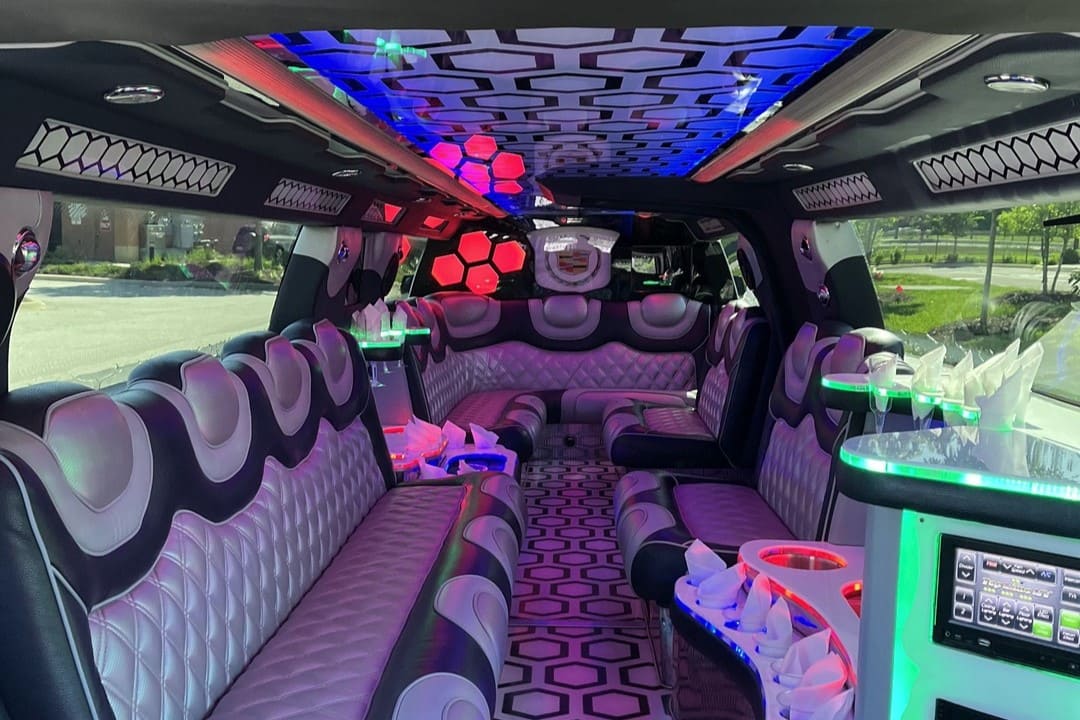
The decision to buy a limousine is far more complex than simply admiring its sleek lines and plush interiors. It’s an investment that requires careful analysis of initial costs, ongoing operational expenses, regulatory compliance, and market demand, especially when operating within diverse environments like Denver’s bustling metropolis or Aspen’s exclusive ski resorts. Understanding these facets is paramount to making an informed decision that aligns with your financial capacity and strategic goals. From catering to discerning travelers arriving at Denver International Airport to providing opulent rides for weddings against a backdrop of breathtaking natural beauty, a limousine can be a symbol of luxury and an engine for a successful enterprise.
Decoding the Initial Investment: Limo Purchase Prices in Colorado
The first question on anyone’s mind when considering a limousine purchase is invariably: “How much?” The answer, as with most significant vehicle acquisitions, is nuanced. The cost of a limousine in Colorado can vary wildly, influenced by whether you opt for a brand-new model fresh off the assembly line or a pre-owned vehicle, as well as its make, model, features, and overall condition. Understanding this price spectrum is the foundational step in budgeting for your luxury transportation asset.
New vs. Pre-Owned: The Price Spectrum
The choice between a new and a used limousine represents the most significant determinant of the initial outlay. Each option comes with its own set of advantages and financial implications.
New Luxury Sedans
For those seeking the pinnacle of luxury, reliability, and the latest technology, a new limousine is the ultimate choice. These are often built on chassis from premium manufacturers like Cadillac, Lincoln, Mercedes-Benz, or BMW, and then professionally stretched or customized.
A brand-new, purpose-built stretch limousine can range dramatically in price. A standard new luxury sedan modified for executive transportation (e.g., a long-wheelbase Cadillac XTS or Lincoln Continental) might start from $60,000 to $90,000. However, for a genuine new stretch limousine, featuring extended passenger compartments, advanced entertainment systems, and bespoke interiors, prices typically begin around $100,000 and can easily climb to $200,000 or more. Custom-built options, party buses, or specialized luxury coach limos can exceed $300,000 to $500,000, especially if they incorporate features like multiple bars, elaborate lighting, or unique seating arrangements. The allure of a new vehicle lies in its untouched condition, manufacturer warranty, and the ability to customize it precisely to your specifications, which can be a significant advantage for a new luxury travel business aiming to differentiate itself in Colorado’s competitive market.
Used Stretch Limousines
Opting for a used limousine can significantly reduce the initial financial barrier, making ownership more accessible. The used market in Colorado and nationwide is robust, offering a wide array of vehicles at various price points.
A pre-owned stretch limousine, depending on its age, mileage, condition, and original luxury features, can typically be acquired for anywhere from $20,000 to $80,000. Vehicles in the $20,000-$40,000 range might be older models (5-10+ years old) with higher mileage, potentially requiring immediate maintenance or cosmetic upgrades. Limos priced between $40,000-$80,000 are generally newer, have lower mileage, and are in better overall condition, often still boasting modern amenities.
The key benefit of a used limo is the substantial depreciation already absorbed by the previous owner. However, prospective buyers must exercise caution. A thorough inspection by a trusted mechanic specializing in commercial vehicles is essential to uncover any hidden issues that could lead to costly repairs down the line. For a hotel or resort seeking an economical entry into providing guest transportation, or for a budding entrepreneur, a well-maintained used limo can be a smart investment.
Factors Influencing the Price Tag
Beyond the new vs. used dichotomy, several other elements play a crucial role in determining the final price of a limousine.
Make and Model
The brand prestige associated with the base vehicle significantly impacts the cost. A Lincoln Town Car stretch is generally less expensive than a Cadillac Escalade SUV limousine or a Mercedes-Benz Sprinter luxury van. The robustness and engineering of the base chassis are also vital, especially for vehicles intended to navigate Colorado’s diverse terrain, from the urban streets of Fort Collins to the winding mountain roads near Vail or Telluride.
Customization and Features
The interior appointments are where limousines truly distinguish themselves. Features such as multi-zone climate control, privacy partitions, enhanced sound systems, flat-screen TVs, Wi-Fi connectivity, minibars, mood lighting, plush leather seating, and even full restrooms in larger party buses can dramatically inflate the price. For luxury accommodation providers like the Broadmoor Hotel in Colorado Springs or the St. Regis Aspen Resort, a highly customized vehicle can enhance the guest experience and justify a higher price point.
Condition and Mileage
For used limousines, the vehicle’s age, total mileage, and overall condition are paramount. A well-maintained vehicle with complete service records will command a higher price than one that shows significant wear and tear or has a questionable maintenance history. Rust, engine issues, transmission problems, and interior damage can quickly turn a seemingly good deal into a financial pitfall. Considering the harsh Colorado winters and varied road conditions, a robust and well-preserved vehicle is a must.
Beyond the Showroom: Essential Operating Costs for Limo Ownership
The purchase price is merely the entry fee into the world of limousine ownership. The ongoing operational costs are substantial and must be thoroughly factored into any financial plan, whether you’re envisioning a single luxury vehicle for personal use or a fleet for a burgeoning transportation enterprise. These expenses are critical for sustaining profitability and ensuring compliance in Colorado.
The Hidden Costs of Luxury: Insurance, Maintenance, and Licensing
These are often underestimated but are absolutely non-negotiable for safe and legal operation.
Specialized Insurance Requirements
Operating a limousine, whether for personal or commercial use, requires specialized insurance coverage that goes far beyond standard auto policies. Commercial liability insurance is a must, typically requiring high limits (e.g., $1 million to $5 million per incident) to cover potential passenger injuries or property damage. The premiums for such policies can be steep, ranging from $5,000 to $15,000 annually or even more, depending on the vehicle’s value, the number of passengers it can carry, the operator’s driving record, and the geographical areas of operation within Colorado. These costs are significantly higher for businesses operating in high-traffic tourist areas like Aspen or Vail, where the risk exposure might be greater.
Keeping Your Fleet Pristine: Maintenance and Repairs
Limousines, especially stretch models, are complex machines that require diligent maintenance. Their extended chassis, specialized suspension systems, and often intricate electronic components demand expert care. Routine maintenance, including oil changes, tire rotations, brake inspections, and fluid checks, is crucial. Expect to budget anywhere from $2,000 to $5,000 annually for routine maintenance per vehicle. However, major repairs, such as transmission overhauls, engine work, or the replacement of specialized components, can easily run into thousands of dollars. Wear and tear on interiors, especially with frequent passenger use, also necessitates periodic refurbishment to maintain a luxury appearance. Colorado’s varied climate, including harsh winters, can also accelerate wear on undercarriages and suspension systems, making proactive maintenance even more vital.
Navigating Colorado’s Regulations: Licensing and Permits
Operating a commercial limousine service in Colorado involves navigating a labyrinth of federal, state, and local regulations. At the state level, the Colorado Department of Regulatory Agencies (DORA) and the Public Utilities Commission (PUC) oversee for-hire transportation services. This typically involves obtaining a PUC permit, which requires rigorous safety inspections, proof of insurance, and background checks for drivers. The fees for these permits, renewals, and vehicle inspections can accumulate to several hundred to over a thousand dollars annually. Additionally, cities like Denver or Colorado Springs may have their own municipal licensing requirements, local operating permits, and zoning regulations, adding another layer of cost and administrative burden. Compliance with these rules is critical to avoid hefty fines and ensure legal operation, impacting your ability to serve clients in destinations or for attractions like Red Rocks Amphitheatre or Coors Field.
Fuel, Storage, and Staffing: Day-to-Day Operational Expenses
These are the recurring costs that directly impact daily operations and profitability.
Fuel Efficiency and Colorado’s Terrain
Limousines, being large and heavy vehicles, are not known for their fuel efficiency. Most run on gasoline, and consumption can be high, especially for older models or those operating in stop-and-go urban traffic, or climbing steep mountain passes on I-70 towards Vail or Aspen. Fuel costs represent a significant ongoing expense, which can fluctuate with market prices. For commercial operations, a conservative estimate of $500 to $1,500 per month per vehicle for fuel is not unreasonable, depending on usage patterns.

Secure Storage Solutions
A valuable asset like a limousine requires secure and often climate-controlled storage when not in use. This protects it from theft, vandalism, and Colorado’s sometimes harsh weather conditions, including hail and heavy snow. Commercial garages or secure parking facilities can cost anywhere from $150 to $500 per month, especially in prime locations like the Denver Metro Area.
Professional Drivers: A Cornerstone of Service
For commercial operations, the most critical element, and often the largest expense after the vehicle itself, is staffing. Hiring professional, experienced, and impeccably presented chauffeurs is paramount to providing a luxury service. Drivers must have clean driving records, undergo background checks, and possess excellent customer service skills. Their wages, benefits, and training can account for a significant portion of operating costs, typically ranging from $35,000 to $70,000 annually per driver, depending on experience, hours, and whether they are salaried or paid per trip. For special events, such as a wedding or corporate event, the professionalism of the driver is an extension of the luxury brand.
The Colorado Limo Market: Opportunities for Business and Lifestyle
Colorado’s unique economic and geographical landscape presents distinct opportunities for limousine ownership, whether for commercial ventures or enhancing a personal lifestyle. The state’s vibrant tourism sector, robust business environment, and appreciation for high-end services create a fertile ground for luxury transportation.
Investing in a Limo Business: Serving Colorado’s Tourism and Corporate Sectors
For entrepreneurs, a limousine fleet can be a gateway to a profitable business, especially by targeting specific segments within Colorado’s diverse market.
Catering to Denver’s Urban Demand
Denver, the state capital and largest city, is a hub for business, culture, and entertainment. Limousine services are in high demand for executive transportation to and from Denver International Airport, corporate events at venues like the Colorado Convention Center, and luxury transfers for guests staying at upscale hotels such as the Four Seasons Hotel Denver, Ritz-Carlton Denver, or Grand Hyatt Denver. The city’s thriving nightlife, cultural landmarks like the Denver Art Museum, and sporting events at Ball Arena, Coors Field, or Empower Field at Mile High also generate consistent demand for luxury rides.
Luxury Transfers to Colorado’s Ski Resorts
Colorado’s ski resorts are world-renowned destinations that attract affluent travelers from across the globe. Providing seamless, luxurious transportation from Denver International Airport to Aspen, Vail, Telluride, Breckenridge, Keystone Resort, Steamboat Springs, or Winter Park is a highly lucrative niche. Guests staying at luxury resorts like the Park Hyatt Beaver Creek Resort and Spa or the St. Regis Aspen Resort expect nothing less than premium service, making this a prime area for a limousine business. The challenging mountain roads and potential for adverse weather conditions also highlight the value of professional chauffeurs and well-maintained, capable vehicles.
Weddings, Special Events, and Private Tours
Colorado’s stunning natural beauty makes it a popular location for weddings and other special events. Limousines are quintessential for these occasions, offering elegance and convenience for bridal parties, VIP guests, and celebrants. Beyond events, offering customized private tours to iconic landmarks such as Garden of the Gods, Pikes Peak, Maroon Bells, Mesa Verde National Park, or Great Sand Dunes National Park and Preserve can also be a unique offering. Such services cater to tourism and provide bespoke experiences for visitors seeking personalized exploration of the Centennial State.
Personal Limo Ownership: A Statement of Colorado Lifestyle
For individuals, owning a limousine goes beyond practicality; it’s a profound statement of personal lifestyle and a commitment to unparalleled comfort.
Unparalleled Comfort for Colorado Explorations
Imagine navigating Colorado’s scenic byways, from the Front Range to the Western Slope, in the lavish comfort of your own limousine. For those who frequently travel across the state for leisure, business, or to visit landmarks like Glenwood Springs or Durango, a limo provides a level of relaxation and luxury that conventional vehicles cannot match. It transforms every journey into an experience, allowing passengers to work, relax, or entertain without the stresses of driving or navigating.
Making Every Occasion Grand
Whether it’s attending a gala at Union Station in Denver, celebrating an anniversary, or simply heading out for a sophisticated evening, a personal limousine elevates any occasion. It offers privacy, convenience, and an unmistakable air of prestige. For those accustomed to a certain level of luxury travel or hosting high-profile guests, a personal limo can be an invaluable asset that enhances every facet of their lifestyle in Colorado.
Financing Your Limo in Colorado: Options and Considerations
Once the costs are understood and the market opportunities assessed, the practical step of financing your limousine purchase in Colorado comes into focus. Several avenues exist, each with its own advantages and disadvantages.
Securing the Capital: Loans and Lease Agreements
The method you choose for financing will significantly impact your cash flow and long-term financial health.
Traditional Bank Loans
Traditional bank loans are a common method for financing vehicle purchases. For established businesses or individuals with strong credit, securing a loan from a Colorado bank or credit union can offer competitive interest rates and flexible repayment terms. Banks will typically require a down payment, and the loan term can range from 3 to 7 years. The challenge for new businesses without a proven track record can be securing favorable terms or even approval, often requiring a robust business plan and personal guarantees.
Specialized Equipment Leasing
Leasing is an attractive alternative, particularly for businesses that want to preserve capital and maintain a modern fleet. Specialized equipment leasing companies often cater to the transportation industry. Leasing typically involves lower monthly payments than a purchase loan, and at the end of the lease term, you usually have options to buy the vehicle, extend the lease, or return it. This flexibility allows businesses to upgrade their fleet regularly, keeping up with the latest models and features that appeal to luxury travel clientele. However, leasing generally results in higher overall costs compared to buying outright, as you don’t build equity in the asset.
Considerations for New Businesses
For those starting a new business in Colorado with a limousine, initial capital may be sourced through a combination of personal savings, small business loans (e.g., SBA loans), or investor funding. A comprehensive business plan detailing projected revenues, operational costs, and market analysis is essential to attract financing. Highlighting the unique aspects of the Colorado market, such as demand from ski resorts or Denver’s corporate sector, can strengthen your proposal.
Conclusion: Is Buying a Limo in Colorado the Right Move for You?
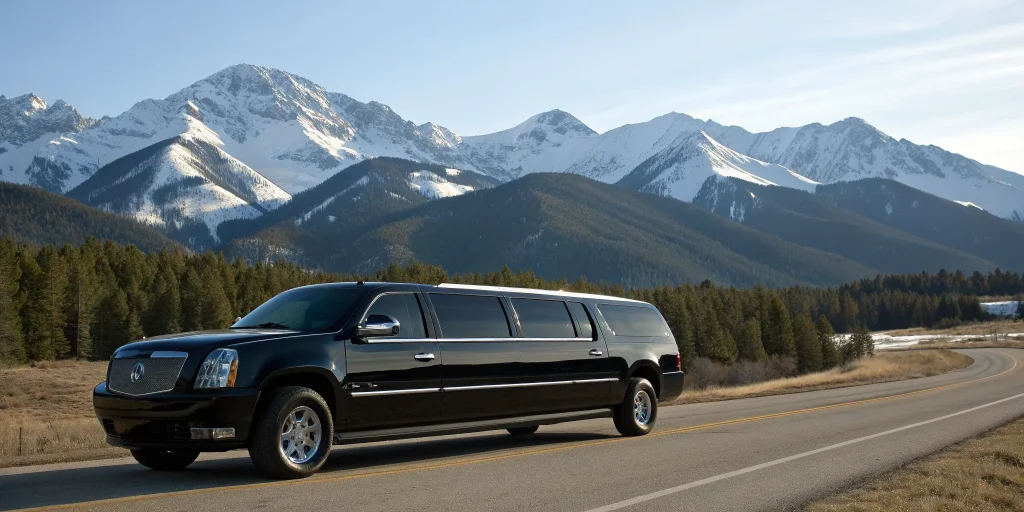
The journey to owning a limousine in Colorado is paved with both significant financial commitments and exciting opportunities. From the initial purchase price, which can range from a modest $20,000 for a used model to well over $200,000 for a new, highly customized luxury vehicle, to the ongoing operational expenses of insurance, maintenance, licensing, fuel, and staffing, the investment is substantial.
However, for those with a clear vision and a well-executed plan, the rewards can be equally significant. Colorado’s burgeoning tourism industry, its vibrant urban centers, and its demand for high-end services create a fertile ground for a profitable limousine business. Whether providing executive transportation in Denver, luxury transfers to Vail or Aspen’s exclusive ski resorts, or elegant rides for weddings and special events, a limousine offers a premium service that commands premium prices. For the individual, it’s an ultimate expression of a luxury lifestyle and an unparalleled way to travel and experience the beauty of the Centennial State.
Before making the leap, conduct thorough market research, develop a robust business plan, and consult with financial advisors and industry experts. Understand the regulatory landscape, meticulously budget for all costs, and be prepared for the dedication required to maintain a luxury vehicle and deliver exceptional service. When done strategically, purchasing a limousine in Colorado can be more than just buying a vehicle; it’s an investment in a distinguished lifestyle or a flourishing enterprise within one of America’s most captivating states.
LifeOutOfTheBox is a participant in the Amazon Services LLC Associates Program, an affiliate advertising program designed to provide a means for sites to earn advertising fees by advertising and linking to Amazon.com. Amazon, the Amazon logo, AmazonSupply, and the AmazonSupply logo are trademarks of Amazon.com, Inc. or its affiliates. As an Amazon Associate we earn affiliate commissions from qualifying purchases.