
The allure of Hawaii is undeniable. A tropical paradise nestled in the middle of the Pacific Ocean, it conjures images of pristine beaches, lush volcanic landscapes, vibrant local culture, and unforgettable experiences. For many, the dream of a Hawaiian getaway remains just that – a dream – often halted by the perceived high cost of airfare. “How much to fly to Hawaii?” is one of the most frequently asked questions for aspiring island visitors, and the answer, while complex, doesn’t have to be discouraging.
As experts in travel and accommodation, we understand that budgeting for a trip begins long before you pack your bags. Airfare is often the single largest upfront expense, and cracking the code to affordable flights can be the difference between a wistful thought and a booked itinerary. There’s no single price tag for a flight to Hawaii; instead, it’s a dynamic figure influenced by a myriad of factors. From your departure city and the time of year you choose to visit, to the airline you fly and even the day of the week you search, every detail plays a role in the final cost. This comprehensive guide will break down these variables, provide realistic cost expectations, and arm you with proven strategies to significantly reduce your airfare, making your dream Hawaiian escape a tangible reality. Whether you’re planning a luxury travel experience or a more budget travel adventure, understanding these dynamics is your first step towards paradise.
Understanding the Variables: What Impacts Flight Prices to Hawaii?
The price you pay for a plane ticket to Hawaii is not arbitrary. It’s the result of complex algorithms and market forces that fluctuate constantly. Understanding these underlying factors is key to predicting and ultimately influencing the cost of your flight.
The Rhythms of Travel: Seasonality and Timing
One of the most significant determinants of flight cost is when you plan to visit. Hawaii experiences distinct high and low seasons, primarily driven by school holidays, major events, and weather patterns in mainland North America.
- Peak Season (Expensive): Generally, December through April (especially around Christmas, New Year’s, Easter, and Spring Break) sees the highest prices. Demand skyrockets as people escape colder climates, and families travel during school vacations. Summer months (June-August) are also considered peak, though often slightly less expensive than the winter holiday rush. During these times, expect to pay a premium.
- Shoulder Season (Moderate): May, early June, September, and October often present a sweet spot. The weather is still fantastic, but the crowds are thinner, and flight prices tend to be more reasonable. This is an excellent time for those with flexible schedules to find better deals.
- Low Season (Cheapest): Generally late August through November (excluding the week of Thanksgiving) offers the lowest fares. Kids are back in school, and the initial summer rush has subsided. While there’s a slightly higher chance of rain in the fall, it’s usually brief showers, and the islands remain beautiful. This period is ideal for budget travelers seeking significant savings.
Beyond the season, the day of the week you fly also matters. Mid-week flights (Tuesday, Wednesday, Thursday) are typically cheaper than weekend departures (Friday, Saturday, Sunday). Similarly, red-eye flights or those with less convenient timings can offer savings.
Your Starting Point: Departure City and Flexibility
Where you begin your journey dramatically influences the price.
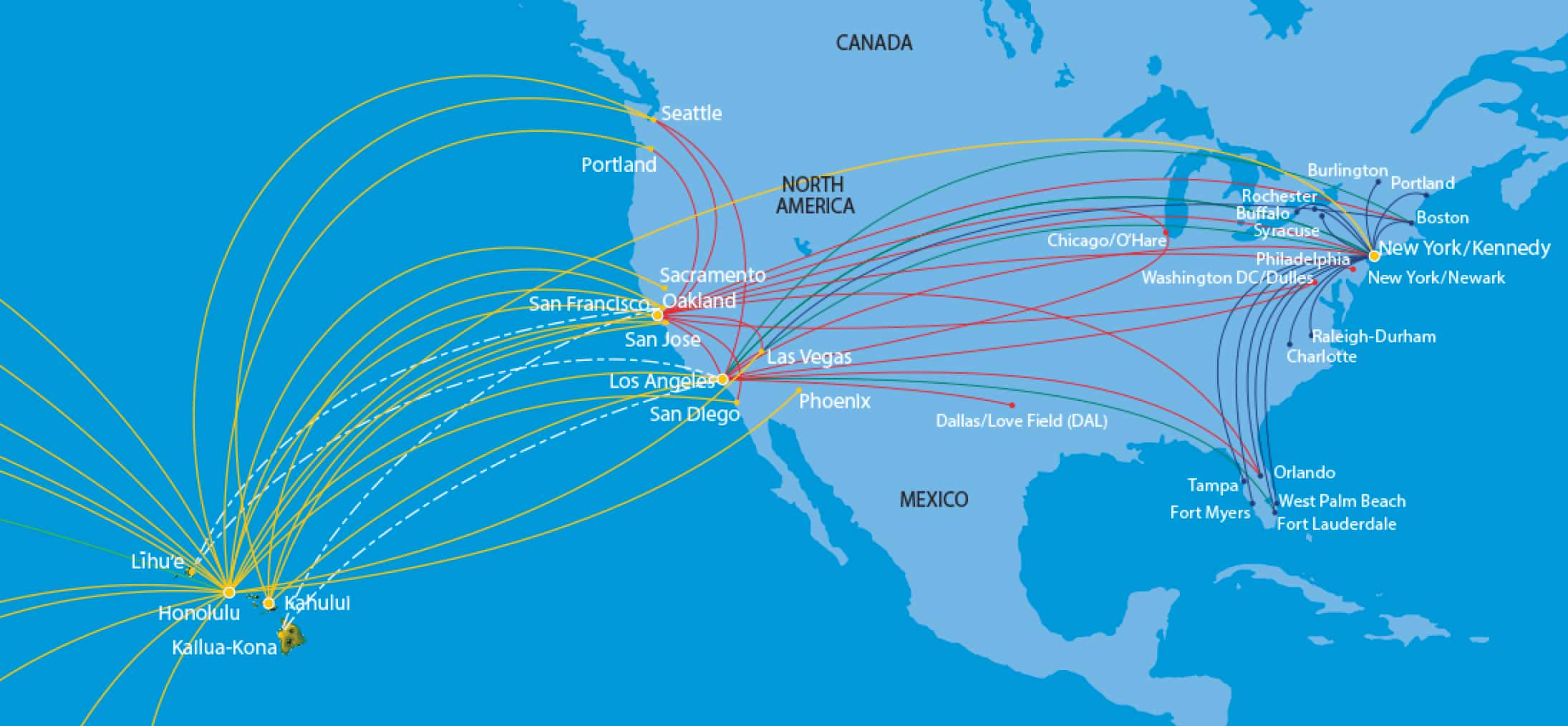
- West Coast Advantage: Cities along the West Coast of the United States – such as Los Angeles, San Francisco, Seattle, and Portland – consistently offer the cheapest and most frequent flights to Hawaii. The shorter flight duration and high competition among airlines drive prices down.
- Central and East Coast: Travelers from cities like Chicago, Dallas, Houston, New York, Atlanta, or Miami will face longer flights, often requiring at least one layover, resulting in higher fares. The further east you are, the more expensive the flight generally becomes.
- Flexibility with Airports: If you live near multiple airports, check prices from all of them. Sometimes, flying an hour or two to a larger hub can yield significant savings, especially if it’s an airport with more direct routes or increased competition to Hawaii.
Carrier Choices and Comfort Levels
The airline you choose and the class of service also play a crucial role.
- Budget vs. Full-Service: Southwest Airlines and Alaska Airlines often provide some of the most competitive economy fares, especially from the West Coast. Traditional carriers like Hawaiian Airlines, United Airlines, Delta Air Lines, and American Airlines also fly numerous routes, sometimes offering better amenities or more direct flights but potentially at a higher cost.
- Direct vs. Layover: Direct flights are convenient but often pricier. Opting for a flight with one or more layovers can significantly reduce the cost, though it will extend your travel time.
- Fare Class: The biggest price differentiator is the fare class.
- Economy (Basic Economy, Main Cabin): This is where most travelers find themselves, with prices varying widely based on all the factors mentioned above. Basic Economy is usually the cheapest but comes with restrictions (e.g., no seat selection, limited carry-on, no changes).
- Premium Economy: Offers more legroom, wider seats, and enhanced service for a noticeable price bump, a popular choice for those wanting more comfort on long flights without the full expense of business class.
- Business Class/First Class: For luxury travel enthusiasts, these classes offer lie-flat seats, gourmet food, lounge access, and premium service. Prices for these can easily be several times that of an economy ticket.
Navigating the Cost Landscape: Typical Flight Ranges to Hawaii
With so many variables at play, providing an exact figure is impossible. However, we can offer realistic ranges based on typical travel patterns and departure points to help you set expectations. These ranges are for round-trip economy fares and exclude major holidays unless specified.
From the West Coast to Paradise
For travelers departing from cities in California, Oregon, or Washington, flights to major Hawaiian islands like Oahu (Honolulu), Maui (Kahului), or Kauai (Lihue) are generally the most affordable.
- Budget-Friendly (Low Season/Promotions): You might find fares as low as $300-$450 USD round-trip. These deals are often snapped up quickly, require flexibility, and might be on budget carriers or at inconvenient times.
- Average (Shoulder Season): Expect to pay between $450-$700 USD round-trip. This is a common range when booking a few months in advance for off-peak shoulder season travel.
- High End (Peak Season/Last Minute): During peak times or for last-minute bookings, prices can easily climb to $700-$1000+ USD round-trip.
For example, a typical flight from Los Angeles to Honolulu might average around $550.
East Coast and Central US Perspectives
Travelers from the middle of the country or the East Coast face longer journeys and higher prices, often involving one or more layovers.
- Budget-Friendly (Low Season/Promotions): Finding fares below $600-$750 USD is rare but possible during deep discounts or sales, usually requiring a layover.
- Average (Shoulder Season): A more realistic expectation is $750-$1,200 USD round-trip. Prices vary considerably based on the number of stops and the length of the layovers.
- High End (Peak Season/Last Minute): During peak travel periods, fares can soar to $1,200-$1,800+ USD round-trip.
For instance, a flight from New York to Maui could easily range from $800 to $1,500 depending on the season and booking time.
Beyond the Mainland: International Considerations
For those traveling from Canada, Japan, Australia, or Europe, flights to Hawaii will naturally be higher due to the significant distance.
- From Canada: Similar to the US West Coast in range, but typically slightly higher, averaging $600-$1,200+ CAD.
- From Japan: Fares can range from $800-$1,500+ USD, often with direct flights available to Honolulu.
- From Australia: Expect to pay $1,000-$2,000+ AUD, usually with a stop on the US West Coast or another Pacific hub.
- From Europe: This is the most expensive international origin, with flights often costing $1,200-$2,500+ USD and involving multiple layovers.
Remember, these are general ranges. Real-time pricing can fluctuate significantly.
Mastering the Art of Savings: Smart Strategies for Cheaper Flights
Now that you understand the factors influencing flight costs, let’s explore actionable tips and strategies to secure the best possible deal for your Hawaiian adventure.
Leveraging Technology and Timely Booking
The digital age has put powerful tools at our fingertips for finding affordable airfare.
- Start Early, but Not Too Early: The general consensus for booking domestic flights to Hawaii is 2-4 months in advance. For international travel, extend that to 3-6 months. Booking too far out (e.g., 9-12 months) can sometimes mean paying higher initial prices before airlines fully optimize their schedules and introduce sales. Booking too late, especially during peak season, almost guarantees higher prices.
- Utilize Flight Comparison Sites: Websites like Google Flights, Skyscanner, Expedia, and Kayak are invaluable. They allow you to compare prices across multiple airlines and online travel agencies simultaneously. Use their flexible date calendars to spot the cheapest days to fly within a given month.
- Set Price Alerts: Most flight search engines allow you to set up email alerts for specific routes. You’ll be notified automatically when prices drop, ensuring you don’t miss a good deal.
- Consider Incognito Mode: Some theories suggest that travel websites track your searches using cookies and may subtly increase prices for routes you’ve repeatedly viewed. While unproven definitively, using incognito or private browsing mode might help prevent this. Clearing your browser cookies can also serve a similar purpose.
- Pounce on Sales: Sign up for newsletters from major airlines flying to Hawaii (Hawaiian Airlines, Southwest Airlines, Alaska Airlines, United Airlines, Delta Air Lines, American Airlines) and flight deal aggregators. Flash sales can offer significant savings but often require quick booking.
Exploring Alternative Routes and Airlines
Flexibility is your best friend when hunting for cheap flights.
- Be Flexible with Dates: If your schedule allows, flying in the shoulder or low season (May, September, October, early November) can save hundreds of dollars. Even shifting your departure or return by a day or two can make a difference.
- Be Flexible with Airports: As mentioned, checking nearby alternative airports, both for departure and arrival in Hawaii, can open up cheaper options. While Honolulu (Oahu) is often the cheapest point of entry, consider flying into Maui or the Big Island directly if the price is right for your destinations.
- Mix and Match Airlines: Don’t be afraid to book separate one-way tickets on different airlines if it’s cheaper. For example, you might fly to Hawaii on Southwest Airlines and return on United Airlines. Just be aware of luggage policies and potential issues if one flight is delayed and impacts the other.
- Consider “Island Hopper” Flights: If your ultimate destination isn’t Oahu, sometimes flying into Honolulu and then booking a separate inter-island flight (e.g., on Hawaiian Airlines or Mokulele Airlines) can be cheaper than flying directly to a smaller island airport. Factor in the time and cost of the layover, but this strategy often unlocks significant savings.
Maximizing Loyalty and Package Deals
Savvy travelers know how to leverage loyalty programs and bundle services.
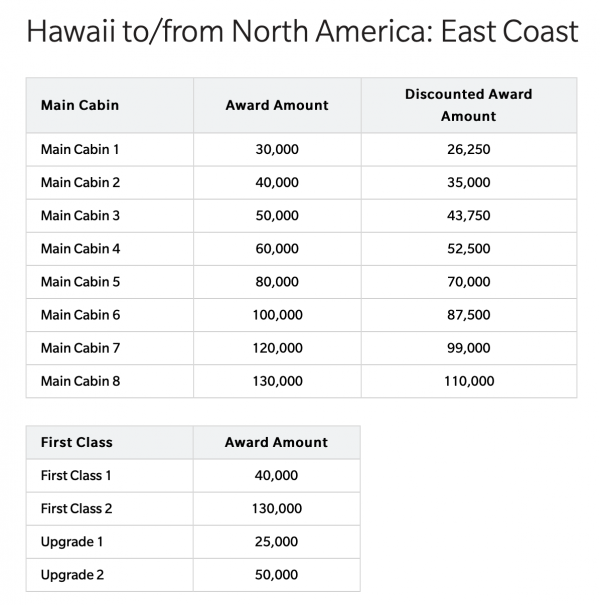
- Airline Loyalty Programs and Credit Card Points: If you’re a frequent flyer with a particular airline or hold a co-branded travel credit card, accumulating points and miles can lead to free or heavily discounted flights. Booking award travel well in advance (11+ months out) often yields the best value, especially for premium cabins.
- Flight + Hotel Packages: Many online travel agencies and airlines offer bundled deals for flights and hotels or resorts. These can sometimes result in significant savings compared to booking each component separately. This is particularly relevant given our focus on hotels and accommodation and caters to both budget travel and luxury travel preferences.
- Travel Insurance: While not directly a saving on flights, investing in travel insurance can protect your financial investment in your trip against unforeseen circumstances like cancellations or medical emergencies. This peace of mind is invaluable, especially for family trips or longer stays.
Beyond Airfare: Budgeting for Your Entire Hawaiian Getaway
While airfare is a major piece of the puzzle, a realistic Hawaii budget encompasses more than just the flight. To truly answer “how much to fly to Hawaii?”, you must consider the complete picture of your trip’s expenses.
Accommodation: Finding Your Island Home
Once you land, you’ll need a place to stay. Hawaii offers a wide range of accommodation options to suit every budget and lifestyle.
- Luxury Resorts and Hotels: Islands like Maui and Kauai are renowned for their opulent resorts such as the Grand Hyatt Kauai Resort & Spa or the Four Seasons Resort Maui at Wailea. These often come with premium amenities, concierge services, and beachfront access, catering to luxury travel. Prices can range from $500 to $1,500+ per night.
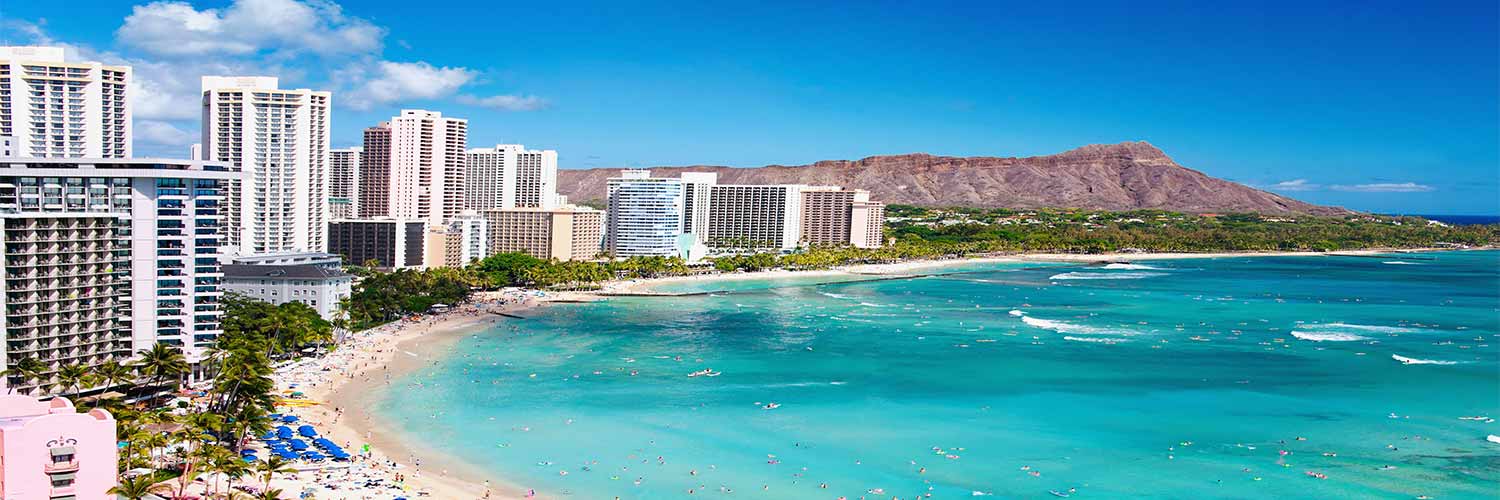
- Mid-Range Hotels and Suites: In areas like Waikiki Beach on Oahu, you’ll find numerous reputable hotels offering comfortable stays from $250 to $500 per night.
- Vacation Rentals and Apartments: For longer stays, family trips, or those seeking a more local experience, vacation villas or apartments booked through platforms like Airbnb or VRBO can be a cost-effective option, particularly if you plan to cook some of your own food. Prices vary greatly depending on size and location, but can range from $150 to $700+ per night.
- Budget Options: Hostels and guesthouses are available, especially in Honolulu, with prices sometimes as low as $50-$100 per night for dorm beds.
When booking accommodation, always read reviews and use comparison sites to find the best value.
Local Exploration and Experiences
To truly immerse yourself in the tourism of Hawaii, you’ll need a budget for ground transportation, food, and activities.
- Car Rental: Essential for exploring islands like Maui, Kauai, and the Big Island. Reserve well in advance, especially during peak season, as availability can be limited and prices high (often $70-$150+ per day).
- Food and Dining: Hawaii can be expensive for dining out due to imported goods. Budget anywhere from $70-$200+ per person per day, depending on whether you’re eating at casual eateries, preparing your own meals, or indulging in fine dining. Exploring local markets and food trucks is a fantastic way to experience local cuisine on a budget.
- Attractions and Activities: From visiting landmarks like Pearl Harbor or hiking Diamond Head to snorkeling along the Na Pali Coast or taking a surfing lesson at Waikiki Beach, the islands offer countless activities. Many natural wonders are free, but tours, lessons, and admission to certain sites can add up. Allocate $50-$150+ per person per day for various paid experiences.
In conclusion, flying to Hawaii doesn’t have to break the bank. By understanding the intricate dance of supply and demand, employing smart booking strategies, and being flexible with your travel plans, you can find airfare that fits your budget. Remember that the journey to paradise is part of the adventure, and with careful planning, your Hawaiian dream is well within reach.
LifeOutOfTheBox is a participant in the Amazon Services LLC Associates Program, an affiliate advertising program designed to provide a means for sites to earn advertising fees by advertising and linking to Amazon.com. Amazon, the Amazon logo, AmazonSupply, and the AmazonSupply logo are trademarks of Amazon.com, Inc. or its affiliates. As an Amazon Associate we earn affiliate commissions from qualifying purchases.