
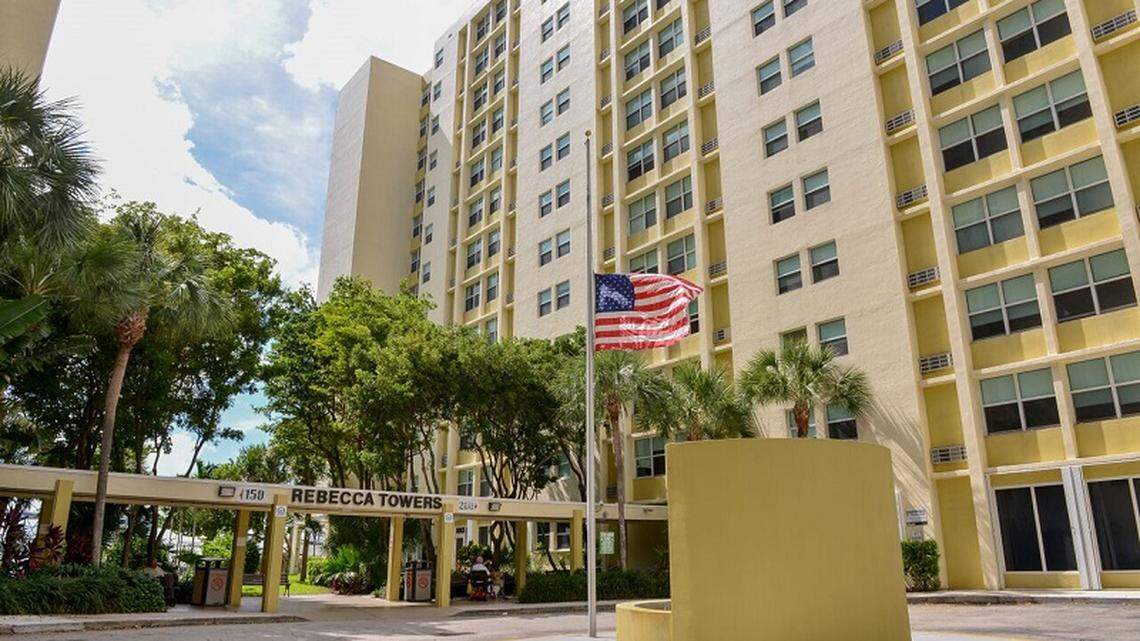
When considering a long-term residency in South Florida, few locations command the same level of intrigue as the iconic skyline of Miami Beach. Among the residential offerings that define the local housing landscape, Rebecca Towers stands as a notable point of interest. Located in a prime area, this facility often piques the curiosity of potential residents looking for a blend of accessibility, community, and the quintessential coastal lifestyle. However, determining the true cost of living at this address requires a deep dive into the financial realities of Miami, the structure of housing assistance, and the ancillary expenses that accompany life in this vibrant city.

Understanding the Financial Framework of Rebecca Towers
The cost of living in any high-demand residential complex, particularly one as established as Rebecca Towers, is not a static figure. It is deeply influenced by the nature of the housing market in Florida. Because these facilities are often structured to support specific demographics—frequently seniors or individuals with limited fixed incomes—the “rent” is rarely a flat market rate.
The Subsidy Model
Unlike luxury condominiums found elsewhere in the city, Rebecca Towers typically operates under federal or state housing guidelines. In these scenarios, the cost for a resident is calculated as a percentage of their adjusted gross income. This means that if you are researching the cost to live here, you are likely looking at a rent-geared-to-income model. Residents generally pay approximately 30 percent of their monthly income toward rent, while the remainder is covered by government subsidies. This makes it an essential anchor for affordability in an otherwise expensive real estate market.
Qualifying for Residency
Eligibility is the primary barrier to entry and the most significant factor in determining your personal cost. Applicants must meet specific income thresholds, age requirements, or disability criteria set forth by the governing housing authorities. Because the demand for these units often far outweighs the supply, there is frequently a waiting list. Prospective residents must weigh the benefit of the subsidized cost against the patience required to secure a unit in such a coveted location.
Ancillary Expenses: The Hidden Costs of Miami Beach Living
While your rent might be subsidized, your lifestyle expenses in Miami Beach are not. Living on a barrier island requires a realistic look at the day-to-day costs that define your budget once you have settled into your apartment.
Utilities and Maintenance
In most subsidized housing arrangements, some utilities—such as water, trash removal, and sewer—are included in the rent. However, residents are often responsible for their own electricity, internet, and cable packages. Given the climate of South Florida, electricity costs can fluctuate significantly during the summer months when air conditioning usage is at its peak. Budgeting for these variable costs is essential for maintaining financial stability.
Transportation and Accessibility
Miami Beach is a highly walkable area, but it is also a city that rewards those with reliable transportation. While Rebecca Towers is positioned well, you must account for the costs of local transit, such as the Miami-Dade Transit system, or the expenses associated with maintaining a private vehicle. Parking in Miami Beach is famously expensive, and if your housing unit does not provide a dedicated spot, that becomes a significant monthly line item that must be factored into your total living expenses.

Food and Groceries
The cost of food in tourist-heavy hubs like Miami Beach tends to be higher than in the inland suburbs of Miami-Dade County. Residents should account for a slight markup on staple goods if shopping at local boutique grocers. Smart residents often leverage the public transit networks to reach more affordable, large-scale supermarkets located just across the bridges on the mainland to keep their monthly food budget in check.
The Lifestyle Value Proposition
When asking “how much does it cost,” one must also ask “what is the value received?” Living at Rebecca Towers provides access to a lifestyle that would be financially impossible for many individuals if they were forced to pay market rates in such an enviable location.
Proximity to Amenities
The ability to walk to the beach, enjoy the public parks, and access community centers is a luxury that typically comes with a high price tag. For residents of Rebecca Towers, this geographic advantage is the true “cost” benefit. You are not just paying for four walls and a roof; you are paying for the lifestyle afforded by the geography of South Florida. The local culture, the constant sunshine, and the proximity to the cultural heartbeat of Miami are intangible assets that are built into your residency.
Community and Security
Beyond the financial metrics, there is a value to the community environment. Rebecca Towers often provides a sense of security and companionship that is vital for residents. Features like controlled access, on-site management, and community activity spaces allow for a high quality of life. For many, these social components are just as valuable as the rent savings.
Financial Planning for Future Residents
For those currently waiting for a spot or considering applying, the best strategy is to prepare a “cushion” budget.
- Calculate Fixed Costs: Start with the known percentage of your income that will be dedicated to rent.
- Estimate Variable Costs: Research the average monthly electrical bill for a similar-sized unit in the Miami Beach area to avoid sticker shock during the summer.
- Emergency Fund: Always maintain an emergency fund for medical expenses or unexpected life events, as the cost of healthcare in major hubs like Florida can sometimes be higher than in rural states.
- Lifestyle Budget: Define your spending on leisure. Whether it is visiting the Art Deco Historic District or dining out at local spots in South Beach, ensure these are categorized as discretionary so they do not infringe upon your essential rent and utility funds.
Final Considerations on the Miami Beach Market
Ultimately, the question of how much it costs to live at Rebecca Towers is answered by the intersection of federal housing policy and individual financial status. Because these units are part of a larger, regulated housing ecosystem, the cost is designed to be sustainable for the resident. However, the true success of your residency depends on how well you manage the secondary costs of living in a world-class destination like Miami Beach. By understanding the subsidy model, planning for variable utility and transportation expenses, and taking advantage of the free amenities provided by the city, residents can enjoy a high quality of life that remains within their financial means. While the market rate for a similar view or location in the private sector would be prohibitive for most, Rebecca Towers provides a vital pathway to stability in one of the most vibrant regions of the United States.
LifeOutOfTheBox is a participant in the Amazon Services LLC Associates Program, an affiliate advertising program designed to provide a means for sites to earn advertising fees by advertising and linking to Amazon.com. Amazon, the Amazon logo, AmazonSupply, and the AmazonSupply logo are trademarks of Amazon.com, Inc. or its affiliates. As an Amazon Associate we earn affiliate commissions from qualifying purchases.