
For anyone considering a move to the Lone Star State, embarking on a grand Texas road trip, or simply navigating the responsibilities of vehicle ownership within its vast borders, understanding the cost of car registration is a fundamental piece of the puzzle. Beyond the exciting destinations, vibrant cities like Houston, Dallas-Fort Worth, Austin, and San Antonio, and unique cultural experiences, practical considerations such as vehicle registration are essential for a smooth journey and hassle-free living. This comprehensive guide breaks down the various fees, taxes, and requirements associated with registering a car in Texas, ensuring you’re well-prepared whether you’re a long-time resident or a newcomer planning your next adventure.
Car registration is not merely a bureaucratic formality; it’s an integral part of responsible vehicle ownership that contributes to road safety, environmental protection, and the upkeep of the state’s extensive infrastructure. For travelers, understanding these costs beforehand is crucial for budgeting a road trip that might involve purchasing a vehicle, or for those considering a more permanent stay, it’s a necessary step toward becoming a full-fledged Texas resident. Let’s delve into the specifics, ensuring no surprise fees derail your plans.
Understanding the Core Registration Fees
The journey to legally operating your vehicle in Texas begins with a set of core fees. These are the foundational costs that every vehicle owner will encounter, though some variations exist based on your location and the specific type of vehicle.
Base Registration Fee
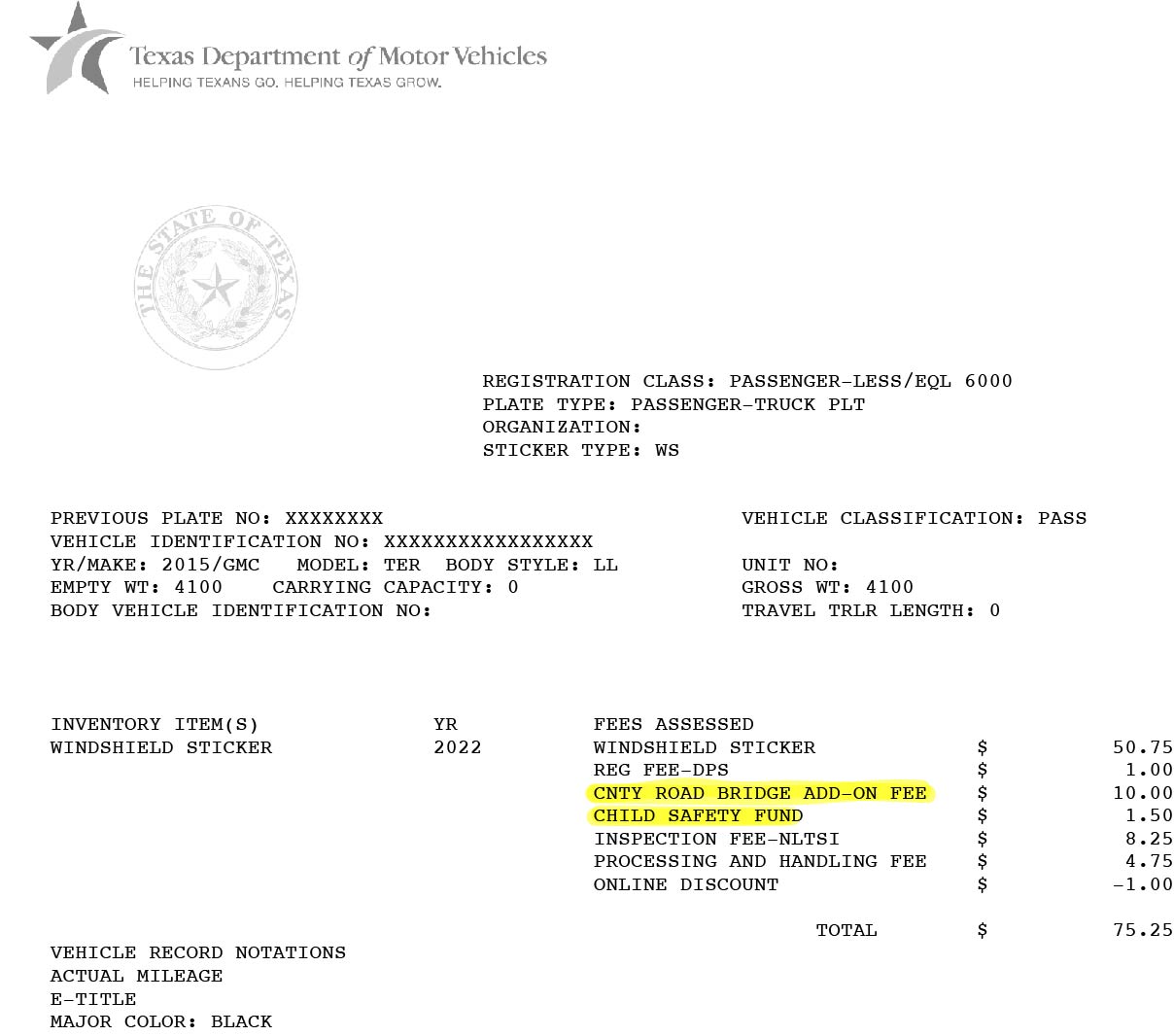
At the heart of the registration process is the base registration fee. For most passenger vehicles, this fee is currently $50.75. This flat rate applies statewide and covers the fundamental administrative costs associated with maintaining vehicle records and issuing license plates and registration stickers. It’s a mandatory charge, regardless of where in Texas you reside. This fee is a minor but essential component of your overall vehicle ownership budget, comparable to the small costs one might factor into daily travel expenses or a night’s stay in a budget hotel.
Local Optional Fees
While the base fee is consistent, several optional fees can vary depending on the county in which you register your vehicle. These “optional” fees are often mandatory within specific jurisdictions and contribute to local infrastructure projects and services.
For instance, many counties levy a local county fee of $10. This additional charge helps fund local road maintenance and other transportation-related initiatives crucial for ensuring smooth travel, whether you’re commuting to work or exploring a regional attraction. Furthermore, some counties, particularly those with higher population densities, may impose an automation fee of up to $4.75. This fee typically supports the digital processing of vehicle registrations, enhancing efficiency and convenience for residents and enabling quicker turnarounds, a benefit for anyone planning last-minute travel or needing to update their vehicle status promptly.
Therefore, the total registration fee often ranges from approximately $60.75 to $65.50 for a standard passenger vehicle, depending on your county’s specific surcharges. It’s always advisable to check with your local County Tax Assessor-Collector’s office or the official Texas Department of Motor Vehicles (DMV) website for the most accurate and up-to-date figures for your specific location, such as Travis County, Harris County, Dallas County, Tarrant County, or Bexar County.
Inspection Requirements and Costs
Before you can complete your vehicle registration in Texas, your vehicle must pass an annual inspection. This is a critical step designed to ensure all vehicles on Texas roads meet minimum safety and environmental standards. The inspection process is two-fold:
- Safety Inspection: Every vehicle must undergo a safety inspection, which checks components like brakes, tires, lights, steering, and seat belts. This ensures your vehicle is safe not only for you but also for others sharing the roads, which is especially important when embarking on long-distance travel across the state’s vast landscapes. The typical cost for a safety inspection is around $7.
- Emissions Inspection: In certain counties, particularly those prone to air quality concerns due to high population and industrial activity (such as Harris County, Dallas County, and Tarrant County in the Dallas-Fort Worth metroplex, and Travis County in Austin), vehicles are also required to pass an emissions inspection. This test ensures your vehicle’s exhaust system is not releasing excessive pollutants into the atmosphere, aligning with the state’s environmental protection efforts managed by the Texas Commission on Environmental Quality. The cost for an emissions inspection typically adds another $18.50 to $25.50, bringing the total inspection cost to roughly $25.50 to $32.50 in these areas.
It’s important to complete your inspection before you attempt to register or renew your registration. The inspection station will electronically report your passing results to the state, making the registration process smoother. This pre-registration step is akin to packing all your essential travel documents before heading to the airport; it prevents last-minute hitches.
Decoding Texas Sales Tax on Vehicles
Beyond the annual registration fees and inspection costs, one of the most significant expenses when acquiring a vehicle in Texas is the sales tax. This is a one-time tax assessed when you purchase a vehicle and is often a considerable sum, impacting your overall budget significantly.
When Sales Tax Applies
Sales tax applies to both new and used vehicles purchased in Texas, or if you bring a vehicle into Texas from another state or country and haven’t paid comparable sales tax elsewhere. If you’re relocating to Texas and have owned your vehicle for less than 12 months, or if you plan to sell your vehicle shortly after moving, understanding these tax implications is crucial for accurate financial planning, whether for long-term residency or a temporary stay.
Calculating Sales Tax
The sales tax rate in Texas is a flat 6.25% of the vehicle’s sales price. This percentage is applied to either the actual sales price you paid or the vehicle’s standard presumptive value (SPV), whichever is greater. The SPV is a value determined by the Texas Comptroller of Public Accounts for most used vehicles, ensuring that taxes are collected fairly, even in private sales where the stated price might be unusually low. This prevents tax evasion and ensures equitable contributions to state revenue, which supports a wide array of public services, including the maintenance of the very roads you’ll be driving on to reach your next Texas destination.
For example, if you purchase a vehicle for $20,000, the sales tax would be $20,000 * 0.0625 = $1,250. This amount is paid at the time of titling and registration.
Trade-ins and Tax Credits
One of the ways to reduce your sales tax burden is by trading in an existing vehicle. When you trade in a vehicle, the sales tax is calculated on the difference between the new vehicle’s price and the trade-in allowance. For instance, if you buy a $30,000 car and trade in your old one for $10,000, you only pay sales tax on $20,000, saving you a substantial amount. This incentive encourages vehicle upgrades and helps mitigate the financial impact of purchasing a new car, making luxury travel or family road trips more accessible.
Furthermore, if you’ve recently moved to Texas and paid sales tax on your vehicle in another state or country, you might be eligible for a tax credit. Texas law often grants a credit for sales or use tax paid to another state, up to the 6.25% Texas rate. This prevents double taxation and makes the transition for new residents smoother. However, specific rules apply, so it’s essential to review the guidelines provided by the Texas Comptroller of Public Accounts or consult with your local County Tax Assessor-Collector.
Special Cases and Additional Considerations
While the standard fees and taxes cover most situations, several specific scenarios and options can affect the total cost of registering your vehicle in Texas. These considerations are important for new residents, those with leased vehicles, or individuals seeking a personalized touch for their ride.
New Residents to Texas
Welcome to Texas! If you’re moving to the state, you generally have 30 days from the date you establish residency to register your out-of-state vehicle. Before you can register, your vehicle must pass a Texas safety inspection (and emissions inspection if applicable in your county).
When registering as a new resident, you’ll pay the standard registration fees. Additionally, you may owe a new resident tax of $90 for vehicles previously registered in another state or country. As mentioned, if you’ve owned your vehicle for less than 12 months, or if you’re importing it from a country without a sales tax reciprocity agreement, you might also be subject to the 6.25% Texas sales tax, with potential credits for taxes paid elsewhere. Understanding these initial costs is vital for budgeting your relocation, whether you’re moving for work, family, or simply to enjoy the unique Texas lifestyle.
Registering a Leased Vehicle
Registering a leased vehicle in Texas follows a slightly different process. The leasing company, which is the legal owner of the vehicle, is responsible for titling the car in Texas. However, the lessee (you) is typically responsible for paying the registration fees, inspection costs, and any applicable sales or use tax. The sales tax on leased vehicles is often paid in monthly installments as part of your lease payment rather than as a lump sum upfront, though some leasing agreements may require an upfront payment. Always consult your lease agreement and communicate with your leasing company to understand your specific obligations for Texas registration and taxes.
Personalized License Plates and Specialty Vehicles
For those who wish to add a personal touch to their vehicle or own a specific type of specialty vehicle, there are additional costs and options:
- Personalized License Plates: Texas offers a vast array of personalized and specialty license plates, allowing drivers to express their personality, support a cause, or showcase their affiliations. These plates come with an additional annual fee, which varies significantly depending on the design and whether it’s a personalized message or a plate supporting an organization (e.g., colleges, military, charities). These fees can range from $30 to several hundred dollars annually on top of your standard registration. Sites like MyPlates.com (a vendor for the Texas DMV) allow you to design and purchase these plates.
- Specialty Vehicles: Different types of vehicles may have slightly different registration fee structures. For example, motorcycles, commercial vehicles, trailers, and recreational vehicles (RVs) often have specific fee schedules. These vehicles are integral to various lifestyles, from adventurous solo travelers on motorcycles to families embarking on RV adventures to Big Bend National Park or Padre Island National Seashore. Always check the specific fee schedule for your vehicle type with the Texas DMV or your local County Tax Assessor-Collector.
Navigating Renewals and Late Fees
Vehicle registration in Texas must be renewed annually. The renewal process is generally straightforward and can often be completed online, by mail, or in person. You will need proof of current insurance, a passing inspection report (which is electronically submitted), and your renewal notice.
If you fail to renew your registration by the expiration date, you could face penalties. The state often imposes late fees, which can add to your total cost. Furthermore, driving with an expired registration is a traffic offense that can result in fines ranging from $50 to $200, plus court costs. Law enforcement also has the authority to impound your vehicle for severely expired registrations. To avoid these extra expenses and inconveniences, it’s best to renew your registration promptly. Most counties send out renewal reminders, and the Texas DMV offers online services to check your renewal status and complete the process efficiently.
Planning Your Texas Journey: Beyond Registration
Understanding the costs of car registration in Texas is more than just knowing a number; it’s about setting the stage for comfortable living and unforgettable travel experiences. With your vehicle legally registered and ready, a whole world of Texas adventures opens up.
Exploring Texas by Car: Road Trip Ideas
Texas is a state built for road trips, and having a registered vehicle is your ticket to exploring its diverse landscapes and vibrant cities. From the piney woods of East Texas to the deserts of West Texas, the opportunities are endless.
Imagine cruising down scenic highways to the historic charm of San Antonio, visiting The Alamo and strolling along the famous River Walk. Or perhaps head to Houston to experience Space Center Houston and its world-class museums. For history buffs, Dallas offers insights at the Sixth Floor Museum at Dealey Plaza, while Fort Worth beckons with its Fort Worth Stockyards National Historic District and daily cattle drives.
Nature lovers can venture west to the majestic Big Bend National Park or Guadalupe Mountains National Park for incredible hiking and stargazing. The Texas Gulf Coast, with destinations like Galveston and Corpus Christi, offers beautiful beaches and coastal activities. Even far-flung cities like Amarillo and El Paso are within reach for those eager to see every corner of the state. Your registered vehicle is the key to unlocking these unforgettable experiences, transforming basic travel into a lifestyle of exploration and discovery.
Budgeting for Your Texas Adventure
When planning a trip or a move to Texas, it’s crucial to factor in all transportation-related costs. Beyond car registration, consider fuel prices (which can vary across the state), potential tolls on highways around major metropolitan areas, and parking fees in popular tourist spots or city centers. If you’re staying for an extended period, remember that vehicle insurance is mandatory in Texas and its cost can vary significantly based on your driving history, vehicle type, and location.
By carefully budgeting for these expenses alongside your accommodation choices (from luxury resorts to cozy apartments), dining experiences, and activity admissions, you can ensure a smooth and enjoyable stay. A well-planned budget, inclusive of vehicle operational costs, allows for more spontaneous experiences and reduces financial stress, whether you’re on a budget travel adventure or a lavish escapade.
The Convenience of Vehicle Ownership for Texas Living
For residents, car ownership in Texas offers unparalleled freedom and convenience, especially given the state’s expansive geography and often limited public transportation outside of major city cores. Having your own vehicle allows you to easily commute to work, transport family members, run errands, and access the vast array of attractions from local parks to the State Capitol in Austin.
Understanding the costs associated with car registration is an essential step in embracing the Texas lifestyle. It ensures you remain compliant with state laws, contributes to the maintenance of excellent infrastructure, and most importantly, grants you the freedom to explore everything this incredible state has to offer, from its bustling urban centers to its tranquil natural wonders. Armed with this knowledge, you can confidently navigate the roads of Texas and embark on countless memorable journeys.
LifeOutOfTheBox is a participant in the Amazon Services LLC Associates Program, an affiliate advertising program designed to provide a means for sites to earn advertising fees by advertising and linking to Amazon.com. Amazon, the Amazon logo, AmazonSupply, and the AmazonSupply logo are trademarks of Amazon.com, Inc. or its affiliates. As an Amazon Associate we earn affiliate commissions from qualifying purchases.