
Relocating to the Silver State or purchasing a new vehicle within its borders is an exciting milestone, particularly if you are planning to explore the vast landscapes surrounding Las Vegas or the serene waters of Lake Tahoe. However, before you can legally hit the open road in Nevada, you must navigate the state’s vehicle registration requirements. Understanding the cost structure—which is often more complex than in other states—is essential for budget planning, whether you are a new resident or a long-term local.
Understanding the Components of Nevada Registration Fees
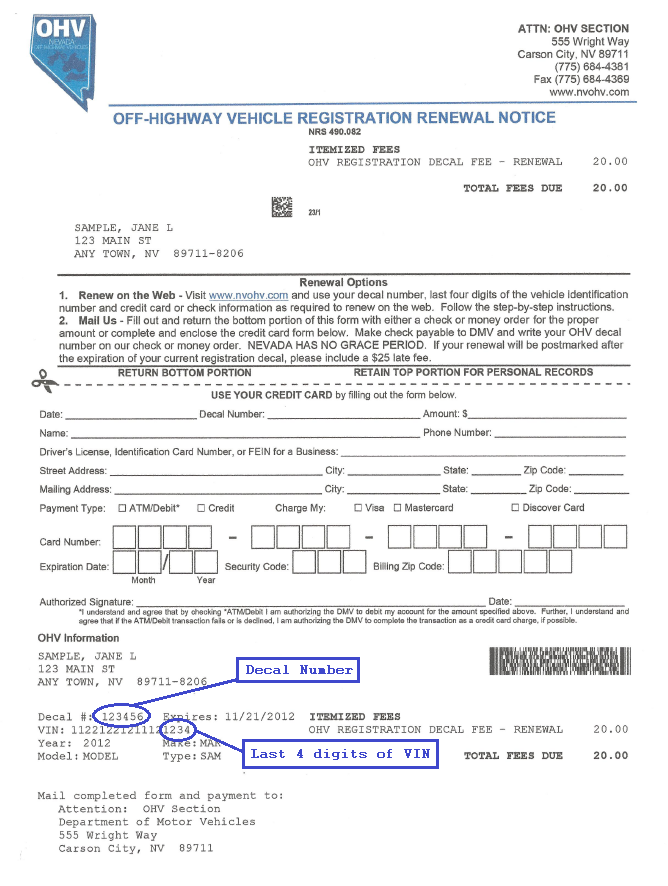
Unlike many states that charge a flat fee for vehicle registration, the Department of Motor Vehicles in Nevada utilizes a unique valuation system. The total cost you pay at the counter is not just a single number; it is an aggregation of several specific levies.
The Governmental Services Tax (GST)
The most significant portion of your registration bill is the Governmental Services Tax. This is an ad valorem tax, meaning it is based on the value of your vehicle. The state calculates this by taking the original Manufacturer’s Suggested Retail Price (MSRP) and applying a depreciation schedule. As your car ages, the taxable value—and consequently the tax amount—decreases. This system ensures that owners of newer, more expensive vehicles contribute more to state infrastructure than owners of older, high-mileage models.
The Basic Registration Fee
Beyond the valuation-based tax, every vehicle owner must pay a flat, state-mandated registration fee. For a standard passenger vehicle, this is currently set at $33. This base fee is uniform regardless of your vehicle’s make, model, or year. It covers the administrative processing required to issue your license plates and validation decals.
Supplemental Government Services Tax
In addition to the standard GST, certain counties in Nevada may impose a supplemental tax to fund local infrastructure, school districts, or specific transit projects. If you live in Clark County, for instance, your total registration costs may appear slightly higher than those for a resident in a rural county. It is vital to verify your specific county’s supplemental rates when estimating your annual budget.
New Resident Requirements and Financial Planning
If you have recently moved to Nevada from another state, you are legally required to register your vehicle within 30 days of establishing residency. This transition period is a critical window to avoid potential late penalties, which can accrue monthly.
Emissions Testing (Smog Check)
Before you can finalize your registration, you will likely need to pass a vehicle emissions test, officially known in Nevada as a “Smog Check.” Most vehicles located in the urban areas of Las Vegas and Reno are required to undergo this inspection annually or biennially. The cost for a smog inspection is not fixed by the state; private testing facilities set their own rates, which typically range between $20 and $60. Always factor this into your total “registration budget” for the year.
VIN Inspection
For vehicles being brought into the state for the first time, a Vehicle Identification Number (VIN) inspection is mandatory. This is a simple verification process conducted by a DMV technician or an authorized representative to ensure the vehicle’s identity matches your title documentation. While the inspection itself often incurs a nominal fee, it is a necessary step to prove the vehicle’s legitimacy before the registration process can proceed.
Budgeting for Long-Term Vehicle Ownership
Staying on top of your vehicle registration is part of being a responsible resident in the beautiful American West. Whether you are driving a sturdy SUV to reach the rugged trails of Red Rock Canyon or a reliable sedan for your daily commute through Henderson, your registration serves as your ticket to legal travel.
Estimating Your Annual Costs
To get a precise estimate, the state provides an online registration fee calculator. By inputting your vehicle’s VIN, the system pulls the specific MSRP and applies the current depreciation schedule to give you an accurate dollar amount. It is highly recommended to perform this check at least 30 days before your registration expires to avoid any surprise bills.
Late Penalties and Compliance
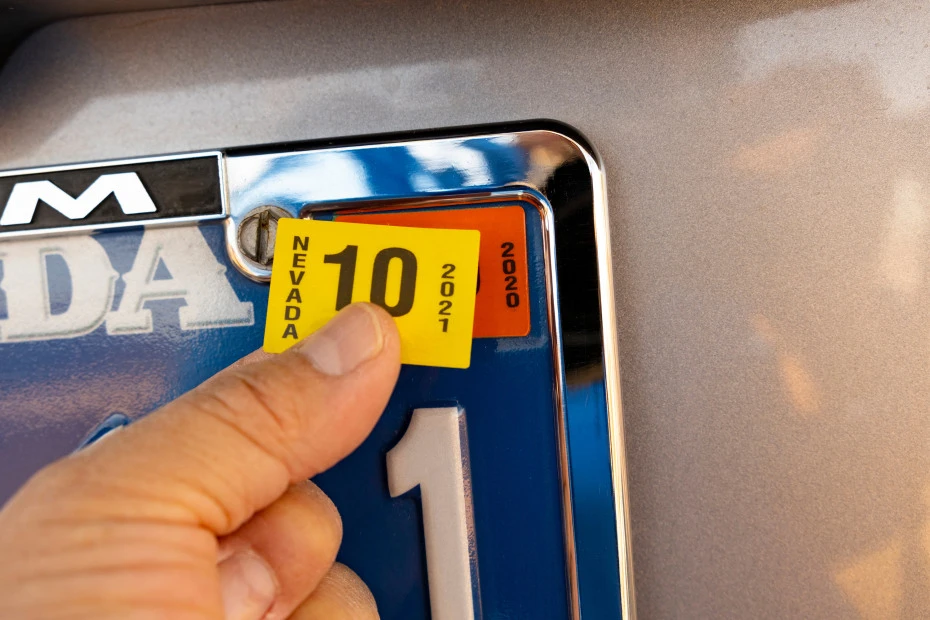
The state of Nevada is strict regarding expiration dates. Driving with expired tags can lead to traffic stops, fines, and the potential impoundment of your vehicle. If you miss your deadline, the penalty structure is tiered:
- 1–10 days late: A percentage-based fee is added to your total registration.
- 11–30 days late: The penalty increases significantly.
- Over 30 days: Maximum penalty fees apply, and you risk a citation from law enforcement.
If you know you will be out of state or traveling for an extended period, consider renewing your registration online in advance. The DMV portal is robust and allows for seamless payment processing, ensuring your documents are mailed to your home address well before your departure.
Choosing the Right License Plate
A final factor that impacts your registration cost is the choice of license plate. While the standard Nevada “Home Means Nevada” plate is included in your basic registration, the state offers a wide array of specialized plates.
Specialty and Personalized Plates
From plates supporting the preservation of the Great Basin National Park to those honoring veterans or local sports teams, the options are extensive. However, these plates carry an additional annual fee. Most specialty plates require an initial fee to order, followed by a yearly renewal fee on top of your regular Governmental Services Tax. If you are a fan of custom combinations, you can also request a personalized plate, which comes with its own unique surcharge.
Decorative Considerations
If you are planning to keep your vehicle for many years, choosing a specialty plate can be a great way to personalize your ride, but be aware that it adds a layer of recurring cost to your annual vehicle budget. Always review the “Specialty License Plate” section on the DMV website to see if the chosen plate has a one-time fee or a recurring annual renewal cost.
Final Thoughts on Compliance
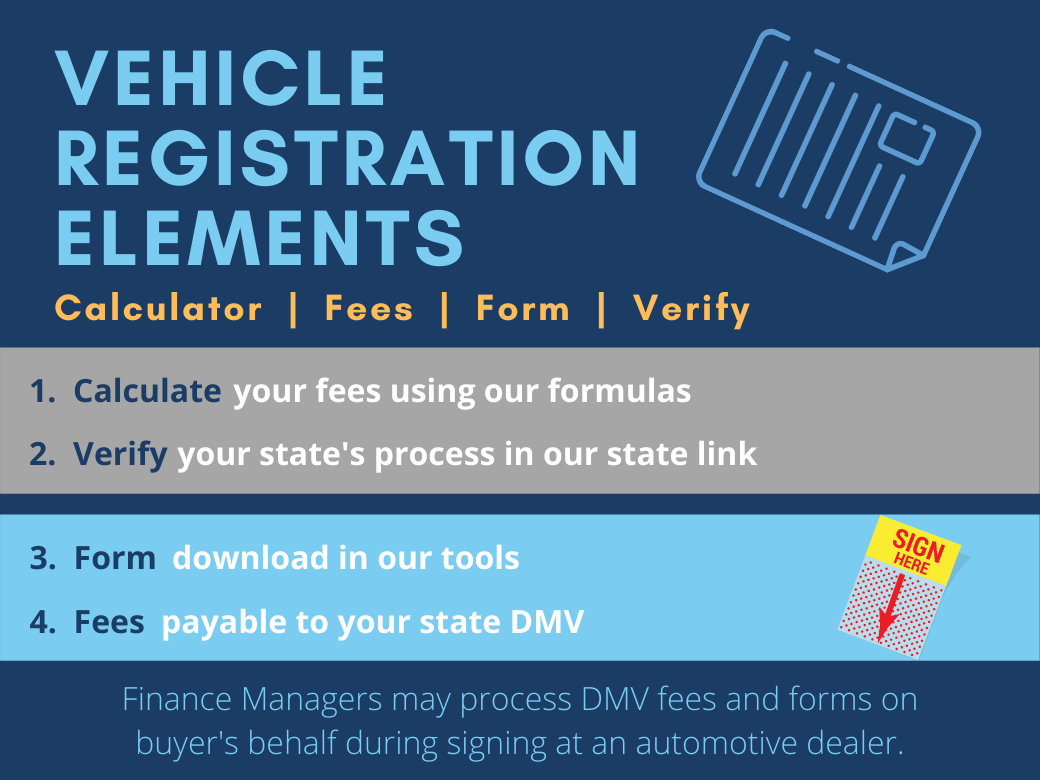
Navigating the Department of Motor Vehicles can often feel like an overwhelming chore, but being prepared makes the process much smoother. By understanding that your registration cost is a combination of the Governmental Services Tax, basic registration fees, potential county-specific supplemental taxes, and the cost of mandatory emissions testing, you can accurately forecast your automotive expenses.
Whether you are enjoying the high-energy lifestyle of Carson City or taking in the quiet beauty of the desert, ensuring your vehicle is properly registered allows you to focus on the journey rather than the paperwork. Keep your documents organized, stay informed about your renewal window, and remember to utilize the official state resources to keep your finances—and your vehicle—in perfect working order.
LifeOutOfTheBox is a participant in the Amazon Services LLC Associates Program, an affiliate advertising program designed to provide a means for sites to earn advertising fees by advertising and linking to Amazon.com. Amazon, the Amazon logo, AmazonSupply, and the AmazonSupply logo are trademarks of Amazon.com, Inc. or its affiliates. As an Amazon Associate we earn affiliate commissions from qualifying purchases.