
Renewing your license plate in Florida is a necessary annual task for every vehicle owner. While it might seem like a straightforward administrative process, understanding the associated costs and factors influencing them can save you time and potential frustration. This guide delves into the specifics of license plate renewal fees in the Sunshine State, offering a clear picture of what to expect and how to navigate the process efficiently.
Understanding the Core Costs of Florida License Plate Renewal
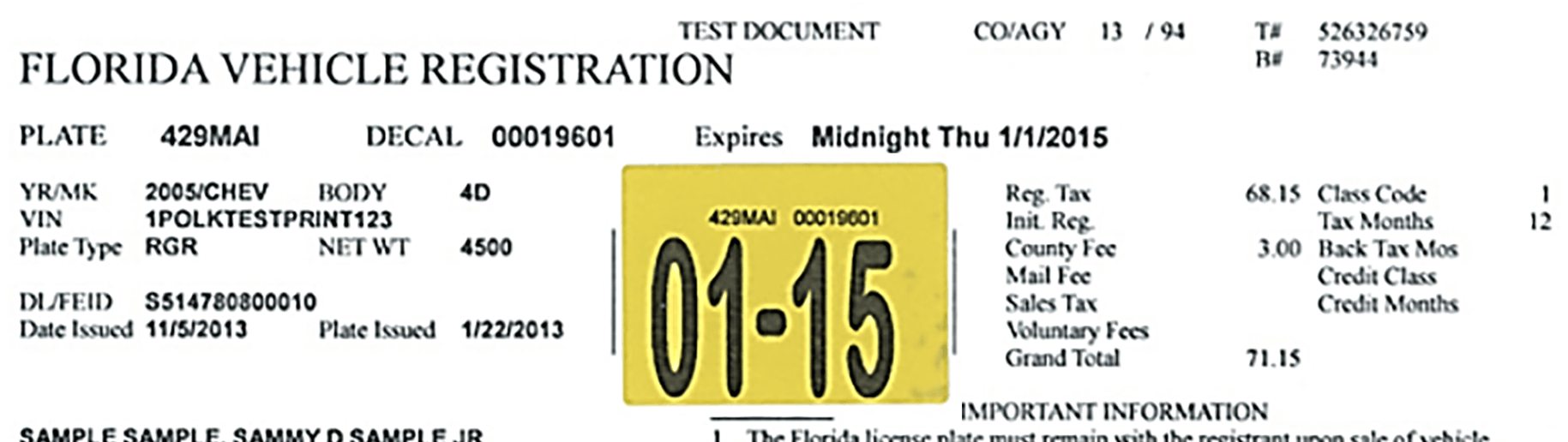
The cost of renewing your Florida license plate isn’t a single, fixed amount. Instead, it’s a compilation of various fees, each contributing to the overall sum. These fees are primarily determined by the type of vehicle you own and its weight.
Vehicle Type and Classification
The most significant determinant of your renewal cost is the type of vehicle you register. Florida categorizes vehicles into several classes, each with its own fee structure.
Passenger Vehicles and Light Trucks
For most Floridians, the primary renewal fee is associated with standard passenger cars and light trucks (typically those weighing under 5,000 pounds). This base fee covers the cost of the physical license plate itself, as well as administrative costs associated with maintaining the state’s vehicle registration system. This fee is generally modest, often falling within the range of $20 to $30 annually for standard plates. However, this is just the starting point.
Motorcycles
Motorcycles typically have a lower renewal fee than passenger vehicles. This reflects the generally lower weight and different registration requirements. The annual cost for a motorcycle renewal is usually around $10 to $15.
Recreational Vehicles and Motorhomes
Larger vehicles, such as recreational vehicles (RVs) and motorhomes, often incur higher renewal fees. These fees are generally calculated based on the vehicle’s weight, as larger vehicles tend to place more wear on public roadways. The cost can vary significantly, but expect it to be higher than standard passenger vehicles, potentially ranging from $50 to over $100 annually, depending on the specific classification and weight.
Commercial Vehicles
Commercial vehicles, including trucks and vans used for business purposes, have a more complex fee structure. These fees are often based on Gross Vehicle Weight (GVW) and the intended use of the vehicle. Commercial plate renewals can be substantially more expensive than those for personal vehicles, reflecting the commercial use and potential impact on infrastructure.
Weight-Based Fees
Beyond the vehicle type, the weight of your vehicle plays a crucial role in determining the renewal cost. For larger vehicles, including trucks, SUVs, and RVs, a weight-based fee is often applied. This fee helps to offset the costs associated with road maintenance and repair, as heavier vehicles contribute more to wear and tear on Florida’s extensive network of roads, from the bustling streets of Miami to the quieter byways of the Florida Keys.
Additional Fees and Surcharges
In addition to the base registration fee determined by vehicle type and weight, Florida imposes several other fees and surcharges that contribute to the final renewal cost. These funds are often earmarked for specific purposes, such as public safety initiatives, infrastructure improvements, or specific state programs.
State Registration Fees and Service Charges
Every license plate renewal includes a state registration fee, which is a fundamental component of the cost. This fee covers the administrative costs of the Florida Department of Highway Safety and Motor Vehicles (FLHSMV) in processing renewals, issuing new registration stickers, and maintaining the state’s vehicle records. You may also encounter small service charges levied by the county tax collector’s office, which handles many of the in-person and online renewal transactions.
Local Option Fees and Discretionary Sales Surtaxes
Some counties in Florida have implemented local option fees or discretionary sales surtaxes that are added to the license plate renewal cost. These funds are typically used to support local transportation projects, such as road construction, bridge maintenance, or public transit improvements within that specific county. The amount of these fees can vary significantly from one county to another. For instance, a renewal in Orlando might include a slightly different set of local fees than one in Tampa.
Specialty Plate Fees

Florida offers a wide array of specialty license plates, often supporting various causes, organizations, or interests. Examples include plates benefiting environmental conservation, wildlife preservation, or educational institutions. While these plates allow drivers to display their support for a particular cause, they typically come with an additional annual fee on top of the standard renewal cost. This fee can range from a few dollars to over $25 annually, depending on the specific plate design and the organization it supports. Popular choices might include plates featuring the Everglades or supporting the University of Florida.
Elective Optional Fees
Some drivers may opt for additional services or features that can slightly increase the renewal cost. This could include choosing a vanity plate, which allows for personalized text, or opting for a specific type of registration sticker. While these are elective, they are worth noting as potential additions to the base fee.
Factors Influencing Your Specific Renewal Cost
Several personal factors and vehicle characteristics will directly influence the final amount you pay to renew your license plate in Florida. Understanding these variables will help you estimate your upcoming renewal cost more accurately.
Vehicle Age and Depreciation
While Florida does not typically have a direct “aging” fee for license plates that increases with time, the initial registration cost of a vehicle is often higher for newer models. However, the renewal fee structure is primarily weight and type-based, so the age of the vehicle itself, as long as it’s not a classic or antique classification with special rules, doesn’t usually add to the annual renewal cost. The initial registration fee for a new vehicle is a one-time expense, whereas renewal fees are recurring.
Existing Liens and Registration Status
If there are any outstanding liens on your vehicle or if your registration is lapsed or suspended, this can complicate the renewal process and potentially incur additional fees. Ensuring your vehicle records are up-to-date and that all previous obligations are met is crucial for a smooth renewal. For example, if your registration has expired, you might face late fees in addition to the standard renewal cost.
Insurance Requirements
While not a direct part of the license plate renewal fee itself, maintaining valid Florida automobile insurance is a prerequisite for renewing your registration. Failure to provide proof of insurance can prevent you from completing the renewal process. The cost of your insurance policy is a separate expense from your license plate renewal, but it is a mandatory aspect of vehicle ownership in Florida, much like planning a vacation to South Beach requires ensuring you have your passport.
Residency and County of Registration
As mentioned earlier, the county in which you register your vehicle can influence the total renewal cost due to local option fees. Your residency status in Florida is also critical; non-residents operating vehicles in the state for extended periods may need to register their vehicles and obtain Florida license plates, subject to specific regulations and fees. This is distinct from tourists visiting popular destinations like Walt Disney World or Universal Orlando Resort.
How to Find Your Exact Renewal Cost and Complete the Process
Knowing the various components of license plate renewal fees is helpful, but determining your precise cost and completing the renewal efficiently is the ultimate goal. Florida offers several convenient methods to achieve this.
Online Renewal Through the FLHSMV Website
The most convenient and widely used method for renewing your Florida license plate is through the official Florida Department of Highway Safety and Motor Vehicles (FLHSMV) website. This online portal allows you to enter your vehicle information, review your renewal notice, and pay the associated fees using a credit or debit card. The system will automatically calculate your specific renewal cost based on your vehicle’s classification, weight, and any applicable local fees or specialty plate surcharges. You will then receive your updated registration sticker by mail.
In-Person Renewal at a County Tax Collector’s Office
For those who prefer face-to-face assistance or wish to pay with cash, visiting your local County Tax Collector’s office is another viable option. You can bring your renewal notice or your current registration information to the office, and staff will assist you in calculating the exact cost and processing your payment. This method is particularly useful if you have complex registration issues or prefer direct interaction. Many counties offer convenient locations across the state, from Jacksonville to Fort Lauderdale.
Mail-In Renewal Option
While less common and generally slower, you can also renew your license plate by mail. Your renewal notice will typically provide instructions and a form to complete. You will need to mail the form along with a check or money order for the exact amount due. It’s advisable to mail your renewal well in advance of the expiration date to ensure you receive your new sticker in a timely manner.
Understanding Your Renewal Notice
Every year, Florida sends out a renewal notice to vehicle owners. This notice is a crucial document as it details your specific renewal fees, including all applicable base charges, local fees, and surcharges for specialty plates. It also provides your renewal identification number (RIN), which is necessary for online renewals, and often includes information about required documentation, such as proof of insurance. Reviewing this notice carefully will give you the most accurate breakdown of your renewal cost. This proactive approach ensures you’re prepared, much like planning your itinerary for a trip to Key West or booking a stay at a resort like the Ritz-Carlton, Naples.
LifeOutOfTheBox is a participant in the Amazon Services LLC Associates Program, an affiliate advertising program designed to provide a means for sites to earn advertising fees by advertising and linking to Amazon.com. Amazon, the Amazon logo, AmazonSupply, and the AmazonSupply logo are trademarks of Amazon.com, Inc. or its affiliates. As an Amazon Associate we earn affiliate commissions from qualifying purchases.