
Navigating the intricacies of vehicle ownership in the Lone Star State involves a crucial annual or biennial task: renewing your vehicle registration. This process, while seemingly routine, can sometimes raise questions about associated costs. Understanding the fees involved, the factors that influence them, and the methods of payment is essential for any Texas driver to ensure compliance and avoid potential penalties. This guide aims to demystify the cost of renewing your registration in Texas, providing a comprehensive overview for vehicle owners across the state.
Understanding the Core Registration Fee
The base fee for renewing your vehicle registration in Texas is determined by the type and weight of your vehicle. This fundamental cost contributes to the state’s general revenue fund and supports various transportation-related initiatives.
Passenger Vehicles and Light Trucks
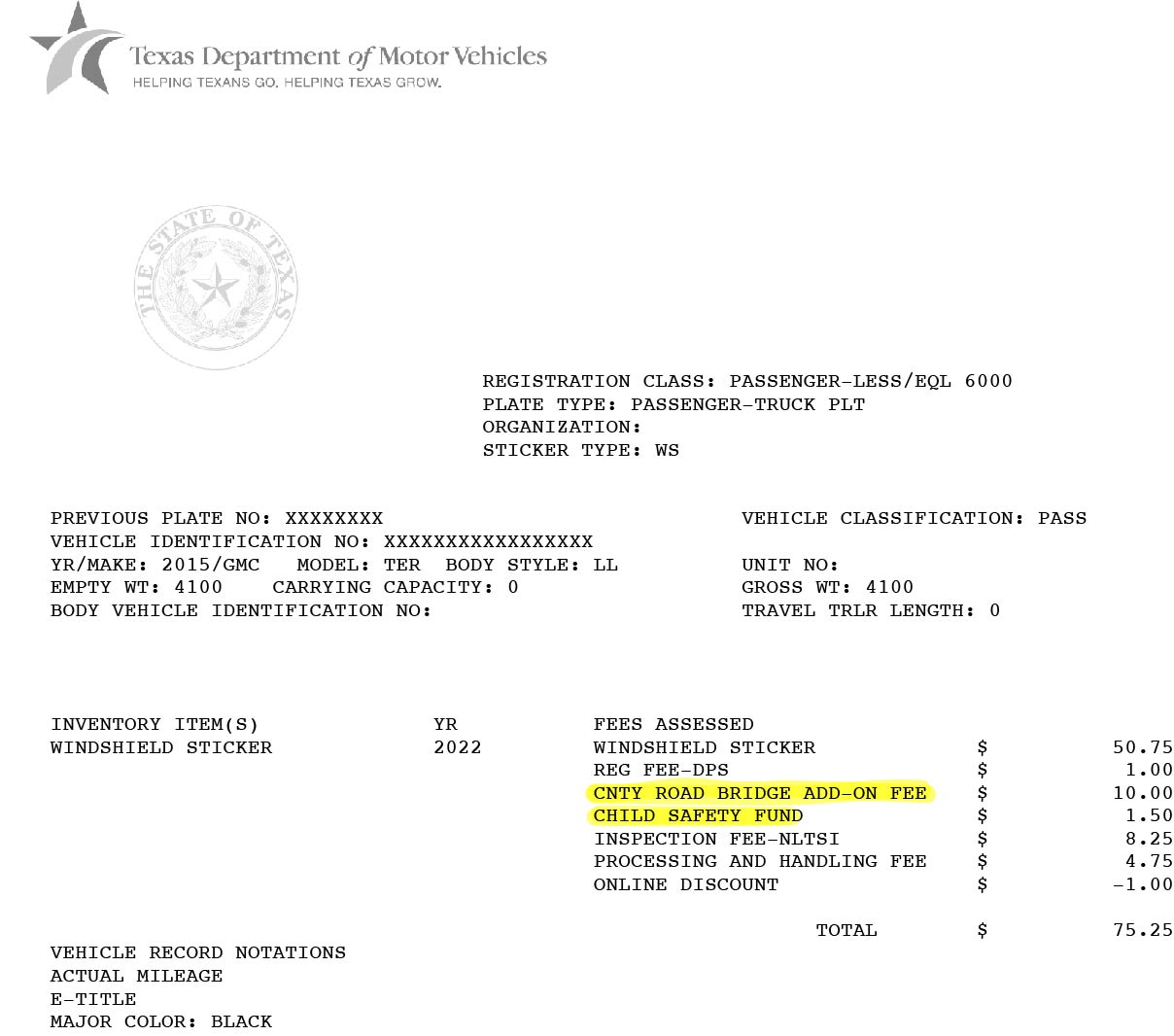
For standard passenger cars and light trucks (those weighing less than 6,000 pounds), the registration fee is relatively straightforward. As of the latest regulations, the base renewal fee is typically around $166.00. This amount covers the basic privilege of operating your vehicle on Texas roadways.
Motorcycles
Motorcycle owners will find their registration fees to be less than those for cars and trucks. The standard renewal fee for a motorcycle is generally in the range of $20.00 to $25.00. This lower cost reflects the different classification and usage of motorcycles compared to larger vehicles.
Heavy Vehicles
For larger vehicles, such as heavy trucks and RVs, the registration fees increase significantly due to their weight. The cost is calculated based on weight classes, with heavier vehicles incurring higher fees. These fees can range from a few hundred dollars to well over a thousand dollars annually, depending on the specific weight of the vehicle. It is advisable to consult the Texas Department of Motor Vehicles (DMV) or your local county tax assessor-collector’s office for the precise fee schedule applicable to your heavy vehicle.
Electric and Hybrid Vehicles
In an effort to encourage the adoption of more eco-friendly transportation, Texas has specific fee structures for electric and hybrid vehicles. While the initial goal was to offset lost gasoline tax revenue, these fees are part of the overall registration cost. The exact amount can vary, but it’s generally higher than a standard gasoline-powered passenger vehicle. For example, electric vehicles might have an additional surcharge on top of the base registration fee.
Additional Surcharges and Fees
Beyond the base registration fee, several other surcharges and fees can be added to your renewal cost. These are often earmarked for specific purposes, such as public safety initiatives, infrastructure improvements, or specialized programs.
Vehicle Inspection Fee
A mandatory annual vehicle inspection is a prerequisite for registration renewal in Texas. While the inspection itself is a separate transaction conducted by an authorized inspection station, a portion of the fee you pay for the inspection is remitted to the state. This fee is typically around $7.50, though it can fluctuate slightly based on the inspection station’s pricing. You will need to present proof of a passing inspection when you renew your registration.
Safety and Security Fee
A portion of your registration fee also contributes to the state’s safety and security initiatives. This fee, often referred to as a “safety and security fee,” is integrated into the overall renewal cost and helps fund programs related to traffic safety and law enforcement.
County and Municipal Fees
Depending on the county and city where you reside, there might be additional small surcharges added to your registration renewal. These fees are typically minor and are used to support local road maintenance, law enforcement, or other municipal services. These can vary significantly from one locality to another. For instance, residents of certain metropolitan areas might see slightly higher totals than those in more rural counties.
State Highway Fund Contribution
A portion of the registration fees collected is directly allocated to the State Highway Fund, which is crucial for the construction and maintenance of Texas’s extensive highway system. This contribution ensures that the roads you drive on are kept in good repair and that new infrastructure projects can be undertaken.
Specialized Plates and Programs
If you opt for specialized license plates, such as those supporting a particular cause, university, or organization, there will likely be an additional fee associated with these. These fees vary widely depending on the design and purpose of the plate. Similarly, participation in specific state programs might incur minor additional costs.
Factors Influencing Your Total Renewal Cost
Several variables can influence the final amount you pay to renew your vehicle registration in Texas. Understanding these factors can help you anticipate the cost.
Vehicle Type and Weight
As previously mentioned, the most significant determinant of your base registration fee is the type and weight of your vehicle. A compact car will cost less to register than a large SUV or a heavy-duty pickup truck.
Age of the Vehicle

In Texas, there is a concept of “appraisal value” for certain vehicles, particularly older ones or those that have undergone significant modifications. However, for the vast majority of standard passenger vehicles, the age itself does not directly alter the base registration fee. The fee structure is primarily based on vehicle classification and weight, not depreciation.
Location of Residence
While the base state registration fees are uniform, the inclusion of local county and municipal fees means that residents of different areas might pay slightly different amounts. Always check with your local county tax assessor-collector for the most accurate figures for your specific address.
Specialized License Plates
Choosing specialty license plates can add anywhere from a few dollars to $50 or more to your annual renewal cost. These plates often support various charities, organizations, or represent specific interests, and the additional fees directly contribute to those causes.
Late Renewal Penalties
Failing to renew your registration on time can result in significant penalties. In Texas, if you renew your registration more than 90 days after the expiration date, you will be required to pay a late penalty fee of $20.00 in addition to the regular renewal fee. If you are more than 90 days late, you will also need to pay the insufficient inspection fee of $10.00, and the registration fee will be $20.00 more than the normal fee. This underscores the importance of timely renewal.
How to Renew and Pay for Your Registration
Texas offers several convenient methods for renewing your vehicle registration and paying the associated fees.
Online Renewal
The most popular and often the easiest method is online renewal. The Texas Department of Motor Vehicles (DMV) provides a secure online portal where you can enter your vehicle information, confirm your details, and pay the required fees using a credit or debit card. This method usually processes quickly, and you can often print a temporary registration certificate immediately. The official website for renewal is tx.gov.
By Mail
You can also renew your registration by mail. Your renewal notice, which you should receive in the mail prior to your expiration date, will include instructions and a mailing address. You will typically need to include a check or money order for the total amount due, along with proof of a valid inspection. It is recommended to mail your renewal well in advance of the expiration date to ensure it is processed on time.
In Person
For those who prefer face-to-face assistance or need to pay with cash, renewing in person at your local county tax assessor-collector’s office is an option. You will need your renewal notice, proof of a valid inspection, and your payment. This method also allows you to ask any questions you might have directly to an agent.
Mobile Stations (Limited Availability)
Some counties may offer mobile or self-service renewal stations, particularly in larger metropolitan areas. These stations often allow you to renew and pay using a kiosk. Check with your local county tax assessor-collector’s office to see if this option is available in your area.
Tips for a Smooth and Cost-Effective Renewal
To ensure a hassle-free and potentially more cost-effective registration renewal experience in Texas, consider these tips:
Renew Before Expiration
The most crucial tip is to renew your registration before it expires. This avoids late penalties, which can significantly increase the total cost. Mark your calendar or set a digital reminder a month or two in advance.
Keep Your Vehicle Inspected
Ensure your vehicle passes its state inspection before you attempt to renew your registration. An expired inspection sticker will prevent you from completing the renewal process. Locate an authorized inspection station in your area and get it done early.
Review Your Renewal Notice Carefully
Your renewal notice provides a detailed breakdown of all fees and surcharges. Review it carefully to understand what you are paying for and to ensure there are no discrepancies.
Consider Specialty Plates Wisely
While specialty plates can be a great way to show your support or personality, be mindful of the additional annual costs. If budget is a primary concern, sticking with standard plates might be a more economical choice.
Keep Your Contact Information Updated
Ensure your mailing address is current with the Texas DMV. This ensures you receive your renewal notices and any important communications from the state.
By understanding the components of your registration renewal cost and utilizing the convenient renewal options available, Texas drivers can efficiently manage this essential aspect of vehicle ownership. Staying informed and proactive will not only save you money by avoiding penalties but also ensure you remain compliant with state laws.
LifeOutOfTheBox is a participant in the Amazon Services LLC Associates Program, an affiliate advertising program designed to provide a means for sites to earn advertising fees by advertising and linking to Amazon.com. Amazon, the Amazon logo, AmazonSupply, and the AmazonSupply logo are trademarks of Amazon.com, Inc. or its affiliates. As an Amazon Associate we earn affiliate commissions from qualifying purchases.