
The logistical dance of transporting perishable goods, particularly high-value items like premium beef, across significant distances is a complex undertaking. When considering shipping beef from the heartland of American cattle country in Kansas to the Pacific Northwest state of Oregon, a multitude of factors come into play. This isn’t merely a matter of postage; it involves specialized handling, temperature control, and careful consideration of carrier services. The cost can vary dramatically, influenced by the quantity, the chosen shipping method, the speed of delivery, and the specific services required for ensuring the integrity of the product from ranch to table.
Factors Influencing Shipping Costs
The price tag attached to shipping beef from Kansas to Oregon is not a fixed sum. It’s a dynamic calculation, with several key variables impacting the final amount. Understanding these elements is crucial for anyone looking to undertake such a shipment, whether for personal consumption, a culinary business, or a gift.
Quantity and Packaging
The volume of beef being shipped is a primary cost driver. A small, vacuum-sealed portion for personal use will have vastly different shipping requirements and associated costs compared to a large shipment of premium cuts destined for a restaurant or a wholesale distributor.
- Small Shipments (Personal/Gift): For quantities suitable for individual consumers or as gifts, most shippers will recommend insulated boxes packed with dry ice or gel packs. The size of the box, the amount of coolant needed, and the weight of the beef itself all contribute to the overall shipping volume and, consequently, the price. Packaging materials designed for food safety and temperature retention are essential and add to the cost.
- Larger Shipments (Commercial): Businesses shipping larger quantities, such as whole primal cuts or finished products, might opt for specialized refrigerated trucks or consolidated freight services. These involve more sophisticated temperature-controlled containers and logistics. The cost per pound often decreases with larger volumes, but the overall expenditure can be substantial.
Shipping Method and Speed
The urgency of delivery significantly impacts the cost. Just as with most parcel services, expedited shipping comes at a premium.
- Standard Ground Shipping: While seemingly the most economical, standard ground shipping for perishable goods like beef is generally not recommended for cross-country journeys. The extended transit times increase the risk of temperature fluctuations and spoilage, even with insulation. If an option, it would likely be the cheapest but also the riskiest.
- Expedited Air Cargo: For time-sensitive shipments, especially those requiring strict temperature control, air cargo is often the preferred method. This involves flying the beef to its destination, which significantly reduces transit time and enhances product safety. However, air freight is considerably more expensive than ground transportation.
- Refrigerated Trucking (LTL/FTL): For bulk shipments, less-than-truckload (LTL) or full-truckload (FTL) refrigerated shipping services are common. These dedicated refrigerated units maintain a consistent, cold environment throughout the journey. LTL involves sharing space with other shipments, while FTL means exclusive use of the truck. The cost here is influenced by mileage, the need for specialized equipment, and the volume of goods.
Carrier Services and Insurance
The choice of shipping carrier and the level of insurance purchased play a vital role in the overall cost. Different carriers have varying price structures, service level agreements, and expertise in handling perishable goods.
- Specialized Perishables Shippers: Companies that specialize in shipping food products often have the most robust infrastructure and experience. They are typically more expensive but offer a higher degree of reliability for perishable items. These might include services like FedEx Custom Critical or UPS Healthcare Logistics.
- General Freight Carriers: Some general freight carriers may offer refrigerated LTL services. While potentially more cost-effective, their experience with highly sensitive perishables might be less extensive.
- Insurance: Insuring a shipment of valuable beef is a wise precaution. The cost of insurance is typically a small percentage of the declared value of the goods. Without adequate insurance, the shipper assumes the financial risk of loss or damage during transit.
Destination Specifics within Oregon
While Oregon is the destination state, the specific city or region within Oregon can also influence delivery costs. Major metropolitan areas like Portland are usually easier and less expensive to deliver to than remote rural locations. Factors such as accessibility for large trucks and the presence of distribution hubs can affect the final price.
Estimating Shipping Costs: A Practical Approach
Given the myriad variables, providing a precise dollar figure without specific details is impossible. However, we can outline a framework for estimating costs and identify the types of services one would likely engage.
For the Individual Consumer
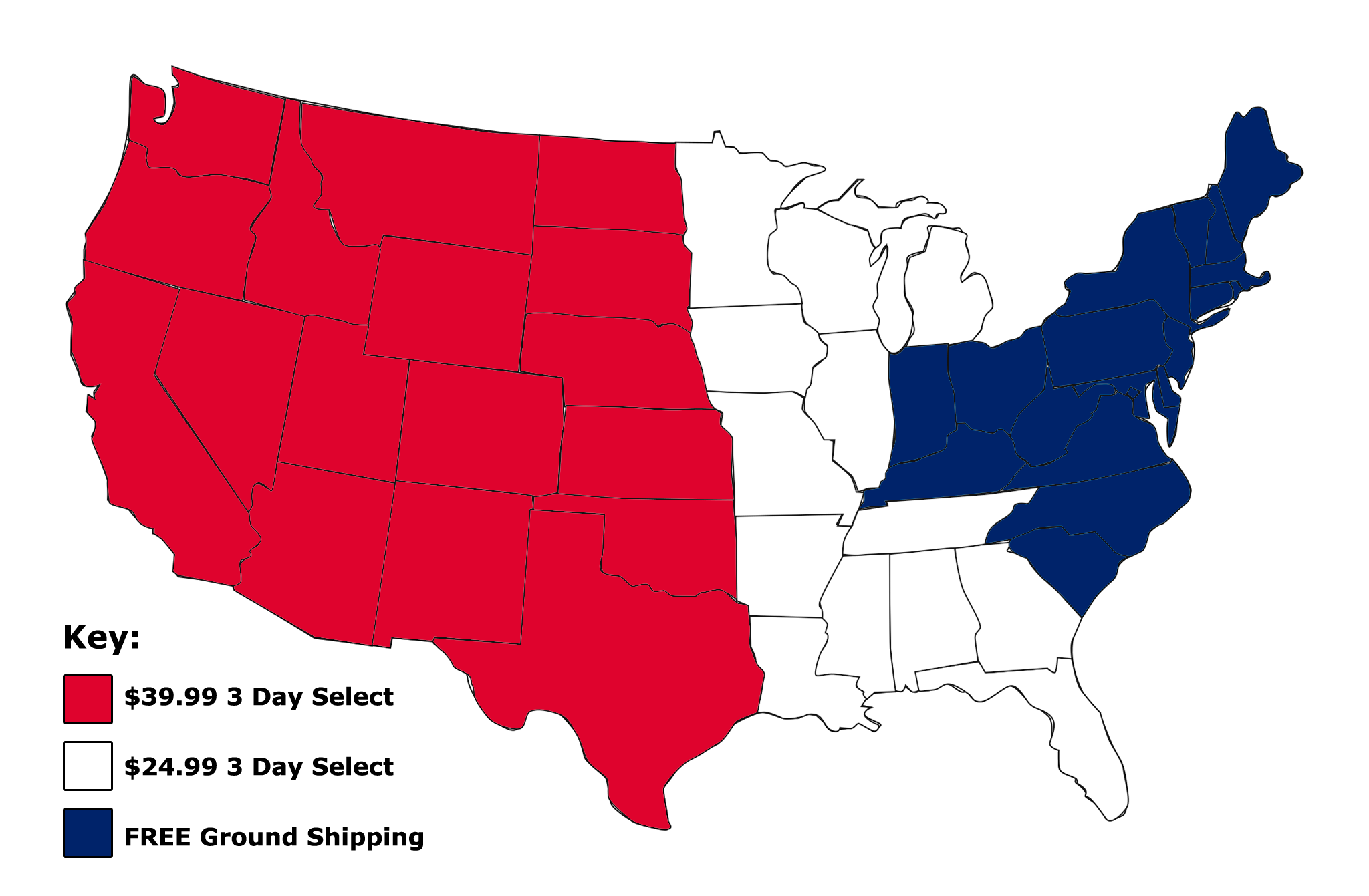
For an individual consumer shipping a moderate amount of beef (e.g., 10-20 pounds) from Kansas to a residential address in Oregon, the most common scenario involves using a national courier service that offers frozen or refrigerated shipping.
- Packaging: Expect to pay between $30-$75 for high-quality insulated boxes, dry ice, or gel packs. This cost is independent of the carrier.
- Carrier Costs: Using a service like FedEx or UPS for expedited shipping (1-2 day delivery) for a 15-20 pound package can range from $150 to $300+. This price is highly dependent on the exact weight, dimensions, and the chosen speed of service.
- Insurance: If insuring the shipment for its value, add a small percentage, typically 1-3%, of the declared value.
Therefore, a rough estimate for a small to medium personal shipment could easily fall between $180 and $400. This highlights that shipping premium beef across the country is an investment in both the product and its safe transport.
For Commercial Shipments
For businesses, the economics shift, with a focus on volume and efficiency.
- LTL Refrigerated Freight: Shipping palletized beef in a refrigerated LTL (less-than-truckload) service from a commercial origin in Kansas to a commercial destination in Oregon would be priced on a per-mile, per-pound basis, with minimum charges. Costs can range from $0.50 to $1.50 per pound, depending on the carrier, lane density, and fuel surcharges. For a few thousand pounds, this could mean several hundred to a few thousand dollars.
- FTL Refrigerated Freight: If a shipment reaches a full truckload (typically 40,000-45,000 pounds of product), contracting an FTL (full-truckload) refrigerated carrier would be more economical per pound. Rates can vary widely but might fall in the $3,000-$7,000 range for the entire truck, depending on the distance and market conditions.
- Specialized Food Logistics Providers: Companies focusing on food distribution might offer consolidated services or specialized cold chain logistics. Their pricing structures are often tailored to the volume and frequency of shipments and may include warehousing and distribution services.
Ensuring Product Integrity: The Cold Chain
Regardless of the shipping method chosen, maintaining the integrity of the cold chain is paramount. This refers to the uninterrupted series of refrigerated production, storage, and distribution activities, which serve to maintain the desired low-temperature range.
Temperature Monitoring
Modern shipping solutions often incorporate temperature data loggers. These devices record the temperature throughout the transit period, providing a verifiable record that the product remained within the safe temperature zone. This is essential for quality assurance and for any potential claims if issues arise.
Packaging for Frozen vs. Refrigerated
The method of preservation during transit depends on whether the beef is being shipped frozen or chilled.
- Frozen: Requires maintaining temperatures below 0°F (-18°C). This typically involves substantial amounts of dry ice or advanced gel packs and robust insulation to prevent thawing.
- Chilled: Requires maintaining temperatures between 28°F and 40°F (-2°C and 4°C). This is more challenging for long-haul shipments via standard parcel services and often necessitates dedicated refrigerated transport.
Choosing the Right Partner for Your Shipment
Selecting the right shipping partner is as critical as selecting the right beef. For individuals, this might mean carefully comparing options from major couriers. For businesses, it involves evaluating freight brokers, 3PL (third-party logistics) providers, and specialized cold chain carriers.
Key Considerations When Selecting a Carrier:
- Experience with Perishables: Do they have a proven track record of shipping frozen or refrigerated goods successfully?
- Temperature Control Capabilities: What measures do they employ to ensure consistent temperatures? Are data loggers available?
- Transit Times and Reliability: How quickly can they deliver, and what is their on-time delivery record?
- Insurance and Liability: What are their policies regarding damaged or lost goods?
- Customer Service: How responsive and helpful is their support team?
Shipping beef from Kansas to Oregon is a logistical undertaking that requires careful planning and a significant budget. By understanding the factors that influence cost and by partnering with reliable carriers, you can ensure your valuable shipment arrives safely and in optimal condition, preserving the quality that makes Kansas beef so renowned.
LifeOutOfTheBox is a participant in the Amazon Services LLC Associates Program, an affiliate advertising program designed to provide a means for sites to earn advertising fees by advertising and linking to Amazon.com. Amazon, the Amazon logo, AmazonSupply, and the AmazonSupply logo are trademarks of Amazon.com, Inc. or its affiliates. As an Amazon Associate we earn affiliate commissions from qualifying purchases.