
Navigating the bustling streets of New York is a quintessential part of the city’s identity. From the neon glow of Times Square to the quiet corners of the Upper West Side, the yellow taxi remains an iconic symbol of urban mobility. However, for visitors and locals alike, the etiquette surrounding gratuities in these vehicles can often feel ambiguous. Understanding the cultural expectations of tipping in the “City That Never Sleeps” is essential for ensuring a seamless travel experience.
The Standard Gratuity Framework in New York City Taxis
In United States culture, tipping is not merely a suggestion; it is a fundamental pillar of the service economy. When you climb into a yellow cab or the increasingly popular green “Boro” taxis, you are entering a service-based environment where the driver’s income is heavily supplemented by customer gratuity.
The 15% to 20% Baseline
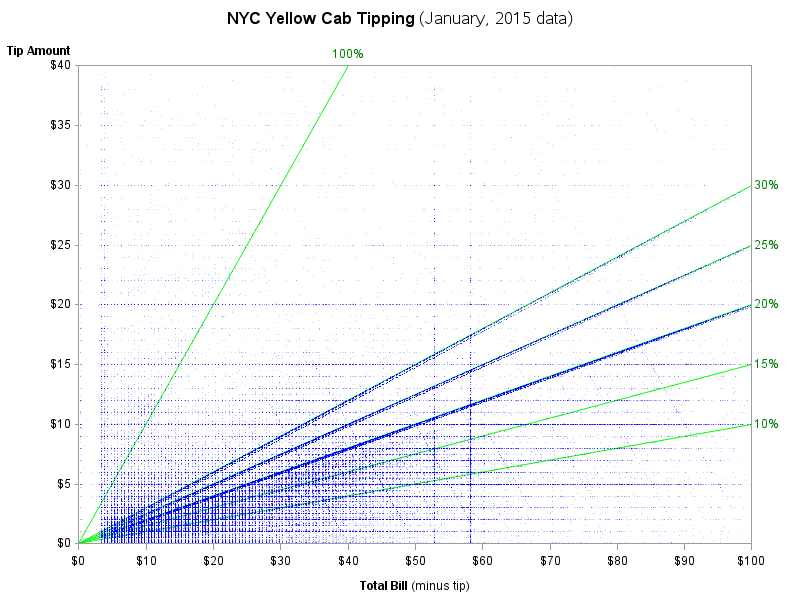
The general rule of thumb for taxi service in New York City is to tip between 15% and 20% of the total fare shown on the meter. If your ride from JFK International Airport to Midtown Manhattan costs $70, a standard tip would range from $10.50 to $14.00.
While 15% is considered the acceptable minimum for a standard, uneventful ride, 20% is the current gold standard for good service. If your driver assists with heavy luggage, navigates through particularly heavy traffic with skill, or provides a clean and comfortable environment, leaning toward the 20% mark or slightly higher is considered polite and appreciated.
Digital Payment Integration
Most modern taxis are equipped with touch-screen monitors that allow for credit card payments. These systems typically provide pre-set tipping options: 20%, 25%, or 30%. While these buttons are convenient, do not feel pressured to select the highest tiers unless the service was exceptional. The buttons are designed to facilitate quick transactions, but you are always free to select “Custom Tip” if you prefer to calculate a specific percentage or round up to a whole dollar amount that aligns with your budget.
Factors Influencing Gratuity Decisions
Determining the exact amount to tip often depends on the specific variables of your journey. While the baseline percentage remains steady, certain factors can influence how much you might choose to leave behind.
Navigating Heavy Traffic
New York City is notorious for its gridlock. If your driver manages to navigate from SoHo to Central Park during rush hour, enduring constant stop-and-go conditions, they have likely put in significant mental effort. Tipping on the higher end of the spectrum is a common way to acknowledge the patience and professional expertise required to maneuver through the city’s densest congestion.

Luggage and Personal Assistance
If you are traveling with large suitcases, shopping bags from Fifth Avenue, or mobility aids, the driver’s role often shifts from navigator to porter. Getting out of the vehicle to help load or unload your items into the trunk is not technically a requirement for the driver, but it is a frequent occurrence. In these instances, adding an extra dollar or two on top of the 20% tip is a considerate gesture for the physical labor provided.
The “Clean and Professional” Expectation
A vehicle that is well-maintained, odor-free, and operated by a driver who adheres to safe driving practices warrants a standard tip. Conversely, if a vehicle is in disarray or the driver displays aggressive behavior, tipping is technically optional. However, it is important to remember that taxi drivers are independent contractors operating in a highly competitive market; tipping is the primary mechanism through which they maintain a living wage in an expensive metropolitan area.
Tipping Etiquette Beyond the Meter
While the percentage-based tip is the industry standard, there are nuances to consider, especially when paying with cash versus credit or navigating flat-rate trips.
Cash vs. Digital Tipping
If you are paying your fare in cash, the common practice is to round up to the nearest whole dollar and add a few extra bills. For example, if the meter reads $16.40, handing over $20 is a standard way to ensure a tip of roughly 20%. If you have exact change, it is acceptable to provide a few dollars on top. Many frequent travelers prefer to tip in cash because it ensures the driver receives the funds immediately. When paying by card, the tip is processed through the payment gateway, which is secure and reliable, though it may be subject to administrative processing cycles for the driver.
Flat-Rate Airport Transfers
Trips to and from major hubs like LaGuardia Airport or Newark Liberty International Airport often involve tolls and surcharges. When calculating your tip, it is standard practice to calculate the percentage based on the subtotal—the cost of the fare itself—rather than the total amount that includes tolls and government-mandated surcharges.
The Subjectivity of Service
Ultimately, tipping remains a reflection of the service provided. If a driver takes a detour that results in a significantly higher fare, or if the interaction is unpleasant, you are not obligated to tip at the top end of the scale. However, it is rare to find a traveler who tips nothing at all, as this is viewed as a significant social breach. In New York City, where the cost of living is high, the act of tipping is essentially a component of the social contract between the service provider and the customer.

Essential Tips for New Visitors
For those arriving in New York City for the first time, the pace of the city can be overwhelming. Keeping a few simple rules in mind will help you maintain your composure and your budget while moving between attractions like the Empire State Building and Brooklyn Bridge.
- Keep Small Denominations: While digital payment is ubiquitous, having a few five-dollar bills on hand is always useful if you decide to pay in cash or want to tip for an extra service rendered.
- Use Mobile Apps: Many yellow cabs are now integrated with apps that allow for seamless payment, including the tip amount. This eliminates the need to do mental math on the spot.
- Safety First: Regardless of the tip, prioritize your safety. Ensure you are entering a licensed taxi and not an unlicensed livery vehicle. Always check that the meter is running when you begin your trip.
- Stay Informed: Awareness of the local culture, such as the expectation of a 20% tip for good service, will help you avoid awkward situations and allow you to focus on enjoying the vibrant energy of Manhattan and the surrounding boroughs.
By following these guidelines, you can approach your New York City taxi experience with confidence. Whether you are heading to a business meeting in the Financial District or a dinner date in Greenwich Village, knowing the tipping etiquette ensures that you contribute to the local economy while rewarding the hard-working individuals who navigate the complex maze of the Big Apple.
LifeOutOfTheBox is a participant in the Amazon Services LLC Associates Program, an affiliate advertising program designed to provide a means for sites to earn advertising fees by advertising and linking to Amazon.com. Amazon, the Amazon logo, AmazonSupply, and the AmazonSupply logo are trademarks of Amazon.com, Inc. or its affiliates. As an Amazon Associate we earn affiliate commissions from qualifying purchases.