
Embarking on a journey to the vibrant heart of New York is an exciting prospect, promising a tapestry of experiences woven from iconic landmarks, diverse cultures, and world-class accommodations. Whether you’re drawn by the allure of a bustling metropolis or the promise of a serene escape, understanding the practicalities of your travel is key to a seamless adventure. Among these practical considerations, the cost of tolls is a significant factor for many, especially those planning a road trip. This guide delves into the various tolling points that might punctuate your drive into New York, offering insights to help you budget effectively and navigate your way with confidence.
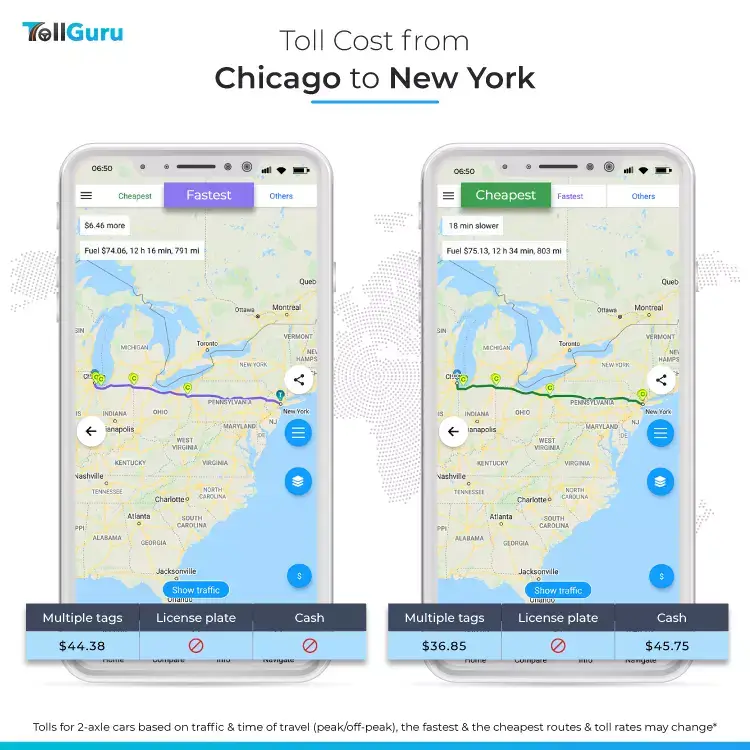
The initial question, “How Much Tolls To New York?”, is more than just a simple financial query; it’s a gateway to understanding the logistics of reaching this captivating destination. For travelers entering the state by car, particularly into the densely populated New York City metropolitan area, tolls are an unavoidable reality. These fees are not arbitrary; they fund essential infrastructure maintenance and development, ensuring the continued flow of traffic and the upkeep of critical bridges and tunnels.
Navigating the Tolls: Bridges, Tunnels, and Beyond
When planning your route to New York, especially if you’re arriving from neighboring states like New Jersey, Pennsylvania, or Connecticut, you’ll likely encounter a network of toll bridges and tunnels. These crossings are not only vital arteries for transportation but also often present breathtaking views of the New York skyline. Understanding the specific tolls associated with these entry points is crucial for accurate travel planning.
Entering New York City: The Gateway Tolls
For most travelers heading into New York City, the primary toll considerations revolve around the crossings into Manhattan, Brooklyn, Queens, and the Bronx. These are often the most significant toll points and can vary depending on the direction of travel and the specific bridge or tunnel used.
The George Washington Bridge
The George Washington Bridge, a colossal structure spanning the Hudson River, is a major gateway for traffic entering Manhattan from New Jersey. If you are traveling eastbound into New York, you will be subject to a toll. The toll rate can fluctuate based on the time of day and whether you utilize an E-ZPass transponder. For those without an E-ZPass, the toll is typically higher, with an image of the license plate being captured for later billing. It’s important to note that the toll is collected only for eastbound travel, meaning westbound travel back into New Jersey is toll-free. The cost of the toll contributes to the maintenance and operation of this vital piece of infrastructure.
The Lincoln Tunnel and Holland Tunnel
Connecting New Jersey to Manhattan, the Lincoln Tunnel and the Holland Tunnel are two other critical, albeit distinct, pathways into the city. Both tunnels carry eastbound traffic into Manhattan and are tolled accordingly. Similar to the George Washington Bridge, the tolls are collected only in the eastbound direction. The rates for these tunnels are also subject to change and can be impacted by the method of payment, with E-ZPass often offering a discounted rate. These engineering marvels are essential for alleviating congestion and providing direct access to the heart of the city.
Verrazzano-Narrows Bridge
For travelers approaching New York City from Long Island or points south of Staten Island, the Verrazzano-Narrows Bridge is the likely entry point. This magnificent suspension bridge connects Staten Island to Brooklyn. The toll is collected for traffic traveling eastbound (into Brooklyn from Staten Island) and westbound (into Staten Island from Brooklyn). This is a key difference from the bridges and tunnels connecting New Jersey to Manhattan, where tolls are typically one-way. The Verrazzano-Narrows Bridge is a substantial toll point and is a critical component of the metropolitan road network.
Queensboro Bridge and Triborough Bridge (RFK Bridge)
While the Queensboro Bridge (also known as the 59th Street Bridge) offers a toll-free passage into Manhattan from Queens, other crossings serving the borough, such as the Robert F. Kennedy Bridge (formerly the Triborough Bridge), do involve tolls. The Robert F. Kennedy Bridge connects Manhattan, Queens, and the Bronx, and tolls are collected for certain directions of travel. Understanding the specific direction and intended borough of arrival is paramount when considering these crossings.
Beyond the City: Tolls in Upstate New York and Surrounding Areas
While New York City is often the primary destination for visitors, the state itself offers a wealth of attractions, from the majestic Niagara Falls to the serene beauty of the Adirondack Mountains. Travel within New York State can also involve tolls, particularly on its extensive network of toll roads and bridges.
The New York State Thruway
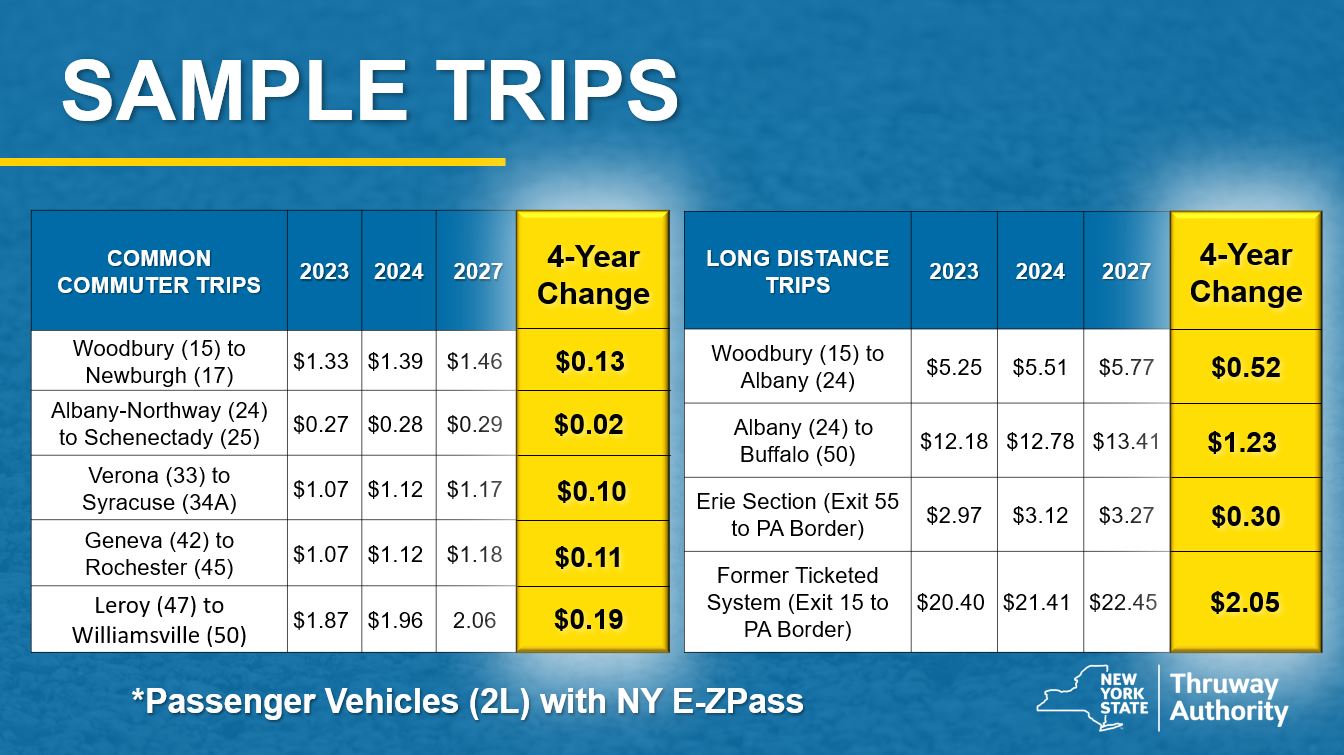
The New York State Thruway is a vast superhighway system that stretches across the state, connecting major cities and regions. This includes portions of Interstate 87 (the Adirondack Northway) and Interstate 90 (the Northeastern Extension). Traveling on the Thruway typically involves paying tolls, which are collected at various toll plazas along the route. The cost of these tolls is generally distance-based, meaning the longer you travel on the Thruway, the more you will pay. For those planning extensive travel within the state, understanding the Thruway’s toll system is essential for budgeting.
Bridges and Tunnels in Other Areas
Beyond New York City and the Thruway, numerous other bridges and tunnels throughout New York State may carry tolls. These can include crossings over rivers, bays, and other waterways, facilitating travel between different regions and counties. Examples might include bridges connecting to Long Island, or crossings further upstate. Researching specific routes and potential crossings is recommended for a comprehensive understanding of your toll expenses.
Optimizing Your Toll Payments: E-ZPass and Other Options
Given the prevalence of tolls, especially around New York City, utilizing an E-ZPass transponder is highly recommended for frequent travelers or those planning multiple crossings. An E-ZPass is an electronic toll collection system that allows you to pay tolls without stopping, by using a small device mounted on your vehicle’s windshield.
The Benefits of E-ZPass
The primary advantage of using an E-ZPass is the cost savings. Tolls for E-ZPass users are almost always lower than the cash rates or the rates for license plate billing. This can lead to significant savings over the course of a trip, especially if you anticipate making several toll crossings. Furthermore, E-ZPass offers convenience, allowing you to bypass toll booths and avoid the need to carry cash. It also reduces the time spent at toll plazas, contributing to a smoother and more efficient journey.
Understanding Your E-ZPass Account
Setting up an E-ZPass account is a straightforward process. You can typically do this online, by mail, or in person. Once your account is established, you’ll need to link it to a payment method, such as a credit card or bank account, for automatic toll payments. The E-ZPass transponder is then mailed to you, ready to be installed in your vehicle. It’s important to keep your account information up to date, including your vehicle registration and contact details, to ensure proper functioning of the system.
Alternatives to E-ZPass
For those who do not have an E-ZPass, New York utilizes various methods for toll collection. For bridges and tunnels into New York City, this often involves cashless tolling. Your license plate is captured, and a bill is mailed to the registered owner of the vehicle. While this system ensures that everyone pays their fair share, the rates can be higher than E-ZPass. It’s crucial to pay these bills promptly to avoid late fees and potential penalties. Some older toll plazas may still accept cash, but this is becoming less common. Always check the specific tolling method for your intended route.
Planning Your Trip: Budgeting for Tolls
The question “How Much Tolls To New York?” can be answered with a degree of accuracy by undertaking some pre-trip planning. The total cost of tolls will depend entirely on your starting point, your chosen route, and the number of toll crossings you encounter.
Estimating Your Toll Costs
To accurately estimate your toll expenses, you can utilize online toll calculators provided by various transportation authorities in New York and neighboring states. These tools allow you to input your starting location, your destination within New York, and your intended route. They will then provide an estimated breakdown of the tolls you can expect to pay. Many navigation apps, such as Google Maps and Waze, also offer toll estimates as part of their route planning features.
Factors Influencing Toll Costs
Several factors can influence the overall cost of tolls:
- Starting Location: The further away you start, the more tolls you are likely to encounter.
- Route Choice: Different routes will involve different bridges, tunnels, and toll roads. Some routes might be slightly longer but offer fewer or cheaper tolls, while others might be more direct but more expensive in terms of tolls.
- Time of Day: While not as common for all tolls, some facilities may have variable pricing based on peak or off-peak hours.
- Vehicle Type: For certain toll roads or bridges, the toll rate might vary based on the vehicle’s size and weight (e.g., cars vs. trucks).
- Payment Method: As discussed, using an E-ZPass generally results in lower toll rates compared to other payment methods.

Budgeting for Accommodation and Experiences
While tolls are a significant part of the travel budget for road trips to New York, it’s also important to factor in other essential expenses. New York offers a wide spectrum of accommodation options, from luxurious resorts and boutique hotels to budget-friendly apartments and villas. Booking your stay in advance, especially during peak tourist seasons, can help secure better rates. The array of attractions, from world-renowned landmarks like the Empire State Building and the Statue of Liberty to vibrant neighborhoods brimming with local culture and culinary delights, also requires consideration in your overall travel budget. Whether you’re planning a lavish lifestyle getaway, a fun-filled family trip, or a pragmatic business stay, understanding the complete cost picture will ensure a stress-free and enjoyable experience in the Empire State.
By carefully considering the toll routes, utilizing tools like E-ZPass, and thoroughly planning your overall travel budget, your journey to New York can be both exciting and financially manageable. The tolls are simply part of the adventure, a small price to pay for the unparalleled experiences that await you in this dynamic and unforgettable destination.
LifeOutOfTheBox is a participant in the Amazon Services LLC Associates Program, an affiliate advertising program designed to provide a means for sites to earn advertising fees by advertising and linking to Amazon.com. Amazon, the Amazon logo, AmazonSupply, and the AmazonSupply logo are trademarks of Amazon.com, Inc. or its affiliates. As an Amazon Associate we earn affiliate commissions from qualifying purchases.