
Flying to Hawaii is often the most significant initial expense in planning a dream island getaway. This archipelago of volcanic islands, renowned for its stunning beaches, lush landscapes, and vibrant culture, attracts millions of visitors annually. However, the allure of paradise comes with a price tag, and understanding the dynamics of flight costs is crucial for any prospective traveler. This comprehensive guide will dissect the various factors that influence airfares to Hawaii, provide typical price ranges, and offer actionable strategies to secure the best possible deal, ensuring your journey to aloha doesn’t break the bank before you even land.
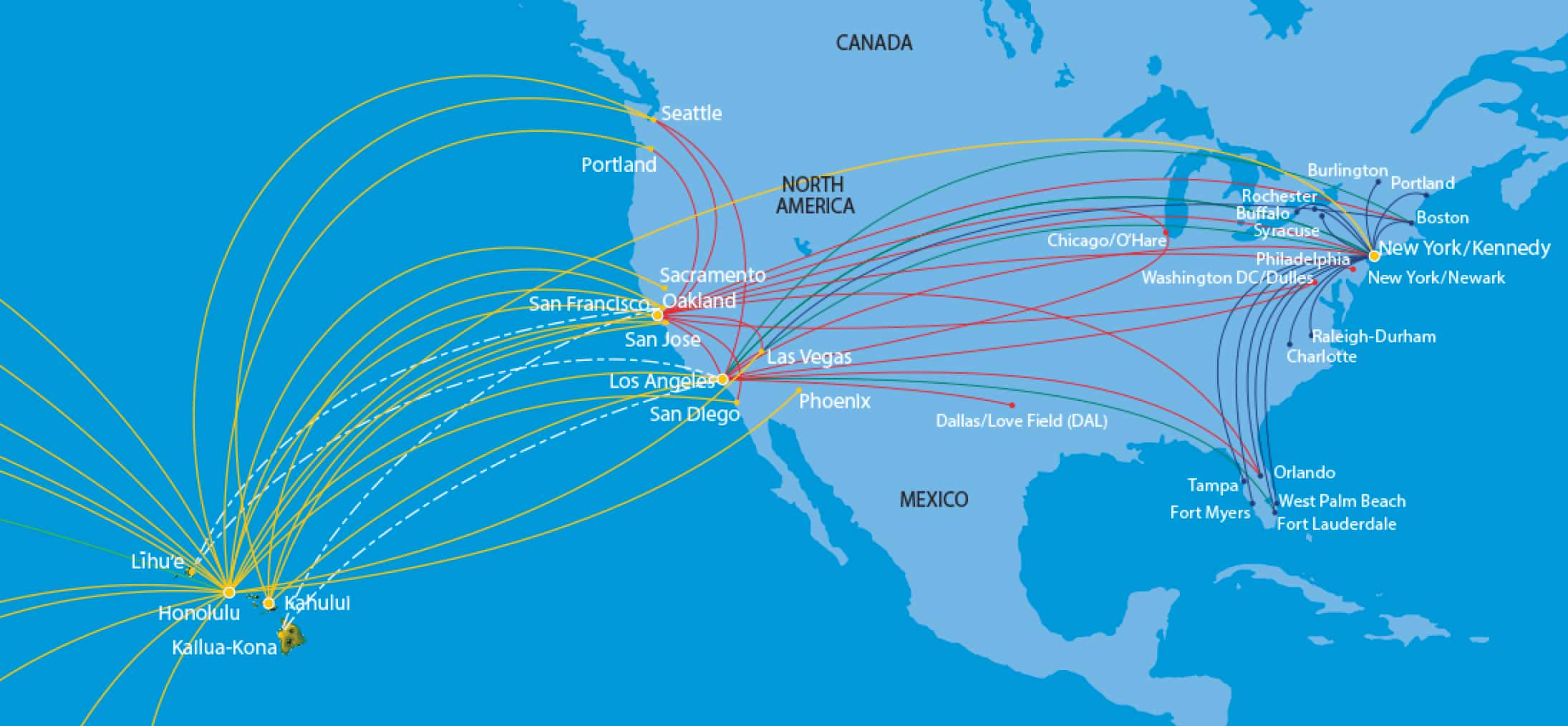
Factors Influencing Flight Prices to Hawaii
The cost of an airline ticket to Hawaii is not static; it’s a dynamic figure influenced by a complex interplay of market forces, demand, and your personal travel choices. Understanding these variables is the first step toward smart booking.
Time of Year: Peak vs. Off-Peak Seasons
The season in which you choose to travel is perhaps the single most impactful factor on flight prices. Hawaii experiences distinct peak and off-peak periods, each dictating demand and, consequently, airfare.
-
Peak Season: This typically includes major holidays and school breaks. Travel during Christmas and New Year’s sees a significant surge in prices, with fares often reaching their absolute highest. Similarly, summer months (June, July, August) and spring break periods (March) are in high demand due to family vacations. During these times, expect to pay a premium for flights, often hundreds of dollars more than shoulder or off-peak rates. Flights around these holidays can easily push into the $800-$1,200+ range for economy from the US mainland, and sometimes considerably higher for premium cabins.
-
Shoulder Season: These periods offer a sweet spot, balancing pleasant weather with more moderate prices. The months of April, May, September, and October are generally considered shoulder seasons. You’ll find fewer crowds and more affordable airfares, typically ranging from $400-$700 round-trip from the West Coast and $600-$900+ from the East Coast. The weather remains excellent, making these ideal times for budget-conscious travelers who still desire a fantastic experience.
-
Off-Peak Season: Generally, the lowest fares can be found during parts of January (after New Year’s rush), February (excluding President’s Day weekend), and November (before Thanksgiving). While still beautiful, these months see fewer tourists and airlines respond with lower prices to stimulate demand. Flights from the West Coast can occasionally dip below $300 round-trip during significant sales, while flights from further east might range from $500-$800. Flexibility with your travel dates during these times can yield substantial savings.
Booking Window: The Advance Purchase Advantage
When you book your flight can be almost as important as when you fly. Airlines utilize complex algorithms to adjust prices based on demand, historical data, and remaining seat availability.
-
The Sweet Spot: For flights to Hawaii, the optimal booking window is generally considered to be 2 to 4 months in advance. This timeframe often provides a balance between early bird discounts and the rising prices that occur as departure dates approach. Booking too far in advance (e.g., 9-12 months out) can sometimes mean paying higher initial prices before sales or competitive pricing kicks in.
-
Last-Minute Bookings: Unless you stumble upon a rare flash sale or error fare, booking flights to Hawaii within a few weeks of departure is almost always more expensive. Airlines capitalize on the urgency of last-minute travelers, driving prices sky-high. Avoid this scenario if possible, especially during peak seasons.
Departure City and Flexibility
Your originating airport plays a significant role in flight costs. Flights from major airline hubs tend to be more competitive due to increased competition and flight volume.
-
Major Hubs vs. Smaller Airports: Travelers departing from major US cities like Los Angeles, San Francisco, Seattle, Denver, Chicago, and Dallas often find the most direct routes and competitive pricing. Flying from smaller regional airports usually entails connecting flights, which can increase both travel time and cost.
-
Flexibility with Airports: If you live near multiple airports, check fares from all of them. Sometimes, driving an extra hour to a larger hub can save you hundreds of dollars. Similarly, consider flying into different Hawaiian Islands. While Honolulu ( Oahu) is often the cheapest gateway, occasionally Kahului ( Maui) or Kona ( Big Island) might offer a better deal, especially if you plan to island-hop anyway.
Airline Choice and Cabin Class
The airline you select and the level of service you desire directly impact the price.
-
Budget vs. Full-Service Carriers: Airlines like Southwest Airlines and Allegiant Air (though less common for Hawaii from the East Coast) might offer lower base fares, but be mindful of their fees for baggage, seat selection, and other amenities. Traditional carriers such as United Airlines, Delta Air Lines, American Airlines, and Hawaiian Airlines often include some of these services, which might make their slightly higher base fares a better value in the long run.
-
Cabin Class:
- Economy: The most common and affordable option.
- Premium Economy: Offers more legroom, wider seats, and enhanced service for a moderate price increase (often 1.5-2x economy).
- Business/First Class: Provides lie-flat seats, gourmet meals, lounge access, and priority services, but comes at a significant premium (3-5x or more than economy).
Typical Price Ranges for Flights to Hawaii
While prices fluctuate constantly, understanding general ranges can help you budget effectively and recognize a good deal when you see one. These estimates are for round-trip fares.
Economy Class from Major US Cities
The United States mainland is the primary origin point for most travelers to Hawaii. Prices vary significantly based on distance.
-
From the West Coast (Los Angeles, San Francisco, Seattle):
- Budget/Off-Peak: $300 – $500
- Average/Shoulder Season: $500 – $750
- Peak Season/Last Minute: $750 – $1,200+
- Deals under $300 are rare but happen during deep sales.
-
From the Midwest (Chicago, Dallas, Denver):
- Budget/Off-Peak: $500 – $700
- Average/Shoulder Season: $700 – $1,000
- Peak Season/Last Minute: $1,000 – $1,500+
- These flights almost always involve at least one connection.
-
From the East Coast (New York, Boston, Miami):
- Budget/Off-Peak: $600 – $900
- Average/Shoulder Season: $900 – $1,300
- Peak Season/Last Minute: $1,300 – $2,000+
- Direct flights are rare and expensive; most will have one or more connections, significantly increasing travel time.
Beyond Economy: Premium Options
For those seeking enhanced comfort, especially on such a long journey, premium cabins offer a different experience.
- Premium Economy: Expect to pay roughly $800-$1,500 from the West Coast, and $1,200-$2,500 from the East Coast for a round-trip ticket during shoulder seasons. Peak season prices can push these figures even higher.
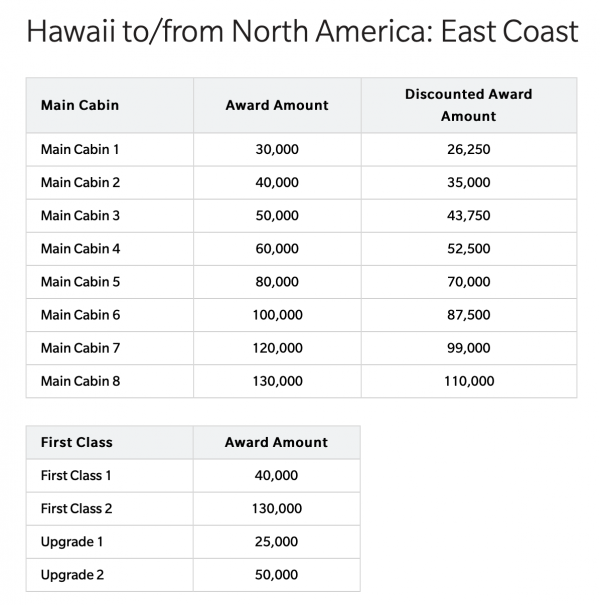
- Business/First Class: These luxury options typically range from $2,500-$5,000+ from the West Coast and $4,000-$8,000+ from the East Coast for a round-trip. While expensive, they offer unparalleled comfort and service, making the long journey far more enjoyable. Savvy travelers might find deals using points and miles, or by watching for sales that occasionally reduce these fares.
Inter-island Flights
If your Hawaiian adventure involves visiting multiple islands, remember to factor in the cost of inter-island flights. These are separate from your mainland ticket. Airlines like Hawaiian Airlines and Southwest Airlines operate frequent routes between major Hawaiian Islands like Oahu, Maui, Kauai, and Big Island. A round-trip inter-island flight typically costs between $70-$150, but can occasionally be found for less during sales or more if booked last minute.
Strategies to Save Money on Flights to Hawaii
Securing an affordable flight to Hawaii requires diligence and a strategic approach. Here are proven methods to minimize your airfare expenses.
Utilizing Flight Comparison Websites
The digital age has made comparing flight prices easier than ever. Leverage these tools to your advantage.
- Google Flights: This is often the first stop for many travelers due to its robust calendar view, price graph, and ability to track prices for specific routes. It’s excellent for visualizing when prices are lowest over several months.
- Skyscanner: Known for its “everywhere” search function and flexible date options, Skyscanner can help you pinpoint the cheapest time to fly if your dates are truly open.
- Kayak and Expedia: These sites aggregate data from numerous airlines and online travel agencies, offering a broad view of available fares. They can also be useful for bundling flight and hotel packages.
- Hopper: This app predicts future flight prices with reasonable accuracy, advising you whether to “buy now” or “wait.”
Setting Price Alerts and Being Flexible
Proactive monitoring and adaptability are key virtues in the pursuit of cheap flights.
- Set Price Alerts: Almost all flight comparison websites and apps allow you to set alerts for specific routes. You’ll receive email notifications when the price drops, ensuring you don’t miss a good deal.
- Be Flexible with Dates: If your schedule allows, consider flying on Tuesdays, Wednesdays, or Saturdays, which are often the cheapest days to depart. Mid-week flights are typically less expensive than weekend departures.
- Consider Red-Eye Flights: While less comfortable, red-eye flights (departing late at night and arriving early morning) can sometimes be significantly cheaper due to lower demand.
- Consider Layovers: Direct flights are convenient, but flights with one or more layovers are almost always cheaper. If time isn’t a critical constraint, a longer travel day can translate into substantial savings.
Loyalty Programs and Credit Card Points
For frequent travelers, leveraging loyalty programs and travel credit cards can dramatically reduce or even eliminate flight costs.
- Airline Miles: Accumulate miles through an airline’s loyalty program by flying with them or their partners. These miles can be redeemed for flights, upgrades, or other travel perks.
- Travel Credit Cards: Many credit cards offer generous sign-up bonuses (e.g., 50,000-100,000 points) that can be enough for a round-trip flight to Hawaii, especially from the West Coast. Look for cards that earn transferable points (like Chase Ultimate Rewards, Amex Membership Rewards) that can be transferred to various airline partners, providing greater flexibility.
- Utilize Companion Passes: Certain credit cards or airline programs offer companion passes, allowing a second traveler to fly for free or for a minimal fee when you purchase a ticket.
Considering Package Deals
Sometimes, bundling your flight with accommodation or a car rental can result in overall savings, even if the flight component isn’t individually the absolute lowest. Online travel agencies (OTAs) like Expedia, Orbitz, and Travelocity frequently offer these types of packages. Do the math to ensure it’s truly a better deal than booking each component separately.
Hidden Costs and Considerations
Beyond the base airfare, several other expenses can add up, impacting the true cost of flying to Hawaii. Being aware of these helps in creating a realistic travel budget.
Baggage Fees
Many airlines, especially budget carriers, charge for checked luggage. Even some full-service airlines now charge for the first checked bag on economy fares.
- Checked Bags: Expect to pay $30-$40 per checked bag per flight segment. A round-trip journey with one checked bag can add $60-$80 to your total.
- Carry-on Restrictions: While carry-ons are generally free, some budget airlines impose fees or have strict size/weight limits. Always check your airline’s specific baggage policy before packing.
Seat Selection Fees
Unless you’re flying in a premium cabin or have elite status with an airline, selecting a specific seat (especially one with extra legroom or near the front) often incurs an additional fee, typically $10-$50 per segment. If you don’t pay, you’ll be assigned a seat at check-in.
In-flight Amenities
While full-service airlines may offer complimentary meals and basic entertainment on long-haul Hawaii flights, many still charge for premium snacks, alcoholic beverages, and Wi-Fi access. Factor these small expenses into your budget if you anticipate using them.
Ground Transportation Upon Arrival
The cost of your flight doesn’t end at landing. You’ll need a way to get from the airport to your accommodation.
- Car Rentals: Hawaii is a destination where a rental car is highly recommended for exploring most islands. Rental prices can range from $50-$150+ per day, depending on the season, demand, and vehicle type. Book well in advance, especially during peak times.
- Shuttles/Taxis/Ride-Shares: If you’re staying near the airport or in a major tourist area like Waikiki, shuttles (e.g., Roberts Hawaii), taxis, or ride-share services ( Uber, Lyft) are options. Expect to pay $20-$60 for airport transfers, depending on distance and service.

Travel Insurance
While not directly part of the flight cost, travel insurance is a crucial consideration for such a significant trip. It protects your investment against unforeseen events like flight cancellations, medical emergencies, or lost luggage. Policies vary widely but can add 4-10% of your total trip cost.
In conclusion, the cost of flying to Hawaii is a variable figure, ranging from a lucky low of $300 to a premium high of over $2,000 for an economy round-trip from the US mainland. By understanding the factors influencing prices, employing smart booking strategies, and accounting for potential hidden costs, you can significantly reduce your travel expenses. With careful planning and a bit of flexibility, your dream Hawaiian vacation can be an affordable reality, paving the way for unforgettable memories in paradise.
LifeOutOfTheBox is a participant in the Amazon Services LLC Associates Program, an affiliate advertising program designed to provide a means for sites to earn advertising fees by advertising and linking to Amazon.com. Amazon, the Amazon logo, AmazonSupply, and the AmazonSupply logo are trademarks of Amazon.com, Inc. or its affiliates. As an Amazon Associate we earn affiliate commissions from qualifying purchases.