
California, the Golden State, is a dream destination for many. Renowned for its diverse landscapes, vibrant cities, and iconic landmarks, it beckons travelers and those seeking a permanent change of scenery. From the sun-drenched beaches of Southern California to the majestic redwood forests of the north, the allure is undeniable. However, when considering a move or an extended stay, the question of cost is paramount. This article delves into the financial realities of living in California, exploring the key expenditure categories that contribute to the overall cost of living, and offering insights for both short-term visitors and long-term residents.
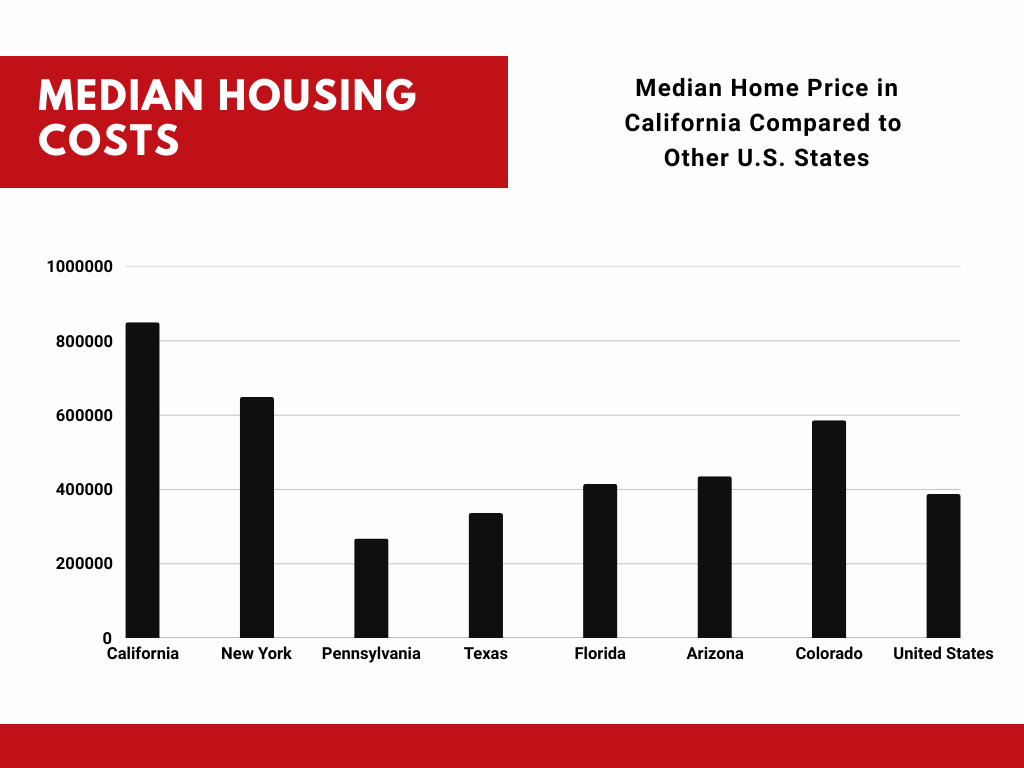
The cost of living in California is notoriously higher than the national average, a fact that often surprises those not familiar with the state’s economic landscape. This elevated expense is driven by a confluence of factors, including a robust economy, high demand for housing, and a generally higher cost of goods and services. For potential residents, understanding these costs is crucial for effective budgeting and realistic planning. Whether you’re envisioning a luxury getaway in Beverly Hills or a more budget-conscious exploration of Northern California, grasping these financial nuances will enhance your experience.
Housing: The Biggest Piece of the Pie
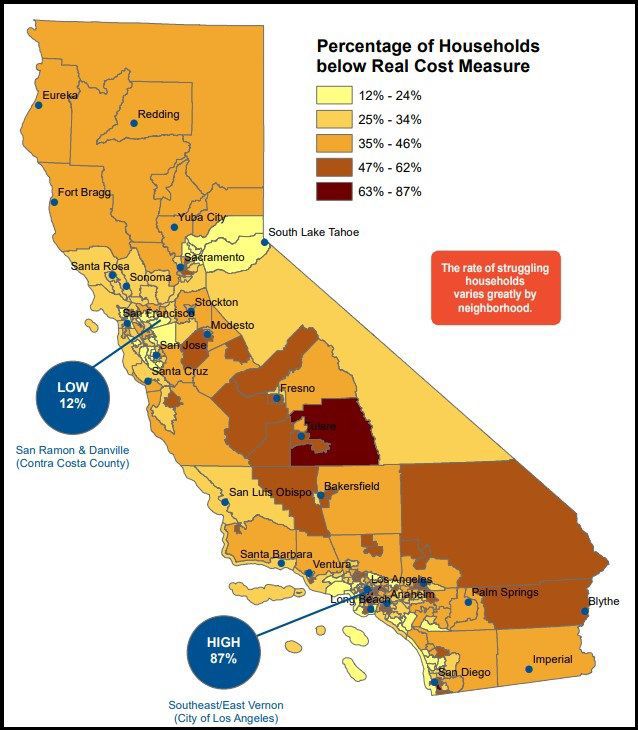
When discussing the cost of living in California, housing invariably emerges as the most significant expenditure. The sheer diversity of living arrangements, from lavish resorts to modest apartments, means that costs can fluctuate dramatically. However, even at the lower end of the spectrum, housing in California commands a premium.
Renting vs. Buying: A Tale of Two Costs
The decision between renting and buying a home is a fundamental one, and in California, both options come with a substantial price tag.
Renting in California
For those opting to rent, the cost will heavily depend on the city and the type of accommodation. Major metropolitan areas like Los Angeles and San Francisco consistently rank among the most expensive rental markets in the country. A one-bedroom apartment in the heart of San Francisco can easily exceed $3,000 per month, while a similar unit in a less central neighborhood might be closer to $2,000. In Los Angeles, rents can vary just as widely, with desirable areas like Santa Monica or West Hollywood demanding higher prices than areas further inland.
Even in smaller cities or more suburban areas, rental prices remain elevated. For instance, a two-bedroom apartment in a city like San Diego could range from $2,500 to $3,500 per month. The type of apartment also plays a role; a modern studio in a building with amenities like a gym and pool will naturally cost more than a more basic unit in an older complex. For travelers seeking short-term stays, serviced apartments or vacation rentals can offer a comfortable alternative to hotels, but these often come with a higher per-night rate that can quickly add up. Websites specializing in accommodation comparison can be invaluable for finding suitable options across the state, from boutique hotels in Carmel-by-the-Sea to villas in Palm Springs.
Buying Property in California
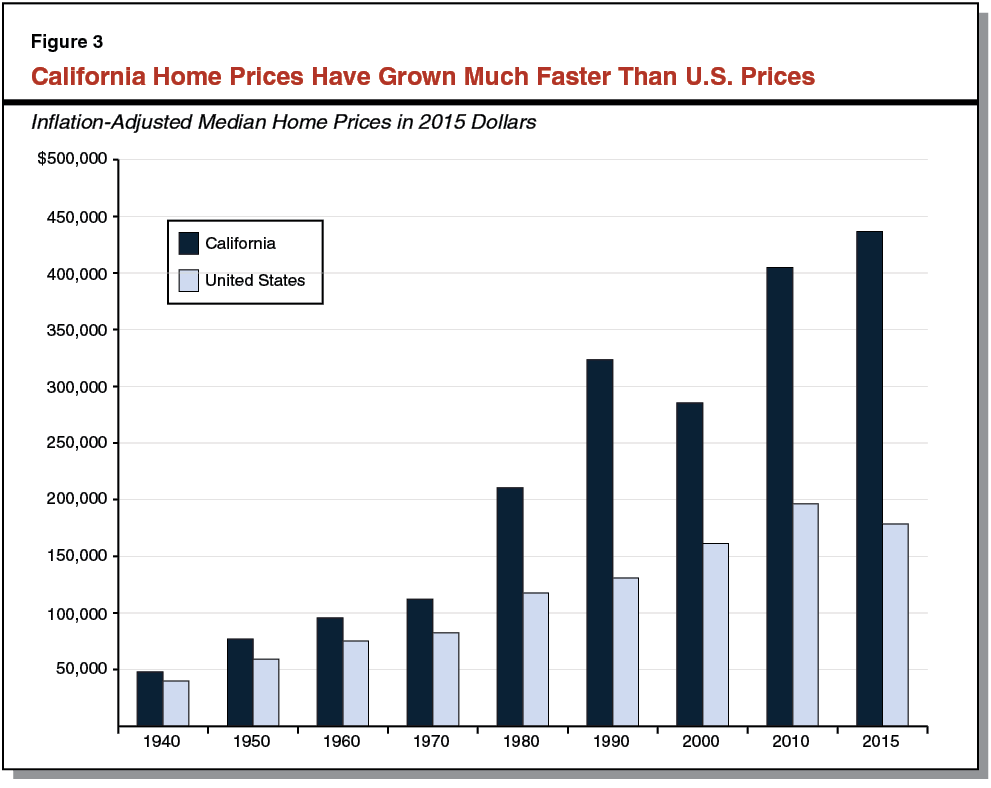
Buying a home in California is an even more significant financial undertaking. Median home prices in the state have soared, making homeownership a distant dream for many. In San Francisco, the median home price can reach well over $1 million, with many single-family homes costing several million dollars. Los Angeles is not far behind, with median home prices also frequently surpassing the $1 million mark. Even in more affordable regions, such as parts of the Inland Empire or certain rural areas, home prices can still be higher than the national average.
When considering the cost of buying, it’s essential to factor in not only the purchase price but also property taxes, homeowners insurance, and potential mortgage interest. These ongoing costs can add thousands of dollars to your annual expenses. For those considering a long-term stay or investment, exploring different types of properties, such as condos or townhouses, might offer a more accessible entry point into the California real estate market. Researching local real estate trends and consulting with real estate agents familiar with specific regions like the Silicon Valley or the Orange County is highly recommended.
Daily Living Expenses: Beyond Rent and Mortgages
While housing is a major determinant of the cost of living, everyday expenses also contribute significantly to the overall financial picture in California. These costs encompass food, transportation, utilities, and entertainment, all of which can be influenced by the state’s economic climate and consumer demands.
Food and Groceries: A Taste of California Living
The cost of food in California is generally higher than the national average. This is partly due to transportation costs for goods and higher labor costs. However, California is also known for its abundant agricultural output, offering access to fresh, local produce, which can sometimes mitigate costs if shopping at farmers’ markets or directly from producers.
A weekly grocery bill for a single person can range from $100 to $150, depending on dietary habits and where one shops. Eating out frequently will, of course, increase this figure considerably. A casual meal at a restaurant in Los Angeles might cost $20-$30 per person, while a more upscale dining experience in a city like San Francisco or Napa Valley could easily run into $100 or more per person. The diverse culinary scene in California offers everything from budget-friendly street food to Michelin-starred establishments, catering to all preferences and budgets, but impacting costs accordingly.
Transportation: Navigating the Golden State
Transportation costs in California can vary greatly depending on personal circumstances and location. Owning a car is common in many parts of the state, particularly outside the major urban centers. The cost of gasoline, insurance, and vehicle maintenance are all factors to consider. California has some of the highest gas prices in the nation.
Public transportation systems exist in major cities like San Francisco (with its iconic Cable Cars), Los Angeles, and San Diego, offering a more budget-friendly alternative to car ownership. However, the efficiency and reach of public transport can vary significantly across different regions. For those who prefer not to own a car, ride-sharing services are widely available. For visitors, renting a car is often necessary for exploring attractions outside of city centers, such as visiting Yosemite National Park or driving the scenic Pacific Coast Highway. Travel guides often provide tips on the most economical ways to get around different regions of California.
Utilities and Other Necessities
Essential utilities such as electricity, gas, water, and internet also contribute to the monthly cost of living. In California, these costs can be influenced by factors like climate (air conditioning in the south, heating in the north), energy prices, and the size and efficiency of your dwelling. A monthly utility bill for an apartment can range from $150 to $300 or more.
Other recurring expenses include healthcare, personal care items, and clothing. California generally has a higher cost for healthcare services, and insurance premiums can also be substantial. For budget travelers, packing smart and utilizing local discount stores can help manage the cost of clothing and personal items.
Lifestyle and Entertainment: Experiencing California on Any Budget
California offers an unparalleled array of lifestyle and entertainment options, catering to every taste and budget. From world-renowned theme parks and cultural attractions to natural wonders and vibrant nightlife, there’s always something to do.
Attractions and Activities: From Theme Parks to Nature Trails
The state is home to iconic landmarks and attractions that draw millions of visitors each year. Visiting Disneyland in Anaheim, the Golden Gate Bridge in San Francisco, or the Hollywood Walk of Fame in Los Angeles all come with associated costs, typically in the form of admission fees or tickets. A day at Disneyland can cost upwards of $100 per person.
However, California also boasts an abundance of free or low-cost activities. Hiking in the Sierra Nevada mountains, exploring the beaches of Malibu, or visiting free museums on specific days can provide enriching experiences without breaking the bank. The state’s diverse natural beauty, from the deserts of Joshua Tree National Park to the redwood forests, offers endless opportunities for exploration and adventure, often at minimal cost.
Accommodation Options for Every Traveler
When it comes to accommodation, California offers a vast spectrum of choices, aligning with different travel styles and budgets. For those seeking a luxurious experience, world-class resorts and boutique hotels abound. Imagine staying at a five-star resort in Santa Barbara or a chic boutique hotel in San Francisco‘s Union Square. These options provide premium amenities and services, but naturally come with a higher price tag.
On the other end of the spectrum, budget-conscious travelers can find affordable lodging in the form of motels, hostels, and vacation rentals. Many travelers also opt for apartment rentals for longer stays, providing a more home-like experience and the ability to cook meals, thus saving on dining expenses. Websites that facilitate booking, reviews, and comparison of accommodation options are invaluable tools for finding the perfect stay, whether it’s a cozy cabin in Lake Tahoe or a stylish apartment near the Santa Monica Pier.
Budgeting for Luxury vs. Budget Travel
The lifestyle one chooses to adopt in California will significantly influence spending. Luxury travel in California can involve stays at exclusive resorts like the Ritz-Carlton Bacara, Santa Barbara, fine dining, private tours of vineyards in Napa Valley, and exclusive shopping experiences in Beverly Hills. Such a lifestyle can easily amount to thousands of dollars per week.
Conversely, budget travel focuses on maximizing experiences while minimizing costs. This might involve staying in hostels or budget-friendly hotels, utilizing public transportation or walking, enjoying picnics with groceries from local markets, and seeking out free attractions and activities. Family trips might involve a mix of theme park visits and outdoor adventures, requiring careful planning to balance costs and entertainment. Business stays might prioritize convenient locations and essential amenities, with costs varying based on the city and the type of hotel.
In conclusion, the cost of living in California is undeniably high, driven primarily by housing expenses. However, with careful planning, research, and an understanding of the diverse options available for accommodation, food, transportation, and entertainment, it is possible to navigate the Golden State on various budgets. Whether you’re planning a short vacation to explore its iconic landmarks or considering a more permanent move, informed financial decisions will pave the way for an enjoyable and rewarding experience in California.
LifeOutOfTheBox is a participant in the Amazon Services LLC Associates Program, an affiliate advertising program designed to provide a means for sites to earn advertising fees by advertising and linking to Amazon.com. Amazon, the Amazon logo, AmazonSupply, and the AmazonSupply logo are trademarks of Amazon.com, Inc. or its affiliates. As an Amazon Associate we earn affiliate commissions from qualifying purchases.