
For many travelers and residents alike, the rolling plains of Oklahoma evoke images of rugged beauty, vast horizons, and the undeniable power of nature. Known as the heart of “Tornado Alley,” this state is synonymous with severe weather events that have captivated meteorologists and adventure seekers for generations. Understanding the frequency and seasonality of tornadoes in this region is essential for anyone planning a visit or considering a long-term stay in the Sooner State.
The Seasonal Rhythm of Storms in the Southern Plains
The frequency of tornadoes in Oklahoma is not uniform throughout the year. Instead, it follows a distinct meteorological pattern dictated by the collision of warm, moist air from the Gulf of Mexico and cool, dry air from the Rocky Mountains.
Peak Season Dynamics
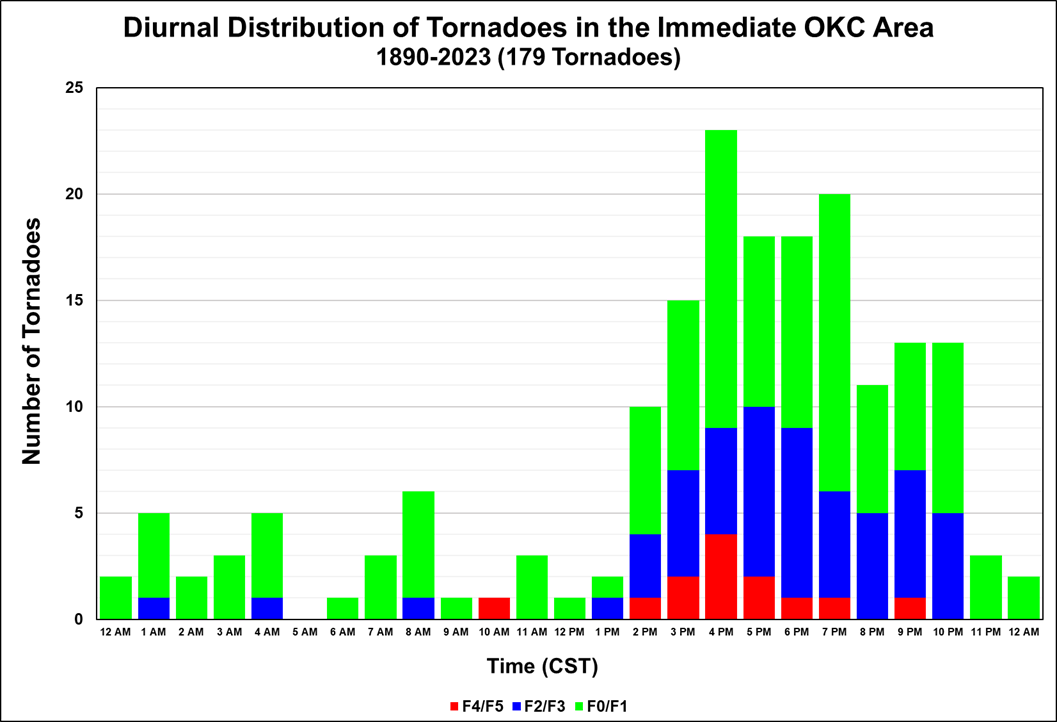
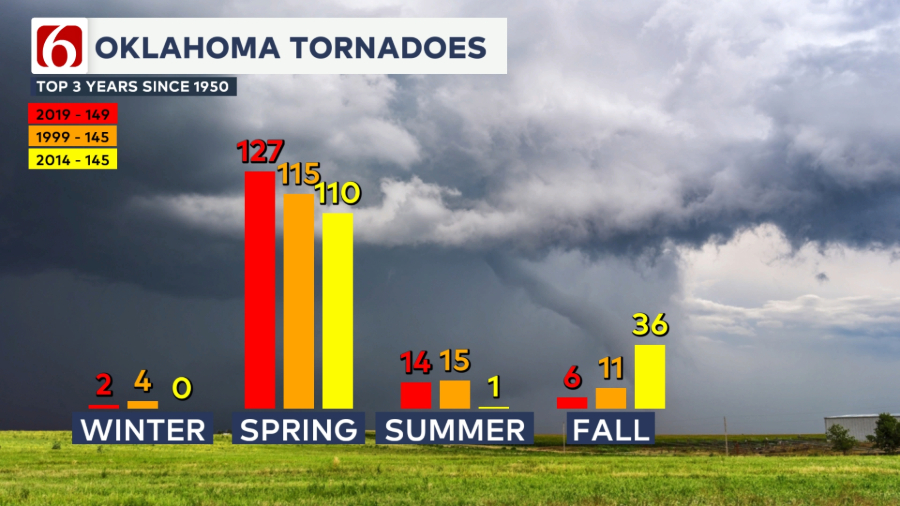
The primary tornado season typically spans from late spring to early summer. During the months of April, May, and June, the atmospheric instability reaches its zenith. It is during this window that the most powerful supercell thunderstorms—the type capable of producing significant tornadoes—are most likely to form. For those visiting the region, this is a time when local weather alerts and the vigilance of National Weather Service stations become a daily fixture of life.
The Secondary Fall Season
While spring receives the most attention, Oklahoma often experiences a secondary peak in storm activity during the autumn months of October and November. These storms are frequently triggered by cold fronts descending from the north, which can clash with the lingering warmth of the southern climate. While these autumn events are generally less frequent than their spring counterparts, they serve as a reminder that the prairie landscape is in a constant state of transition.
Geographical Distribution Across the Sooner State
Not all regions of Oklahoma experience tornadoes with the same frequency. The geography of the state plays a significant role in where these storms touch down, influencing local lifestyle choices and infrastructure development.
Central Oklahoma and the I-35 Corridor
The corridor stretching from Oklahoma City down toward Norman and Moore is widely regarded as one of the most active zones for tornado development. The flat topography of this region allows weather systems to move with little obstruction, often leading to rapid intensification. For travelers exploring the National Weather Center in Norman, the proximity to these storm tracks provides a sobering look at why this area is a global hub for meteorological research.
Western Plains vs. Eastern Hills
As one travels west toward Elk City and the Panhandle, the landscape becomes more sparsely populated, though the storms remain frequent. Conversely, the eastern part of the state, particularly near the Ozark Mountains, sees a different interaction between terrain and weather. Here, the hills can occasionally disrupt the lower levels of a storm, though they offer no absolute immunity from severe weather.

Preparedness as a Way of Life
In Oklahoma, awareness of tornado frequency has woven itself into the fabric of local culture and infrastructure. Visitors will quickly notice that safety is a priority in everything from commercial architecture to the daily routines of residents.
Infrastructure and Safety Measures
Most public buildings, schools, and even residential homes in Oklahoma are built with severe weather in mind. The widespread availability of storm shelters and basement reinforcements is a testament to the community’s respect for the power of the atmosphere. When traveling through cities like Tulsa or Lawton, tourists are encouraged to identify the designated storm safety areas in their hotels or vacation rentals immediately upon arrival.
The Role of Technology and Education
Modern technology has revolutionized how people interact with the threat of tornadoes. With advanced radar systems, smartphone alerts, and a robust network of local news meteorologists, the lead time for storm warnings has increased significantly over the past few decades. Tourists visiting Oklahoma are advised to download reliable weather tracking apps and stay informed through local broadcasts.
Embracing the Beauty of the Plains
While the potential for tornadoes is an undeniable reality, it should not deter travelers from enjoying the unique beauty of the state. From the stunning sunsets over Wichita Mountains Wildlife Refuge to the cultural richness of Art Deco architecture in downtown Tulsa, Oklahoma offers experiences found nowhere else. Understanding the weather patterns is simply one aspect of respecting the vast, open landscape that makes the region so distinct.
Understanding Statistical Likelihood
When asking how often tornadoes occur, it is helpful to look at the historical data rather than just headlines. While a “major” tornado event can feel common due to media coverage, the statistical reality is that most tornadoes are relatively short-lived and cause minimal damage.
Annual Averages and Variance
On average, Oklahoma records between 50 and 70 tornadoes per year. However, this number can fluctuate wildly based on the El Niño or La Niña cycles. Some years may be surprisingly quiet, while others see a higher frequency of activity. This unpredictability is precisely why meteorologists maintain such a vigilant watch over the Great Plains.
The Myth of the “Tornado-Proof” Location
No location in the central United States is entirely immune to severe weather. While some areas are statistically prone to more frequent touchdowns, any region within the broader Midwest and southern plains must maintain a baseline level of preparedness. By staying informed and respecting the local climate, visitors can safely enjoy the hospitality and history of Oklahoma during any season of the year.
The combination of professional weather forecasting, a culture of preparedness, and the awe-inspiring nature of the prairie creates a travel experience that is both thrilling and grounded in reality. Whether you are visiting for the world-class museums, the rolling landscapes, or the vibrant urban centers, understanding the weather is the key to a successful journey through the heart of the plains.
LifeOutOfTheBox is a participant in the Amazon Services LLC Associates Program, an affiliate advertising program designed to provide a means for sites to earn advertising fees by advertising and linking to Amazon.com. Amazon, the Amazon logo, AmazonSupply, and the AmazonSupply logo are trademarks of Amazon.com, Inc. or its affiliates. As an Amazon Associate we earn affiliate commissions from qualifying purchases.