
When travelers check into a renowned establishment like The Plaza Hotel in New York City or unwind at a luxury retreat in Bora Bora, they expect an exceptional level of comfort. One of the most critical elements of a great hotel stay is the quality of the bed. Guests frequently wonder about the hygiene, durability, and lifecycle of the sleeping surfaces they encounter during their travels. Understanding the hotel industry standards for mattress replacement reveals a meticulous balance of guest satisfaction, brand reputation, and heavy-duty wear-and-tear management.
The Standard Hotel Mattress Lifecycle
Unlike residential beds, which typically last anywhere from seven to ten years, hotel mattresses endure an entirely different level of usage. Every time a guest checks out, a new cycle begins. Because of this continuous occupancy, the typical replacement cycle for a standard commercial hotel mattress ranges from three to five years, though high-end luxury brands may replace them even more frequently.
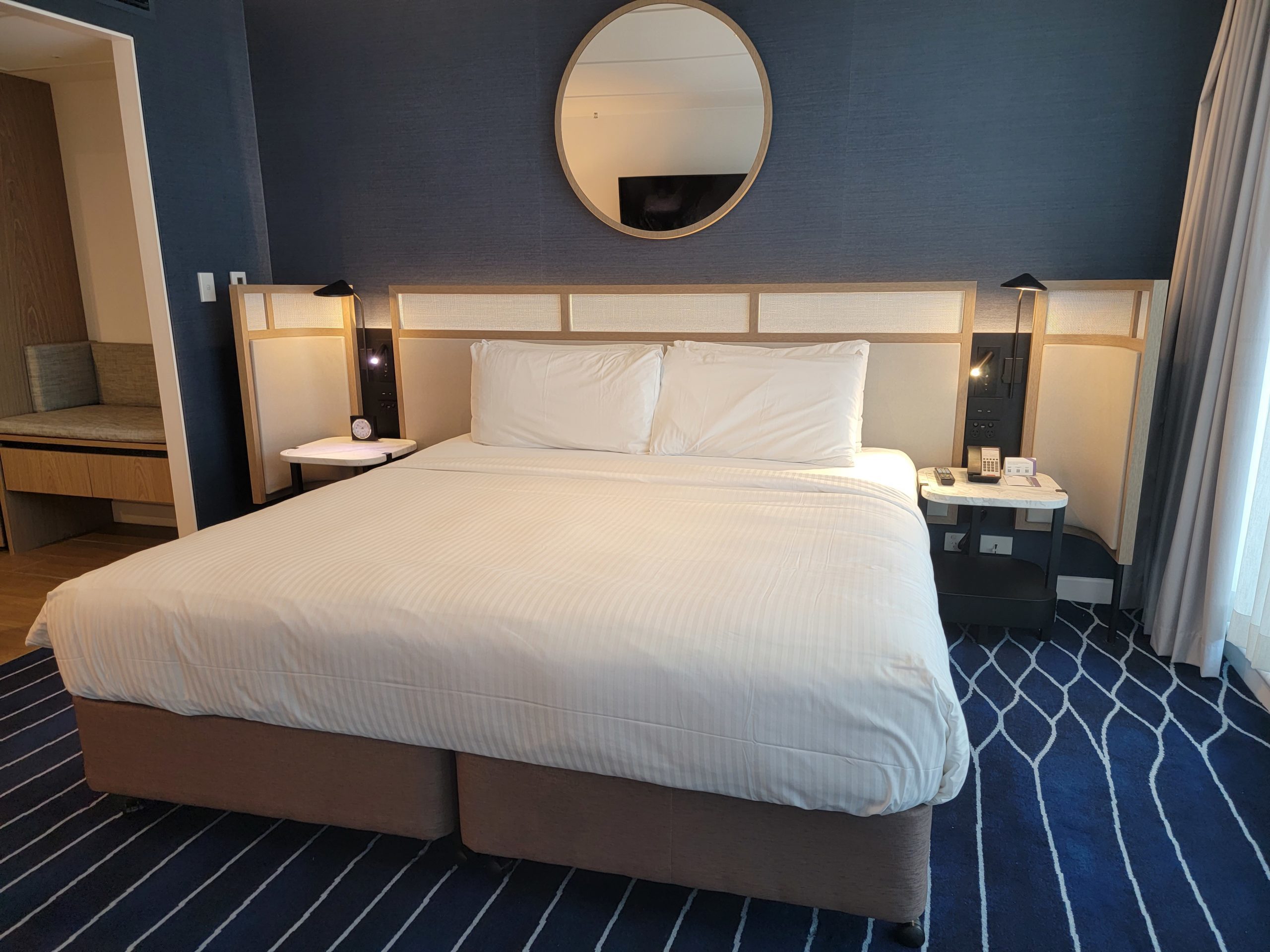
Why Commercial Mattresses Wear Out Faster
The sheer volume of sleeping hours is the primary factor. A residential bed might be used by one or two people for eight hours a night. In contrast, a popular property located in a bustling tourism hub like [Las Vegas](https://lifeoutofthebox.com/las- Vegas) or London might see a bed occupied nearly 300 to 330 nights a year. Furthermore, hotels host a diverse range of sleepers with varying weights, sleeping positions, and habits. This constant pressure compresses the coils, flattens the foam layers, and breaks down the structural integrity much faster than in a typical home setting.
The Luxury Tier Distinction
Properties that position themselves at the pinnacle of hospitality, such as the Ritz-Carlton or the Four Seasons, adhere to much stricter timelines. To maintain their signature sleep experience—which often prompts guests to purchase the exact beds for their homes—these luxury brands often refresh their mattress inventory every three to four years, and sometimes sooner if inspection reveals even minor sagging or loss of motion isolation.
Maintenance, Protection, and Quality Control
Replacing a mattress every few years is a massive financial undertaking, which is why hoteliers rely heavily on rigorous maintenance protocols to extend the lifespan of their inventory without compromising on guest comfort.
Advanced Protection Systems
To safeguard their investment against spills, stains, and allergens, upscale hospitality groups use heavy-duty, waterproof, and bed-bug-proof encasements. These protectors are washed or replaced regularly between guests. Brands like Marriott and Hilton implement strict housekeeping checklists that require staff to inspect the condition of the bed linens, mattress pads, and the underlying surface during deep-cleaning routines.

Routine Rotation and Inspection Schedules
Housekeeping and engineering departments do not simply wait for a guest to complain about a lumpy bed. Most establishments enforce a strict schedule where mattresses are rotated 180 degrees every three to six months. This ensures even distribution of body weight and prevents premature indentation. During these rotations, staff inspect for:
- Sagging edges or centralized dips exceeding standard tolerances.
- Broken or protruding inner springs.
- Frayed fabric or compromised stitching.
- Any signs of staining that managed to bypass the protective barrier.
The Purchasing Decision: What Hotels Look For
When it comes time to refresh a fleet of beds, purchasing managers do not browse local retail furniture stores. They work directly with specialized commercial manufacturers such as Simmons Hospitality, Serta, or Sealy to design custom specifications tailored to the hotel’s brand identity.
Durability Meets Ergonomics
A hotel mattress must satisfy two seemingly contradictory requirements: it must accommodate a wide variety of body types while maintaining a consistent “universal comfort” feel. This is why most hospitality beds feature robust pocketed coil systems paired with high-density foam or latex layers. These materials resist body impressions far better than traditional soft memory foam, ensuring that a guest checking in after three years of heavy use still enjoys a supportive, medium-firm sleeping surface.
Sustainability and Recycling Initiatives
With thousands of properties worldwide constantly upgrading their sleeping arrangements, the disposal of old mattresses has become a major environmental focus. Leading hospitality brands partner with recycling facilities to break down retired beds. Steel coils are melted down for scrap, wood foundations are chipped for mulch, and padding materials are repurposed for carpet underlayment, minimizing the ecological footprint of frequent upgrades.
How to Tell If Your Hotel Room Needs an Upgrade
While major chains maintain strict replacement schedules, independent boutique hotels or budget-friendly motels might stretch their mattress lifecycles closer to the seven-year mark. Travelers can easily assess the quality of their temporary bed by checking a few subtle indicators.

Signs of an Overdue Replacement
A worn-out hotel bed typically displays characteristic flaws that impact sleep quality. If you notice any of the following, the property may be overdue for a refresh:
- A noticeable sinkhole or permanent body impression in the center or sides.
- Springs that squeak loudly with every minor movement.
- Edges that collapse completely when you sit on the perimeter of the bed.
- Lumpy or uneven padding that fails to support the spine properly.
Ultimately, the frequency of mattress replacement in the hotel industry boils down to protecting brand reputation and ensuring guest loyalty. Whether staying at a historic landmark like Fairmont Le Château Frontenac in Quebec City or a modern resort in Tokyo, travelers can rest assured that behind the crisp white sheets lies a carefully managed schedule designed to deliver optimal comfort night after night.
LifeOutOfTheBox is a participant in the Amazon Services LLC Associates Program, an affiliate advertising program designed to provide a means for sites to earn advertising fees by advertising and linking to Amazon.com. Amazon, the Amazon logo, AmazonSupply, and the AmazonSupply logo are trademarks of Amazon.com, Inc. or its affiliates. As an Amazon Associate we earn affiliate commissions from qualifying purchases.