
When planning a visit to Baton Rouge, the cultural and political heartbeat of Louisiana, many travelers naturally inquire about the climate and the potential for severe weather. Situated inland from the Gulf of Mexico, this historic city offers a unique blend of Southern charm and vibrant urban energy. Understanding the reality of hurricane season is a vital part of preparing for any long-term stay or extended tourism venture in this region of the United States.
The Geographic Reality of Baton Rouge and Hurricane Risk
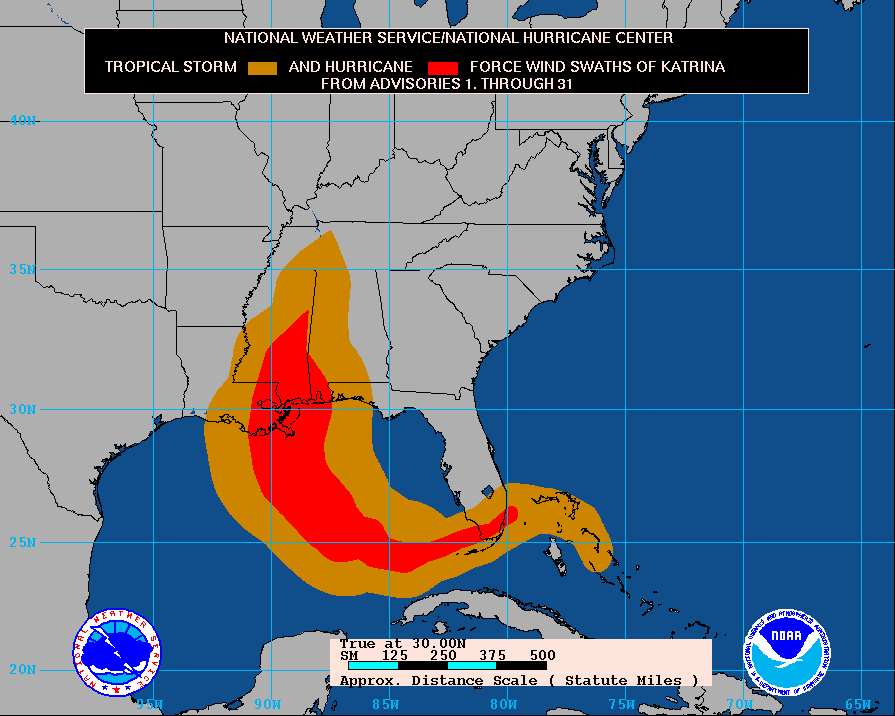
While coastal areas like New Orleans or the barrier islands face the most immediate threat from storm surges, Baton Rouge is not immune to the impacts of tropical weather. Its inland location—roughly 80 miles north of the coast—serves as a natural buffer, generally weakening major hurricanes into tropical storms or heavy rain events by the time they arrive.
Understanding Hurricane Season
The Atlantic hurricane season officially spans from June 1st through November 30th. During these months, meteorological conditions in the Atlantic Ocean and the Caribbean Sea can lead to the development of tropical cyclones. For visitors, this means that while the chances of a direct hit are statistically lower than in coastal parishes, it is prudent to remain informed and vigilant throughout the summer and early autumn.
Historical Frequency and Impact
Historically, Baton Rouge experiences severe tropical weather impact only a handful of times per decade. When storms do reach this far north, the primary concerns are usually localized flooding, downed trees, and temporary power outages. Significant direct strikes from major hurricanes (Category 3 or higher) are rare, though certainly not impossible. The city’s infrastructure is built to withstand the typical seasonal turbulence, making it a relatively safe environment for those looking to explore the rich history of the Deep South.
Preparing for Your Trip During Hurricane Season
Travelers should not be discouraged from visiting Louisiana during the summer, as it is a season filled with festivals, crawfish boils, and lively cultural events. However, smart planning is the hallmark of a seasoned traveler. By taking a few proactive measures, you can ensure that an unexpected storm does not derail your vacation or business trip.
Essential Safety Tips for Visitors
- Monitor Local Weather Sources: Follow local news outlets like WAFB or the National Hurricane Center for real-time updates.
- Know Your Accommodation’s Policy: If you are staying at a property such as the Hilton Baton Rouge Capitol Center or the Watermark Baton Rouge, inquire about their emergency preparedness protocols. Most reputable hotels in the region have robust communication systems to keep guests informed.
- Create a Go-Bag: Regardless of the season, keeping a small bag with essential documents, medications, and chargers is a good habit. If a storm is forecasted, having your necessities packed and ready provides peace of mind.
- Understand Evacuation Routes: While rarely needed for tourists in the city center, knowing the primary routes heading north out of Baton Rouge is helpful for those renting vehicles for regional exploration.
Travel Insurance Considerations
During peak months—specifically August and September—many travel experts recommend investing in travel insurance that covers weather-related cancellations. This ensures that if a storm does necessitate a change in plans, your financial investment in flights and lodging remains protected.

Embracing the Resilience of Louisiana Culture
The spirit of Louisiana is defined by its resilience. Locals are well-acquainted with the rhythms of the weather, and this has shaped a culture that is incredibly welcoming and prepared. For the tourist, this manifests as a well-oiled system of emergency management and a community that looks out for its visitors.
Why Baton Rouge Remains a Top Destination
Despite the periodic threat of storms, Baton Rouge remains one of the most culturally significant cities in the American South. Visitors flock to the Louisiana State Capitol to admire its unique architecture, tour the historic USS Kidd, and indulge in the world-renowned cuisine found along the Mississippi River basin.
Cultural Continuity
The city’s ability to “keep on rolling” is part of its charm. From the LSU Campus to the bustling streets of Downtown Baton Rouge, the rhythm of life continues with passion. Festivals like FestForAll or the various food-centric events are rarely deterred for long. When you travel here, you are participating in a historical narrative that has weathered many storms and come out stronger on the other side.
Frequently Asked Questions About Baton Rouge Weather
To further assist in your travel planning, we have compiled answers to common concerns regarding the meteorological climate of the region.
Is it safe to book a trip in September?
September is statistically active, but it is also one of the most beautiful times to visit, as the summer heat begins to wane. By keeping an eye on the tropics and booking flexible accommodations, there is no reason to avoid this time of year.
How do I know if a storm is coming?
Modern technology has made tracking hurricanes incredibly accurate. You will have several days of notice if a system is moving toward the Gulf Coast. Local authorities are excellent at issuing watches and warnings long before any severe weather reaches Baton Rouge.

Does the city shut down during storms?
Only during severe events. In the event of a significant tropical storm, local businesses and government offices may close temporarily for safety. However, the hospitality industry, including major hotels and popular dining spots like Chimes Restaurant, is highly adept at recovering quickly.
Ultimately, while hurricanes are a natural reality of living near the Gulf of Mexico, they should not be a deterrent to exploring the vibrant, historic, and culinary treasures of Baton Rouge. With a bit of awareness and preparation, you can enjoy all that this remarkable city has to offer while feeling perfectly safe and secure in your journey through the heart of Louisiana.
LifeOutOfTheBox is a participant in the Amazon Services LLC Associates Program, an affiliate advertising program designed to provide a means for sites to earn advertising fees by advertising and linking to Amazon.com. Amazon, the Amazon logo, AmazonSupply, and the AmazonSupply logo are trademarks of Amazon.com, Inc. or its affiliates. As an Amazon Associate we earn affiliate commissions from qualifying purchases.