
California, a land of unparalleled natural beauty, vibrant cities, and diverse landscapes, beckons millions of travelers each year. From the sun-kissed beaches of Southern California to the majestic redwoods of the north, and the iconic skylines of Los Angeles and San Francisco, the Golden State offers an endless array of experiences. However, California is also famously known for its seismic activity. For prospective travelers, understanding the frequency and nature of earthquakes in this dynamic region is not about fear, but about informed preparation and appreciating the unique geological forces that shape this incredible destination. This guide aims to provide a professional, insightful, and engaging look into California’s seismic reality, empowering travelers with knowledge and confidence for their visit.
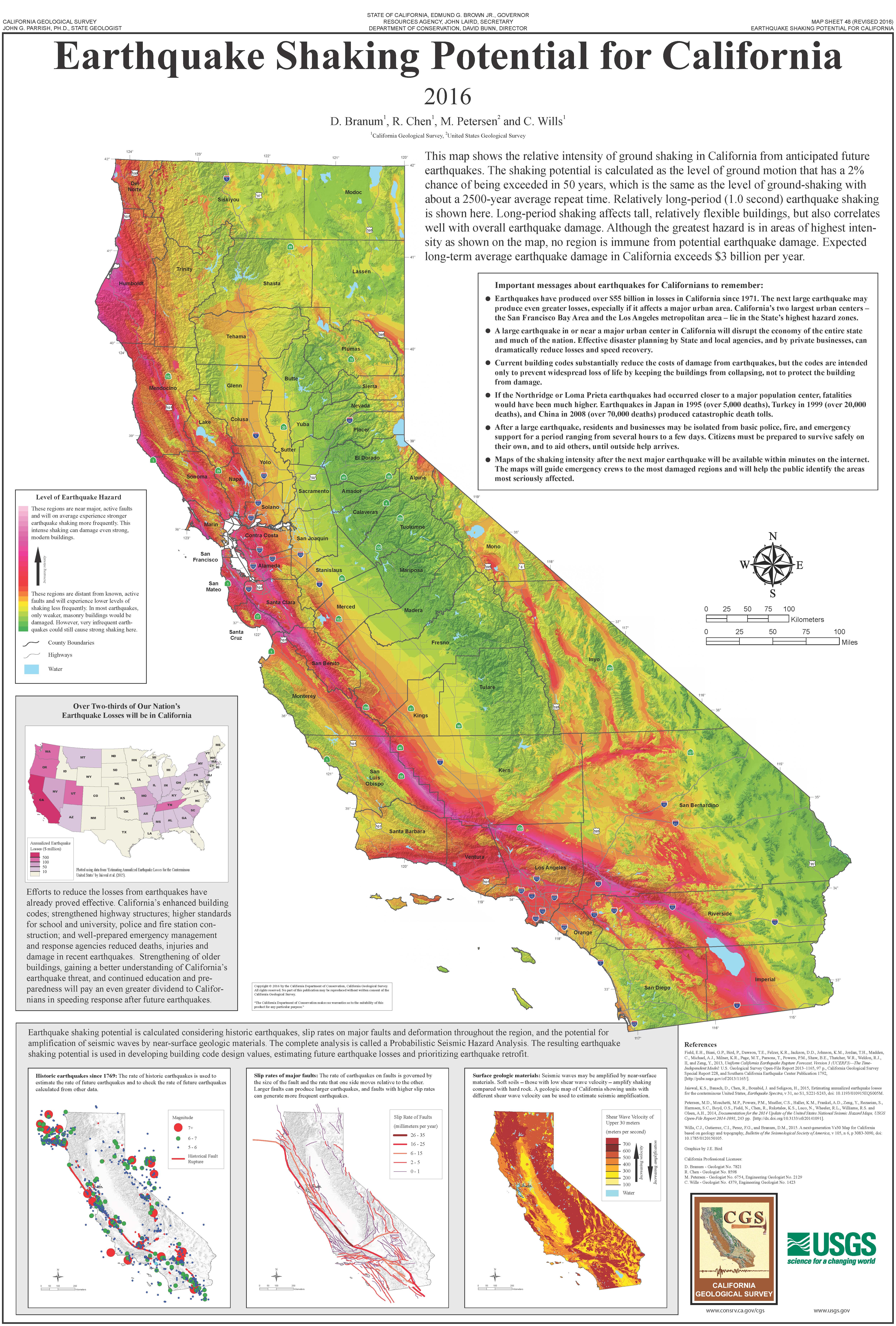
California’s Seismic Landscape: A Geological Overview
To truly grasp why California experiences earthquakes, one must delve into its fascinating geological underpinnings. The state is situated in one of the most seismically active regions on Earth, a fact that has profoundly shaped its geography, urban development, and even its cultural resilience.
The Ring of Fire and Tectonic Plates
California’s position at the edge of the Pacific Ocean places it squarely within the infamous Pacific Ring of Fire, a horseshoe-shaped belt spanning roughly 40,000 kilometers (25,000 miles) that is home to 75% of the world’s volcanoes and 90% of its earthquakes. This intense activity stems from the movement of Earth’s massive tectonic plates. California sits primarily on the North American Plate, but its western edge is defined by the boundary with the Pacific Plate. These two gargantuan plates are not simply bumping into each other; they are grinding past each other in a horizontal motion, creating what geologists call a transform plate boundary. This constant, immense friction is the fundamental cause of California’s seismic events. The state is literally being stretched and compressed by these powerful underground forces.
Major Fault Lines: The San Andreas Fault and Beyond
The most famous and significant geological feature associated with California’s earthquakes is the San Andreas Fault. This immense right-lateral strike-slip fault system, stretching approximately 1,200 kilometers (750 miles) through California, marks the primary boundary between the Pacific Plate and the North American Plate. While the San Andreas Fault is the most prominent, it is by no means the only active fault line. California is crisscrossed by hundreds of other known active faults, forming an intricate web beneath the surface. These include the Hayward Fault in the San Francisco Bay Area, the Newport-Inglewood Fault in Southern California, and the Garlock Fault in the Mojave Desert, among many others. Each of these faults has the potential to generate earthquakes, contributing to the state’s overall seismic activity. The continuous movement along these fault lines, though often imperceptible, gradually builds up stress in the Earth’s crust. When this stress exceeds the strength of the rocks, they rupture, releasing energy in the form of seismic waves – an earthquake.
Understanding Earthquake Frequency and Magnitude
Given this active geological environment, it’s natural for travelers to wonder just “how often” earthquakes occur. The answer is nuanced, depending on how one defines an “earthquake” and its significance.
Daily Tremors vs. Significant Events
Statistically, California experiences thousands of earthquakes every year. However, the vast majority of these are minor tremors, so small (typically below magnitude 2.0) that they are undetectable by humans and only registered by sensitive seismographs. These constant micro-earthquakes are a normal part of the fault systems’ continuous adjustment. On average, California experiences several dozen earthquakes a day that are magnitude 1.0 or greater. When we speak of “felt” earthquakes, the numbers drop significantly. A noticeable earthquake (typically magnitude 3.0 and above) might occur several times a month somewhere in the state. Stronger, potentially damaging earthquakes (magnitude 5.0 and above) are much less frequent, perhaps occurring a few times a year across the entire state, often in unpopulated areas. Major earthquakes (magnitude 6.0 and above), capable of significant damage, are relatively rare events, occurring every few years to a decade, while truly great earthquakes (magnitude 7.0 and above) are historical occurrences that happen decades apart.
The Magnitude Scale Explained for Travelers
The Richter scale, now largely superseded by the more precise moment magnitude scale (Mw), is still commonly understood by the public. For travelers, it’s helpful to have a basic grasp of what these numbers mean:
- Magnitude 2.0-3.0: Often felt only by very few people under favorable conditions. Most common.
- Magnitude 3.0-4.0: Felt noticeably indoors, especially on upper floors of buildings. Objects may sway. No significant damage expected.
- Magnitude 4.0-5.0: Felt by nearly everyone. Can cause dishes, windows, and doors to rattle. Can cause minor damage, such as cracks in plaster or falling objects.
- Magnitude 5.0-6.0: Felt by all. Damage to poorly constructed buildings possible. Can cause considerable damage in local areas. This is where significant concern starts.
- Magnitude 6.0-7.0: Strong. Can cause severe damage in populated areas. Buildings may shift off foundations.
- Magnitude 7.0-8.0: Major. Serious damage over large areas. Total destruction near the epicenter.
- Magnitude 8.0+: Great. Devastating damage. Can cause total destruction to communities near the epicenter and significant damage across very large regions.
As a traveler, it’s highly probable you might experience a small, barely perceptible tremor during your visit. The likelihood of experiencing a truly damaging earthquake is statistically low, but it is not zero.
Historical Perspective: Notable Earthquakes in California
California’s history is punctuated by significant seismic events that have shaped its development and safety protocols. The most famous is the 1906 San Francisco earthquake, a magnitude 7.9 event that, along with the subsequent fires, devastated the city. Other notable events include the 1989 Loma Prieta earthquake (M 6.9), which caused significant damage in the San Francisco Bay Area and tragically collapsed a section of the Bay Bridge, and the 1994 Northridge earthquake (M 6.7) in Los Angeles, which led to widespread structural damage and freeway collapses. These events, while tragic, have profoundly influenced California’s building codes and emergency preparedness, making it one of the safest places to be during an earthquake globally.

Preparing for Seismic Activity as a Traveler
While the thought of an earthquake might be unsettling, preparedness is key to mitigating risks and ensuring a smooth travel experience. California’s robust infrastructure and emergency systems are designed with seismic events in mind.
Before You Go: Research and Resources
Prior to your trip, a little research can go a long way. Familiarize yourself with basic earthquake safety tips. The California Office of Emergency Services (CalOES) and the U.S. Geological Survey (USGS) offer excellent resources and guides specifically for residents and visitors. Consider downloading a smartphone app like MyShake, developed by UC Berkeley, which provides early warning alerts for earthquakes in California, potentially giving you a few precious seconds to take cover. Also, ensure your travel insurance covers natural disasters, though direct earthquake damage to hotels or personal property might be excluded depending on your policy. Knowing your accommodation’s emergency exits and assembly points upon arrival is also a good practice.
During Your Stay: “Drop, Cover, and Hold On”
Should an earthquake occur during your visit, the most crucial safety advice is “Drop, Cover, and Hold On.”
- Drop: Immediately drop to the ground.
- Cover: Take cover under a sturdy piece of furniture, like a table or desk, or against an interior wall away from windows.
- Hold On: Hold on to your shelter until the shaking stops.
If you are outdoors, move to an open area away from buildings, trees, power lines, and streetlights. If driving, pull over to a clear spot and stay in your vehicle. Do not use elevators during or immediately after an earthquake. Most hotels and public buildings in California are constructed to modern seismic standards, designed to withstand significant shaking. The biggest risks often come from falling objects or debris.
After an Event: Staying Safe and Informed
Once the shaking subsides, remain calm and assess your surroundings. Check for injuries to yourself and others. If you are in a building, evacuate carefully if it appears damaged. Be aware of potential aftershocks, which can occur minutes, hours, or even days after the main quake. Tune into local news or use your smartphone for emergency updates. California’s emergency services are highly trained and efficient, and information will be disseminated rapidly through official channels. If you have international travel plans, contact your airline or travel provider for updates on flights or transportation services, as airports or roads might experience temporary closures or delays.
Debunking Myths and Embracing California’s Resilience
The mystique surrounding California’s earthquakes often leads to misconceptions. Understanding the reality helps foster a more confident and enjoyable travel experience.
Earthquake Predictability: The Scientific View
One of the most persistent myths is that earthquakes can be accurately predicted. Scientifically, this is not true. While scientists can identify areas prone to earthquakes and estimate the probability of a significant event over a long period (e.g., a 70% chance of a magnitude 6.7+ earthquake in the San Francisco Bay Area in the next 30 years), they cannot predict the exact time, location, or magnitude of an earthquake. Any claims of short-term prediction are unsubstantiated. This is why preparedness, rather than prediction, is the cornerstone of California’s earthquake safety strategy.
Building Codes and Safety Standards
California boasts some of the strictest building codes and safety standards in the world. Following major earthquakes, these codes have been consistently reviewed and updated, mandating seismic retrofitting for older structures and resilient design for new construction. Skyscrapers in Los Angeles and San Francisco, for instance, are engineered with advanced damping systems and flexible foundations to absorb seismic energy. While no building is entirely earthquake-proof, these rigorous standards significantly reduce the risk of catastrophic failure and severe damage, especially in modern hotels and tourist attractions. This commitment to safety allows travelers to explore California’s urban centers and architectural marvels with greater peace of mind.

Experiencing California Safely and Confidently
Ultimately, the question of “how often” California gets earthquakes should not deter travelers from experiencing its wonders. The state is a testament to human ingenuity and resilience in the face of powerful natural forces. Earthquakes are an inherent part of the California experience, much like sunshine and stunning coastlines. By understanding the geology, knowing basic safety protocols, and appreciating the extensive preparedness measures in place, travelers can confidently immerse themselves in all that the Golden State has to offer. From wine tasting in Napa Valley to hiking in Yosemite National Park or exploring the historic districts of San Diego, California remains an extraordinary and safe travel destination for the informed adventurer.
LifeOutOfTheBox is a participant in the Amazon Services LLC Associates Program, an affiliate advertising program designed to provide a means for sites to earn advertising fees by advertising and linking to Amazon.com. Amazon, the Amazon logo, AmazonSupply, and the AmazonSupply logo are trademarks of Amazon.com, Inc. or its affiliates. As an Amazon Associate we earn affiliate commissions from qualifying purchases.