
California, a state synonymous with sunshine, innovation, and stunning coastlines, also holds a well-known reputation for seismic activity. The question of “How often does California have earthquakes?” is a common one, and the answer is, quite frankly, almost constantly. While most of these seismic events are imperceptible to humans, the Golden State sits atop a complex network of fault lines, making it one of the most seismically active regions in the United States, and indeed, the world. Understanding the frequency and nature of these earthquakes is crucial for residents, visitors, and anyone planning a trip to this dynamic destination.
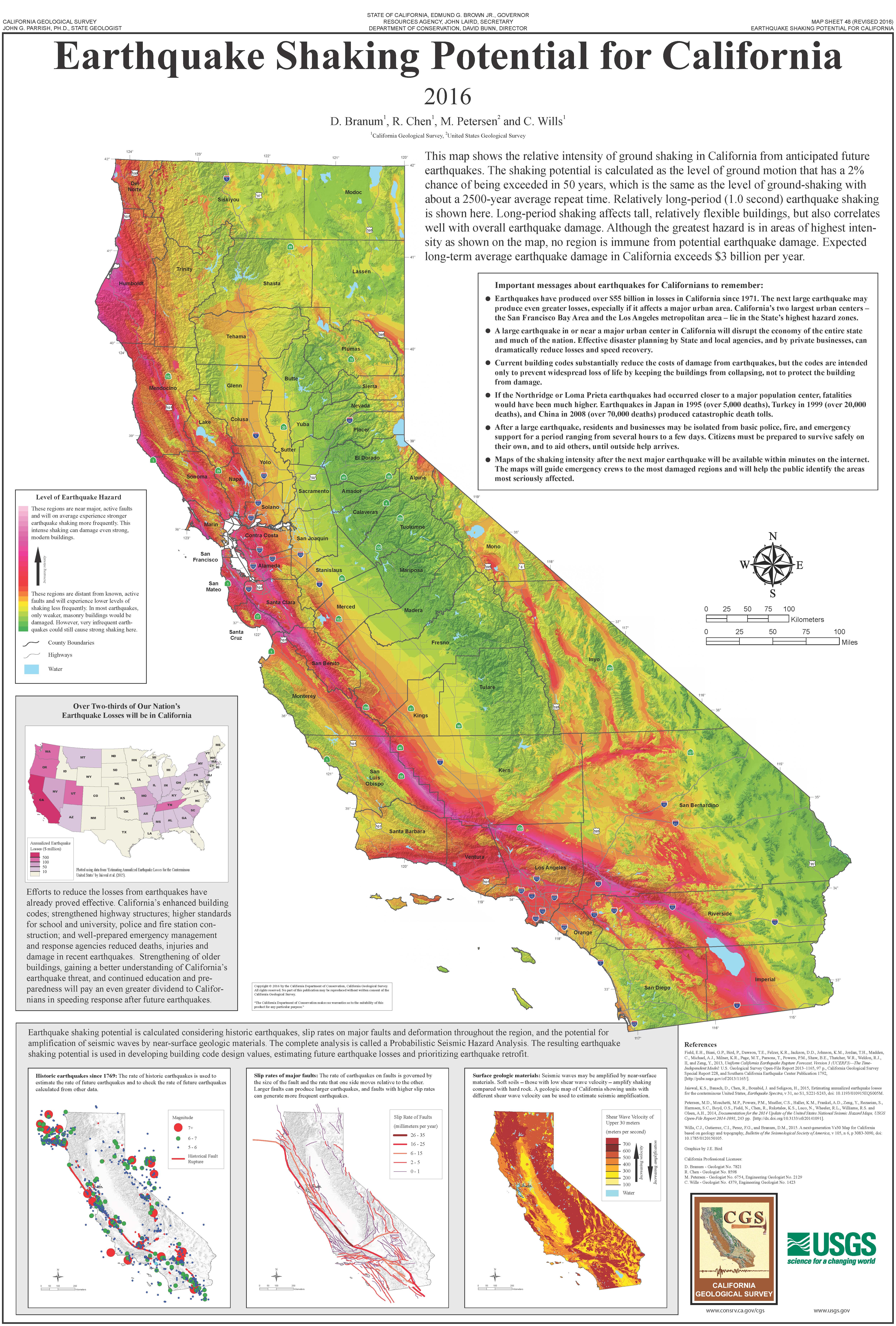
The Constant Tremors: Understanding California’s Seismic Landscape
California’s geological heartbeat is defined by its proximity to the boundary between two massive tectonic plates: the Pacific Plate and the North American Plate. These plates are not static; they are in constant, slow motion, grinding past each other. This movement is the primary driver of earthquakes. The most famous and arguably most critical fault system in California is the San Andreas Fault, a transform fault stretching over 800 miles from the Mexican border to near Mendocino. Along this fault, the Pacific Plate is sliding northward relative to the North American Plate.
The Unseen Majority: Microearthquakes and Minor Shakes
The reality of California’s seismic activity is that the vast majority of tremors are so small they go unnoticed. These are known as microearthquakes, with magnitudes typically below 2.0. Seismometers, sensitive instruments deployed across the state by organizations like the United States Geological Survey (USGS), detect thousands of these events daily. They are like the subtle sighs of the Earth’s crust, a continuous release of built-up stress along the numerous fault lines.
While these microearthquakes pose no threat, their detection provides invaluable data for scientists. By analyzing patterns of these small tremors, geologists can better understand the stress accumulation along faults, which is vital for assessing the potential for larger, more damaging earthquakes. They also help to map out lesser-known fault systems and understand the intricate mechanics of plate tectonics.
Daily Occurrences: Moderate Earthquakes and Their Impact
Beyond the imperceptible, California experiences moderate earthquakes with some regularity. Events in the magnitude 2.0 to 4.0 range are felt by people in the immediate vicinity, often described as a noticeable jolt or a brief shaking. These can occur several times a month across the state. While rarely causing significant structural damage, they serve as a tangible reminder of the earth’s restless nature.
For travelers, these moderate quakes are unlikely to disrupt plans. They are a part of the Californian experience, akin to a brief gust of wind on a beach in San Diego or a passing cloud over Yosemite National Park. Most visitors won’t even notice them, and even if they do, the experience is typically fleeting and harmless. However, awareness is always beneficial. Hotels and accommodation providers in California are accustomed to seismic activity and have emergency protocols in place.
Beyond the Routine: Major Earthquakes and Their Significance
The true concern regarding California’s earthquakes lies with the infrequent but potentially devastating major events. These are earthquakes of magnitude 5.0 and above, capable of causing widespread damage, injuries, and significant disruptions. While less frequent than minor tremors, their occurrence is statistically inevitable given the state’s geological setting.
The Big Ones: Understanding Recurrence Intervals
The concept of recurrence intervals is key to understanding the probability of major earthquakes. For the San Andreas Fault, scientists estimate that large earthquakes (magnitude 7.0 or greater) have occurred historically, with intervals that are not perfectly regular but can be averaged. The southern section of the fault, for instance, is considered overdue for a major rupture by some seismologists, based on the rate of strain accumulation.
Other major fault systems in California, such as the Hayward Fault in the Bay Area and the Garlock Fault in Southern California, also pose significant seismic hazards. Each fault system has its own unique history of rupture and its own estimated recurrence intervals for larger earthquakes.
Historically, California has witnessed several devastating earthquakes that have shaped its development and preparedness. The 1906 San Francisco Earthquake is perhaps the most infamous, causing widespread destruction and fires. More recently, the 1989 Loma Prieta Earthquake near Santa Cruz disrupted the World Series and caused significant damage, particularly in the Bay Area. The 1994 Northridge Earthquake in Los Angeles demonstrated the seismic hazard posed by blind thrust faults, which don’t break the surface.

Preparing for the Unpredictable: Safety and Travel Tips
While the frequency of earthquakes in California can be daunting, it’s important to remember that the state is a leader in seismic research and preparedness. Millions of people live and visit California safely every year. For travelers, understanding a few key points can ensure a comfortable and secure experience.
Staying Informed and Prepared
The primary resource for earthquake information in California is the California Earthquake Authority (CEA) and the USGS. These organizations provide educational materials, real-time earthquake alerts, and detailed information on seismic hazards.
When booking accommodation, especially in areas known for higher seismic activity like near the San Andreas Fault or in major cities like Los Angeles or San Francisco, it’s good to be aware of the building’s construction and safety features. Many newer hotels and resorts are built to strict earthquake-resistant building codes. Luxury hotels, apartment rentals, and even budget-friendly guesthouses are subject to these regulations.
For any stay, whether it’s a short visit to experience the vibrant local culture or a longer business stay, familiarize yourself with the emergency exits and procedures in your hotel.
During an Earthquake: Drop, Cover, and Hold On
The universally recommended safety measure during an earthquake is to “Drop, Cover, and Hold On.”
- Drop to your hands and knees.
- Cover your head and neck with your arms.
- Hold On to a sturdy piece of furniture, such as a desk or table, until the shaking stops.
If you are in bed, stay there, cover your head with a pillow, and hold on. If you are outdoors, move to an open area away from buildings, trees, streetlights, and utility wires.
For those planning travel and seeking advice on the best destinations, remember that California offers incredible attractions from the theme parks of Southern California to the redwood forests of Northern California. Whether you’re exploring the historic Alcatraz Island, marveling at the architecture in Pasadena, or enjoying the culinary delights in Napa Valley, the state’s seismic nature is a background element, not a constant deterrent.
A State of Resilience: Living with Earthquakes
California’s relationship with earthquakes is one of constant adaptation and resilience. The state has a long history of innovation in earthquake engineering, public education, and emergency response. From building retrofitting initiatives to sophisticated early warning systems like ShakeAlert, California is at the forefront of seismic preparedness.

The Benefits of Living on a Fault Line
Ironically, the very geological forces that cause earthquakes also contribute to California’s unique landscape and opportunities. The tectonic activity has created dramatic mountain ranges, fertile valleys, and a dynamic coastline. The rich mineral deposits and geothermal energy sources are also byproducts of this geological activity.
For the tourism industry, iconic landmarks like the Golden Gate Bridge in San Francisco and the natural wonders of Death Valley National Park stand as testaments to human ingenuity in building within this active environment. Hotels and resorts across the state are designed with safety and visitor comfort in mind, ensuring that the allure of California remains accessible to all.
Ultimately, the answer to “How often does California have earthquakes?” is: all the time. The Earth beneath California is alive and constantly shifting. However, for the vast majority of these events, the impact is minimal. For the rarer, more significant quakes, the state’s proactive approach to preparedness and resilience provides a strong foundation for safety. Travelers can confidently explore the diverse destinations, enjoy the world-class experiences, and find comfortable accommodation knowing that seismic awareness is an integral part of life in the Golden State.