
Florida, often celebrated as the Sunshine State, is a magnet for travelers drawn to its pristine beaches, vibrant cities, and world-class attractions. From the magical theme parks of Orlando to the historic charm of Key West and the bustling energy of Miami, the state offers an unparalleled diversity of experiences. However, its geographic location, jutting into the Atlantic Ocean and bordered by the Gulf of Mexico, also places it directly in the path of tropical weather systems, including hurricanes. For anyone planning a trip to Florida, understanding the frequency and nature of these storms is crucial for a safe and enjoyable visit. This comprehensive guide will delve into the meteorological realities of hurricane season, equip you with essential travel insights, and help you navigate your journey with confidence.
Understanding Florida’s Hurricane Landscape
To truly grasp how often Florida experiences hurricanes, one must first understand the fundamental aspects of its climate and the systems that govern tropical storm formation. It’s not just about a raw number; it’s about the context, the intensity, and the preparedness that defines the state’s relationship with these powerful weather events.
A Historical Perspective on Storm Activity
Florida has a long and well-documented history with hurricanes, stretching back centuries. This isn’t a new phenomenon, but rather an inherent characteristic of its tropical to subtropical climate. Over the past 170 years, since reliable record-keeping began, Florida has been impacted by more hurricanes than any other U.S. state. This includes both direct landfalls and close brushes that bring significant winds, rain, and storm surge. The state’s unique peninsular shape makes it vulnerable from multiple directions, allowing storms to approach from the Atlantic Ocean to the east or the Gulf of Mexico to the west. While some decades have seen more intense activity than others, the underlying pattern of vulnerability remains consistent. This historical context informs much of the state’s robust hurricane preparedness and response infrastructure, which travelers can benefit from.
Defining Hurricane Season in Florida
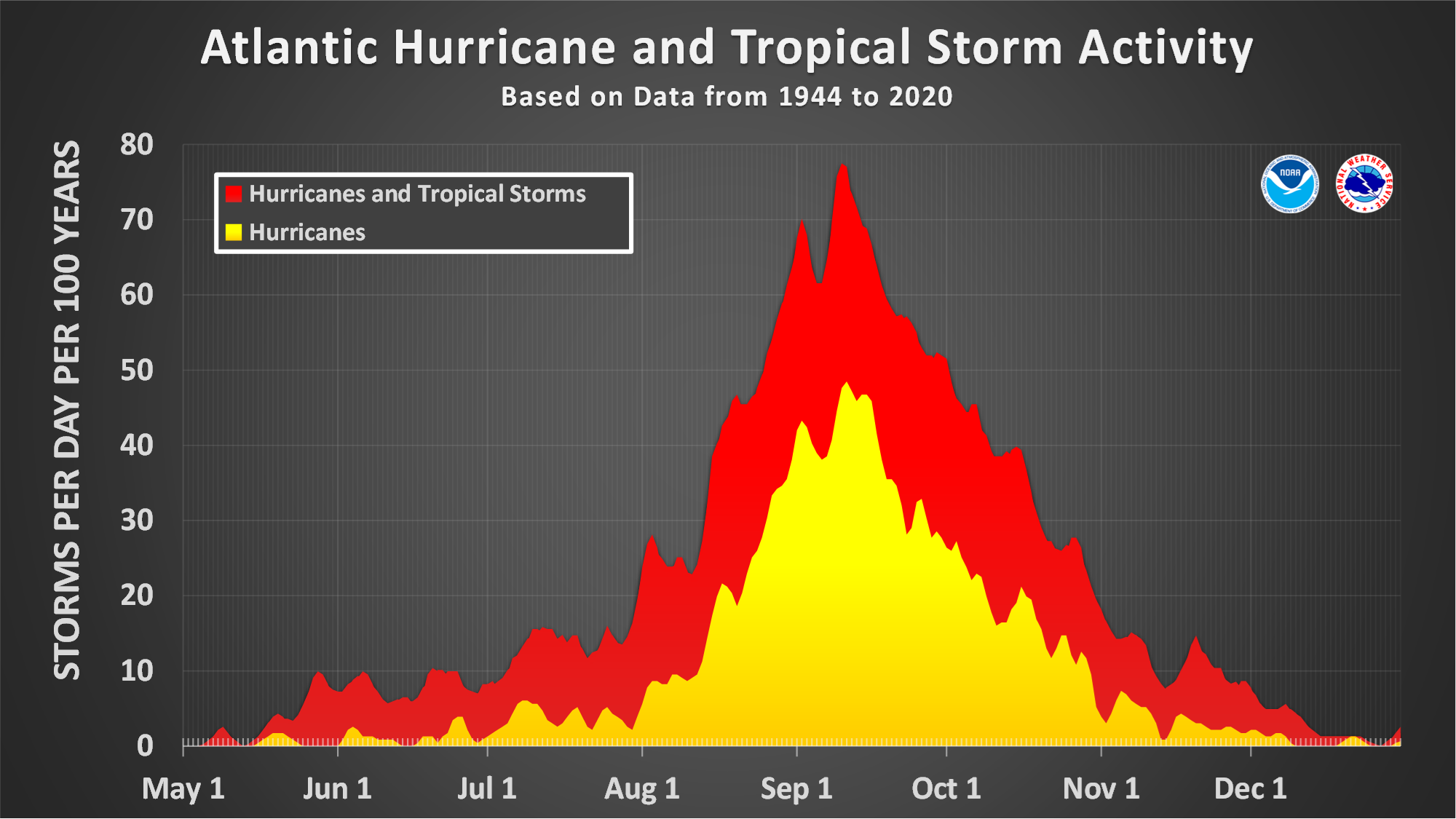
The official Atlantic Hurricane Season runs from June 1st to November 30th each year. Within this six-month window, certain periods are historically more active than others. The peak of the season typically occurs between mid-August and late October, with September being the most active month for tropical cyclone formation and landfalls in the Atlantic basin. While storms can form outside this window (and occasionally do), the vast majority of hurricane activity impacting Florida falls within these designated dates. Travelers planning visits during these months should pay closer attention to weather forecasts and consider the potential implications for their travel plans. It’s important to differentiate between the season itself and the actual occurrence of a storm; a hurricane season does not mean constant storms, but rather the period when conditions are favorable for their development.
Geographic Vulnerabilities: East vs. West Coast
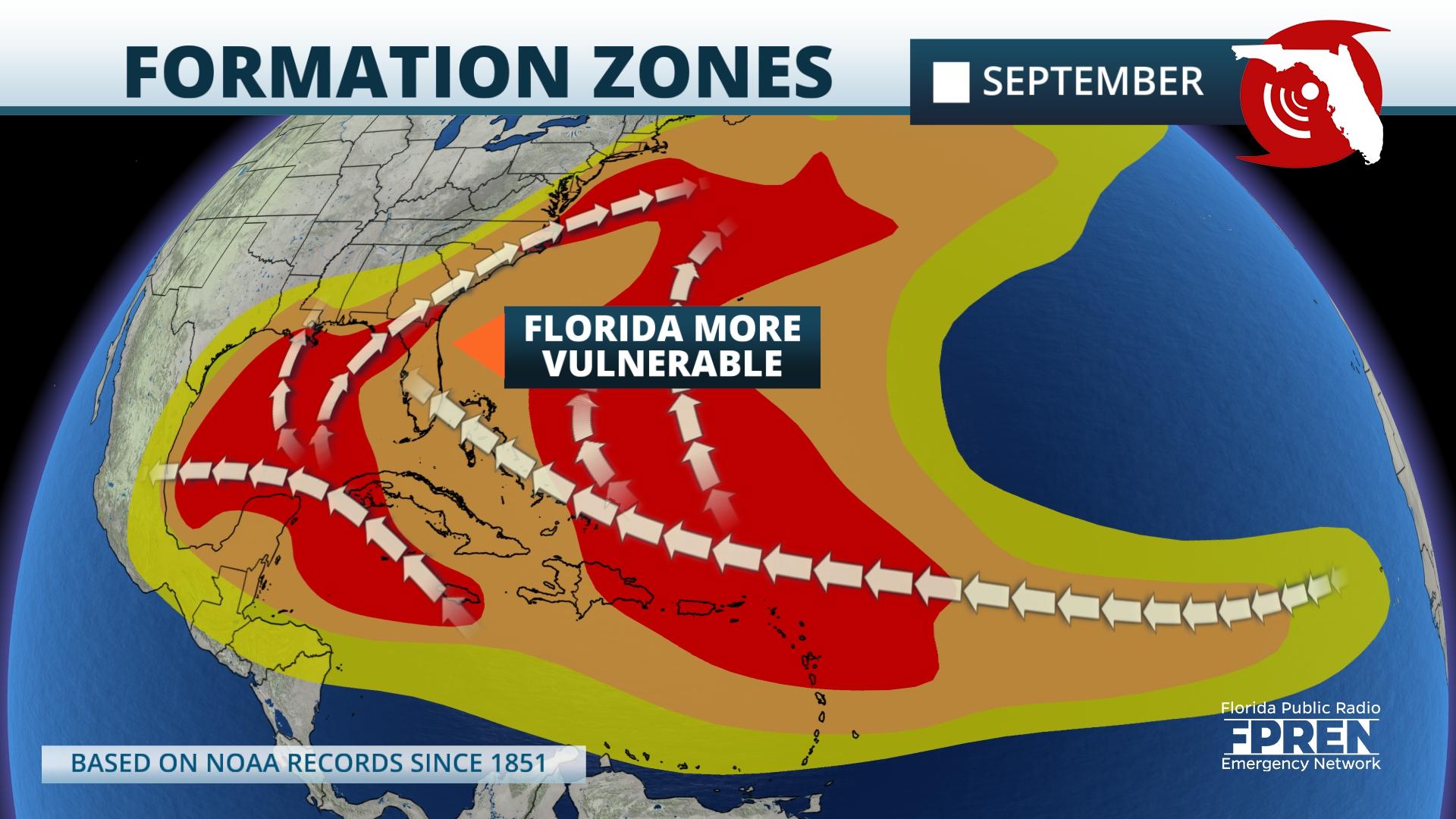
Florida’s extensive coastline means that different regions face varying degrees and types of hurricane threats. The Atlantic coast, including major metropolitan areas like Miami, Fort Lauderdale, and Jacksonville, is more susceptible to direct hits from storms forming off the coast of Africa or in the Caribbean Sea and moving westward. These storms often track parallel to the coast or make landfall, bringing powerful winds and significant storm surge, especially in low-lying coastal areas like Miami Beach.
On the other hand, the Gulf Coast, encompassing cities such as Tampa, St. Petersburg, Sarasota, Naples, and the Panhandle region (including Tallahassee), is vulnerable to storms that develop in the Gulf of Mexico or cross the state after initial Atlantic landfall. The shallow waters of the Gulf of Mexico can sometimes lead to greater storm surge risk, as water is pushed inland more effectively. Inland areas, while not subject to storm surge, can still experience destructive winds, torrential rainfall leading to flooding, and tornadoes associated with hurricanes. The Florida Keys, a delicate archipelago, are uniquely exposed to both Atlantic Ocean and Gulf of Mexico systems, making them one of the most vulnerable regions.
The Numbers: Quantifying Hurricane Frequency
Moving beyond the general understanding, a look at statistical data provides a clearer picture of how frequently Florida is impacted by tropical cyclones. It’s a complex picture, as not all storms are created equal, and their impact varies wildly.
Major Hurricanes vs. Tropical Storms
When discussing “how often,” it’s vital to distinguish between different types of tropical cyclones. A “hurricane” is typically defined as a tropical cyclone with sustained winds of 74 mph (119 km/h) or higher. Within hurricanes, there are categories (1 to 5 on the Saffir-Simpson Hurricane Wind Scale), with Category 3, 4, and 5 storms classified as “major hurricanes.” These major hurricanes, with sustained winds of 111 mph (178 km/h) or greater, are the most destructive and pose the greatest threat to life and property.
Florida experiences impacts from tropical storms (winds 39-73 mph) and hurricanes of various categories. Historically, Florida averages about one hurricane impact (direct hit or very close brush) every one to two years, and a major hurricane impact every four to five years. However, these are long-term averages, and year-to-year variability is significant. Some years may see multiple impacts, while others pass with no direct hits. For instance, the state has endured periods like the mid-2000s, which saw several major hurricanes in quick succession, followed by years of relative quiet. This statistical understanding helps travelers assess the probability of encountering a storm, rather than a certainty.
Regional Differences Across Florida
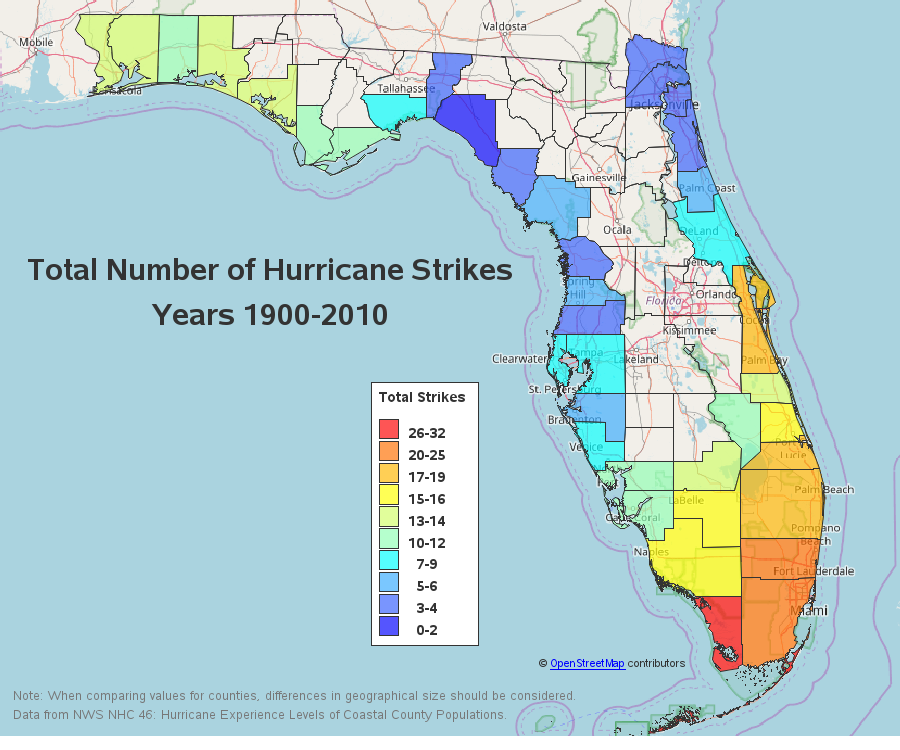
While the state as a whole experiences frequent activity, regional statistics further refine the picture. The Florida Panhandle and the southwest coast near Naples and Fort Myers have historically seen a higher frequency of landfalling storms compared to some central and northern parts of the state. However, the sheer density of population and infrastructure in areas like Miami and Orlando means that even an indirect hit or a weaker storm can cause widespread disruption. Orlando, while inland, can still experience hurricane-force winds and significant flooding, often leading to temporary closures of attractions like Walt Disney World Resort and Universal Orlando Resort. The Florida Keys are notoriously vulnerable, with frequent mandates for visitor evacuations when a strong storm approaches. Understanding these regional nuances can help travelers select their destination or adjust their plans accordingly, especially during peak hurricane season.
The Impact of El Niño and La Niña
Large-scale climate phenomena like El Niño and La Niña play a significant role in modulating Atlantic hurricane activity. During an El Niño phase, warmer-than-average sea surface temperatures in the equatorial Pacific typically lead to increased wind shear over the Atlantic, which tends to suppress hurricane formation and intensification. Conversely, during a La Niña phase, cooler Pacific waters often result in reduced wind shear in the Atlantic, creating more favorable conditions for hurricane development and thus potentially leading to more active hurricane seasons for Florida. These natural cycles introduce further variability into hurricane frequency. While these patterns offer a seasonal outlook, they do not predict specific storm tracks or landfalls. Forecasters at the National Hurricane Center (NHC) and NOAA use this and other data to provide annual hurricane season predictions, which travelers can consult for a general sense of the expected activity level.
Preparing for Travel During Hurricane Season
Traveling to Florida during hurricane season doesn’t mean you’re guaranteed to encounter a storm, but it does necessitate a higher degree of preparedness. With the right precautions, you can still enjoy your trip while minimizing potential risks.
Best Practices for Pre-Trip Planning
The first step in planning a hurricane season trip to Florida is thorough research. Monitor long-range weather forecasts for your specific destination in the weeks leading up to your departure. Have flexible travel arrangements if possible, looking for airlines and accommodations with lenient cancellation or rebooking policies. Keep digital copies of all important documents, including passports, identification, and booking confirmations. Pack a small emergency kit with essential medications, a first-aid kit, and a power bank for your phone. Research local emergency plans and know where the nearest shelters are located, even if you hope not to use them. For specific attractions like Everglades National Park or major theme parks, check their official websites for their hurricane policies and operational updates.
Travel Insurance: A Non-Negotiable Consideration
For anyone visiting Florida during hurricane season, comprehensive travel insurance is arguably the most important recommendation. Look for policies that specifically cover “weather-related disruptions,” “trip interruption,” and “trip cancellation” due to named storms. Understand the policy’s terms and conditions, especially regarding when coverage begins (often, you must purchase insurance before a storm is named or becomes a credible threat). A good policy can reimburse you for non-refundable expenses like flights and accommodations if your trip is canceled or cut short due to a hurricane, and may even cover emergency medical expenses or evacuation costs. This investment provides invaluable peace of mind, protecting your financial outlay against the unpredictable nature of tropical weather.
Staying Informed: Reliable Weather Sources
Once in Florida, or even before you leave, rely on official and authoritative sources for weather information. The National Hurricane Center (NHC) is the primary source for hurricane forecasts, advisories, and discussions. Their website (nhc.noaa.gov) and social media channels provide real-time updates. Local National Weather Service offices also offer detailed forecasts specific to individual counties. Tune into local news channels and radio stations, as they will provide region-specific emergency information, evacuation orders, and shelter locations. Avoid relying solely on social media or unofficial channels, which can sometimes spread misinformation. Always have a battery-powered or hand-crank radio as a backup in case of power outages.
Navigating Florida During a Storm Threat
Should a hurricane threaten your travel plans while you are in Florida, understanding the proper procedures and maintaining a calm approach are paramount. Local authorities are highly experienced in managing these situations.
Understanding Evacuation Orders
One of the most critical aspects of hurricane preparedness is understanding and adhering to evacuation orders. Florida counties issue mandatory or voluntary evacuation orders based on projected storm surge, wind impacts, and the integrity of structures. If you are in an evacuation zone (easily identifiable via county emergency management websites or apps), it is imperative that you leave as directed. These orders are issued for your safety, as emergency services may not be able to reach you during the height of a storm. Have a plan for where you will go – perhaps to an inland hotel, a friend’s house outside the evacuation zone, or a designated public shelter. Do not wait until the last minute, as roads can become congested and gas stations may run out of fuel.
Safety Tips for Travelers
If you find yourself in Florida during a hurricane threat, and are not in an evacuation zone, prioritize your safety:
- Stay Indoors: Remain inside a sturdy building, away from windows and glass doors.
- Monitor Updates: Continuously check official weather sources.
- Prepare for Power Outages: Charge all devices, have flashlights and extra batteries ready. Consider having some non-perishable food and bottled water.
- Avoid Floodwaters: Never drive or walk through floodwaters. “Turn around, don’t drown” is a critical mantra. Water depth can be deceptive, and roads can be washed out.
- Follow Hotel/Accommodation Guidance: If staying in a hotel or resort, follow their specific emergency instructions, as they will have established protocols.
- Communicate: Inform family or friends outside the affected area of your plans and status.
Post-Storm Recovery and Travel Adjustments
After a hurricane passes, the recovery phase begins. Roads may be impassable, power could be out for days or even weeks in severely impacted areas, and many businesses and attractions might remain closed. Travelers should expect disruptions and be flexible with their plans. Do not attempt to re-enter evacuated areas until authorities declare it safe. If your return flight is canceled, work with your airline and potentially your travel insurance provider for rebooking options. Remember that resources (like gasoline, food, and water) might be scarce in the immediate aftermath. Patience and understanding are key during this period, as local communities work tirelessly to restore normalcy. Always prioritize safety and allow time for critical infrastructure to be repaired.
Is Visiting Florida During Hurricane Season Worth It?
The question of whether to visit Florida during hurricane season often boils down to a personal risk assessment balanced against potential benefits. It’s not a simple yes or no answer, but rather a decision informed by careful consideration.
Advantages: Fewer Crowds and Lower Prices
One of the primary draws of visiting Florida during the hurricane season months (especially from late August through November, excluding holidays) is the often significant reduction in crowds. With many families returning to school and fewer people willing to risk hurricane disruptions, popular destinations like Orlando theme parks, Miami beaches, and the Florida Keys can feel much more relaxed. This reduction in demand often translates to lower prices for flights, accommodations, and even some attractions. Travelers seeking a more tranquil experience or looking to maximize their budget might find these advantages appealing. Moreover, outside of a named storm’s direct influence, the weather can often be beautiful, with warm temperatures and sunny skies, albeit with higher humidity and the occasional afternoon thunderstorm.
Disadvantages: Risk and Uncertainty
The most obvious disadvantage is the inherent risk and uncertainty associated with hurricane season. Despite the statistical likelihood of not being directly hit by a major hurricane during a specific trip, the possibility exists. A hurricane threat can lead to significant stress, last-minute travel changes, evacuation orders, and potentially ruin an entire vacation. Even if a storm doesn’t directly hit your destination, its presence in the wider region can cause flight delays or cancellations, affect cruise itineraries, or result in less-than-ideal weather conditions. For those who prefer certainty and a worry-free vacation, the hurricane season might be best avoided, especially during its peak.
Making an Informed Decision for Your Trip
Ultimately, the decision to visit Florida during hurricane season is a personal one. If you’re flexible with your travel dates, comfortable with the idea of last-minute changes, and are willing to invest in comprehensive travel insurance, the benefits of fewer crowds and lower costs can make it a worthwhile option. Adventurous travelers who are diligent about monitoring weather and have contingency plans in place might find excellent value. However, if you prioritize predictability, have strict schedules, or simply prefer to avoid any potential weather-related anxiety, it would be wise to plan your Florida getaway outside the official hurricane season, perhaps during the drier and cooler months from December to May. By understanding the frequency of storms, preparing thoroughly, and staying informed, you can make the best choice for your unique travel style and ensure a safe and memorable experience in the Sunshine State.
LifeOutOfTheBox is a participant in the Amazon Services LLC Associates Program, an affiliate advertising program designed to provide a means for sites to earn advertising fees by advertising and linking to Amazon.com. Amazon, the Amazon logo, AmazonSupply, and the AmazonSupply logo are trademarks of Amazon.com, Inc. or its affiliates. As an Amazon Associate we earn affiliate commissions from qualifying purchases.