
Florida, often dubbed the “Sunshine State,” is a perennial favorite for travelers seeking warm weather, beautiful beaches, and a vibrant atmosphere. However, as with any subtropical destination, understanding its rainfall patterns is crucial for planning the perfect getaway. While the image of relentless sunshine often prevails, Florida does experience rain, and its frequency and intensity vary significantly by region and season. Knowing when and where rain is most likely can help you maximize your enjoyment, whether you’re exploring the theme parks of Orlando, the historic charm of St. Augustine, or the pristine coastlines of the Florida Keys.
Understanding Florida’s Rainfall Climate
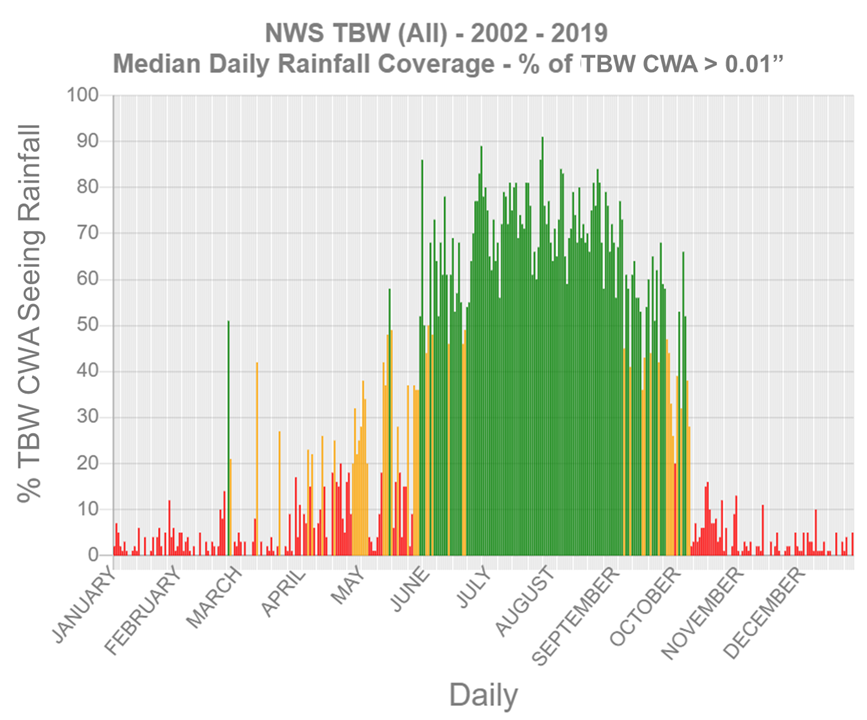
Florida’s climate is predominantly humid subtropical, characterized by hot, humid summers and mild winters. This distinct climate dictates the rainfall patterns experienced across the state. The state experiences two primary seasons that influence precipitation: a wet season and a dry season. The wet season typically runs from June through September, coinciding with the summer months. During this period, afternoon thunderstorms are a common occurrence. These storms are often brief but can be intense, bringing heavy downpours, lightning, and strong winds. They typically develop due to the intense solar heating of the land, which creates unstable atmospheric conditions.
The dry season, conversely, generally spans from October through May. While precipitation is less frequent during these months, it doesn’t mean rain is absent. Occasional cold fronts can bring light to moderate rain, particularly in the northern parts of the state. Understanding this seasonal shift is fundamental to anticipating Florida’s weather.
Regional Variations in Rainfall
Florida’s geography, stretching from the panhandle in the north to the southern tip, leads to noticeable regional differences in rainfall.
Northern Florida
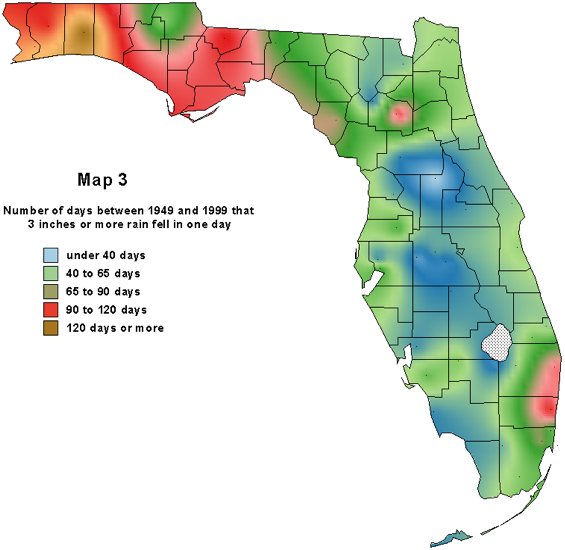
The panhandle and northern Florida, including cities like Jacksonville and Tallahassee, tend to receive more rainfall annually than the southern parts of the state. This is partly due to their proximity to weather systems moving in from the Gulf of Mexico and the Atlantic Ocean. They experience a more distinct wet season, with a higher likelihood of prolonged rainfall events, especially during the hurricane season.
Central Florida
Central Florida, encompassing major tourist hubs like Orlando and the Space Coast, experiences a classic subtropical rainfall pattern. Afternoon thunderstorms are the hallmark of its wet season. These events are often predictable, usually occurring in the late afternoon or early evening, leaving mornings and early afternoons clear and sunny, perfect for outdoor activities.
Southern Florida
Southern Florida, including the Everglades and cities like Miami and Fort Lauderdale, is known for its high humidity and propensity for tropical weather. The wet season here is pronounced, with frequent heavy downpours and a greater susceptibility to tropical storms and hurricanes. Despite the high annual rainfall, much of it is concentrated in intense, short-duration events.
The Impact of Hurricane Season
Florida’s location makes it particularly vulnerable to tropical cyclones, which significantly impact rainfall patterns, especially during the Atlantic hurricane season, which officially runs from June 1st to November 30th. While not every storm makes landfall in Florida, the state is frequently affected by the outer bands of these systems, leading to widespread rain, flooding, and high winds. The most intense rainfall events often occur during these periods.
Preparedness and Travel Planning
For travelers, understanding hurricane season is paramount. While the peak of the season is typically from August to October, storms can develop at any time within the designated period. It is advisable to monitor weather forecasts closely when planning a trip during these months and to consider travel insurance that covers weather-related cancellations or disruptions. Many resorts and hotels in Florida have robust preparedness plans and offer flexible booking options during hurricane threats.
Seasonal Rainfall Averages and Patterns
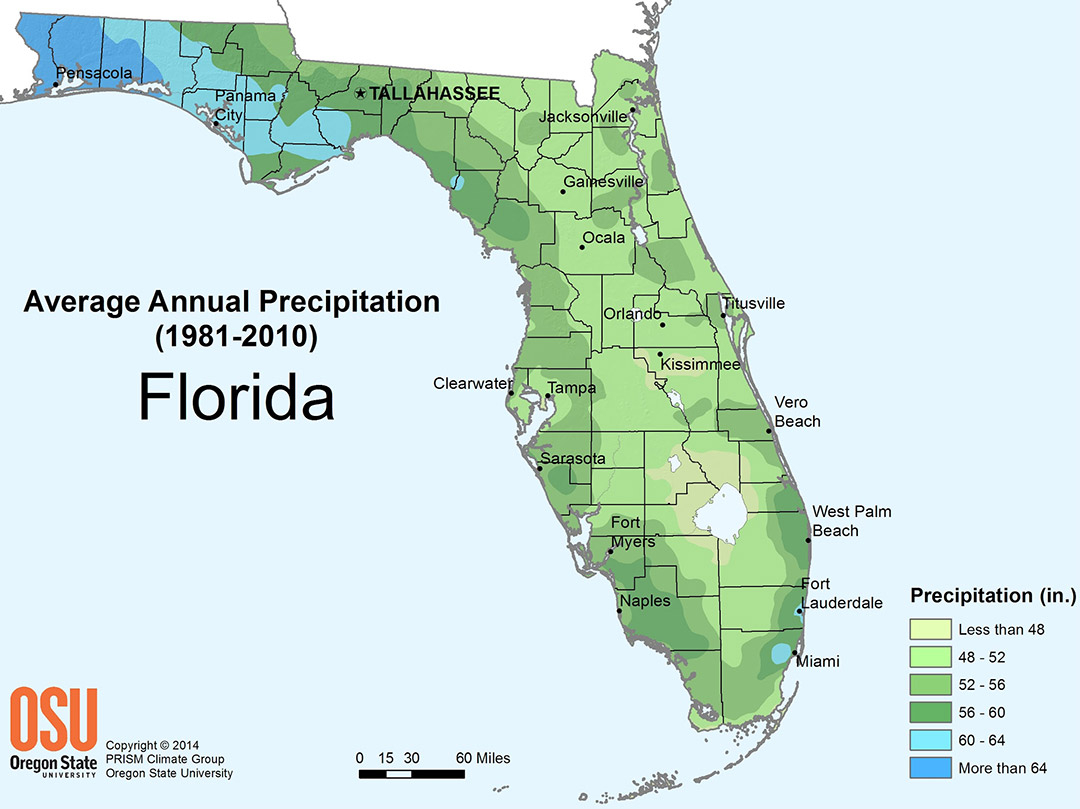
To better illustrate the rainfall variations, consider the general averages and patterns throughout the year:
Spring (March – May)
Spring is generally one of Florida’s drier seasons. While occasional showers can occur, especially as the season progresses towards summer, this period often offers pleasant weather with lower humidity and a reduced chance of significant rainfall. This makes spring an ideal time for many outdoor activities and exploration of attractions like Disney World or the beaches of Clearwater.
Summer (June – August)
Summer is unequivocally Florida’s wet season. The high humidity and intense heat fuel frequent afternoon thunderstorms. These are typically brief, often lasting an hour or two, but they can be accompanied by lightning and heavy downpours. Despite these storms, mornings and early afternoons are usually sunny and warm, allowing for ample opportunity to enjoy the state’s numerous outdoor attractions. The average rainfall in many parts of Florida during summer can exceed 6 inches per month.
Fall (September – November)
Fall marks the transition from the wet to the dry season. September and October are still within hurricane season and can bring significant rainfall from tropical systems. However, as November approaches, the frequency and intensity of rain generally decrease. The weather becomes more temperate, and the humidity levels drop, making fall a very popular time to visit Florida, particularly for those who wish to avoid the summer heat and humidity.
Winter (December – February)
Winter is Florida’s dry season. While it’s not completely devoid of rain, precipitation is significantly less frequent compared to the summer months. Cold fronts can sweep through the state, bringing occasional rain, but these are usually short-lived. This period is characterized by mild temperatures and lower humidity, making it an excellent time for outdoor recreation and exploring cities like Tampa or enjoying the natural beauty of places like Bok Tower Gardens.
Practical Tips for Visitors
Knowing when and where it rains in Florida can significantly enhance your travel experience. Here are some practical tips to help you prepare:
Pack Appropriately
Regardless of the season, it’s wise to pack a light, waterproof jacket or an umbrella. Even during the dry season, unexpected showers can occur. During the wet season, especially in summer, these items are essential. Quick-drying clothing can also be beneficial.
Plan Your Activities Wisely
If traveling during the wet season, schedule your most important outdoor activities for the mornings. This strategy allows you to enjoy the typically sunny early hours before the afternoon thunderstorms typically roll in. Many indoor attractions, such as museums, aquariums, and of course, the world-renowned theme parks, offer excellent options for rainy days.
Stay Informed About Weather Forecasts
Always check the local weather forecast before heading out for the day. Weather patterns in Florida can change rapidly, especially during the summer months. Local news channels and weather apps provide real-time updates on developing storms.
Embrace the Rain
While rain might disrupt some outdoor plans, it’s also an integral part of Florida’s vibrant ecosystem. Afternoon thunderstorms can be dramatic and exciting to witness, and they often bring a refreshing cool-down after a hot day. Embrace the tropical experience, and remember that even rainy days in Florida offer unique opportunities for enjoyment. Whether you are enjoying a leisurely brunch at a seaside café or exploring the indoor exhibits at the Dalí Museum, rain doesn’t have to dampen your spirits.
LifeOutOfTheBox is a participant in the Amazon Services LLC Associates Program, an affiliate advertising program designed to provide a means for sites to earn advertising fees by advertising and linking to Amazon.com. Amazon, the Amazon logo, AmazonSupply, and the AmazonSupply logo are trademarks of Amazon.com, Inc. or its affiliates. As an Amazon Associate we earn affiliate commissions from qualifying purchases.