
When planning a trip to Hawaii, the image of a sun-drenched paradise is often the primary motivator. Travelers envision endless blue skies and golden sands stretching across the Pacific Ocean. However, the lush, emerald landscapes that define the islands of the United States’ 50th state would not exist without the frequent, life-giving rain. Understanding how often it rains in this tropical archipelago is essential for any traveler looking to optimize their itinerary and set realistic expectations for their island getaway.
Rainfall in Hawaii is not a simple “wet vs. dry” daily occurrence. Instead, it is a complex interplay of trade winds, mountainous topography, and seasonal shifts. While some areas are among the wettest on Earth, others receive less rain than a desert. This variation means that regardless of the forecast, you can almost always find a patch of sunshine if you are willing to drive a few miles.
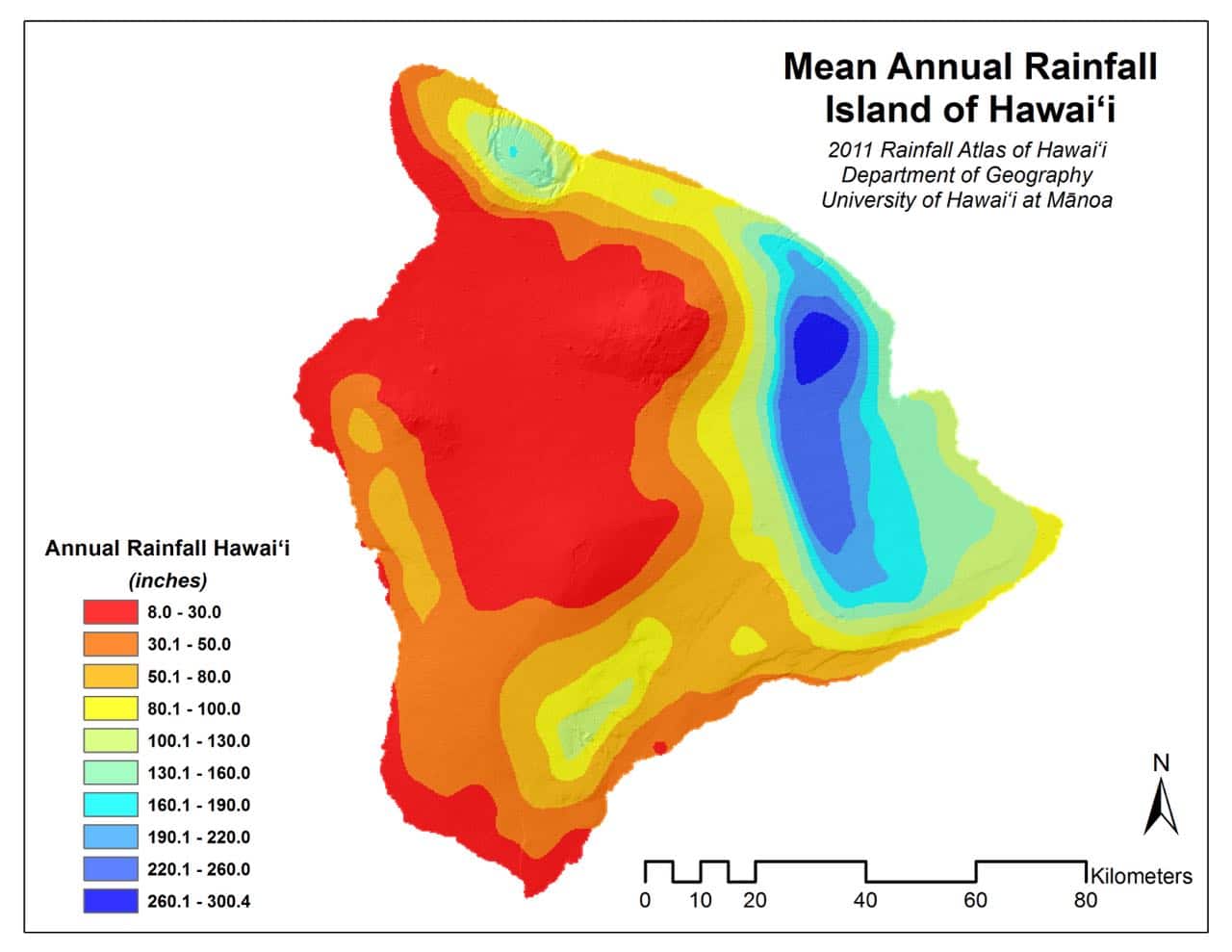
Understanding Hawaii’s Microclimates and Trade Winds
The most critical factor in Hawaii weather is the presence of the Northeast Trade Winds. These winds blow across the ocean, picking up moisture and pushing it toward the islands. When this moist air hits the steep volcanic mountains, it is forced upward, cools, and condenses into clouds, resulting in rain. This phenomenon creates distinct microclimates that can vary wildly within a single island.
Windward vs. Leeward: The Great Divide
The islands are generally divided into “Windward” and “Leeward” sides. The Windward side—the north and east—is the direction from which the trade winds blow. These regions receive the brunt of the rainfall, making them incredibly lush, green, and full of waterfalls. Cities like Hilo on the Island of Hawaii are classic examples of windward climates.
Conversely, the Leeward side—the south and west—is shielded by the mountains. As the air moves over the peaks and descends, it warms up and dries out. This creates a “rain shadow” effect, resulting in much drier, sunnier conditions. Popular tourist hubs like Waikiki on Oahu and Kona on the Big Island are located on the leeward sides, which is why they are so favored by sun-seekers.
The Role of Elevation and Mountains
Elevation plays a massive role in how often it rains. Coastal areas tend to be much drier than the mountainous interiors. For instance, Mount Waialeale on Kauai is legendary for being one of the wettest spots on the planet, receiving over 450 inches of rain annually. Meanwhile, just a short distance away at the coast, the rainfall is significantly lower. Travelers visiting high-altitude attractions like Mauna Kea or Haleakala National Park should be prepared for rapid weather changes, as clouds often ring the mid-level elevations even when the peaks and shores are clear.
Seasonal Rainfall Patterns: Choosing the Best Time to Visit
While Hawaii is a year-round destination with relatively stable temperatures, there are two distinct seasons: the dry season and the wet season. However, even during the “wet” season, it is rare for rain to last all day. Most showers are passing bursts that disappear as quickly as they arrive, often leaving behind a rainbow.
Summer: The Dry Season (April to October)
From April through October, Hawaii experiences its summer, characterized by warmer temperatures and significantly less rainfall. During these months, the trade winds are consistent, providing a cooling breeze that keeps the humidity manageable. For travelers who prioritize beach time, snorkeling, and hiking, this is generally considered the best time to visit. Rainfall during the summer is usually confined to the overnight hours or early mornings on the windward coasts, leaving the daytime clear for exploration.
Winter: The Wet Season (November to March)
The winter months bring more frequent and widespread rain. This is also the time when “Kona Storms” occur. Unlike the typical trade wind showers, a Kona Storm is a low-pressure system that moves in from the opposite direction (the west). These storms can bring heavy, sustained rain to the leeward sides of the islands that are usually dry.
Despite being the wet season, winter is a peak travel period for those escaping the cold of North America. The rain contributes to the spectacular winter swells on the North Shore of Oahu, making it the prime season for professional surfing. If you visit during this time, you may experience a few gray days, but the temperatures remain comfortable, usually in the high 70s or low 80s Fahrenheit.
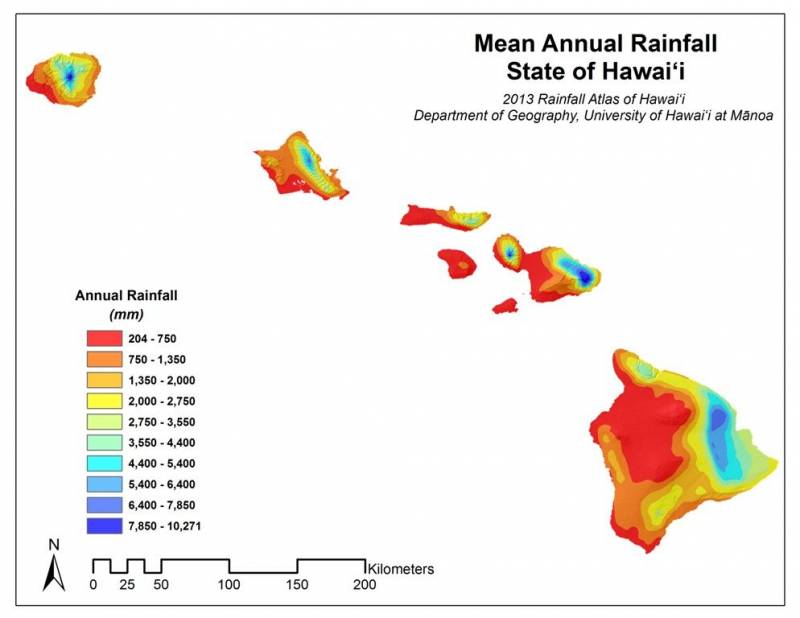
Rainfall Guide by Island: What to Expect in Each Destination
Every island has its own unique weather personality. Knowing where the rain falls can help you choose the right base for your vacation.
Kauai: The Garden Isle
Kauai is the oldest and lushest of the main islands, and its nickname, the Garden Isle, is a direct result of its rainfall. Because it is the first island to meet the trade winds, it receives more rain on average than the others. The North Shore, including Hanalei Bay, is stunningly green but prone to frequent showers. If you want the best chance of dry weather on Kauai, head to the south shore to stay in Poipu. Even with the rain, a visit to Waimea Canyon is a must; the red dirt contrasted with the green cliffs is a sight that requires the island’s signature moisture to maintain.
Oahu: The Gathering Place
Oahu offers a great balance of weather. Honolulu and Waikiki are situated on the dry south coast, meaning you will likely enjoy sunny days even when it is pouring on the other side of the island. Iconic landmarks like Diamond Head and Pearl Harbor are located in these drier zones. However, if you drive toward the Windward Coast to visit Kailua, you should expect more variable weather. The North Shore of Oahu also sees significant rain in the winter, which feeds the massive waves.
Maui: The Valley Isle
Maui is famous for its dramatic climate shifts. The west side, featuring Lahaina and Kaanapali, as well as the south side near Kihei and Wailea, are very dry and sunny. In contrast, the Road to Hana takes you through a dense rainforest on the windward slopes of Haleakala. This area is one of the wettest in the world, filled with hundreds of waterfalls and lush tropical flora. If you are staying in Kapalua, you might experience more wind and occasional mist compared to the calmer Kihei.
Island of Hawaii: The Big Island
The Big Island is so large that it contains 8 of the world’s 13 climate zones. The contrast between Hilo and Kailua-Kona is the most famous weather divide in Polynesia. Hilo is one of the wettest cities in the United States, with rain falling nearly 270 days a year. This keeps the nearby Hawaii Volcanoes National Park and the local botanical gardens vibrant. On the opposite side, the Kona and Kohala coasts are solidified lava fields that receive very little rain, offering some of the most consistent sunshine in the state.
Practical Tips for Navigating Rain on Your Hawaiian Vacation
Rain should never ruin a trip to Hawaii. In fact, many locals welcome the rain as it brings “liquid sunshine” and the essential water needed for the islands to thrive.
What to Pack for Variable Weather
When packing for Hawaii, think in layers. Even if you are staying on the sunny side of the island, a day trip to the mountains or the windward coast will likely require different gear. A lightweight, breathable rain shell is a must-have item. It keeps you dry during a sudden tropical downpour without causing you to overheat in the humidity. Quick-dry fabrics for hiking shorts and shirts are also highly recommended. If you plan on visiting high-altitude spots like Mauna Loa, remember that it can actually snow at the summit, so a warmer fleece may be necessary.
Best Rainy Day Activities
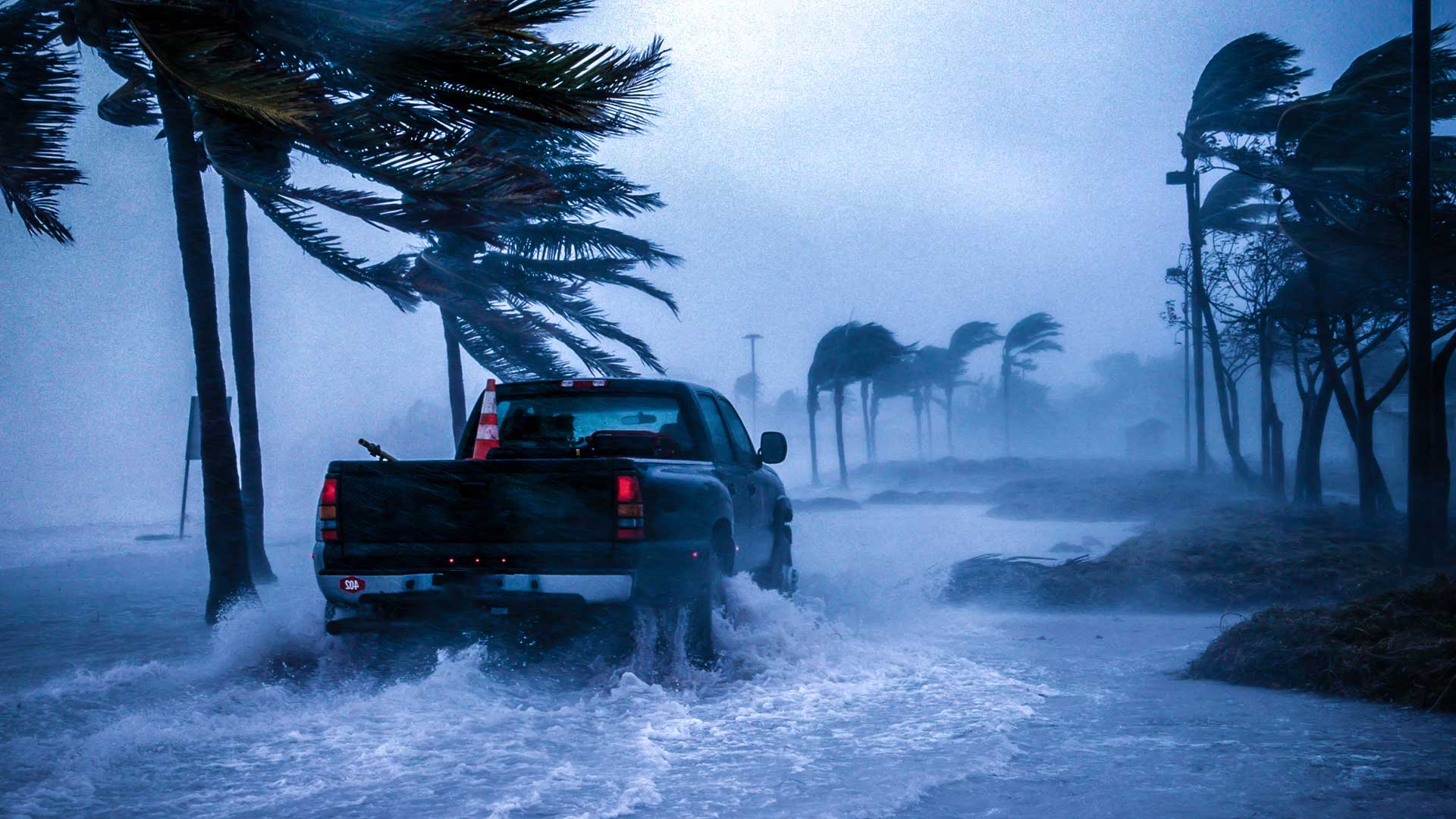
If you find yourself in the middle of a rare sustained rain event, there are plenty of ways to enjoy the islands. This is the perfect time to visit indoor cultural centers and museums. On Oahu, the Bishop Museum offers an incredible look into the history of Hawaii. Shopping is another popular rainy-day alternative, with the Ala Moana Center providing a mix of open-air and sheltered retail therapy.
Alternatively, you can lean into the weather. Rain is the best time to see the waterfalls at their most powerful. A helicopter tour over Kauai during or after a rain shower is a transcendental experience, as hundreds of “temporary” waterfalls appear on the cathedral cliffs of the Napali Coast.
Ultimately, rain in Hawaii is part of the experience. It is the reason for the fragrance of plumeria in the air, the deep greens of the valleys, and the abundance of fresh fruit at the local markets. By understanding the patterns and planning accordingly, you can ensure that the frequency of rain only adds to the beauty and magic of your journey through the islands. Whether you are exploring the remote reaches of Molokai or the quiet luxury of Lanai, the rain is a reminder of the natural forces that continue to shape this extraordinary destination.
LifeOutOfTheBox is a participant in the Amazon Services LLC Associates Program, an affiliate advertising program designed to provide a means for sites to earn advertising fees by advertising and linking to Amazon.com. Amazon, the Amazon logo, AmazonSupply, and the AmazonSupply logo are trademarks of Amazon.com, Inc. or its affiliates. As an Amazon Associate we earn affiliate commissions from qualifying purchases.