
For anyone envisioning a journey across the sun-drenched landscapes of California, setting up a new life amidst its vibrant cities, or simply planning an extended stay, understanding the state’s vehicle regulations is as crucial as knowing where to find the best accommodations or the most captivating landmarks. Among these regulations, the smog check stands out as a quintessential part of vehicle ownership in the Golden State. It’s not just a bureaucratic hurdle; it’s a commitment to environmental stewardship, clean air, and preserving the breathtaking natural beauty that defines the California lifestyle. This comprehensive guide aims to demystify the smog check process, explaining its frequency, necessity, and how it integrates seamlessly into the experience of living, working, and traveling throughout this diverse state.
Understanding California’s Smog Check Mandate: A Traveler’s and Resident’s Guide
California’s robust smog check program is a cornerstone of its efforts to combat air pollution and improve public health. Initiated decades ago, it has evolved into a sophisticated system designed to ensure that vehicles operating on the state’s roads meet stringent emissions standards. For those exploring the idea of a long-term stay, perhaps renting a charming villa in Napa Valley or settling into a bustling Los Angeles apartment, understanding these rules is paramount. It affects everything from renewing your vehicle registration to buying or selling a car within the state, impacting a smooth transition into the California way of life.
The Biennial Requirement and Key Triggers
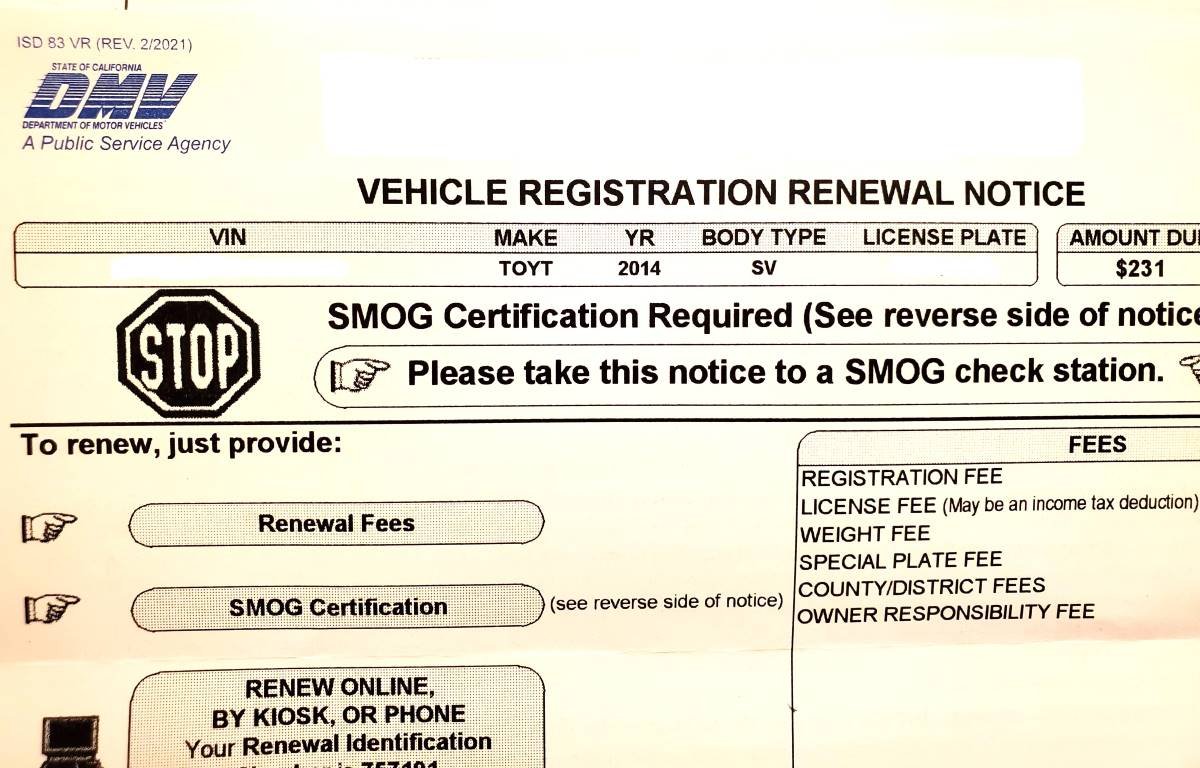
The most common question regarding smog checks in California is: “How often?” The answer, for most vehicles, is biennially, meaning once every two years. This regular inspection is a mandatory part of the vehicle registration renewal process in the vast majority of California counties. When your registration is due, the California Department of Motor Vehicles (DMV) will send you a renewal notice indicating whether a smog check is required.
However, the biennial schedule isn’t the only trigger for a smog check. There are other critical instances when your vehicle will need an inspection:
- Selling a Vehicle: If you are selling a vehicle in California, the seller is responsible for providing the buyer with a valid smog certification at the time of sale. This certification must be issued within 90 days prior to the date of sale. This rule is particularly important for those who might be moving to California and purchasing a used car, or for residents looking to upgrade their ride before embarking on new travel destinations.
- Registering a Vehicle from Out-of-State: If you’re bringing a vehicle into California from another state, a smog check is generally required for its initial registration, regardless of its age or previous inspection history. This ensures that all vehicles contributing to California’s air quality meet local standards from day one. This scenario is incredibly common for new residents, including those moving for work in Silicon Valley or drawn by the vibrant tourism industry in Southern California.
- Certain Registration Renewals: While typically biennial, some vehicles might be selected for annual or even more frequent checks, particularly if they have a history of emissions issues.
Understanding these triggers is essential for anyone integrating into the California automotive landscape, whether for a scenic drive along Highway 1 or a daily commute through San Francisco.
Navigating Exemptions: Who Needs a Smog Check (and Who Doesn’t)?
While the smog check requirement is widespread, California does provide several exemptions. These exemptions are designed to balance environmental protection with practical considerations for various vehicle types and age categories. Knowing these can save time and provide clarity, especially for those considering which vehicle to bring or purchase when planning a move or extended stay.
The primary exemptions include:
- Newer Vehicles (8 Model Years and Newer): This is perhaps the most significant exemption. Vehicles that are less than eight model years old are generally exempt from biennial smog checks. For example, in 2024, vehicles model year 2017 and newer would be exempt. This exemption is particularly appealing for residents who enjoy leasing or purchasing new vehicles, ensuring hassle-free registration for several years. However, even these newer vehicles are not exempt from an initial smog check if they are being sold or brought into California from out-of-state.
- Electric Vehicles (EVs): As California champions green travel and sustainable lifestyles, all-electric vehicles produce zero tailpipe emissions and are thus entirely exempt from smog checks. This makes EVs an increasingly attractive option for residents and long-term visitors looking to minimize their environmental footprint while exploring destinations from San Diego to Redwood National Park.
- Motorcycles: Motorcycles are also exempt from California smog check requirements, recognizing their typically lower emissions profile and different engine designs.
- Diesel Vehicles (1997 and Older, or with a Gross Vehicle Weight Rating over 14,000 lbs): Diesel vehicles manufactured in 1997 or earlier, and those with a gross vehicle weight rating (GVWR) of over 14,000 pounds, are exempt. However, newer diesel vehicles (1998 and newer) under 14,000 lbs GVWR do require a smog check. This differentiation is important for those who rely on heavy-duty trucks or RVs for their California adventures, perhaps caravanning to a resort near Lake Tahoe or exploring the vastness of Death Valley National Park.
- Natural Gas Vehicles (over 14,000 lbs GVWR): Similar to heavy-duty diesels, natural gas vehicles with a GVWR over 14,000 pounds are exempt.
- Historical Vehicles (1975 and Older): Vehicles manufactured in 1975 or earlier are considered classic or collector vehicles and are generally exempt from smog checks. This celebrates California’s rich automotive history and the passion for vintage cars often seen cruising along coastal roads in Santa Monica or during car shows in Pebble Beach.
- Vehicles in Certain Rural Counties: A small number of very rural counties in California have partial or full exemptions from the smog check program, due to lower population density and different air quality concerns. However, the vast majority of the state, including all major metropolitan areas and popular tourist destinations, are included in the program.
Understanding these nuances is key to smoothly navigating vehicle ownership or rental for an extended period in California. For visitors planning an epic California road trip, it’s particularly important if considering purchasing a vehicle or using a car that might be due for inspection.
Beyond Compliance: Why Smog Checks Enhance the California Experience
While the smog check might seem like a regulatory chore, its underlying purpose profoundly enhances the very essence of the California experience. From the clean air needed to enjoy outdoor adventures to the seamless travel across diverse regions, the program is intricately linked to the state’s appeal as a premier destination for both visitors and residents. It’s an investment in the quality of life that draws millions to its shores, mountains, and deserts.
Preserving California’s Iconic Landscapes and Urban Air
California’s allure lies in its stunning natural beauty and its vibrant urban centers. Imagine hiking through Yosemite National Park, breathing crisp mountain air, or strolling through the historic streets of San Francisco with clear skies above. This vision is actively protected by policies like the smog check program. Vehicle emissions are a major contributor to air pollution, which can obscure views, harm ecosystems, and pose serious health risks. By ensuring vehicles meet strict standards, California actively works to:
- Protect Natural Landmarks: Reduced smog means clearer vistas at Big Sur, healthier trees in Redwood National Park, and pristine conditions for wildlife in Joshua Tree National Park. These efforts make California an unparalleled choice for nature tourism.
- Improve Urban Air Quality: In bustling cities like Los Angeles, San Diego, and Sacramento, cleaner air directly translates to better public health, more enjoyable outdoor activities, and an overall higher quality of urban lifestyle. This is vital for residents and for tourists exploring famous attractions like Hollywood or Disneyland Resort.
- Promote Sustainable Travel: The smog check program complements California’s broader commitment to sustainability, encouraging the adoption of cleaner vehicles and responsible environmental practices, which is a growing trend in global travel.
From the majestic peaks of the Sierra Nevada to the serene beaches of Malibu, the smog check plays an unseen yet critical role in maintaining the state’s environmental health, directly benefiting every visitor and resident.
Seamless Journeys: Smog Checks and Your Golden State Road Trip
For many, the quintessential California experience involves hitting the open road, exploring diverse destinations from the wine country of Sonoma County to the deserts around Palm Springs. A smooth road trip, however, relies not only on good planning and exciting hotels but also on a compliant vehicle. Knowing your vehicle is properly maintained and has passed its smog check ensures that your adventures remain uninterrupted by regulatory issues.
Imagine driving across the iconic Golden Gate Bridge or venturing into the vast wilderness of Anza-Borrego Desert State Park. If you’re residing in California for an extended period, perhaps for work or study, and rely on your vehicle for exploring the state on weekends, an expired smog certification could lead to registration issues, fines, and delays. This is particularly relevant for digital nomads or those on long-term sabbaticals who embrace the freedom of exploring California’s numerous attractions at their own pace. By keeping your vehicle’s smog check current, you ensure:
- Uninterrupted Registration: Your vehicle registration remains active, preventing legal complications.
- Peace of Mind: You can focus on enjoying the scenic routes, whether it’s the coastal drive through Monterey and Carmel-by-the-Sea or a mountain escape to Big Bear Lake.
- Contribution to a Shared Goal: You are playing your part in maintaining the clean air that makes California’s outdoor wonders so spectacular.
For those considering moving to or spending a significant amount of time in California, integrating vehicle maintenance, including smog checks, into your routine is as natural as enjoying the diverse culinary scene or exploring local culture.
The Smog Check Process: What to Expect and How to Prepare
The thought of a mandatory vehicle inspection can sometimes feel daunting, especially for newcomers to California. However, the smog check process is generally straightforward and designed to be efficient. Understanding the steps involved can alleviate any apprehension and help you prepare, ensuring a smooth experience whether you’re a long-time resident or just settling into a new apartment in Oakland.
Finding a Certified Smog Check Station
The first step is to locate a certified smog check station. California has a vast network of these stations, easily identifiable by their signage. Many service stations, repair shops, and dedicated emissions testing centers are licensed to perform smog checks.
Crucially, some vehicles may need to go to a STAR Program Station. These stations meet higher performance standards set by the Bureau of Automotive Repair (BAR) and are authorized to perform tests on all vehicles, including those requiring extra scrutiny due to their history of emissions issues or specific inspection programs. Your DMV renewal notice will typically indicate if your vehicle requires a STAR Program station. Finding a station is simple; the BAR website offers an online locator tool, allowing you to find the nearest certified center, perhaps close to your hotel suite in Santa Barbara or your temporary accommodation in San Jose.
What Happens During (and After) Your Vehicle’s Inspection
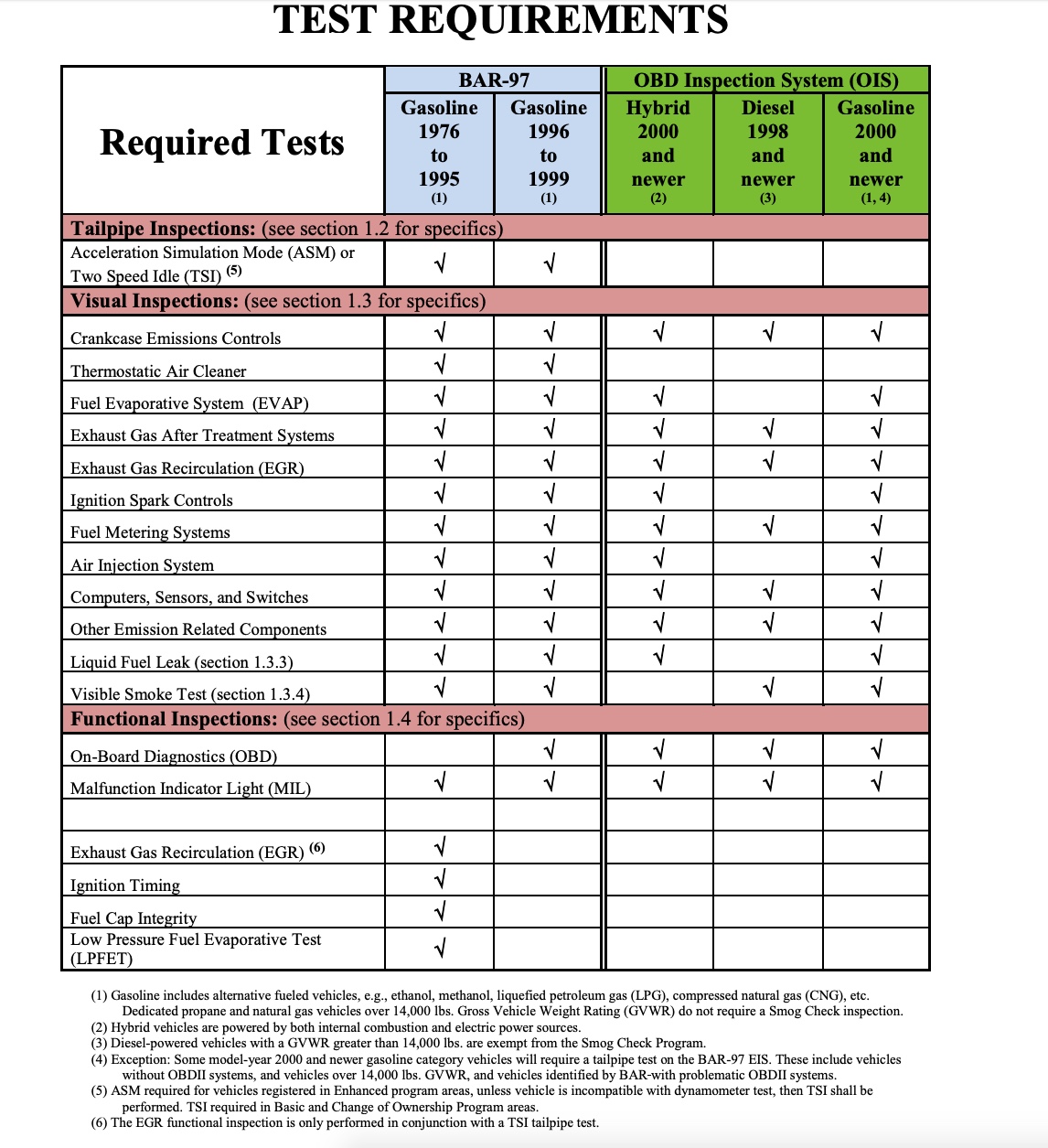
Once you arrive at a certified station, the smog check itself is a relatively quick process, typically taking about 20-30 minutes. The inspection involves several key components:
- Visual Inspection: The technician will visually check for the presence and proper connection of various emissions control components, ensuring no modifications have been made that would bypass these systems.
- Functional Check: This includes checking the ignition timing, exhaust gas recirculation (EGR) valve, fuel evaporative system, and the “Check Engine” light operation.
- On-Board Diagnostic (OBD) System Test: For most vehicles model year 2000 and newer, the technician will connect to your vehicle’s On-Board Diagnostic (OBD-II) system. This computer system monitors the performance of your vehicle’s emissions control components. The technician will check for any stored “trouble codes” that indicate a malfunction and ensure all emission monitors have completed their self-tests.
- Tailpipe Emissions Test: Older vehicles (typically 1999 and older) may undergo a “tailpipe test,” where a probe is inserted into the exhaust pipe to measure actual emissions while the vehicle is run on a dynamometer (a treadmill for cars). This simulates driving conditions.
After the Inspection:
- Passing: If your vehicle passes, the station will electronically submit the certificate to the DMV on your behalf. You’ll receive a paper copy for your records. You can then proceed with renewing your vehicle registration.
- Failing: If your vehicle fails, you will receive a diagnostic report detailing the reasons for failure. You’ll need to have the necessary repairs performed. California offers assistance programs, such as the Consumer Assistance Program (CAP), which can help eligible consumers with repair costs or even vehicle retirement. After repairs, your vehicle will need a retest.
To prepare for a smog check, ensure your vehicle is well-maintained, your “Check Engine” light is off, and you’ve driven it sufficiently (for newer vehicles, to allow the OBD monitors to complete their cycles). This proactive approach ensures that your vehicle is ready for inspection, allowing you to continue enjoying all that California has to offer, from the bustling streets of Beverly Hills to the tranquil paths of Point Reyes National Seashore.
Smog Checks in Context: Adapting to the California Lifestyle
The smog check program is more than just a regulatory formality; it’s an integral part of the California lifestyle and a reflection of the state’s deep-seated commitment to environmental quality. For anyone considering making California their temporary or permanent home, understanding and adapting to this system is key to a smooth and enjoyable experience. It’s about blending into a culture that values clean air, sustainable living, and responsible vehicle ownership.
Making California Home: Vehicle Registration and Long-Term Stays
Whether you’re moving to California for a new job in San Jose, an extended academic program in Berkeley, or simply to embrace the laid-back coastal vibe of Santa Cruz, registering your out-of-state vehicle is one of the first tasks on your to-do list. This is where the smog check requirement becomes immediately relevant. Without a valid smog certificate (unless exempt), you cannot complete your initial California vehicle registration.
For those planning long-term stays, perhaps enjoying the amenities of a luxurious resort in Laguna Beach for several months or setting up a home office in Palo Alto, maintaining vehicle compliance is an ongoing responsibility. The biennial smog check will become a regular part of your vehicle maintenance schedule, much like oil changes or tire rotations. It integrates into the rhythm of life, reminding residents of their collective role in maintaining the state’s environmental health.
Furthermore, for individuals coming from states with less stringent emissions regulations, the California smog check can sometimes present unexpected challenges. It emphasizes the need for proper vehicle maintenance and might even influence decisions about whether to bring an older vehicle or purchase a newer, more compliant one upon arrival. This decision often ties into the overall budget for relocation and the desired lifestyle, whether it’s luxury travel with a new electric car or budget travel with a reliable older model.
Ultimately, the question of “How often smog check California?” is answered with a clear biennial requirement for most vehicles, triggered by registration renewals, sales, and out-of-state registrations. While exemptions exist, the program’s reach is broad, underscoring California’s unwavering dedication to clean air. Embracing this regulation is not just about compliance; it’s about appreciating and contributing to the exceptional quality of life and the pristine environments that make the Golden State an unparalleled destination for travel, tourism, and making a home. It ensures that the air over Disneyland Resort is clear, the vistas from Hearst Castle are unobstructed, and every road trip, from San Diego to the Oregon border, is experienced under the clearest possible skies.
