
The majestic redwoods of California stand as living monuments to time, whispering tales of millennia through their colossal trunks. For any traveler seeking a profound connection with nature, an encounter with these ancient giants is an unparalleled experience, blending the thrill of discovery with a deep sense of historical wonder. These iconic trees, a cornerstone of California’s natural heritage and a prime landmark for tourism, draw visitors from across the globe, eager to witness their breathtaking scale and contemplate their incredible longevity.
The question of their age is not merely academic; it’s an invitation to marvel at the endurance of life itself. Depending on the species, the redwoods found in California can live for an astonishing number of years, making them some of the oldest living organisms on Earth. Their immense size, coupled with their venerable age, solidifies their status as one of the world’s most remarkable natural attractions and a must-see for anyone on a California travel itinerary.
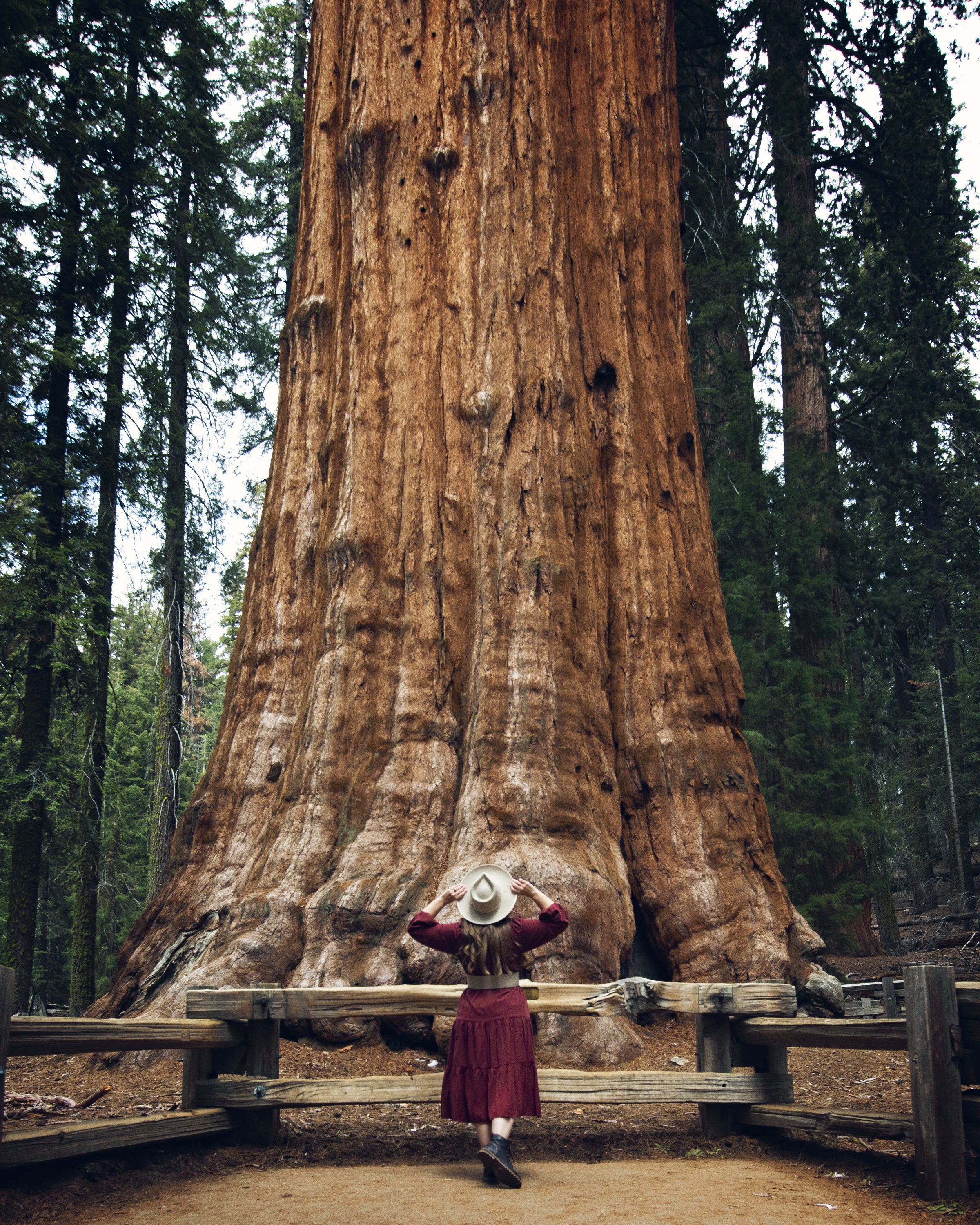
Unveiling the Ancient Sentinels: The Remarkable Age of Redwoods
When we speak of “redwoods” in California, we are typically referring to two distinct species: the Coast Redwood (Sequoia sempervirens) and the Giant Sequoia (Sequoiadendron giganteum). Each possesses its own unique characteristics and, crucially, its own impressive lifespan. Understanding the differences between these two titans is key to appreciating their individual stories of endurance.
Coast Redwoods vs. Giant Sequoias: A Tale of Two Titans
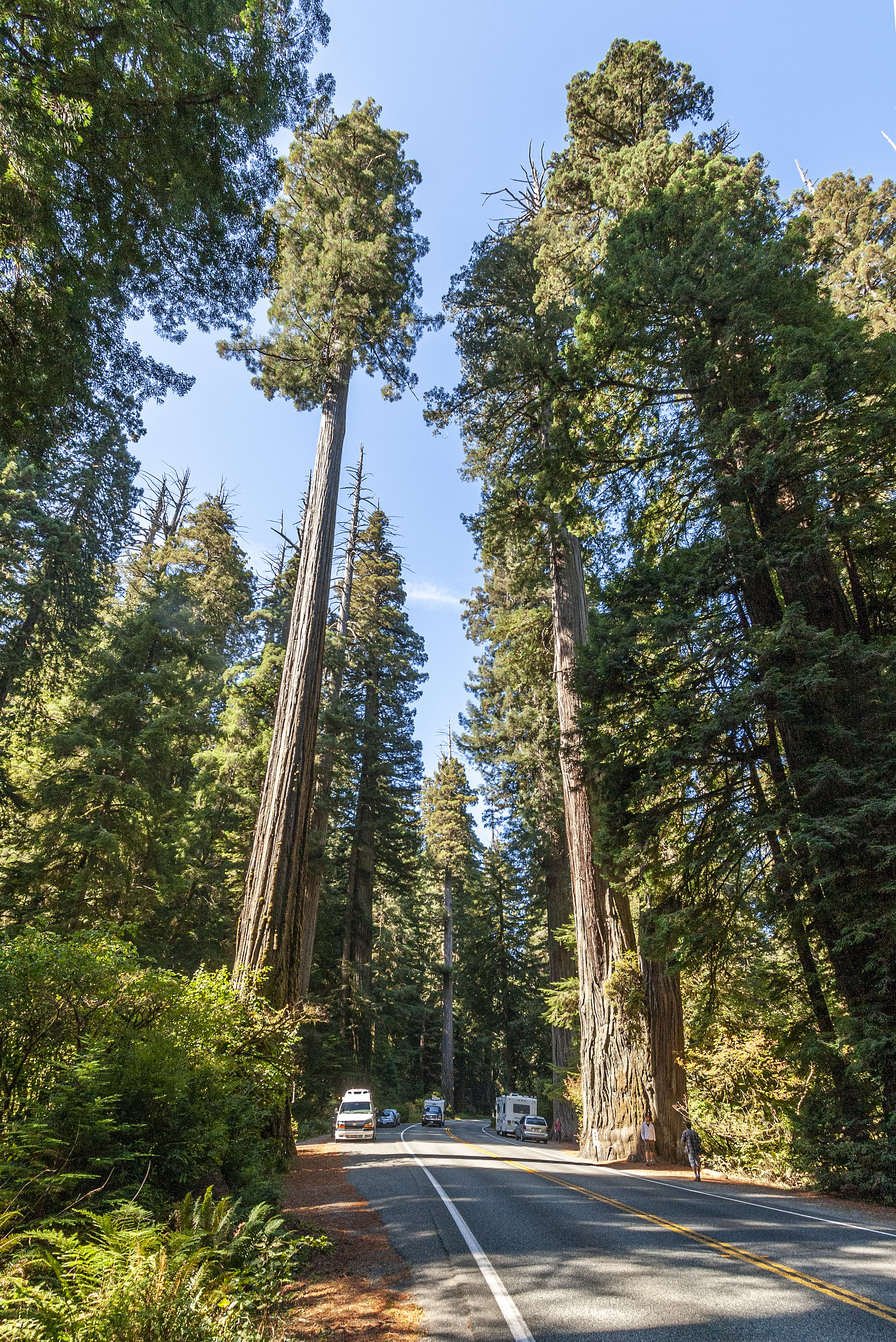
Coast Redwoods (Sequoia sempervirens): These are the world’s tallest trees, often found draped in the coastal fog that sustains their immense growth. Primarily growing along the Pacific Coast from southern Oregon down to Big Sur, California, they thrive in the moist, temperate climate.
- Average Lifespan: Coast Redwoods typically live for 600 to 2,000 years.
- Maximum Recorded Age: The oldest known Coast Redwood is estimated to be over 2,200 years old. Imagine a tree that began its life before the Roman Empire was at its zenith, standing sentinel through countless human civilizations and natural events. These ancient specimens are primarily found in protected areas such as Redwood National and State Parks.
- Characteristics: While they are the tallest, they are not quite as massive in trunk diameter as their Giant Sequoia cousins. Their bark is thick, fibrous, and reddish-brown, offering natural protection against fire and pests. A visit to groves like those in Humboldt Redwoods State Park or Muir Woods National Monument offers a truly immersive experience beneath their towering canopy.
Giant Sequoias (Sequoiadendron giganteum): These are the world’s most massive trees by volume, though not typically the tallest. They are found exclusively on the western slopes of the Sierra Nevada mountain range in central California, at elevations between 4,500 and 7,000 feet. Their preferred habitat is cooler and drier than that of the Coast Redwood.
- Average Lifespan: Giant Sequoias commonly live for 2,000 to 3,000 years.
- Maximum Recorded Age: The oldest confirmed Giant Sequoia is estimated to be around 3,200 years old, with some unconfirmed estimates pushing this even higher. This means these trees were saplings during the Bronze Age, predating many ancient Egyptian dynasties and the construction of the Great Pyramids.
- Characteristics: While not as tall as Coast Redwoods, their immense girth is awe-inspiring. They possess a reddish-brown, furrowed bark that can be up to three feet thick, providing incredible insulation against fire. Iconic trees like the General Sherman Tree in Sequoia National Park and the General Grant Tree in Kings Canyon National Park exemplify their monumental size.
Why Do They Live So Long? Secrets of Redwood Longevity
The extraordinary longevity of both Coast Redwoods and Giant Sequoias is a testament to a unique combination of biological adaptations and environmental factors that protect them from the ravages of time and adversity. Their endurance makes them natural wonders, well-deserving of their status as precious landmarks.
- Resilience to Fire: Perhaps their most remarkable adaptation is their incredible resistance to fire. Their thick, fibrous bark, rich in tannins, acts as a natural insulator, protecting the living cambium layer beneath. While smaller fires might char the outer bark, they rarely penetrate deep enough to kill a mature tree. In fact, fire often plays a crucial role in the ecosystem, clearing out competing vegetation and opening cones to release seeds, especially for Giant Sequoias.
- Resistance to Pests and Disease: The high tannin content in redwood wood and bark also makes them highly resistant to insect infestations and fungal decay. Tannins are natural deterrents, effectively warding off most pests and pathogens that can fell other tree species. This inherent chemical defense allows them to remain healthy and structurally sound for centuries.
- Unique Wood Properties: Redwood wood is incredibly durable and resistant to rot, even when exposed to moisture. This is why fallen redwood logs can persist on the forest floor for hundreds of years without fully decomposing. This resilience extends to their living structure, allowing them to withstand the elements year after year.
- Growth Strategy: Redwoods exhibit indeterminate growth, meaning they continue to grow throughout their lifespan, not just vertically but also in girth. This continuous growth allows them to repair damage and maintain their vigor over millennia.
- Shallow, Interlocking Root Systems: While individual redwood roots are relatively shallow, they spread out extensively and interlock with the roots of neighboring trees. This creates a vast, interconnected underground network that provides incredible stability, especially against strong winds and floods, ensuring the trees remain upright for centuries.
- Favorable Climates: Coast Redwoods thrive in the consistent moisture provided by coastal fog, which reduces water loss and allows them to maintain their immense size. Giant Sequoias, in turn, are adapted to the specific climate of the Sierra Nevada, with deep snowpacks providing consistent water through the warmer months.
These factors combined create an almost indestructible living structure, allowing redwoods to witness the rise and fall of countless generations, standing as silent witnesses to history and embodying the raw power and resilience of nature.
A Journey Through Giants: Where to Experience California’s Redwood Forests
Visiting California’s redwood forests is more than just sightseeing; it’s an immersive experience that connects you to an ancient world. These natural attractions offer incredible opportunities for travel and exploration, whether you’re interested in hiking, scenic drives, or simply soaking in the awe-inspiring atmosphere. The locations are spread across the state, each offering a unique perspective on these colossal trees.
The Majestic Coast Redwoods: From North to Central California
The Coast Redwoods are found primarily in the Northern California region, stretching southwards, creating a verdant, foggy wonderland.
- Redwood National and State Parks: This UNESCO World Heritage Site is the crown jewel of redwood conservation, encompassing Redwood National Park and several contiguous state parks: Jedediah Smith Redwoods State Park, Prairie Creek Redwoods State Park, and Del Norte Coast Redwoods State Park. Located in the far northern part of the state, this collective offers some of the most pristine and impressive old-growth redwood groves. Famous for Tall Trees Grove and Stout Grove, it’s a premier destination for those seeking the tallest trees on Earth.
- Humboldt Redwoods State Park: Further south in Humboldt County, this park is home to the spectacular Avenue of the Giants, a 31-mile scenic byway that parallels Highway 101. This drive offers unparalleled views of massive redwoods, with numerous pull-offs and short hiking trails allowing visitors to immerse themselves in the forest. Founder’s Grove and Rockefeller Forest are highlights here.
- Muir Woods National Monument: Located just a short drive north of San Francisco, Muir Woods offers an easily accessible redwood experience. While the trees here are not as old or as large as those further north, their proximity to a major metropolitan area makes it a popular destination for a day trip. Reservations are often required, especially during peak tourism seasons, so planning ahead is crucial.
- Henry Cowell Redwoods State Park: Near Santa Cruz in Central California, this park offers another accessible old-growth redwood grove, complete with a popular loop trail. It’s a fantastic spot for a family trip due to its well-maintained trails and proximity to coastal towns.
- Big Basin Redwoods State Park: California’s oldest state park, located further inland from Santa Cruz, was severely impacted by the CZU Lightning Complex Fire in 2020. While many facilities were destroyed, the redwoods, resilient as ever, have shown signs of regeneration. It remains a poignant reminder of redwood tenacity and a future site for recovery-focused tourism.
The Grandeur of Giant Sequoias: High Sierra Sanctuaries
For those who wish to witness the colossal girth of the Giant Sequoias, a journey to the high country of the Sierra Nevada is in order.
- Sequoia National Park: Home to the world-famous Giant Forest, this park is where you’ll find the General Sherman Tree, the largest living tree on Earth by volume. Numerous trails wind through groves of these immense trees, offering incredible experiences for hikers of all levels.
- Kings Canyon National Park: Directly adjacent to Sequoia National Park, Kings Canyon boasts the equally impressive General Grant Grove, featuring the General Grant Tree (the second-largest tree in the world). The park also includes Redwood Mountain Grove, the largest remaining natural grove of Giant Sequoias.
- Yosemite National Park: While renowned for its waterfalls and granite cliffs, Yosemite also hosts three groves of Giant Sequoias: Mariposa Grove, Tuolumne Grove, and Merced Grove. Mariposa Grove, the largest and most accessible, underwent significant restoration and offers a fantastic experience with iconic trees like the Grizzly Giant.
Planning Your Redwood Adventure: Travel, Accommodation, and Experiences
A trip to the redwoods requires thoughtful planning to maximize your enjoyment and ensure a seamless travel experience. From selecting the right time to visit to finding comfortable accommodation, every detail contributes to an unforgettable journey into these ancient forests.
Essential Tips for Visiting Redwood Parks
- Best Time to Visit: Each season offers a different charm. Summer brings warm weather and busy crowds, especially in popular spots like Muir Woods and Yosemite. Spring (April-May) and Fall (September-October) offer pleasant temperatures, fewer people, and vibrant foliage (especially in the Sierras). Winter provides a quieter, mystical experience with mist and occasional snow, though some roads and higher elevation groves may be inaccessible.
- What to Bring: Layers of clothing are essential, as weather can change quickly, especially along the coast. Sturdy hiking shoes, water, snacks, a map, and insect repellent are highly recommended. Don’t forget your camera for stunning photographs!
- Respecting Nature: Practice “Leave No Trace” principles. Stay on marked trails, pack out everything you pack in, and observe wildlife from a respectful distance. Redwoods have sensitive, shallow root systems, so avoid walking off-trail.
- Activities: Hiking is paramount, with trails ranging from easy, paved loops to strenuous backcountry treks. Scenic drives like the Avenue of the Giants are popular. Photography, birdwatching, and simply sitting in awe are all rewarding activities. Some parks offer ranger-led programs and guided tours for a deeper understanding of the ecosystem.
- Accessibility: Many popular groves and visitor centers offer accessible trails and facilities, ensuring that these natural wonders can be enjoyed by all visitors. Check individual park websites for specific accessibility guides.
Where to Stay: Accommodation Options Among the Giants
Your choice of accommodation can significantly enhance your redwood experience. From rustic camping to luxurious resorts, there’s an option for every lifestyle and budget.
- Camping: For an immersive experience, consider camping within the national or state parks. Reservations are highly recommended, especially during peak season. Options range from primitive backcountry sites to developed campgrounds with amenities.
- Lodges and Cabins: Many parks offer rustic lodges or cabins, providing a comfortable base right amidst the trees. Examples include Wuksachi Lodge in Sequoia National Park or Yosemite Valley Lodge in Yosemite National Park. These often blend seamlessly with the natural surroundings and offer a unique stay.
- Hotels and Motels in Nearby Towns: Towns bordering the redwood parks offer a wide array of hotels, motels, and boutique hotels. For Coast Redwood parks, consider towns like Garberville, Orick, or Crescent City in the north, or Santa Cruz further south. For Giant Sequoias, towns like Three Rivers (near Sequoia/Kings Canyon) or Oakhurst (near Yosemite) are excellent choices. Many of these offer convenient access and a range of amenities suitable for family trips or those seeking more comfort than camping.
- Vacation Rentals and Apartments: For longer stays or larger groups, vacation rentals, villas, or apartments booked through platforms can provide a home-away-from-home experience and a chance to explore local culture more deeply. These options often allow for self-catering, which can be a budget-friendly advantage. Remember to check reviews and compare options for the best fit.
Beyond the Trees: Exploring Local Culture and Attractions
While the redwoods are undoubtedly the main attraction, the regions surrounding these parks offer a wealth of other experiences that enrich your travel.
- Coastal Exploration: In Northern California, the dramatic coastline of the Pacific Ocean is never far. Explore rugged beaches, charming fishing villages, and indulge in fresh seafood, a staple of the local food scene.
- River Activities: Many redwood parks are crisscrossed by beautiful rivers like the Klamath and Eel, offering opportunities for fishing, kayaking, and swimming during warmer months.
- Scenic Drives and Small Towns: Beyond the Avenue of the Giants, countless scenic byways lead through quaint towns with unique shops, art galleries, and historical sites, providing a glimpse into California’s pioneering past and current local culture.
- Indigenous History: Learn about the rich history and enduring cultural significance of the indigenous peoples who have lived among the redwoods for thousands of years. Many parks feature interpretive displays and cultural centers.

The Enduring Legacy: Conservation and the Future of Redwoods
The history of California’s redwoods is not just one of incredible natural longevity, but also a poignant tale of intensive logging and subsequent monumental conservation efforts. Today, less than 5% of the original old-growth redwood forests remain, making their preservation a critical endeavor. Organizations like Save the Redwoods League, alongside state and national parks, tirelessly work to protect and restore these irreplaceable ecosystems.
Climate change presents new challenges, including altered fire regimes and water availability. However, the resilience of these ancient trees, coupled with ongoing scientific research and dedicated conservation strategies, offers hope for their future. As visitors, our role in their preservation is vital. By supporting responsible tourism, adhering to park guidelines, and advocating for their protection, we contribute to ensuring that future generations can also stand in awe beneath these living monuments.
In conclusion, the redwoods of California are not merely trees; they are ancient sentinels of time, living testaments to endurance, and profound symbols of nature’s majesty. With lifespans reaching well over 2,000 to 3,000 years, they offer an unparalleled experience for any traveler. Whether you are drawn to the soaring height of the Coast Redwoods or the colossal girth of the Giant Sequoias, a journey into these magnificent forests is a deeply moving adventure, connecting you to the very pulse of our planet’s ancient past. Plan your visit, embrace the awe, and walk among the giants that have watched millennia unfold.