
The allure of Miami isn’t just its sun-drenched beaches and vibrant nightlife; it’s also a city that has played host to moments of significant cultural and sporting impact. One such moment, etched into the memory of basketball aficionados and Florida sports fans alike, was the arrival of LeBron James to the Miami Heat. This wasn’t merely a player signing; it was a seismic event that redefined expectations for the team and the entire National Basketball Association (NBA). Understanding when this monumental shift occurred requires delving into the landscape of NBA free agency and the strategic maneuvers that led James to the Sunshine State.

The Genesis of a Superteam: LeBron’s Decision and its Miami Context
The question of “When Did LeBron Join Miami?” is more than just a date; it’s about the confluence of ambition, opportunity, and a city eager to embrace a new era of sporting dominance. LeBron James, already a global phenomenon, was a free agent in the summer of 2010. His departure from the Cleveland Cavaliers sent shockwaves through the league, initiating what became known as “The Decision.” This highly publicized television event, broadcast on ESPN, was the culmination of weeks of speculation and intense interest from multiple franchises.
Miami was not the only suitor, but it presented a compelling proposition. The Miami Heat, under the shrewd leadership of team owner Micky Arison and president Pat Riley, had assembled a core group of talented players, most notably Dwyane Wade and Chris Bosh. The prospect of forming a “Big Three” was an irresistible draw for James, who sought to maximize his chances of winning NBA championships. The city itself, with its international appeal, luxurious amenities, and a thriving lifestyle, undoubtedly played a role in the decision-making process for a player of James‘s stature.
The decision to join the Miami Heat was officially announced on July 8, 2010. This date marked the beginning of a four-year odyssey that would see the team reach the NBA Finals in each of those seasons, securing two championships in 2012 and 2013. The impact of LeBron James‘s arrival transcended the court, drawing global attention to Miami as a premier destination for both sports and entertainment.
The Allure of South Beach: Why Miami Became the Epicenter
The choice of Miami as the destination for LeBron James was not accidental. The city offered a unique blend of factors that appealed to a superstar athlete seeking both on-court success and a desirable off-court lifestyle. South Beach, in particular, is synonymous with glamour, a vibrant social scene, and world-class hospitality.
A Melting Pot of Culture and Entertainment
Miami‘s rich cultural tapestry, influenced by Latin America and the Caribbean, provides a dynamic and exciting environment. From the art deco architecture of South Beach to the bustling streets of Little Havana, the city offers a diverse range of experiences for its residents and visitors. This cosmopolitan atmosphere resonated with James and his family, providing a sophisticated backdrop to his career.
Beyond its cultural offerings, Miami is renowned for its entertainment industry and nightlife. The city boasts an array of high-end restaurants, trendy bars, and exclusive clubs, catering to a discerning clientele. This aspect of Miami‘s lifestyle undoubtedly contributed to its appeal for a celebrity of James‘s magnitude. Imagine staying at a luxurious Miami hotel, perhaps the Fontainebleau Miami Beach or the Setai Miami Beach, and being immersed in this vibrant scene. Such accommodations would offer the perfect blend of comfort, style, and access to the city’s most sought-after attractions.
The Sports Hub of the South
Miami has long been a significant sports hub, with a passionate fan base and a history of hosting major sporting events. The presence of the Miami Heat as an established NBA franchise, coupled with the Miami Dolphins in the NFL and the Florida Marlins (now Miami Marlins) in MLB, created a fertile ground for athletic excellence. LeBron James‘s arrival amplified this sporting pedigree, transforming the Heat into a marquee attraction and drawing unprecedented attention to Miami as a destination for basketball tourism. The city’s commitment to its sports teams, evident in the state-of-the-art Kaseya Center (formerly American Airlines Arena), further solidified its status as a premier sports city.
The Impact of “The Decision”: Reshaping Miami’s Sporting Identity

LeBron James‘s move to Miami was more than just a signing; it was a transformative event that reshaped the city’s sporting identity and its global perception. “The Decision,” broadcast on July 8, 2010, generated immense anticipation and, subsequently, a polarized reaction from fans. While some celebrated the formation of a potential dynasty, others criticized the perceived arrogance and perceived lack of loyalty.
Building a Dynasty and Achieving Championship Glory
The primary objective of this blockbuster move was to win NBA championships. The Miami Heat, with the addition of LeBron James, became an immediate contender. The team’s journey was marked by remarkable resilience, strategic adjustments, and the exceptional synergy between James, Wade, and Bosh.
The first NBA championship arrived in the 2011-2012 season, a hard-fought victory over the Oklahoma City Thunder. This triumph validated the decision and cemented the Heat‘s status as a dominant force. The following season, the Heat repeated as champions, defeating the San Antonio Spurs in a thrilling seven-game series. These championships brought immense pride to Miami and its fans, creating an unforgettable period in the city’s sports history. Beyond the Kaseya Center, the celebrations spilled into the streets, reflecting the city’s infectious enthusiasm for its championship-winning team.
The Legacy of the Miami Heat Era
The four years LeBron James spent with the Miami Heat (2010-2014) are often referred to as the “Heat Era.” During this period, the team achieved an unparalleled level of success, reaching the NBA Finals four consecutive times and winning two titles. This era not only elevated the Miami Heat to elite status but also had a profound impact on the city’s tourism and lifestyle landscape.
The global spotlight on Miami during this time brought increased attention to its attractions, from the vibrant Art Deco Historic District to the serene Everglades National Park. Tourists flocked to the city, eager to experience the energy that surrounded the Heat and the allure of South Beach. The success of the team also boosted the local economy, with hotels, restaurants, and entertainment venues experiencing a surge in business. The lifestyle associated with the Miami Heat – a blend of athletic prowess, celebrity allure, and the quintessential Miami cool – became a significant draw for visitors. Whether it was catching a game at the Kaseya Center, enjoying a luxurious stay at a beachfront resort, or exploring the city’s diverse culinary scene, Miami offered an unforgettable experience for fans and travelers alike.
Beyond the Court: How LeBron’s Move Enhanced Miami’s Global Appeal
The influence of LeBron James‘s move to Miami extended far beyond the basketball court, significantly enhancing the city’s global appeal as a destination for travel, lifestyle, and cultural experiences. The unparalleled media attention generated by “The Decision” and the subsequent success of the Miami Heat cast Miami in a new light, attracting a wider audience and diversifying its visitor base.
Elevating Miami as a Lifestyle and Travel Destination
The narrative of LeBron James joining the Miami Heat became intrinsically linked with the city’s identity. Miami was no longer just a vacation spot; it was a city that attracted the world’s greatest athletes, a place where dreams of championship glory were realized. This perception elevated Miami‘s status as a premier destination for those seeking a vibrant and exciting lifestyle.
The luxury travel sector, in particular, benefited immensely. The allure of South Beach and its world-class hotels, such as the iconic Fontainebleau Miami Beach and the sophisticated Faena Hotel Miami Beach, was amplified. Visitors were drawn to the city not only for its beaches and nightlife but also for the chance to be part of the energy surrounding the Heat. This era saw an increase in celebrity visits and a growing appreciation for Miami‘s unique blend of culture, fashion, and entertainment. The city’s commitment to developing its tourism infrastructure, including its world-class airport and efficient transportation networks, further supported this growth.
A Hub for Sports Tourism and Experiential Travel
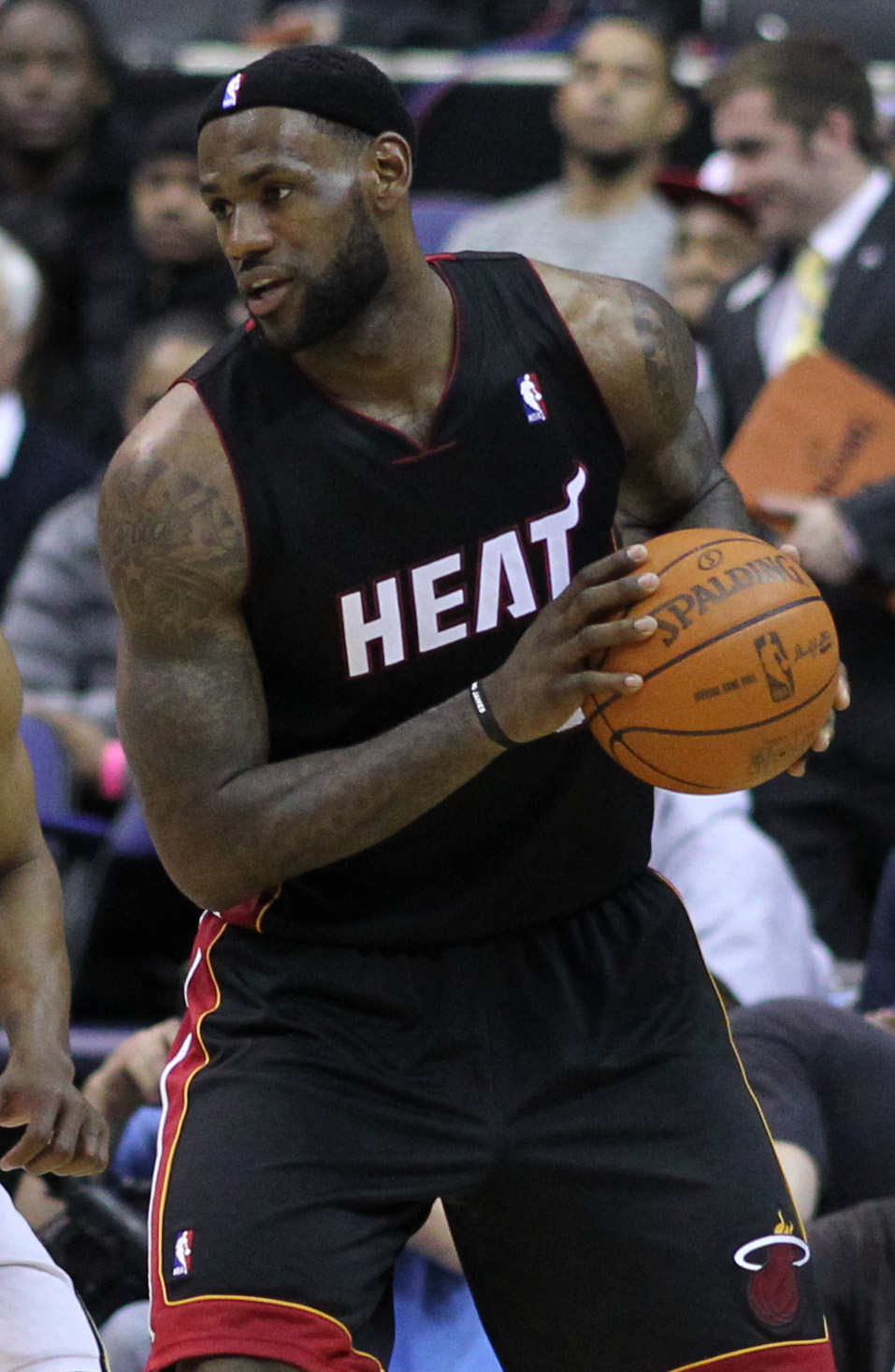
The success of the Miami Heat during LeBron James‘s tenure transformed the city into a major hub for sports tourism. Fans from across the globe traveled to Miami to witness the “Big Three” in action, creating a dynamic atmosphere at every home game at the Kaseya Center. This influx of sports enthusiasts not only boosted ticket sales but also encouraged visitors to explore other aspects of the city, from its renowned museums like the Perez Art Museum Miami to its culinary hotspots.
The Miami experience became synonymous with a high-energy, star-studded lifestyle. Tourists sought to replicate the glamour and excitement associated with the Heat by staying in luxurious accommodations, dining at upscale restaurants, and experiencing the vibrant nightlife that Miami is famous for. The city’s ability to cater to both the luxury and more budget-conscious traveler meant that this heightened appeal was accessible to a broader range of visitors, solidifying Miami‘s reputation as a multifaceted and dynamic destination. The era of LeBron James in Miami left an indelible mark, showcasing the city’s capacity to host major sporting events and attract global attention, thereby enriching its appeal as a premier destination for both sports and leisure.
LifeOutOfTheBox is a participant in the Amazon Services LLC Associates Program, an affiliate advertising program designed to provide a means for sites to earn advertising fees by advertising and linking to Amazon.com. Amazon, the Amazon logo, AmazonSupply, and the AmazonSupply logo are trademarks of Amazon.com, Inc. or its affiliates. As an Amazon Associate we earn affiliate commissions from qualifying purchases.