
The question “How old is Florida?” might seem straightforward, but its answer is as multifaceted and intriguing as the state itself. Florida, often celebrated for its sun-drenched beaches, vibrant cities like Miami, and world-class attractions such as Walt Disney World Resort, boasts a rich tapestry of history stretching back millions of years. Its age can be measured in geological epochs, millennia of indigenous habitation, centuries of European influence, or decades of modern development. From its ancient limestone bedrock to its role as a contemporary global tourism hub, Florida’s journey through time offers a compelling narrative for any traveler, history enthusiast, or curious mind. Understanding this deep history enriches the experience of exploring its diverse landscapes, from the historic streets of St. Augustine to the serene wilderness of the Everglades.
The Ancient Roots: Florida Before Human History
Long before humans set foot on its shores, the landmass that would become Florida was undergoing a monumental transformation, shaped by forces of nature that span millions of years.
Geological Formations and Prehistoric Life
Geologically, Florida’s origins are ancient, with its oldest exposed rocks dating back approximately 50 million years, part of the Florida Platform. This limestone bedrock is primarily composed of the fossilized remains of marine organisms, a testament to a time when much of the peninsula was submerged under shallow tropical seas. Over eons, fluctuations in sea levels during glacial periods alternately exposed and submerged the land, carving out its distinctive karst topography, dotted with sinkholes, springs, and vast underground cave systems. These natural wonders, like the stunning springs found in places such as Gainesville or Ocala, are not just scenic attractions but also windows into Florida’s ancient past, offering unique experiences for nature enthusiasts and eco-tourists.
During the Pleistocene Epoch, roughly 2.6 million to 11,700 years ago, Florida was a very different place, home to an incredible array of megafauna. Mastodons, mammoths, saber-toothed cats, giant ground sloths, and even dire wolves roamed the expanded landmass, which was considerably larger due to lower sea levels. Fossil discoveries across the state, particularly in riverbeds and sinkholes, provide glimpses into this prehistoric ecosystem. For travelers interested in paleontology, visiting museums like the Florida Museum of Natural History in Gainesville offers a fascinating journey back to this epoch, showcasing the impressive scale of life that once thrived here. These ancient geological and biological histories lay the foundation for all subsequent chapters of Florida’s story, shaping its environment and influencing where later civilizations would settle.
Early Human Migrations: The First Floridians
The human story in Florida begins much later, but still remarkably early by most standards. Archeological evidence suggests that humans first arrived on the peninsula at least 14,500 years ago, making them among the earliest inhabitants of North America. These early nomadic hunter-gatherers, often referred to as Paleo-Indians, followed migratory herds across land bridges exposed during the last Ice Age. They adapted remarkably to Florida’s unique environment, utilizing its abundant freshwater springs and rich coastal resources. Sites like the Page-Ladson archaeological site in the Aucilla River have yielded artifacts, including stone tools and mastodon bones bearing cut marks, pushing back the timeline of human presence significantly.
Over thousands of years, as the climate warmed and sea levels rose, these early Floridians transitioned from nomadic lifestyles to more settled existences. They developed sophisticated cultures, creating pottery, elaborate burial mounds, and complex social structures. This period, often called the Archaic and Woodland periods, saw the emergence of distinct regional cultures, perfectly adapted to the varied ecosystems of the peninsula. Exploring interpretive centers and parks that honor these early inhabitants, such as the Crystal River Archaeological State Park, provides a profound connection to the initial human “settlers” of Florida, offering insights into their spiritual beliefs and daily lives. These ancient peoples were the true pioneers, laying the groundwork for the diverse communities that would follow.
A Tapestry of Civilizations: From Indigenous Peoples to European Arrival
The millennia leading up to European contact were a vibrant era of indigenous development, followed by a dramatic shift with the arrival of explorers from across the Atlantic.
Indigenous Cultures: Mound Builders and Tribal Lands
By the time Europeans arrived in the 16th century, Florida was home to numerous distinct and thriving indigenous groups, descendants of those earlier inhabitants. Among the most prominent were the Timucua in the northeast, the Calusa in the southwest, the Tocobaga around Tampa Bay, and the Apalachee in the panhandle near present-day Tallahassee. These groups, often referred to as “mound builders,” constructed impressive shell mounds and earthen structures that served various purposes, from ceremonial centers to burial sites. The Calusa, in particular, were renowned for their complex chiefdom, sophisticated fishing techniques, and intricate shell artistry, demonstrating a remarkable ability to thrive in coastal environments. Their shell mounds, some towering many feet high, can still be observed in places like Mound Key Archaeological State Park near Fort Myers, offering visitors a tangible link to a powerful pre-Columbian civilization.
Each tribe possessed its own unique language, customs, and political structures. The Timucua were agriculturalists living in settled villages, while the Calusa were primarily fishermen and fierce warriors. Their societies were complex, with intricate trade networks and occasional conflicts. These vibrant cultures laid the groundwork for the cultural heritage of the land, influencing subsequent populations and leaving an indelible mark on Florida’s identity. For travelers seeking authentic cultural experiences, exploring the remnants of these ancient civilizations provides a deeper appreciation of the land’s original inhabitants and the rich history that existed long before the modern era of theme parks and resorts.
The Dawn of European Exploration: Ponce de León and La Florida
The year 1513 marks a pivotal moment in Florida’s recorded history, at least from a European perspective. It was in this year that Spanish explorer Juan Ponce de León, then governor of Puerto Rico, embarked on an expedition in search of new lands and possibly the fabled Fountain of Youth. On April 2, 1513, he sighted the eastern coast of the peninsula, which he named “La Florida” in honor of Pascua Florida (the Spanish term for the Easter season). This act officially “discovered” Florida for the European world, initiating centuries of colonization and conflict.
Ponce de León’s landing, likely near modern-day St. Augustine or farther south, ushered in an era of dramatic change. His initial encounters with the indigenous populations were mixed, sometimes peaceful, sometimes violent. While his quest for the Fountain of Youth proved fruitless, his voyage firmly placed Florida on European maps and sparked further expeditions. Other Spanish explorers, including Pánfilo de Narváez in 1528 and Hernando de Soto in 1539, continued to explore the interior of the peninsula, often with devastating consequences for the native inhabitants due to disease and warfare. For visitors today, landmarks such as the Ponce de León’s Fountain of Youth Archaeological Park in St. Augustine commemorate this momentous arrival, blending historical interpretation with the allure of a legendary quest. This moment marks the beginning of Florida’s “colonial age,” a period that would profoundly shape its future.
Colonial Crossroads: A Shifting European Dominion

Following Ponce de León’s initial contact, Florida became a contested territory, a battleground for European powers vying for control of the New World.
Spanish Strongholds: St. Augustine and the Mission System
The first permanent European settlement in what is now the United States was founded in Florida by the Spanish in 1565. Don Pedro Menéndez de Avilés, responding to a French attempt to establish a Huguenot colony at Fort Caroline (near modern-day Jacksonville), founded St. Augustine. This act secured Spain’s claim to Florida and established a crucial strategic outpost guarding the sea lanes for Spanish treasure fleets. St. Augustine quickly became a vital center of Spanish colonial power, characterized by its impressive fortifications, most notably the Castillo de San Marcos, a massive stone fortress that still stands today as a testament to Spanish engineering and defensive prowess. Visiting this landmark offers an unparalleled opportunity to step back into the colonial era, exploring its ramparts, watchtowers, and dungeons.
Beyond St. Augustine, the Spanish established a widespread mission system across Florida, particularly among the Timucua and Apalachee tribes. These missions served to convert indigenous populations to Catholicism and integrate them into the Spanish colonial economy, often at a great cost to their traditional ways of life. Towns like Pensacola were also founded, though their early history was marked by frequent conflicts and disruptions. The legacy of Spanish Florida is still deeply embedded in the state’s culture, architecture, and place names. Travelers can immerse themselves in this heritage by exploring the historic district of St. Augustine, where horse-drawn carriages, cobblestone streets, and centuries-old buildings evoke the spirit of the Spanish colonial lifestyle, complemented by charming boutique hotels and accommodations that blend history with modern comfort.
British Interlude and Back to Spain
The Spanish hold on Florida was not unchallenged. Throughout the 17th and 18th centuries, it became a pawn in the larger geopolitical games of Europe. Following the French and Indian War (Seven Years’ War), Spain ceded Florida to Great Britain in 1763 in exchange for Havana, Cuba. This marked a significant, albeit relatively brief, period of British rule, lasting 20 years.
Under the British, Florida was divided into East Florida, with its capital at St. Augustine, and West Florida, with its capital at Pensacola. The British encouraged settlement and developed agriculture, attempting to make Florida a productive colony. Many Loyalists, fleeing the American Revolution, found refuge in British Florida. However, the British era was short-lived. Following the American victory in the Revolutionary War, Spain regained control of Florida in 1783 through the Treaty of Paris. The second Spanish period (1783–1821) was less robust than the first, with declining power and increasing incursions from the burgeoning United States. This shifting dominion highlights Florida’s strategic importance and its turbulent colonial past, a fascinating subject for any traveler interested in the broader history of North America.
American Acquisition: From Territory to Statehood
By the early 19th century, Spanish Florida was becoming a liability for Spain and a source of constant friction with the United States. It served as a refuge for runaway slaves, a base for Native American raids into Georgia and Alabama (notably the Seminole tribes), and a haven for pirates and outlaws. The United States, driven by expansionist desires and concerns over border security, sought to acquire Florida.
This ultimately led to the Adams-Onís Treaty of 1819 (ratified in 1821), where Spain formally ceded Florida to the United States in exchange for $5 million and relinquishment of American claims to Texas. Florida officially became a U.S. territory in 1821, with Andrew Jackson serving as its first territorial governor. The territorial period was marked by rapid population growth, the development of a plantation economy, and the devastating Seminole Wars, a series of conflicts between the United States Army and the Seminole and Black Seminole peoples. These wars were among the longest and most costly in American history, resulting in the forced removal of most Seminole and Black Seminole to Indian Territory (present-day Oklahoma), though a resilient few remained in the Everglades.
On March 3, 1845, after years of debate over slavery and political balance in Congress, Florida was admitted to the Union as the 27th state. This marked the formal end of its colonial status and the beginning of its journey as an integral part of the United States. For history buffs, visiting sites like the Tallahassee Museum or historical markers along the Seminole War trails provides insight into this transformative period, shedding light on the struggles and triumphs that shaped the state’s identity.
Modern Florida: A Legacy Forged in Time
From its statehood, Florida rapidly evolved, driven by innovation, economic opportunity, and an ever-growing allure for visitors and residents alike.
Growth, Development, and Tourism’s Rise
Following statehood, and particularly after the Civil War and Reconstruction, Florida embarked on a path of significant development. The late 19th and early 20th centuries saw the expansion of railroads, spearheaded by visionaries like Henry Flagler on the east coast and Henry B. Plant on the west coast. These railways not only opened up vast tracts of land for agriculture (citrus, particularly) but also paved the way for the emergence of Florida as a premier tourist destination. Luxurious hotels, such as Flagler’s Ponce de León Hotel (now Flagler College) in St. Augustine and Plant’s Tampa Bay Hotel (now the University of Tampa), sprung up, catering to wealthy northerners seeking winter escapes. These grand structures remain architectural landmarks, offering a glimpse into the opulent lifestyle of early Florida tourism.
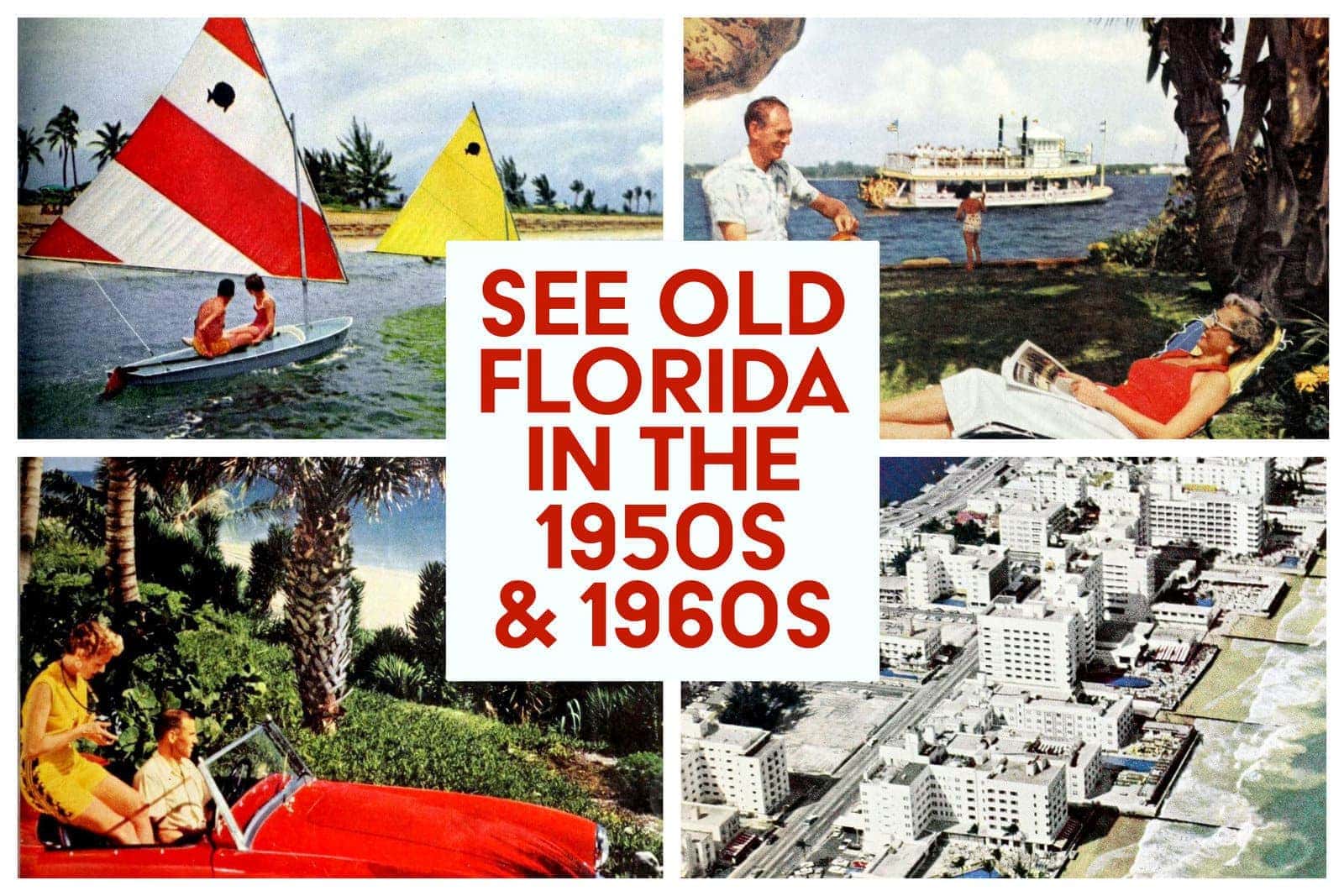
The 20th century saw an explosion in population and economic growth. The development of air conditioning made the hot Florida summers more bearable, attracting year-round residents. The post-World War II boom, coupled with the allure of sunny weather and abundant natural beauty, fueled massive migration to the state. However, it was the establishment of major theme parks, most notably Walt Disney World Resort in 1971, that truly cemented Florida’s status as a global tourism powerhouse. Today, millions flock to destinations like Orlando, Miami, and the Gulf Coast for their diverse attractions, from thrilling rides and pristine beaches to vibrant nightlife and cultural festivals. The modern tourism industry, encompassing everything from luxury resorts and family-friendly hotels to unique vacation rentals and comprehensive travel guides, is a direct descendant of those pioneering efforts to make Florida accessible and appealing.
Preserving History: Landmarks and Cultural Heritage Today
Despite its rapid modernization, Florida has made significant strides in preserving its rich and varied past. Historic districts in cities like St. Augustine, Key West, and Pensacola offer immersive experiences, allowing visitors to walk through centuries of history, from Spanish forts to Victorian mansions. These areas are not just museums; they are living communities where history is woven into the fabric of daily life, with charming accommodations and local eateries that celebrate Florida’s diverse culinary traditions.
The state’s numerous state parks and national preserves, including the Everglades National Park and the Big Cypress National Preserve, protect not only its unique ecosystems but also archaeological sites and the ancestral lands of indigenous peoples like the Seminole and Miccosukee tribes. Many museums and cultural centers, such as the Ah-Tah-Thi-Ki Museum on the Seminole reservation, offer vital insights into Native American history and contemporary culture, ensuring that their stories are not lost amidst the narrative of European arrival.
In essence, asking “How old is Florida?” invites a journey through millions of years of geological formation, thousands of years of human habitation, five centuries of European influence, and nearly two centuries of statehood within the United States. Each layer of this history contributes to the vibrant, complex, and endlessly fascinating state we know today. Whether one is drawn to its ancient natural beauty, its colonial landmarks, or its modern attractions, Florida’s age is truly a testament to its enduring allure and dynamic evolution. It’s a destination where every visit can be a discovery of the past, enriching the present experience and fostering a deeper appreciation for this timeless land.
LifeOutOfTheBox is a participant in the Amazon Services LLC Associates Program, an affiliate advertising program designed to provide a means for sites to earn advertising fees by advertising and linking to Amazon.com. Amazon, the Amazon logo, AmazonSupply, and the AmazonSupply logo are trademarks of Amazon.com, Inc. or its affiliates. As an Amazon Associate we earn affiliate commissions from qualifying purchases.