
Miami, a city synonymous with sun-drenched beaches, vibrant nightlife, and a captivating cultural tapestry, often feels timeless. Its allure is as potent today as it was decades ago, inviting millions of visitors to its shores annually. Yet, beneath the surface of this dynamic metropolis lies a rich and surprisingly recent history. Understanding how old Miami is reveals a narrative of rapid transformation, ambitious visionaries, and a remarkable evolution from a humble frontier settlement into a global powerhouse. While its landscape is steeped in the echoes of Indigenous peoples and Spanish exploration, the city of Miami as we know it today is a testament to late 19th and early 20th-century development.
The Genesis of a City: From Wild Frontier to Incorporated Vision
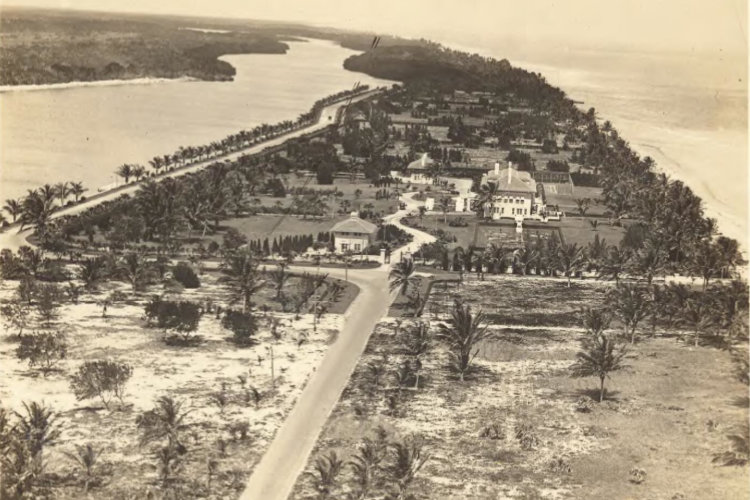
The formal story of Miami’s incorporation begins in the late 19th century, a period marked by significant development in Florida. Before this, the area was sparsely populated, inhabited by the Seminole and Tequesta tribes for centuries, followed by brief periods of Spanish and later American presence. The land was largely untamed, a subtropical wilderness that held immense potential for those with the foresight and determination to harness it.
The Vision of Julia Tuttle and Henry Flagler
The true catalyst for Miami’s urban development was the vision of Julia Tuttle, often referred to as the “Mother of Miami.” A persistent and shrewd businesswoman, Tuttle owned a vast tract of land along the Miami River. She recognized the region’s potential for agriculture, particularly its fertile land suitable for growing citrus fruits. In the 1890s, her efforts to attract investment and promote development intensified.
Her efforts were instrumental in convincing Henry Flagler, a wealthy industrialist and railroad magnate, to extend his Florida East Coast Railway south to the Miami area. Flagler, already a key figure in developing St. Augustine and Palm Beach, was initially hesitant. However, Tuttle’s persuasive arguments, coupled with a legendary offer of 660 acres of land if he brought his railroad to her doorstep, eventually swayed him. A pivotal moment came during the Great Freeze of 1894-1895, which decimated citrus crops throughout the rest of Florida but left Tuttle’s lands in Miami largely unharmed. This remarkable resilience further solidified Miami’s potential as an agricultural hub and convinced Flagler of the region’s commercial viability.
Incorporation and Early Growth
With the railroad’s arrival in 1896, the settlement began to flourish. Streets were laid out, businesses started to appear, and a community began to take shape. On July 28, 1896, Miami was officially incorporated as a city by a vote of its residents. At the time of its incorporation, the population was approximately 300 people. This date is widely recognized as Miami’s official birthday, marking the transition from a small, isolated settlement to a nascent municipality.
The early years were characterized by rapid expansion. Flagler’s influence was profound; he built the opulent Royal Palm Hotel in 1896, which quickly became a magnet for tourists and further stimulated development. He also continued his ambitious railway expansion, connecting Miami to the northern parts of the state and beyond, making it more accessible and fostering economic growth. The port of Miami was also established during this period, laying the groundwork for its future as a major international gateway.
The Roaring Twenties and the Boom Years
The early 20th century saw Miami continue its upward trajectory. The city’s subtropical climate and beautiful beaches began to attract a different kind of visitor – those seeking leisure and recreation. The Roaring Twenties proved to be a transformative decade for Miami. The burgeoning automobile culture made travel easier, and the city actively promoted itself as a tourist destination.

Land Speculation and Architectural Flourishes
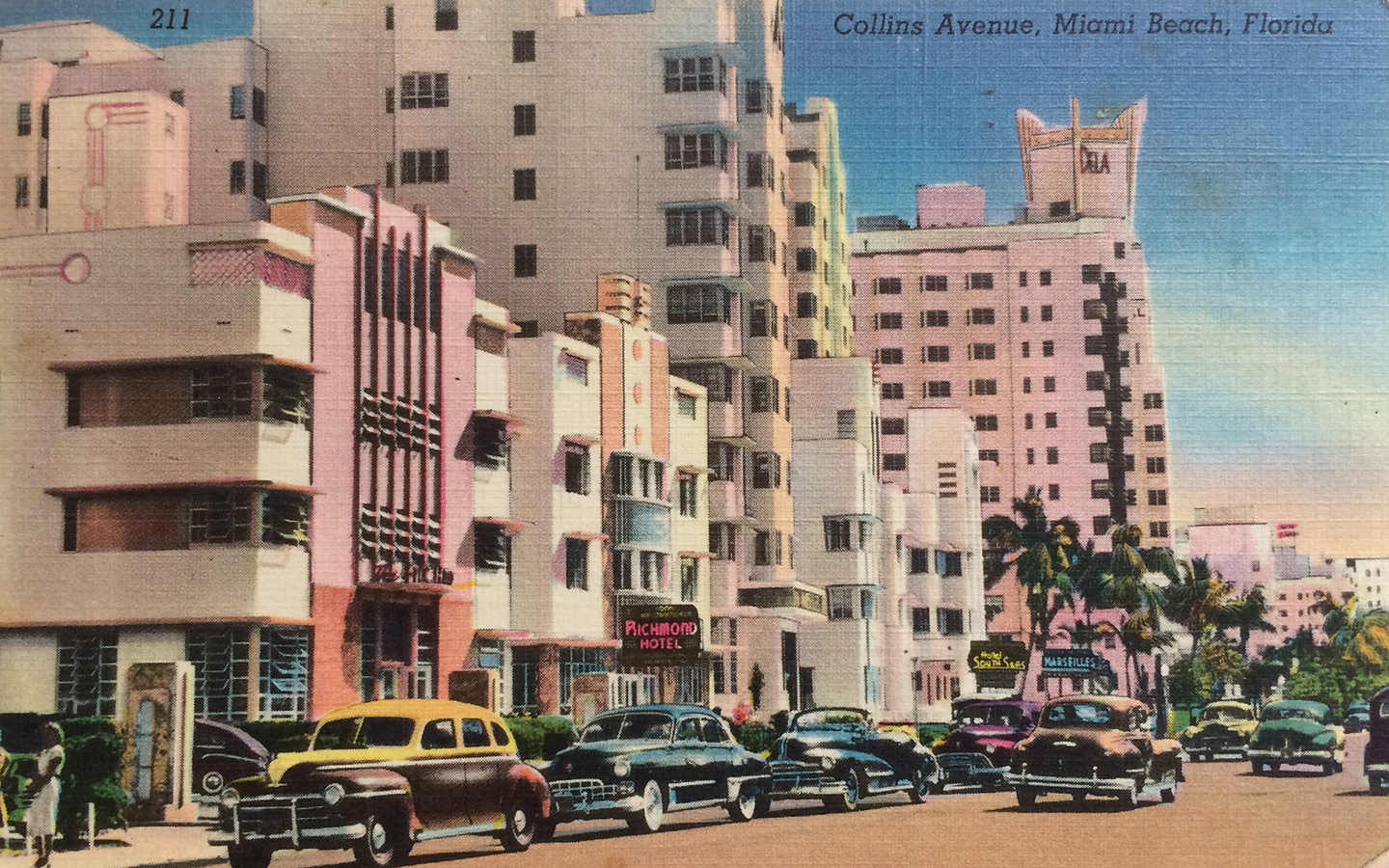
This era was marked by a significant land boom. Real estate developers flocked to Miami, seeing its immense potential for growth. This speculative frenzy led to rapid construction and the establishment of new neighborhoods. It was during this period that many of Miami’s iconic Art Deco buildings began to emerge, particularly in the area that would become known as the Art Deco Historic District in South Beach. These architectural marvels, with their distinctive geometric shapes, pastel colors, and nautical motifs, reflected the city’s optimistic spirit and its burgeoning international flair.
The population surged, fueled by both tourism and new residents seeking economic opportunities. Miami transitioned from an agricultural center to a prominent tourist resort and a growing commercial hub. The city’s reputation as a glamorous and exciting destination solidified, attracting a diverse mix of people drawn to its warm weather and vibrant atmosphere.
Post-War Growth and Cultural Fusion
Following World War II, Miami experienced another period of explosive growth. The war itself had brought increased military presence and infrastructure development to the region, leaving a lasting impact. As soldiers returned home and the nation experienced economic prosperity, Miami became an even more desirable place to live and visit.
Urban Expansion and Diversification
The mid-20th century saw significant urban sprawl as the city expanded outwards. New housing developments, infrastructure projects, and commercial centers were constructed to accommodate the burgeoning population. This era also marked the beginning of a significant demographic shift. Increased immigration, particularly from Cuba in the early 1960s following the Cuban Revolution, profoundly reshaped Miami’s cultural landscape. This influx of Cuban refugees brought with them their language, cuisine, music, and traditions, permanently altering the city’s identity and establishing Little Havana as a vibrant cultural enclave.
Over the subsequent decades, Miami continued to attract people from all over Latin America and the Caribbean, creating a rich mosaic of cultures that defines the city today. This diversity is not merely a matter of demographics; it is woven into the fabric of daily life, influencing everything from the city’s music and art scenes to its culinary offerings.
Miami Today: A Global Metropolis
From its humble beginnings as a vision for a few ambitious individuals, Miami has evolved into a sprawling, cosmopolitan city with a global reach. While the specific date of its incorporation, July 28, 1896, marks its official birth as a city, its true “age” is a continuous story of adaptation and reinvention.
A City of Contrasts and Continual Evolution
Today, Miami is a major international financial center, a bustling port, and a world-renowned tourist destination. It is a city that embraces its history while constantly looking towards the future. Its skyline is dotted with modern skyscrapers, its cultural institutions are thriving, and its reputation for innovation and dynamism continues to grow.
The question “How old is Miami?” is therefore multifaceted. The city’s formal existence began in 1896, making it a relatively young major American city compared to historical centers like Boston or Philadelphia. However, the land upon which it stands has a history stretching back millennia, shaped by Indigenous peoples and early European explorers. The rapid growth and transformation over the past century have created a city that feels both ancient in its allure and remarkably contemporary in its energy and outlook. This unique blend of history and modernity is a key part of what makes Miami such an enduring and captivating destination.
LifeOutOfTheBox is a participant in the Amazon Services LLC Associates Program, an affiliate advertising program designed to provide a means for sites to earn advertising fees by advertising and linking to Amazon.com. Amazon, the Amazon logo, AmazonSupply, and the AmazonSupply logo are trademarks of Amazon.com, Inc. or its affiliates. As an Amazon Associate we earn affiliate commissions from qualifying purchases.