
Nevada, often conjuring images of dazzling neon lights, world-class entertainment, and vast, shimmering deserts, holds a history far deeper and more complex than many realize. While its reputation as a global tourism hub is relatively modern, the Silver State itself boasts a venerable age, steeped in tales of pioneers, prospectors, and pivotal national moments. To truly understand Nevada’s allure, from its bustling cities to its tranquil natural wonders, one must first appreciate its rich past. How old is Nevada? Its statehood dates back to October 31, 1864, making it 159 years old this year. This seemingly simple fact unlocks a narrative of resilience, transformation, and a unique identity that continues to shape every aspect of travel, accommodation, and lifestyle within its borders today.
This article will delve into Nevada’s fascinating journey from a rugged frontier to the vibrant destination it is today. We’ll explore the historical milestones that define its age, connect these events to the state’s iconic landmarks and cultural experiences, and highlight how Nevada’s past enriches the contemporary traveler’s experience, from luxury resorts to authentic historical stays.
A Journey Through Time: Nevada’s Birth and Early Years
The story of Nevada’s age begins long before statehood, with ancient Native American tribes who thrived in its valleys and mountains for millennia. Their heritage, though often overshadowed by later events, forms the deepest roots of the land’s history. Spanish explorers made early forays, but it was the promise of land and riches that truly drew settlers in the 19th century, eventually leading to the momentous decision to establish a new state.
From Territory to Statehood: The Civil War Connection
Before becoming the distinct entity we know today, the land that is now Nevada was part of the expansive Mexican-American War spoils, ceded to the United States in 1848 through the Treaty of Guadalupe Hidalgo. Initially, much of it fell under the jurisdiction of the Utah Territory, dominated by Mormon settlers arriving from Salt Lake City. However, the harsh desert environment and cultural differences soon fostered a desire for separation among the non-Mormon pioneers who flocked to the region.
The pivotal event that accelerated Nevada’s path to statehood was the discovery of the Comstock Lode in 1859. This immense deposit of silver and gold in Virginia City triggered a massive Gold Rush-style migration, transforming a sparsely populated wilderness into a bustling economic powerhouse almost overnight. The influx of people and wealth necessitated more localized governance, leading to the creation of the Nevada Territory in 1861.
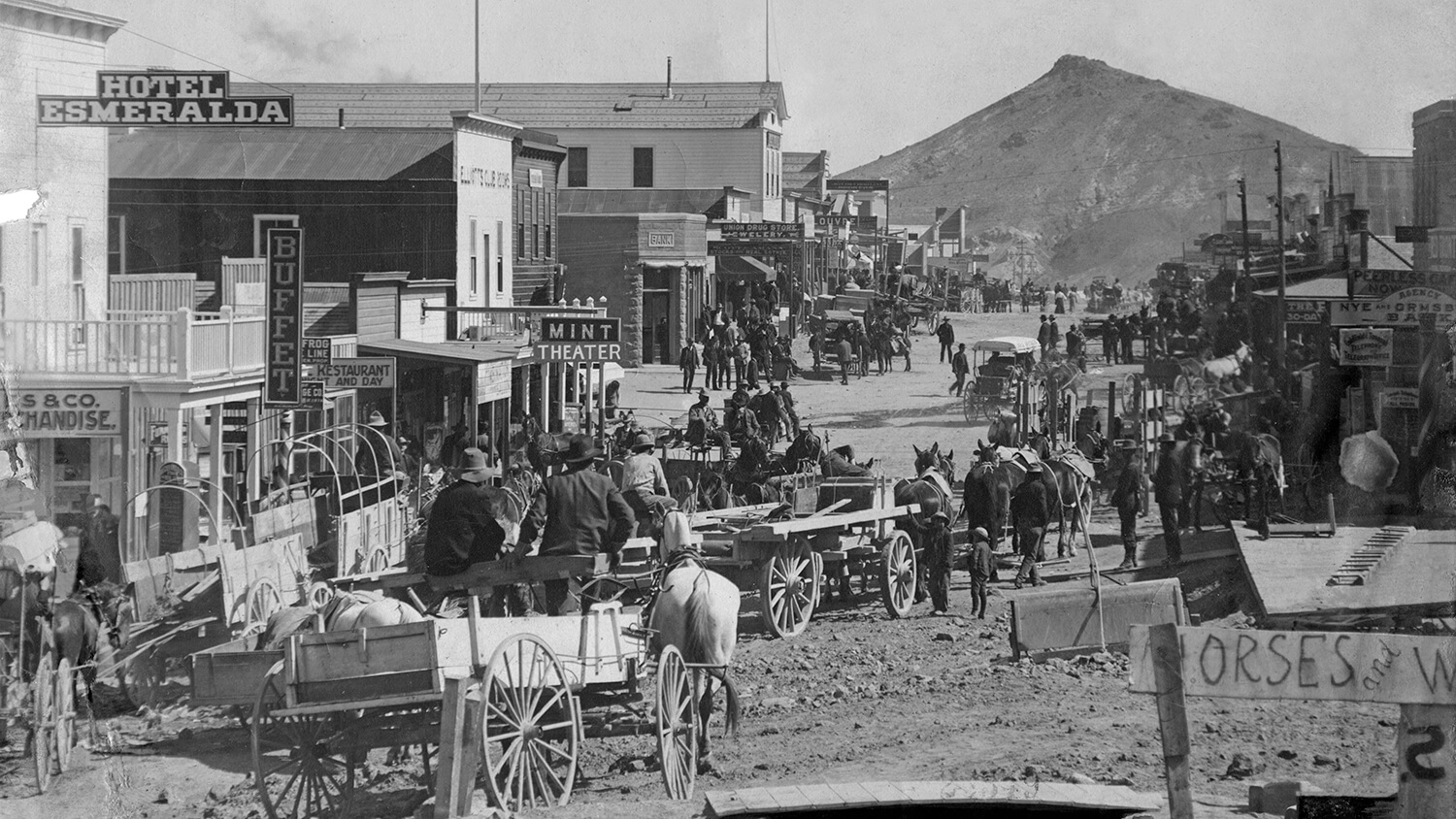
Just three years later, on October 31, 1864, Nevada officially joined the Union as the 36th state. Its admission was expedited by President Abraham Lincoln, who desperately needed the precious metal resources from the Comstock Lode to finance the ongoing Civil War effort and ensure additional votes for the abolition of slavery. The state’s motto, “Battle Born,” proudly reflects this unique origin story, highlighting its birth amidst a nation divided. For travelers interested in this crucial period, sites like the Nevada State Museum in Carson City offer comprehensive exhibits detailing the state’s journey from a rugged territory to a vital component of the Union.
The Silver State’s Enduring Legacy: Mining Towns and Pioneers
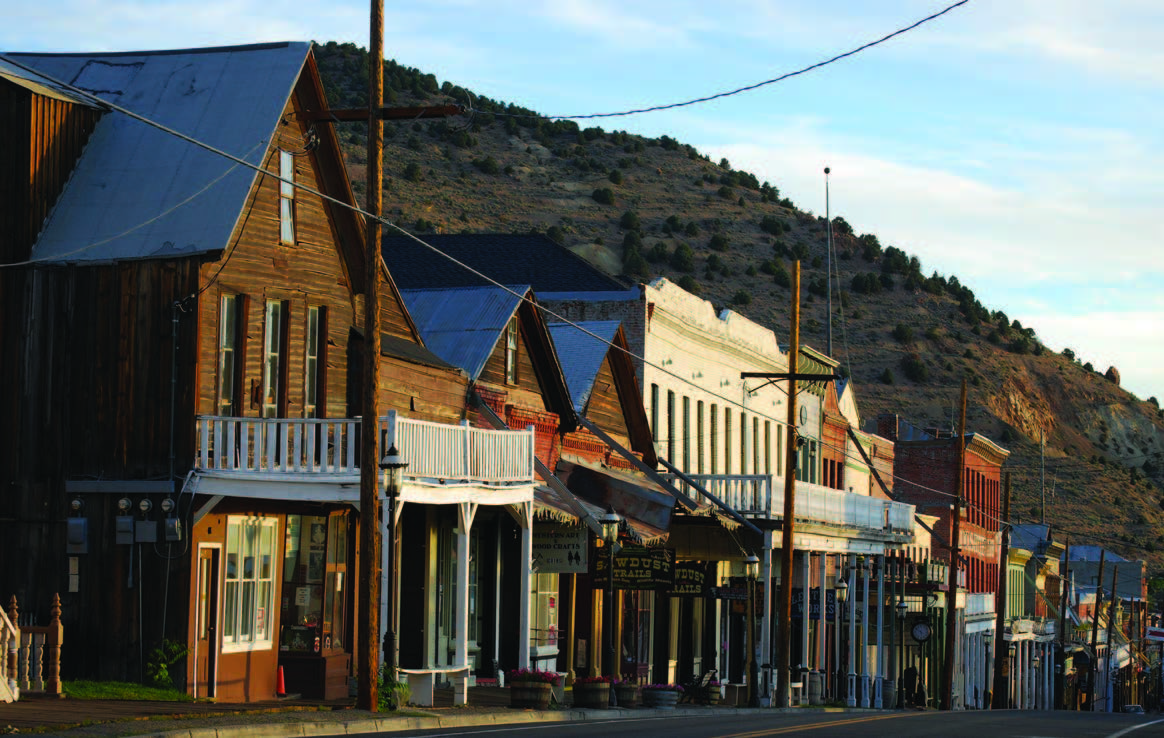
The legacy of the Comstock Lode and the subsequent mining booms remains deeply embedded in Nevada’s identity as the “Silver State.” Virginia City, once a thriving metropolis rivaling major California cities in size and sophistication, stands as a testament to this era. Today, it offers an unparalleled window into 19th-century frontier life, with its historic saloons, preserved mansions, and active mine tours. Visitors can stroll along boardwalks that Mark Twain once walked while working for the Territorial Enterprise newspaper, experiencing a tangible connection to the past. This National Historic Landmark truly transports you back to the age of pickaxes and fortune-seekers.
Beyond Virginia City, countless ghost towns dot the vast Nevada landscape, each with its own story of boom and bust. Places like Rhyolite, near Death Valley, or Nelson in the Eldorado Canyon, offer hauntingly beautiful ruins of what were once vibrant communities. These sites are not merely relics; they are open-air museums that vividly illustrate the transient nature of mining fortunes and the rugged determination of the pioneers who sought them. For adventure travelers and history buffs, exploring these towns provides an authentic and often poignant experience of Nevada’s formative years. The infrastructure built during this period – early railroads, roads, and settlements – laid the groundwork for the modern state, demonstrating how these early historical chapters continue to influence travel routes and destinations today.

Modern Marvels Rooted in History: From Deserts to Destinations
While Nevada’s statehood and early development were driven by mining, its modern identity has been forged by a different kind of fortune: entertainment and tourism. However, even the glitz and glamour of today’s Nevada have deep historical roots, evolving from strategic locations and a unique approach to regulation.
The Rise of Entertainment Capitals: Las Vegas and Reno
The transformation of desolate desert outposts into world-renowned entertainment capitals like Las Vegas and Reno is one of Nevada’s most remarkable stories. Early Las Vegas, established as a railroad town in 1905, served as a crucial watering stop between Los Angeles and Salt Lake City. Similarly, Reno, located near the Comstock Lode, became a hub for transportation and commerce. It was the state’s decision to legalize gambling in 1931, alongside lenient divorce laws, that truly ignited their growth.
This legislative courage, rooted in the independent spirit that defined Nevada since its frontier days, paved the way for the development of the iconic Las Vegas Strip and Reno’s “Biggest Little City in the World” persona. Early casinos and hotels like the Golden Nugget in Las Vegas or the Mapes Hotel in Reno laid the foundation for the sprawling mega-resorts we see today. The demand for water and power to support these burgeoning cities also led to monumental engineering feats, most notably the construction of the Hoover Dam on the Colorado River in the 1930s. This colossal project, itself a historical landmark, not only provided essential resources but also became a major tourist attraction, showcasing human ingenuity born out of the necessity to tame the harsh desert environment. Today, visitors can experience both the vibrant modern luxury of a Las Vegas resort and delve into the fascinating history of its development, understanding how the state’s past directly fueled its present success.
Natural Wonders and Outdoor Adventures: Shaped by Time
Beyond the man-made marvels, Nevada’s natural landscapes also tell stories of immense age and historical significance. These ancient settings offer a stark contrast to the urban centers and provide unparalleled opportunities for outdoor adventures, connecting travelers to the land’s primeval past.
Lake Tahoe, a stunning alpine lake straddling the California-Nevada border, is a pristine example. Formed by glacial activity over two million years ago, its history is deeply intertwined with the Washoe Native American tribe, who revered its sacred waters. Later, it became a playground for wealthy magnates during the Comstock Lode era, and today it’s a premier destination for skiing, boating, and hiking. The contrast of ancient geology, Native American heritage, and modern recreation makes Lake Tahoe a powerful reminder of Nevada’s multifaceted age.
Similarly, the Red Rock Canyon National Conservation Area, just a short drive from Las Vegas, showcases millions of years of geological history through its dramatic sandstone formations. The vibrant red rocks date back to the Jurassic period, and evidence of ancient Native American presence, including petroglyphs, adds layers of human history to its vast timeline. Further east, Great Basin National Park is home to the ancient Bristlecone Pines, some of the oldest living organisms on Earth, dating back thousands of years. The park also features the stunning Lehman Caves, a subterranean world formed over countless millennia. These natural landmarks offer profound experiences, inviting visitors to reflect on the immense scale of geological time and the enduring power of nature, providing a stark and beautiful counterpoint to the more recent human history of the state.
Experiencing Nevada’s Rich Heritage Today: A Traveler’s Guide
For those drawn to Nevada’s past, the state offers countless ways to immerse oneself in its unique heritage. From vibrant historical reenactments to serene archaeological sites, integrating these experiences into your travel itinerary provides a deeper appreciation of the “Battle Born” state.
Immersive Cultural Experiences: Step Back in Time
To truly step back in time, a visit to Virginia City is non-negotiable. Beyond its general ambiance, explore specific attractions like the Fourth Ward School Museum, a beautifully preserved 19th-century schoolhouse, or take a ride on the Virginia & Truckee Railroad, traversing routes originally built to transport Comstock Lode silver. In Carson City, the Nevada State Museum offers extensive exhibits on mining, pioneers, and Native American cultures, housed in the historic Old United States Mint building.
For a taste of the truly remote and rugged past, venture to ghost towns like Dayton or Silver City, where crumbling structures whisper tales of bygone eras. Near Boulder City, the Pioneer Saloon in Goodsprings, dating back to 1913, offers an authentic Old West atmosphere with bullet holes in the wall and a fascinating history. Nevada also preserves a vibrant Basque culture, particularly in northern towns like Elko, where travelers can enjoy authentic cuisine and festivals that celebrate the heritage of shepherds who settled in the region. Many Native American reservations and tribal parks, such as those around Pyramid Lake and Walker Lake, offer cultural centers and interpretative programs that provide insight into the indigenous peoples who have called this land home for thousands of years, offering a deeper, more ancient perspective on Nevada’s enduring story.
Beyond the Glitz: Historical Stays and Unique Accommodations
While Nevada is synonymous with luxury hotels and mega-resorts, its historical depth also extends to unique accommodation options. Travelers seeking a different kind of stay can find boutique hotels and historic inns that echo the state’s past. In Carson City, historic bed and breakfasts offer charm and a direct link to the state capital’s rich heritage. Even in Reno, some older hotel properties maintain their historical architecture and offer a glimpse into the city’s early gambling days.
For those exploring the scenic routes, small motels and lodges in towns like Genoa, Nevada’s oldest non-native settlement, provide a cozy and authentic base for exploring nearby historical sites and natural landmarks such as Lake Tahoe or Mount Charleston. Camping and glamping options near historic areas like Valley of Fire State Park or within the Great Basin National Park allow for immersive experiences under ancient skies, connecting visitors directly to the land’s geological and human history. Choosing an accommodation that reflects the local history or unique landscape enhances the travel experience, allowing visitors to appreciate the layers of Nevada’s age, from its modern conveniences back to its rugged pioneering spirit.
In conclusion, “How Old Is Nevada?” is a question that reveals far more than a simple date. It unlocks a fascinating narrative of resilience, transformation, and enduring spirit. From its “Battle Born” statehood in 1864, forged in the fires of the Civil War and fueled by the Comstock Lode, to the ancient geological formations and Native American legacies that stretch back millennia, Nevada is a state rich in layers of time. Its age isn’t just a number; it’s a testament to the diverse forces that have shaped its unique culture, its vibrant cities, and its breathtaking landscapes. Whether you’re drawn by the historical allure of Virginia City, the natural majesty of Lake Tahoe, or the dazzling evolution of Las Vegas, understanding Nevada’s deep and intricate past will undoubtedly enrich every aspect of your journey. Come explore the many ages of the Silver State and discover why its history is as captivating as its future.
LifeOutOfTheBox is a participant in the Amazon Services LLC Associates Program, an affiliate advertising program designed to provide a means for sites to earn advertising fees by advertising and linking to Amazon.com. Amazon, the Amazon logo, AmazonSupply, and the AmazonSupply logo are trademarks of Amazon.com, Inc. or its affiliates. As an Amazon Associate we earn affiliate commissions from qualifying purchases.