
For any traveler seeking a destination steeped in history, rich culture, and an undeniable charm, few places in the United States can rival St. Augustine, Florida. Often heralded as the “Nation’s Oldest City,” its very name conjures images of ancient forts, cobblestone streets, and centuries-old stories whispered by the ocean breeze. But how old is St. Augustine, really? The answer is not just a date on a calendar, but a captivating narrative spanning nearly five centuries, making it a living museum and a prime example of how history shapes modern tourism and lifestyle.
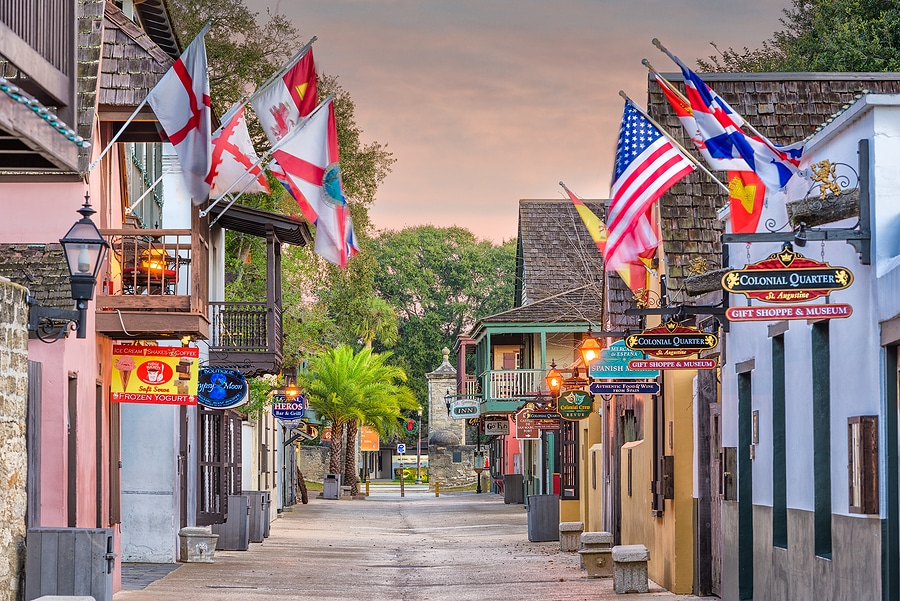
The origins of St. Augustine trace back to September 8, 1565, when Spanish admiral Pedro Menéndez de Avilés landed on the shores of what is now Northeast Florida. He claimed the territory for Spain and established a settlement, naming it after Saint Augustine, whose feast day was celebrated just a few weeks prior. This act marked the founding of the first continuously inhabited European-established settlement in the continental United States, predating Jamestown by 42 years and the Plymouth Colony by 55 years. This singular fact imbues the City of St. Augustine with a unique historical weight, drawing millions of visitors annually who come to walk in the footsteps of conquistadors, colonial settlers, and influential figures who shaped the destiny of an entire nation.
A Journey Through Time: Unveiling St. Augustine’s Ancient Roots
To truly appreciate the age and significance of St. Augustine, one must embark on a chronological exploration of its multifaceted past. This journey reveals not only how old the city is, but also the remarkable resilience and enduring legacy of its diverse inhabitants.
The Founding: Spain’s Enduring Legacy (1565 – 1763)
The story of St. Augustine begins with the Spanish. Pedro Menéndez de Avilés was tasked by King Philip II of Spain with establishing a Spanish presence in Florida and expelling French Huguenots who had attempted to settle nearby. The strategic location near the Gulf Stream, a vital shipping lane for Spanish treasure fleets, made its defense paramount. For over 200 years, St. Augustine served as the capital of Spanish Florida and a critical military outpost.
During this period, the iconic Castillo de San Marcos was constructed. Begun in 1672 and completed in 1695, this massive masonry fortress made of coquina stone stands as a testament to Spanish military engineering and perseverance. It defended the settlement from numerous attacks by English pirates and colonial forces, becoming one of the most significant landmarks not just in St. Augustine, but across the United States. Visitors today can explore its formidable walls, experience cannon firings, and truly grasp the arduous life of its early inhabitants. This era laid the bedrock for the city’s unique cultural blend, with its architecture, culinary traditions, and even its street names bearing the indelible mark of Spain.
Shifting Powers: Colonial Conflicts and Transitions (1763 – 1821)
The mid-18th century brought significant geopolitical shifts that saw St. Augustine change hands multiple times. Following Britain’s victory in the French and Indian War (Seven Years’ War), the Treaty of Paris (1763) saw Spain cede Florida to Great Britain in exchange for Havana, Cuba. For two decades, St. Augustine became the capital of British East Florida, attracting loyalist settlers during the American Revolutionary War. Remarkably, the city remained loyal to the British crown throughout the revolution.
However, another Treaty of Paris in 1783, which officially ended the American Revolutionary War, returned Florida to Spanish control. This second Spanish period, lasting from 1783 to 1821, was characterized by continued efforts to solidify Spanish presence amidst growing American expansionism. The city continued its role as a frontier outpost, albeit with less strategic importance than during its initial founding. These periods of transition left their mark, adding layers of architectural styles and cultural influences that visitors can still discern today in the historic district.
From Territory to Statehood: American St. Augustine (1821 – Present)
The final transfer of Florida to the United States occurred in 1821, following the Adams–Onís Treaty. St. Augustine officially became part of the Territory of Florida, and by 1845, Florida achieved statehood. While the city played a minor role in the American Civil War, its most significant transformation under American rule came towards the end of the 19th century, during the Gilded Age.
This era was largely shaped by industrialist Henry Flagler, a co-founder of Standard Oil. Flagler envisioned St. Augustine as a winter resort for the wealthy elite from the North. He built opulent hotels like the Ponce de Leon Hotel (now Flagler College) and the Alcazar Hotel (now the Lightner Museum), and extended his Florida East Coast Railway to reach them. Flagler’s influence transformed St. Augustine into a premier tourist destination, establishing the blueprint for its modern identity. His architectural marvels, blending Spanish Renaissance and Moorish Revival styles, are still central to the city’s aesthetic appeal and serve as prime examples of its layered history.
St. Augustine’s Enduring Appeal: A Modern Tourist Hotspot with a Historic Heart
Today, St. Augustine is a vibrant and popular travel destination, seamlessly blending its ancient past with contemporary amenities and attractions. The city’s age is its greatest asset, offering visitors a truly immersive historical experience unlike anywhere else in the United States.
Iconic Landmarks and Attractions That Tell a Story
The depth of St. Augustine’s history is palpable in its myriad landmarks. Beyond the formidable walls of Castillo de San Marcos, visitors can explore the legendary Fountain of Youth Archaeological Park, the site where Juan Ponce de León purportedly landed in 1513, seeking the mythical spring. The park offers fascinating insights into early Spanish colonial life and the indigenous Timucua people.
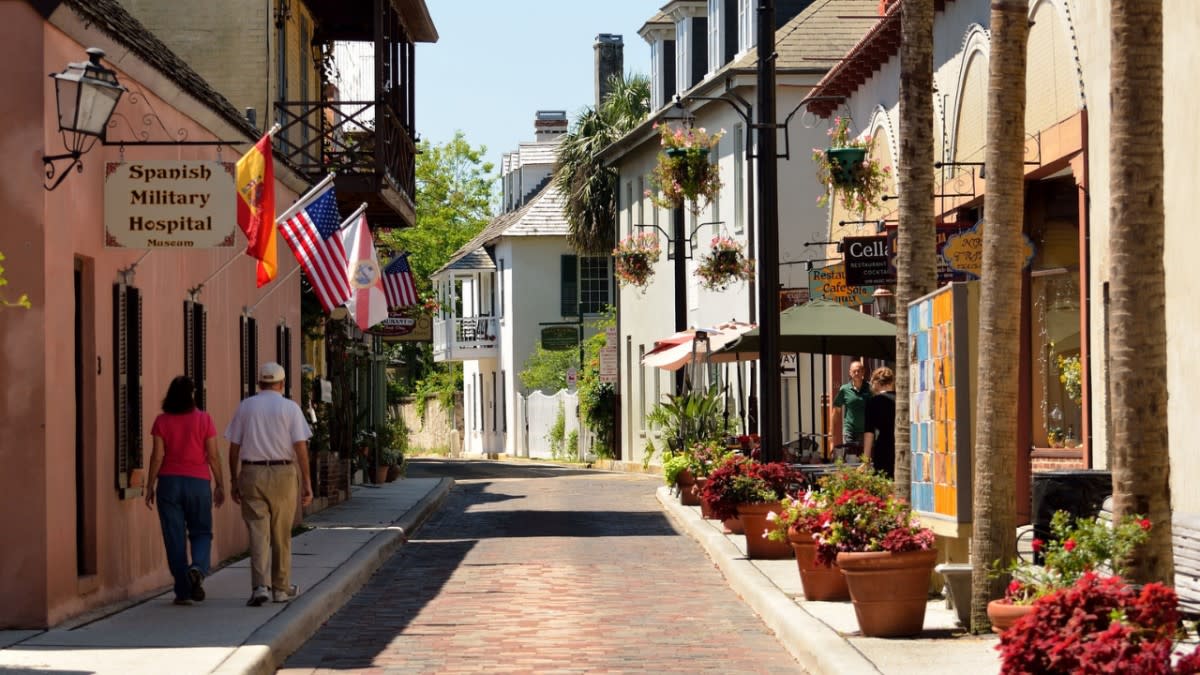
A stroll down St. George Street, the main pedestrian thoroughfare in the Colonial Quarter, is like stepping back in time. Lined with historic buildings, charming shops, and inviting restaurants, it’s the perfect place to soak in the atmosphere. The 17th and 18th-century homes, reconstructed colonial shops, and living history demonstrations bring the past vividly to life. Nearby, the grand buildings of Flagler College and the Lightner Museum stand as stunning reminders of the Gilded Age and Henry Flagler’s vision. The Lightner Museum, housed in the former Alcazar Hotel, boasts an eclectic collection of 19th-century art and curiosities, offering a glimpse into the lavish lifestyles of early tourists.
For those interested in maritime history, the St. Augustine Lighthouse & Maritime Museum offers breathtaking views from the top of its iconic black and white striped tower, along with fascinating exhibits on the city’s seafaring past. The Old Jail provides a more somber, yet equally compelling, look at late 19th-century penal life. Even attractions like Ripley’s Believe It or Not!, while modern in their presentation, are housed in historic buildings that contribute to the city’s unique architectural tapestry.
Embracing the Past: Immersive Experiences and Cultural Richness
Beyond static landmarks, St. Augustine offers a plethora of immersive experiences designed to transport visitors back through its various epochs. Walking tours, ghost tours with GhoSt Augustine, and horse-drawn carriage rides allow for intimate encounters with the city’s past. Old Town Trolley Tours provide a convenient and informative way to explore the main attractions, with knowledgeable guides sharing captivating stories.
The city’s cultural richness is also expressed through its culinary scene. Spanish influence is evident in many local dishes, from paella to fresh seafood prepared with Mediterranean flair. Local eateries often occupy historic buildings, adding another layer to the dining experience. From upscale fine dining to casual cafes, the food reflects the diverse heritage of St. Augustine.
Planning Your Historic St. Augustine Getaway: Accommodation, Dining, and Exploration
For travelers looking to explore this ancient city, St. Augustine offers a diverse range of accommodations, dining options, and activities to suit every taste and budget, making it an ideal destination for family trips, romantic getaways, or solo historical adventures.
Where to Stay: Historic Charm Meets Modern Comfort
Accommodation in St. Augustine is as varied as its history. For those seeking an immersive experience, charming bed and breakfasts housed in meticulously restored historic homes offer a glimpse into the past with modern amenities. Many are located within walking distance of the historic district, providing unparalleled access to the city’s core.
Luxury travelers can indulge in grand resorts like the Casa Monica Resort & Spa, a historic Flagler-era hotel that exudes opulence and Moorish Revival splendor. Modern hotels such as the Hilton St. Augustine Historic Bayfront or the Bayfront Inn offer comfortable stays with stunning views of the Matanzas River and the Castillo de San Marcos. For longer stays or family trips, vacation rentals and apartments provide flexibility and a home-away-from-home feel. Regardless of your preference, booking in advance, especially during peak seasons, is highly recommended due to the city’s enduring popularity.
Culinary Delights: A Taste of History and Local Flavors
St. Augustine’s culinary scene is a delightful fusion of its Spanish, Southern, and coastal influences. Fresh seafood is a staple, with countless restaurants offering everything from casual fish camps to upscale dining experiences. Don’t miss out on local specialties like datil pepper-infused dishes, a unique and flavorful pepper grown predominantly in the St. Augustine area.
For a taste of Spanish heritage, seek out restaurants offering authentic tapas and paella. The city also boasts a growing craft beverage scene, with local breweries and the San Sebastian Winery offering tours and tastings. Whether you’re a food connoisseur or simply looking for a satisfying meal, St. Augustine’s diverse eateries promise a memorable gastronomic journey.
Exploring Beyond the Old City Gates
While the historic downtown is the heart of St. Augustine’s appeal, venturing slightly beyond offers additional attractions and natural beauty. The scenic Bridge of Lions connects downtown to Anastasia Island, home to Anastasia State Park with its pristine beaches, walking trails, and abundant wildlife – perfect for a relaxing day outdoors. Nearby, the St. Augustine Alligator Farm Zoological Park provides an exciting encounter with Florida’s native wildlife and exotic species.
A short drive south will take you to Fort Matanzas National Monument, a smaller, equally historic Spanish fort guarding the southern approach to St. Augustine. Further south, Marineland Dolphin Adventure offers interactive experiences with dolphins and other marine life. For beach lovers, the quiet shores of Vilano Beach provide a serene escape, complete with picturesque sunsets. These outlying attractions expand the travel experience, proving that St. Augustine is more than just its downtown core; it’s a region rich in history, nature, and adventure.
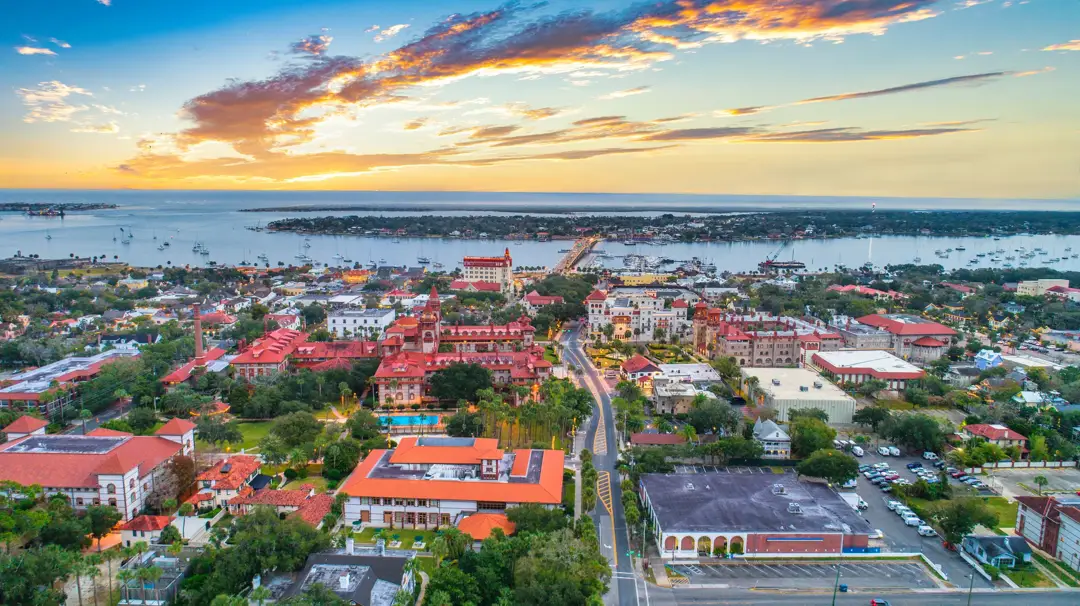
The Timeless Allure of America’s Oldest City
So, how old is St. Augustine, Florida? With its founding in 1565, it is 458 years old as of 2023, and its age continues to grow, adding new layers to its storied past each year. This remarkable longevity is not just a historical footnote; it is the very essence of the city’s identity and its enduring appeal to tourists worldwide. From its Spanish colonial roots to its Gilded Age grandeur and vibrant modern tourism, St. Augustine offers a unique blend of ancient heritage and contemporary charm.
Visiting St. Augustine is more than just a trip; it’s an educational journey through time, a cultural immersion, and an opportunity to explore significant landmarks that have shaped the United States. Whether you’re drawn by the majestic Castillo de San Marcos, the mystical Fountain of Youth, or the lively ambiance of St. George Street, St. Augustine promises an unforgettable experience. Its age is not just a number, but a testament to the resilience, adaptability, and fascinating evolution of America’s oldest continuously inhabited European-established settlement, making it a truly timeless destination.
LifeOutOfTheBox is a participant in the Amazon Services LLC Associates Program, an affiliate advertising program designed to provide a means for sites to earn advertising fees by advertising and linking to Amazon.com. Amazon, the Amazon logo, AmazonSupply, and the AmazonSupply logo are trademarks of Amazon.com, Inc. or its affiliates. As an Amazon Associate we earn affiliate commissions from qualifying purchases.