
Texas, the Lone Star State, conjures images of vast landscapes, rodeos, rich culinary traditions, and an independent spirit. But beneath the modern veneer of bustling cities, technological innovation, and world-class attractions lies a history so profound and multifaceted that it defies a simple numerical answer to the question: “How old is Texas?” While its statehood dates back to 1845, the story of Texas truly began millennia ago, shaped by indigenous peoples, European empires, and a resilient fight for independence. To understand the true “age” of Texas is to embark on a journey through time, exploring the layers of culture, conflict, and heritage that continue to define this remarkable destination. For any traveler, delving into this deep past offers unparalleled experiences that enrich a visit far beyond the typical tourist itinerary, revealing a destination whose history is as grand as its open skies.
Deep Roots: Indigenous Texas and Early European Encounters
The land we now know as Texas was vibrant with human activity long before any European explorer set foot on its shores. Its age, in human terms, stretches back at least 13,000 years, making it a cradle of ancient civilizations whose legacy, though often overlooked, laid the foundational layers of this diverse region.
Millennia Before the Lone Star: Indigenous Civilizations
For thousands of years, diverse indigenous groups thrived across the vast plains, forests, and coasts of what would become Texas. Tribes like the Caddo, known for their complex agricultural societies and elaborate mound-building in East Texas, cultivated maize, beans, and squash, establishing intricate trade networks. Along the Gulf Coast, the Karankawa adapted to a semi-nomadic lifestyle, relying on abundant seafood and migratory game, leaving behind shell middens that serve as archaeological markers of their presence.
The formidable Apache and Comanche nations dominated the western and northern plains, masters of horsemanship and buffalo hunting. Their prowess and strategic movements profoundly influenced the region’s dynamics for centuries, shaping interactions with later European arrivals. These groups developed rich spiritual traditions, intricate social structures, and a deep understanding of the land, leaving behind rock art, ceremonial sites, and oral histories that are still being rediscovered and honored today. Exploring these early roots offers a unique perspective on Texas’s natural landscapes and provides a context for understanding the state’s enduring connection to the land. For those interested in pre-Columbian history, visits to sites like Seminole Canyon State Park & Historic Site offer a glimpse into these ancient worlds, making for truly enriching travel experiences that transcend mere sightseeing.
The Dawn of European Influence: Spanish and French Footprints
The first documented European encounter with Texas occurred in 1528, when Álvar Núñez Cabeza de Vaca and his shipwrecked crew became the first Europeans to traverse parts of the land, living among indigenous tribes for years. This marked the beginning of Spain’s enduring, albeit often tenuous, claim over the vast territory. For nearly three centuries, Spain sought to assert control, primarily through the establishment of missions and presidios. These outposts, like those found within the San Antonio Missions National Historical Park (including the iconic The Alamo), were designed to Christianize Native Americans and solidify Spanish presence against incursions from France.
The French, under figures like René-Robert Cavelier, Sieur de La Salle, briefly attempted to establish a colony in the late 17th century, triggering increased Spanish colonization efforts. These early colonial ventures left an indelible mark, introducing European architecture, livestock, new crops, and, unfortunately, diseases that devastated native populations. The remnants of these Spanish missions stand today as some of Texas’s most significant landmarks and attractions, offering visitors a tangible connection to this foundational period. For travelers seeking a blend of history and spiritual serenity, exploring these historic sites provides a deep dive into the intertwined destinies of European settlers and indigenous communities, a crucial chapter in the state’s ancient narrative. Accommodation options near these historical treasures in cities like San Antonio often include charming boutique hotels or even historically themed resorts that enhance the immersive tourism experience.
A Crucible of Nations: Mexican Texas and the Road to Independence
The turn of the 19th century brought a new era of transformations for Texas, as the vast territory transitioned from Spanish rule to become a part of an independent Mexico. This period, though relatively short, was pivotal, setting the stage for the dramatic events that would lead to the birth of the Republic of Texas. It was a time of dynamic cultural blending, economic opportunity, and ultimately, clashing ideologies that would shape the state’s identity for centuries to come.
From Spanish Colony to Mexican Territory
In 1821, after a decade-long struggle, Mexico achieved independence from Spain, and Texas became a sparsely populated northern province of the new nation. Eager to develop the region and create a buffer against potential American expansion, the Mexican government encouraged Anglo-American colonization. This led to the arrival of figures like Stephen F. Austin, who in 1822 led the “Old Three Hundred” families to settle along the Brazos River. These early settlers, largely from the southern United States, brought with them distinct cultural practices, including a demand for self-governance and an economic reliance on cotton cultivation, often with enslaved labor.
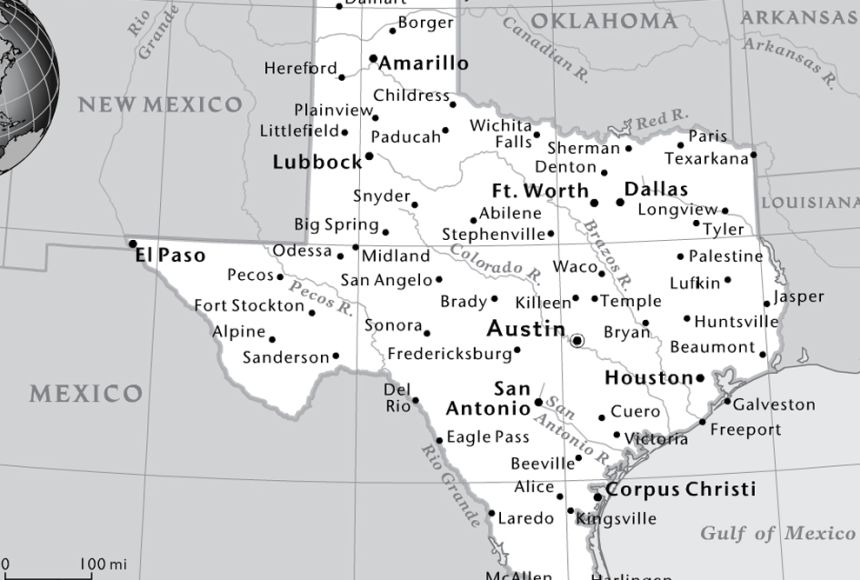
The Mexican government initially welcomed these immigrants, granting vast tracts of land. However, cultural differences, language barriers, and differing legal systems soon created friction. The Anglo-Texans, accustomed to common law and a high degree of local autonomy, chafed under Mexican civil law and centralized authority. Policies such as the abolition of slavery and increased customs duties further stoked tensions. This period represents a fascinating chapter of immigration and cultural assimilation – or lack thereof – whose legacy can still be seen in the unique blend of Tejano and Anglo traditions in Texas culture. Travelers exploring destinations like San Antonio or Goliad can witness the architectural and cultural remnants of this era, offering a rich tourism experience that highlights the complex heritage of the state. Many historic hotels in these areas often boast period architecture and decor, offering an immersive way to connect with the past.
The Birth of a Republic: Revolution and Sovereignty
The simmering tensions erupted into revolution in 1835. A series of skirmishes and defiant declarations culminated in the iconic Battle of the Alamo in March 1836, where a small band of Texan defenders, including legendary figures like William B. Travis and Davy Crockett, made a heroic last stand against overwhelming Mexican forces under General Santa Anna. Though a military defeat, The Alamo became a rallying cry: “Remember The Alamo!”
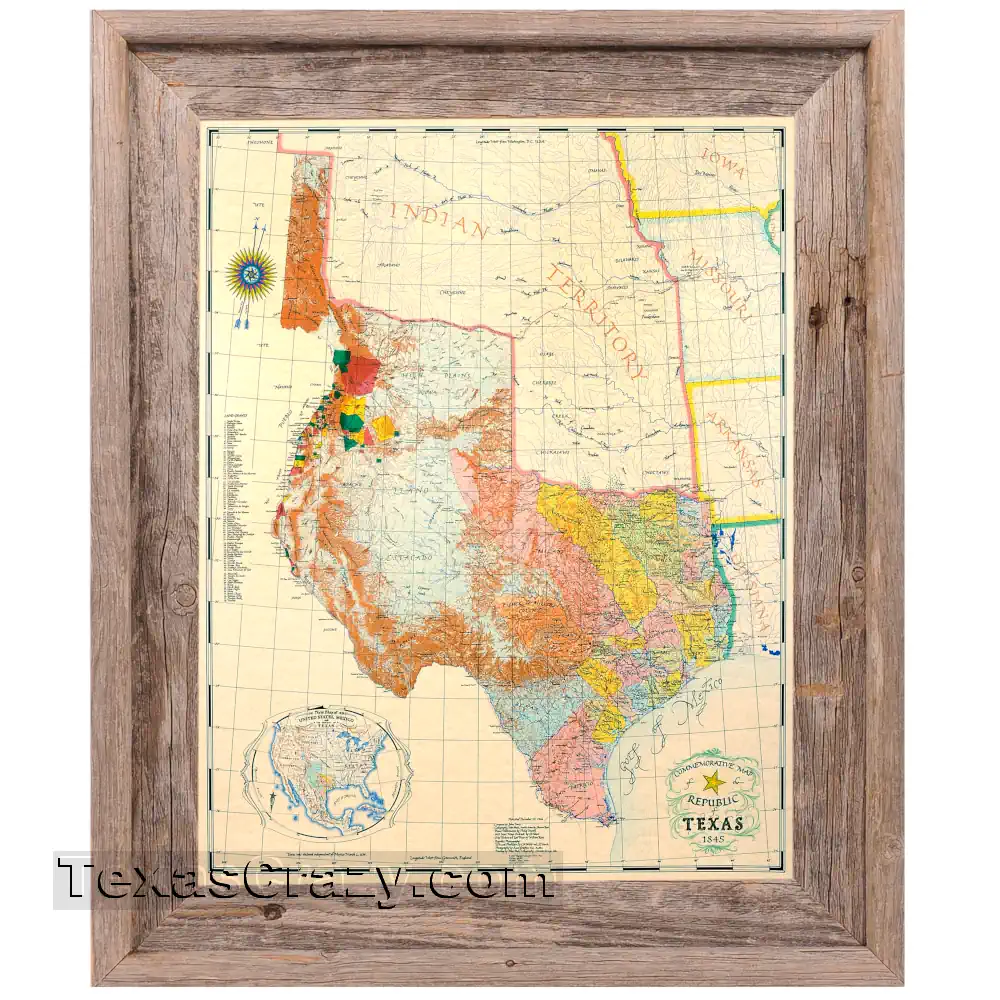
Just weeks later, on April 21, 1836, General Sam Houston led the Texan army to a decisive victory at the Battle of San Jacinto, capturing Santa Anna and securing independence. This momentous event led to the establishment of the Republic of Texas, an independent nation that existed for nearly a decade. During its nine years of sovereignty (1836-1845), the Republic of Texas navigated complex international relations, established its own government, and laid the groundwork for many of the state’s enduring political traditions.
For modern travelers, these revolutionary sites are among Texas’s most compelling attractions. Visiting The Alamo in San Antonio or the San Jacinto Battleground State Historic Site near Houston offers a powerful and moving experience, connecting visitors directly to the sacrifices and triumphs that forged a nation. These landmarks are not merely old buildings or fields; they are sacred grounds that encapsulate the spirit of Texan independence, providing invaluable insights into the state’s fiercely proud lifestyle and culture. Many nearby accommodations, from luxury resorts to budget-friendly hotels, cater to the influx of tourism drawn to these pivotal historical sites, making it easy to plan a deeply educational and inspiring trip.
The Lone Star State: A Legacy of Growth and Diversity
The story of Texas truly comes into its own with its entry into the United States. This marked a new chapter of immense growth, economic transformation, and social evolution, cementing Texas’s place as a distinctive and powerful force in the American narrative. From rugged frontier life to modern urban sprawl, this period defines much of what contemporary Texas offers to residents and visitors alike.
Annexation, Statehood, and Conflict
In 1845, after years of debate and negotiation, the Republic of Texas was annexed by the United States, becoming the 28th state. This decision immediately triggered the Mexican-American War, which ultimately saw the United States acquire vast territories stretching to the Pacific. Texas’s early years as a state were marked by rapid expansion, fueled by increasing Anglo-American immigration and the development of ranching and agriculture.
However, the issue of slavery, deeply entrenched in the Texan economy, led the state to secede from the Union in 1861 and join the Confederacy, plunging it into the American Civil War. Though relatively few battles were fought on Texan soil, the war profoundly impacted its society and economy. The period of Reconstruction that followed was fraught with challenges, as the state grappled with political upheaval and the monumental task of rebuilding. This era also saw the rise of the iconic “Cattle Kingdom,” as vast herds of longhorns were driven north on legendary trails like the Chisholm Trail, creating the enduring image of the cowboy and shaping the frontier lifestyle that remains synonymous with Texas to this day. Visitors today can explore historic ranches and museums dedicated to the cowboy way of life, particularly in cities like Fort Worth, which proudly embraces its “Cowtown” heritage. Accommodation in these areas often features rustic charm blended with modern amenities, perfect for a themed getaway.
Modern Texas: A Tapestry of Cultures and Innovation
The late 19th and 20th centuries brought an explosion of growth and diversification to Texas. The discovery of oil at Spindletop in 1901 ushered in the oil boom, transforming the state’s economy and creating immense wealth. This era saw the rise of major urban centers like Houston, Dallas, and Austin, each developing distinct characters and industries. Houston became a hub for energy and space exploration (home to NASA Johnson Space Center), Dallas emerged as a financial and fashion center, and Austin cultivated a reputation as a thriving tech and music capital.
Today, Texas stands as a vibrant mosaic of cultures, influenced by its indigenous, Spanish, Mexican, Anglo, and countless other immigrant populations. Its cuisine is a testament to this diversity, from world-renowned barbecue and Tex-Mex to innovative fine dining experiences in its major cities. The state’s natural beauty is equally diverse, ranging from the rugged mountains of Big Bend National Park in West Texas to the pristine beaches of Galveston and Corpus Christi along the Gulf Coast, and the rolling hills of the Texas Hill Country.
For the modern traveler, Texas offers an unparalleled array of destinations and experiences. Whether you’re seeking luxury travel in the high-rises of Dallas or Houston with suites in five-star hotels, a family trip exploring historical landmarks and natural attractions, or a budget-friendly adventure through small towns and state parks, Texas caters to every lifestyle. The state’s comprehensive tourism guides highlight everything from iconic landmarks like the Sixth Floor Museum at Dealey Plaza in Dallas to the vibrant live music scene of Austin and the historic charm of El Paso. With a vast selection of accommodations, including upscale resorts, cozy apartments, and charming bed and breakfasts, planning your ideal stay is effortless. The rich history of Texas informs its vibrant present, ensuring that every corner of the state offers a unique story and an unforgettable experience.
So, how old is Texas? It is as old as the ancient Caddo mounds, as old as the Spanish missions that dot its landscape, as old as the fierce spirit of independence that birthed a republic, and as dynamic as the ever-evolving modern metropolis. It is a destination where layers of history are constantly being explored and celebrated, offering infinite possibilities for travel, discovery, and a deep appreciation for its enduring legacy. Its age is not just a number but a profound tapestry of human endeavor, resilience, and transformation, making it one of the most compelling places to visit in the United States.
LifeOutOfTheBox is a participant in the Amazon Services LLC Associates Program, an affiliate advertising program designed to provide a means for sites to earn advertising fees by advertising and linking to Amazon.com. Amazon, the Amazon logo, AmazonSupply, and the AmazonSupply logo are trademarks of Amazon.com, Inc. or its affiliates. As an Amazon Associate we earn affiliate commissions from qualifying purchases.