
The Island of Hawaii, often affectionately known as the Big Island, is a place of unparalleled natural wonder, where fiery volcanoes continually reshape the landscape and ancient cultural traditions thrive amidst modern luxury. For many travelers, the allure of Hawaii lies in its stunning beaches, lush rainforests, and vibrant marine life. However, what truly sets the Big Island apart is its geological youth and ongoing creation, a dynamic process that makes it one of the most unique destinations on Earth. Understanding the age of this magnificent island isn’t merely an academic exercise; it offers profound insights into its dramatic landscapes, the incredible biodiversity it hosts, and the very spirit of adventure that draws millions to its shores. From the moment you step onto its newest lava flows or gaze up at its snow-capped peaks, you are witnessing a planet still in the throes of birth, a living testament to the powerful forces beneath the Earth’s surface.

Unlike many ancient landmasses that have settled into geological dormancy, the Island of Hawaii remains perpetually active, a youthful titan in the vast Pacific Ocean. Its age, a mere blink in geological time, directly influences everything from its rich volcanic soil that nourishes world-renowned coffee farms to the dramatic coastlines where new land is constantly being forged. This continuous creation means that a trip to the Big Island is more than just a vacation; it’s an immersive journey into the heart of planetary evolution. It allows visitors to witness geological processes firsthand, hike across landscapes that are only decades old, and ponder the immense forces that have shaped, and continue to shape, our world. Whether you’re a science enthusiast, an adventure seeker, or simply someone looking for a destination that offers something truly extraordinary, understanding the Big Island’s youthful vibrancy is key to appreciating its magic.
The Dynamic Birth of the Island of Hawaii
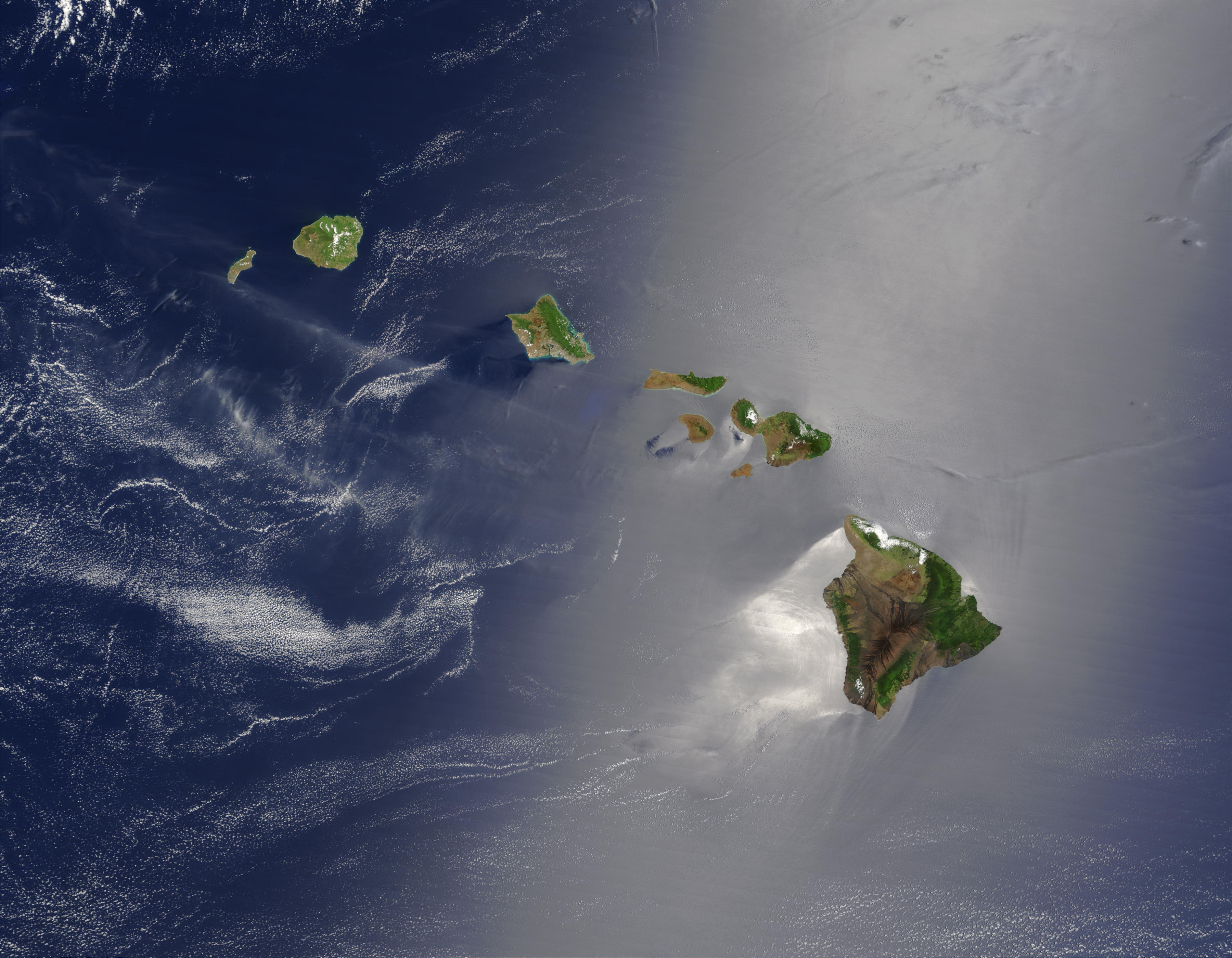
The Hawaiian Islands are a geological marvel, a chain of volcanic peaks stretching thousands of miles across the Pacific Ocean. Unlike volcanoes that form at tectonic plate boundaries, the Hawaiian Islands are born from a stationary “hotspot” deep within the Earth’s mantle. This hotspot continuously punches through the Pacific Plate as it slowly drifts northwestward, creating a conveyor belt of islands, each progressively older and more eroded than the last as they move away from the heat source. The Island of Hawaii stands as the latest and largest manifestation of this incredible process, still directly positioned over the hotspot and thus the youngest and most volcanically active member of the archipelago.
A Hotspot’s Legacy: Understanding Hawaii’s Volcanic Origins
The hotspot theory is fundamental to comprehending the age and evolution of the Hawaiian Islands. Imagine a fixed plume of superheated magma rising from the Earth’s mantle. As the Pacific Plate slowly glides over this plume, new volcanoes are born. The further an island is from the hotspot, the older it is, and the more time erosion and subsidence have had to wear it down. This explains why islands like Kauai and Oahu are millions of years old, characterized by deeply carved valleys and ancient, dormant volcanic structures. In stark contrast, the Island of Hawaii, positioned directly above this powerful upwelling, is continuously being built and reshaped by active volcanism. This ongoing geological activity ensures a constant state of flux, offering landscapes that are literally brand new.
Beneath the waves, southeast of the current Big Island, a new island is already forming. This submarine volcano, known as Loʻihi Seamount, is the next in the Hawaiian chain. It has been actively erupting for decades and is currently about 3,000 feet below the ocean’s surface. Geologists estimate that Loʻihi Seamount will breach the surface and become the next Hawaiian island in approximately 10,000 to 100,000 years, a testament to the enduring power of the hotspot and the dynamic future of this unique volcanic system. This foresight into the future of the archipelago adds another layer of fascination for travelers who wish to understand the grand geological narrative playing out in real-time.
Dating the Big Island’s Emergence: A Geological Timeline
So, how old is the Island of Hawaii itself? Geologists estimate that the base of the Big Island, where volcanic activity first began building from the seafloor, is approximately 800,000 to 1 million years old. However, the island as we know it today – the landmass that has emerged above sea level – is much younger. The earliest subaerial (above water) volcanic activity on the Big Island is believed to have occurred around 400,000 to 500,000 years ago. This makes it the youngest of the main Hawaiian Islands, a mere infant compared to its older, more eroded siblings.
This relative youth means the Big Island is still growing and evolving, a fact dramatically underscored by the continuous eruptions from its active volcanoes. The island’s landscapes reflect this youthfulness: vast, relatively barren lava fields contrast with pockets of emerging vegetation, and the coastline is constantly being extended and reshaped. For visitors, this translates into an incredible diversity of scenery, from fresh, stark black lava flows to ancient, verdant valleys, all within a relatively short distance. This geological timeline not only provides a scientific understanding but also frames the travel experience, allowing adventurers to walk on land that is literally still forming, offering an unparalleled connection to the Earth’s raw power.
Unveiling the Big Island’s Volcanic Giants
The Island of Hawaii isn’t just one volcano; it’s a colossal composite of five distinct volcanoes, each contributing to its immense size and diverse topography. These towering giants, some active and some dormant, are the architects of the island’s unique character, shaping everything from its highest peaks to its deepest valleys and influencing local climate zones that range from tropical rainforests to alpine deserts. Understanding these individual volcanoes is key to appreciating the Big Island’s geological story and the incredible array of experiences it offers to travelers.
From Submarine Peaks to Scenic Wonders: The Big Island’s Principal Volcanoes
- Mauna Kea: The tallest mountain in the world when measured from its base on the ocean floor to its summit, Mauna Kea stands at 13,803 feet (4,207 meters) above sea level. It is a dormant volcano, last erupting approximately 4,500 years ago. Its high altitude and dry, stable atmosphere make it one of the world’s premier sites for astronomical observation, hosting numerous international observatories. For tourists, a sunrise or sunset trip to the summit offers breathtaking views and a unique experience of snow in the tropics, often requiring a 4×4 vehicle. The flanks of Mauna Kea also offer fantastic stargazing tours, connecting visitors to the cosmos from one of Earth’s most pristine vantage points.
- Mauna Loa: Meaning “Long Mountain,” Mauna Loa is the largest volcano on Earth in terms of volume and mass, covering roughly half of the Big Island. It is an active shield volcano, rising to 13,678 feet (4,169 meters) above sea level. While it has erupted frequently throughout history, its eruptions tend to be effusive, producing fast-moving lava flows that pose a significant, but generally predictable, hazard. Its broad, gentle slopes offer challenging hiking opportunities for experienced trekkers, and parts of its vast expanse are accessible within Hawaii Volcanoes National Park. The recent eruptions of Mauna Loa underscore the dynamic nature of the island, reminding residents and visitors alike of its powerful, living geology.
- Hualālai: Dominating the landscape above Kailua-Kona on the western side of the island, Hualālai is an active volcano that last erupted in 1801. Although less active than Kīlauea or Mauna Loa, it is considered dormant rather than extinct, and future eruptions are anticipated. Its fertile slopes are home to the famous Kona Coffee Belt, where volcanic soil and ideal microclimates produce some of the world’s most prized coffee beans. The resort areas along the Kona coast, including luxury accommodations like the Four Seasons Resort Hualalai, are built on the flanks of Hualālai, offering stunning views and a connection to the island’s geological past.
- Kohala: The oldest of the five volcanoes on the Big Island, Kohala is an extinct volcano located on the northern tip of the island. Its last eruption occurred around 120,000 years ago. Due to its age, Kohala has undergone significant erosion, creating dramatic valleys and lush, verdant landscapes, particularly on its windward side. The Kohala Coast is renowned for its luxury resorts, golf courses, and beautiful beaches, providing a stark contrast to the newer, more barren volcanic landscapes to the south. This region is a testament to the long-term effects of time and natural processes on volcanic terrain, offering a glimpse into the Big Island’s distant future.
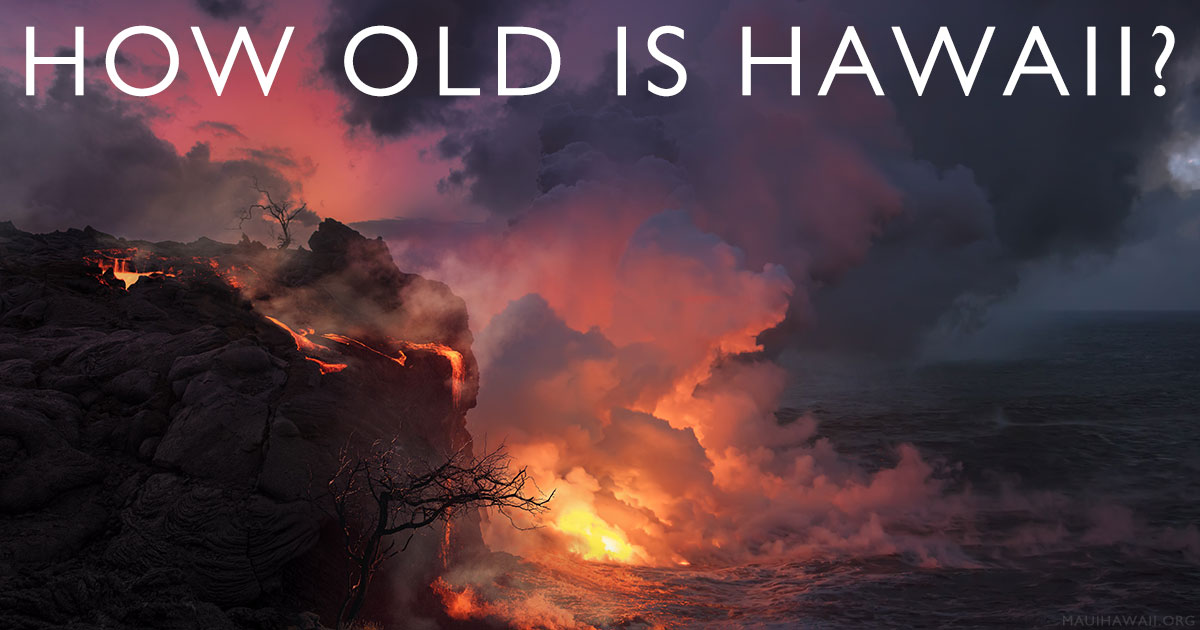
- Kīlauea: The youngest and most active volcano on the Island of Hawaii, Kīlauea has been in an almost continuous state of eruption since 1983, with significant periods of intense activity. Located within Hawaii Volcanoes National Park, Kīlauea offers unparalleled opportunities to witness volcanic activity up close, from glowing lava lakes to steaming vents and dramatic ocean entries (when conditions permit). The park itself is a UNESCO World Heritage Site and an absolute must-visit for anyone interested in geology, nature, or simply experiencing the raw power of Earth. The ever-changing landscape forged by Kīlauea’s eruptions is a constant reminder of the Big Island’s ongoing creation, providing unique, ever-evolving attractions for tourists.
Experience the Youthful Vibrancy of the Island of Hawaii
The Big Island’s youthful age and continuous geological activity are not just scientific curiosities; they are the very foundation of its unique appeal as a travel destination. This dynamic origin story has sculpted a landscape of astonishing diversity, offering experiences found nowhere else on the planet. From active lava flows to ancient rainforests, black sand beaches, and snow-capped peaks, the Island of Hawaii is a living, breathing testament to the power of nature, inviting travelers to explore its constantly evolving wonders.
Journey Through Time: Attractions Shaped by Volcanic Activity
The Big Island’s geological youth provides a canvas for some of the most dramatic and varied attractions imaginable. At the heart of this experience is Hawaii Volcanoes National Park, where visitors can witness the raw power of creation firsthand. Here, you can hike across barren lava fields, explore lava tubes carved by ancient flows, and, when conditions allow, marvel at the glow of molten lava. The park’s landscape changes constantly, with new trails opening and old ones being covered, making every visit a unique adventure. The types of lava, such as smooth, ropy Pahoehoe and rough, jagged A’a, tell their own stories of the land’s formation.
Beyond the immediate volcanic activity, the island’s youth has shaped its stunning coastline. Famous black sand beaches like Punaluʻu Black Sand Beach are formed when hot lava flows into the cool ocean, shattering and cooling rapidly into tiny fragments that are then deposited on the shore. These beaches are not only visually striking but also important nesting grounds for green sea turtles, adding a wildlife dimension to the geological spectacle. The island’s youngest age also contributes to a relatively narrow coral reef system compared to older Hawaiian Islands, yet the volcanic underwater landscapes create unique dive and snorkel sites, particularly in areas like Kealakekua Bay, where historical significance meets vibrant marine life.
Venture to the windward (eastern) side of the island around Hilo, and you’ll discover lush rainforests nourished by abundant rainfall and volcanic soil, a stark contrast to the arid lava fields. Waterfalls like those at Akaka Falls State Park plunge hundreds of feet into verdant gorges, demonstrating how quickly life reclaims and flourishes on newly formed land. The older, eroded slopes of Kohala further north reveal deep valleys and rolling green pastures around Waimea (also known as Kamuela by its post office name), showcasing the island’s progression through time from active volcano to weathered landscape. This incredible geographical diversity, all stemming from the island’s youthful volcanic origins, ensures that every corner of the Big Island offers a distinct and memorable experience.
Planning Your Big Island Adventure: Where Geology Meets Luxury and Exploration
Given its expansive and varied terrain, the Big Island caters to every type of traveler, blending high adventure with luxurious relaxation. For those seeking adrenaline, helicopter tours over active lava flows, deep-sea fishing expeditions off Kona, and stargazing at Mauna Kea’s summit provide unforgettable thrills. Cultural enthusiasts can delve into ancient Hawaiian history at sites like Puʻuhonua o Honaunau National Historical Park or explore the legacy of Captain Cook at Kealakekua Bay. Foodies will delight in farm tours along the Kona Coffee Belt and sampling fresh local cuisine in Hilo or Kailua-Kona.
Accommodation options on the Big Island are as diverse as its landscapes, designed to complement various travel lifestyles. On the sunny Kona and Kohala coasts, you’ll find an array of world-class resorts and hotels, perfect for luxury travel, family trips, or romantic getaways. Properties like the Four Seasons Resort Hualalai, Fairmont Orchid, and Mauna Lani, Auberge Resorts Collection offer opulent suites, championship golf courses, and serene spa experiences, often with breathtaking ocean views and private beach access. For those seeking a blend of comfort and independence, apartment-style accommodations and villas at locations such as Marriott’s Waikoloa Ocean Club or Wyndham Kona Hawaiian Resort provide excellent options, complete with kitchen facilities and resort amenities, ideal for longer stays or larger groups.
For adventurers and nature lovers who wish to be closer to the volcanic action, unique stays like the historic Volcano House, nestled within Hawaii Volcanoes National Park, offer unparalleled proximity to Kīlauea’s caldera. Budget-friendly hotels and charming guesthouses can also be found in towns like Hilo and Kailua-Kona, providing comfortable bases for exploring the island without breaking the bank. Whether you opt for a luxury resort, a cozy bed and breakfast, or a long-term apartment rental, the Big Island promises an accommodation experience that enhances your journey through its living geology, allowing you to reflect on the immense power of its creation from the comfort of your chosen retreat.
In conclusion, the Island of Hawaii, the youngest and largest gem in the Hawaiian archipelago, is a geological marvel. With its subaerial landmass estimated to be only 400,000 to 500,000 years old, and its base reaching back nearly a million years, it stands as a testament to Earth’s continuous creation. This dynamic youth, driven by an enduring hotspot, sculpts an island that is forever changing, forever growing. From the towering, dormant peaks of Mauna Kea to the actively erupting fissures of Kīlauea, the Big Island offers a tangible connection to the powerful forces that shape our planet. It’s a destination where history is measured in lava flows, and the future is an emerging seamount beneath the waves. For the discerning traveler, this means an unparalleled opportunity to witness nature in its rawest, most magnificent form, enjoying the vibrant culture, diverse landscapes, and exceptional hospitality that make the Island of Hawaii truly a place out of the box.
LifeOutOfTheBox is a participant in the Amazon Services LLC Associates Program, an affiliate advertising program designed to provide a means for sites to earn advertising fees by advertising and linking to Amazon.com. Amazon, the Amazon logo, AmazonSupply, and the AmazonSupply logo are trademarks of Amazon.com, Inc. or its affiliates. As an Amazon Associate we earn affiliate commissions from qualifying purchases.