
The New York Subway, a pulsating artery beneath one of the world’s most iconic cities, is more than just a transit system; it’s a testament to human ingenuity, a repository of history, and an indispensable component of the urban experience. Its sheer scale and continuous operation have cemented its status as a beloved, if sometimes gruff, landmark. But the question of “how old” it is prompts a journey not just through time, but through the very evolution of urban mobility and the spirit of the city itself. To truly understand the age of the New York Subway, we must delve into its origins, its foundational milestones, and the continuous thread of its existence that connects the past to the present.

The Genesis of an Underground Marvel: The First Tracks Laid
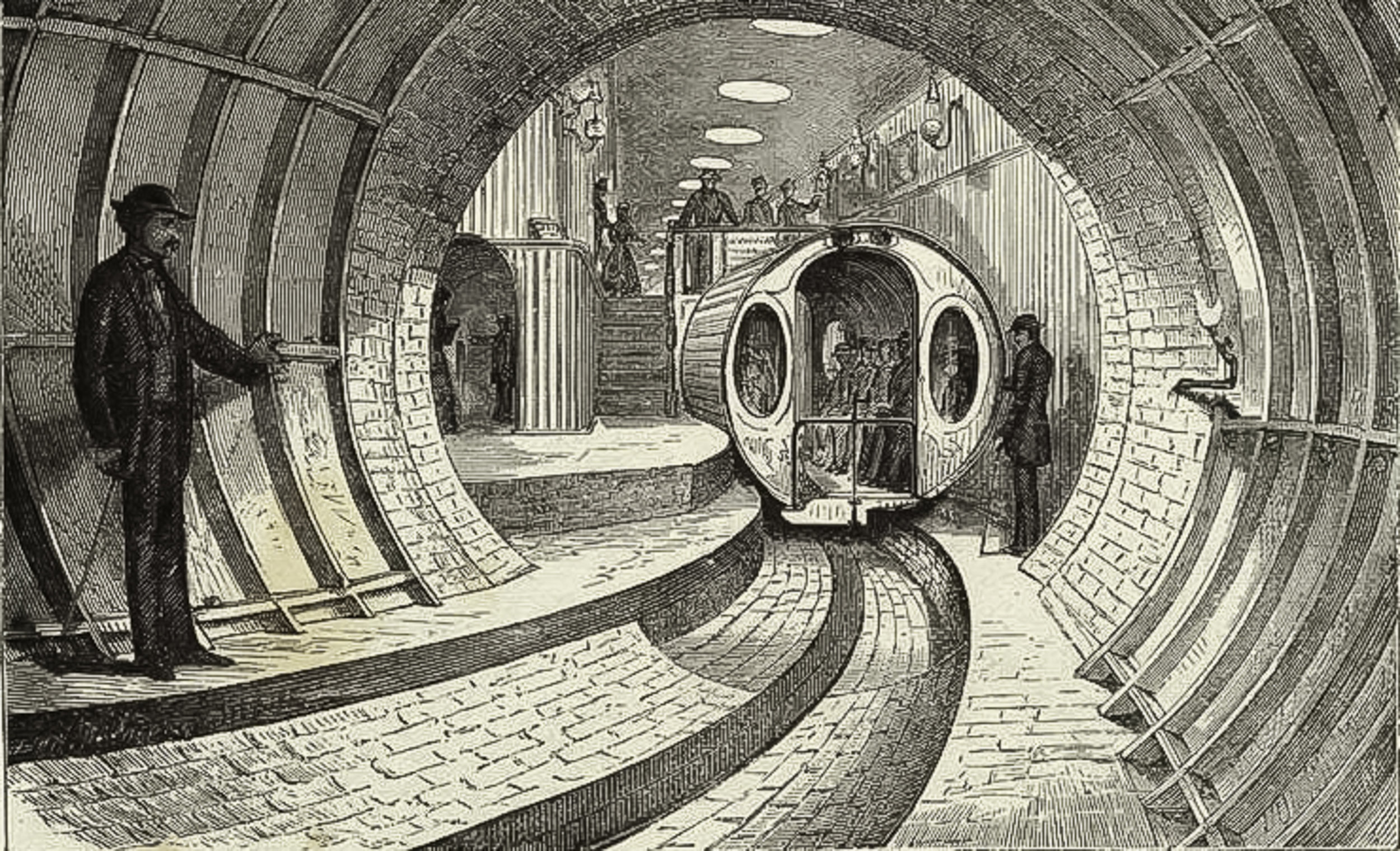
The concept of a subway system in New York City was not born overnight. It was a response to the burgeoning metropolis of the late 19th century, an era marked by rapid industrialization and an explosion in population. The surface streets, choked with horse-drawn carriages, elevated railways, and a pedestrian throng, became increasingly impassable. The need for a more efficient, faster, and less disruptive mode of transportation was palpable.
The Obstacles and Ambitions of Early Transit
The journey from conception to construction was fraught with challenges. Engineers grappled with complex geological formations, the dense existing infrastructure, and the sheer cost of such a monumental undertaking. Political will was also a significant factor, with various factions debating the best approach and funding mechanisms. Despite these hurdles, visionary individuals and ambitious city officials pushed forward, envisioning a future where citizens could move swiftly and reliably across the sprawling city. The dream was to alleviate congestion, spur economic growth, and fundamentally transform urban living.
The Centennial Story: October 27, 1904
The date that marks the official public inauguration of the New York Subway is a cornerstone of its history: October 27, 1904. On this momentous day, Mayor McClellan, amidst great fanfare and public excitement, rode the first official train of the Interborough Rapid Transit Company (IRT) from City Hall to 145th Street. This event was the culmination of years of planning, surveying, and relentless construction. The initial service connected the downtown financial district with the rapidly developing Upper West Side and Upper Manhattan, offering a revolutionary new way to navigate the city. This inaugural line, though a mere fraction of today’s vast network, was an immediate success, carrying an estimated 300,000 passengers on its first day.
Evolution and Expansion: A Network Forged in Time
The opening of the first subway line in 1904 was not an end but a beginning. The subsequent decades witnessed a relentless drive to expand the system, integrating new technologies, absorbing rival companies, and responding to the ever-growing demands of the city. The subway system became a dynamic entity, constantly adapting and growing, reflecting the very pulse of New York.
The Dual Contracts and the Unified System
A pivotal moment in the subway’s expansion came with the “Dual Contracts” signed in 1913. These agreements between the city and the IRT and the Brooklyn Rapid Transit Company (BRT), which would later become Brooklyn–Manhattan Transit Corporation (BMT), led to a massive expansion of both elevated and underground lines. This period of intense development saw the construction of new lines, extensions to existing ones, and significant improvements in rolling stock. Crucially, the Dual Contracts laid the groundwork for a more unified system, even though the IRT and BMT operated as separate entities for many years. This expansion allowed the subway to reach further into the outer boroughs, facilitating suburban growth and making previously inaccessible areas viable for residential development.
The Unification of the System: A Post-War Transformation
The 1940s brought about the most significant structural change in the subway’s history: its unification under municipal ownership. In 1940, the city acquired the lines of the BMT and the Third Avenue Railway system. In 1948, the IRT was also acquired, bringing the entire independent subway system under the control of the newly formed New York City Transit Authority (NYCTA). This unification was a monumental task, involving the integration of different operating systems, car types, and fare structures. The goal was to create a single, cohesive network that would serve all New Yorkers equitably, eliminating redundant routes and creating a more efficient transit experience. This event, while not a construction start date, solidified the modern identity of the subway system and marked a new era of its operation.
The Subway Today: A Living, Breathing Landmark
The New York Subway, at over a century old, is not merely an artifact of the past; it is a vibrant, essential organ of the city that continues to evolve. Its age imbues it with a unique character, a sense of history that is palpable to anyone who descends into its stations. It is a place where the past and the present converge daily, carrying millions of commuters, tourists, and residents alike.
Architectural Heritage and Enduring Infrastructure
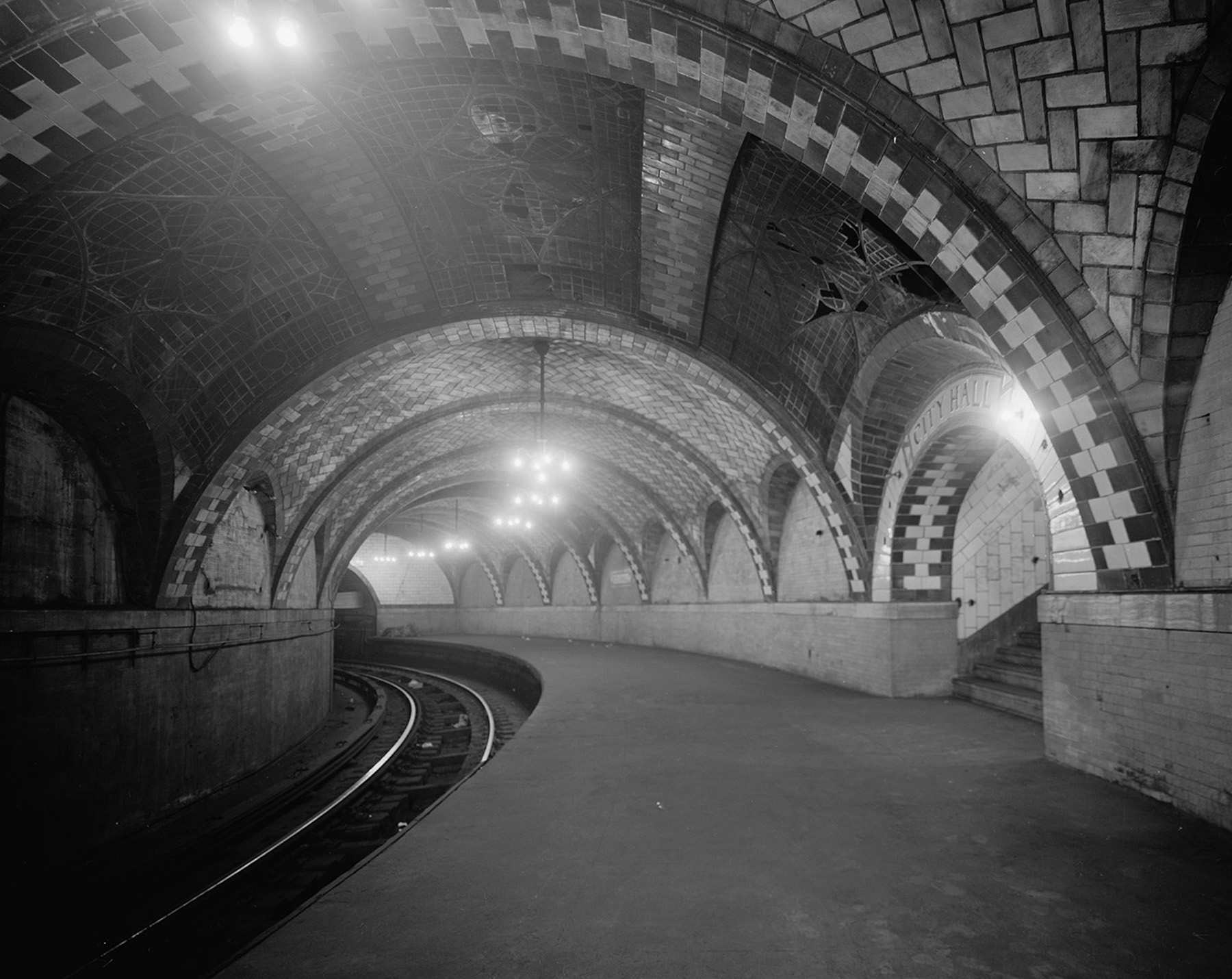
The subway’s infrastructure itself tells a story of different eras. Older stations often feature ornate tilework, grand archways, and cast-iron details that speak to the craftsmanship of the early 20th century. These architectural elements are not just decorative; they are a testament to the ambition and pride invested in the system’s initial construction. Despite the wear and tear of over a century of constant use, many of these original features remain, offering a glimpse into the aesthetic sensibilities of a bygone era. The enduring nature of this infrastructure is a remarkable feat of engineering, designed to withstand the relentless demands of an ever-growing city.
The Continuous Narrative of Service and Modernization
The age of the New York Subway is best understood not as a static number, but as a continuous narrative of service. Since its opening on October 27, 1904, it has operated without interruption, weathering economic depressions, world wars, and countless urban transformations. While the system faces ongoing challenges related to maintenance, modernization, and capacity, its resilience and adaptability are undeniable. The ongoing efforts to upgrade signals, renovate stations, and introduce new rolling stock demonstrate a commitment to ensuring the subway remains a viable and efficient mode of transportation for generations to come. The New York Subway is, in essence, as old as the first passenger who stepped onto its platforms on that historic day in 1904, and its story continues to be written with every train that departs and arrives.
LifeOutOfTheBox is a participant in the Amazon Services LLC Associates Program, an affiliate advertising program designed to provide a means for sites to earn advertising fees by advertising and linking to Amazon.com. Amazon, the Amazon logo, AmazonSupply, and the AmazonSupply logo are trademarks of Amazon.com, Inc. or its affiliates. As an Amazon Associate we earn affiliate commissions from qualifying purchases.