
Embarking on a journey through the Golden State, from the sun-kissed beaches of Los Angeles to the iconic vistas of San Francisco, often necessitates the freedom of a rental car. California is a vast and diverse state, and truly experiencing its myriad attractions – whether it’s a scenic drive along the Pacific Coast Highway, an adventure in Yosemite National Park, or a culinary tour through its renowned wine regions – becomes infinitely more accessible with your own set of wheels. However, for many eager travelers, particularly those under a certain age, the question of “How old do you need to be to rent a car in California?” can be a significant hurdle.
Historically, car rental policies across the United States have often presented a challenge for younger drivers, with many companies imposing a minimum age of 25. This wasn’t just an inconvenience; it was a barrier that shaped travel plans, limited spontaneous road trips, and often forced young adults to rely on public transportation, rideshares, or the generosity of older companions. For those planning a luxurious escape, a budget-friendly adventure, a family trip, or even a business stay, understanding the specific age requirements is paramount to a smooth and stress-free experience.
Fortunately, recent legislative changes in California have significantly altered the landscape for young renters, making it easier and more affordable for those under 25 to explore all that the state has to offer. This comprehensive guide will delve into the current regulations, explain the associated costs, outline essential requirements, and provide valuable tips to help you secure your rental car and embark on your Californian adventure with confidence.

The Standard Age Requirement and Recent Changes
For many years, the standard minimum age to rent a car from most major agencies in the United States was 25. While some states and rental companies offered exceptions, these often came with hefty surcharges and limited vehicle choices. This long-standing policy was primarily driven by insurance companies, which statistically consider drivers under 25 to be at a higher risk of accidents. This meant that a 21-year-old on a dream trip to California might face significant financial penalties or even be denied a rental outright.
The implications for travel and tourism were substantial. College students on summer break, young professionals exploring new cities like San Diego, or international visitors from countries like Canada or Mexico where rental ages might be lower, often found their plans disrupted. The “under 25” restriction became a common point of frustration, limiting the spontaneity and flexibility that define many memorable travel experiences.
Understanding the 2024 Law in California
The year 2024 marked a pivotal change for young drivers looking to rent a car in California. California Assembly Bill 1614 (AB 1614), which took effect on January 1, 2024, significantly lowered the minimum age requirement across the state. Under this new legislation, car rental companies operating in California are now legally mandated to rent vehicles to individuals who are at least 21 years old.
This means that if you are 21, 22, 23, or 24, you are now legally eligible to rent a car from any major rental agency within California. This change represents a massive win for younger travelers, aligning California’s policies more closely with those found in parts of Europe and other countries where the minimum rental age is often 21 or even 18. The law ensures that, regardless of the rental company – be it a global giant like Hertz or a smaller local outfit – the 21-year minimum age must be honored.

The introduction of AB 1614 reflects an understanding of modern travel needs and acknowledges the economic contributions of younger adults to the tourism sector. It opens up opportunities for exploring the state’s diverse landscapes, from the vibrant urban centers to the serene beauty of its national parks, without the previous age-related constraints.
Historical Context and Previous Regulations
Prior to AB 1614, while the legal driving age in California was 16, most rental companies maintained a minimum age of 21, and critically, imposed substantial “young renter” fees for those under 25. Some companies even maintained a strict 25+ age policy without exceptions for certain vehicle classes.
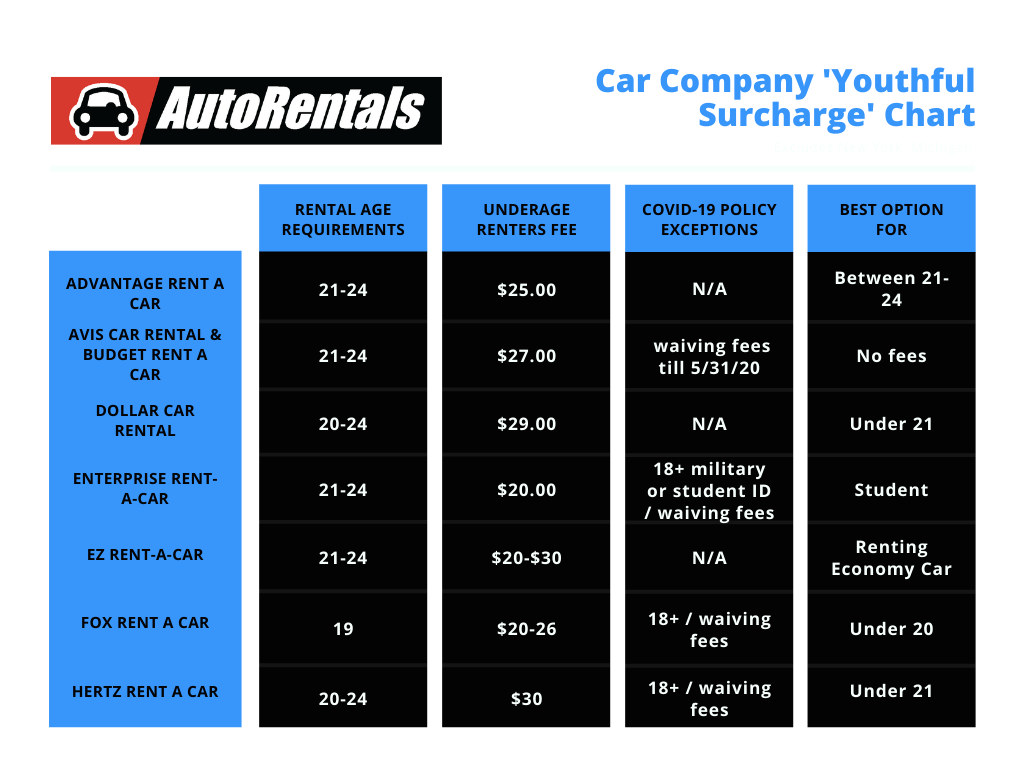
The logic behind these stringent policies, as mentioned, was largely insurance-driven. Data indicated that drivers under 25 were statistically more prone to accidents, leading to higher insurance premiums for rental agencies. To offset this perceived risk, companies introduced daily surcharges, which could range anywhere from $20 to $70 per day. For a week-long trip, this could add hundreds of dollars to the total rental cost, often making it unaffordable for budget-conscious young travelers.
For instance, an individual under 25 wanting to explore San Francisco’s hills or drive down to Disneyland in Anaheim would not only have to find a company that rented to them but also budget for an additional, often significant, daily fee. This historical context makes the recent changes in California even more impactful, as they not only lower the minimum age but also regulate the surcharges, aiming to make car rental more equitable.
Navigating Surcharges and Waivers for Young Renters
While AB 1614 has lowered the minimum rental age to 21, it’s crucial to understand that it doesn’t entirely eliminate the additional costs associated with being a young renter. Rental car companies are still permitted to charge a daily surcharge for drivers under the age of 25, though the new law introduces caps on these fees, making them more manageable. This balance reflects the ongoing actuarial risks perceived by insurers while making car travel more accessible.
Decoding the “Under 25” Surcharge
The “under 25” surcharge, often referred to as a “young renter fee,” is an additional daily fee imposed by rental companies to cover the perceived higher insurance risk of drivers aged 21-24. Before AB 1614, these fees could be highly variable and sometimes prohibitive, reaching up to $70 per day depending on the company and location.
Under the new California law, these surcharges are now capped. The law stipulates that a rental car company cannot charge a young renter fee of more than $28 per day. This cap makes planning a trip much more predictable and affordable. For example, a 7-day rental would incur an additional cost of no more than $196 for the surcharge, a significant reduction from previous potential costs.
It’s important to note that this $28 cap is a maximum. Some rental companies might choose to charge less, or offer promotions that reduce or waive the fee in specific circumstances. Therefore, it is always advisable to compare prices across different providers like Enterprise, Avis, Budget, National Car Rental, Alamo, Dollar, and Thrifty to find the best deal. Always look for the total estimated cost, including all fees and taxes, before making a reservation. The surcharge is an additional cost on top of the base rental rate, insurance options, and any other add-ons (like GPS or child seats).
Exceptions and Discounts: Military, Government, and AAA
While the $28 daily cap provides some relief, there are specific situations where the young renter fee might be waived entirely or significantly reduced. These exceptions are important for certain groups of travelers:
- Military Personnel: Active-duty military personnel, both federal and state, are often exempt from the young renter surcharge. This policy is a common courtesy extended by many rental companies in recognition of their service. If you are active military, ensure you bring your official military ID and inquire about this exemption when booking or picking up the vehicle. This can be a substantial saving for service members on leave or stationed in California.
- Government Employees: Federal government employees traveling on official business are also typically exempt from the young renter fee. Similar to military personnel, they will need to present appropriate government identification and paperwork confirming their official travel. This exemption acknowledges that these individuals are often required to travel for work regardless of age.
- AAA Members: Membership in the AAA (American Automobile Association) can provide valuable benefits, including potential discounts or waivers on young renter fees. Many major rental car companies have partnerships with AAA, offering members various perks. While not always a complete waiver, AAA discounts can significantly reduce the surcharge, making car rental more affordable. It’s crucial to check the specific terms and conditions with AAA and the chosen rental company, as policies can vary.
Beyond these specific exemptions, it’s always worth exploring other avenues for discounts. Many university alumni associations, corporate travel programs, or even credit card benefits might offer similar advantages. When planning your trip, particularly if you are under 25, thorough research into these potential waivers and discounts can lead to substantial savings, allowing for a more enjoyable and extensive exploration of California’s diverse offerings, from exploring the natural wonders of Death Valley National Park to the bustling city life of Hollywood.
Essential Requirements Beyond Age
While the minimum age is a primary consideration, it’s just one piece of the puzzle. To successfully rent a car in California, you’ll need to meet several other critical requirements, encompassing documentation, payment methods, and an understanding of insurance options. Neglecting any of these could lead to unexpected delays or even denial of your rental at the counter, jeopardizing your travel plans.
Documentation Needed for Car Rental
Having the correct documents in hand is crucial for a seamless pickup process.
- Valid Driver’s License: This is non-negotiable. You must present a valid, unexpired driver’s license.
- For US Residents: A standard state-issued driver’s license from any US state is sufficient. It must be a physical card, not just a digital copy.
- For International Visitors: If your license is from outside the United States, it generally needs to be accompanied by an International Driving Permit (IDP) if your license is not in English or if the rental company specifically requires it. While California state law does not strictly mandate an IDP, many rental agencies do as a safeguard. It’s always best to check with your chosen rental company beforehand. The IDP serves as a translation of your foreign license and is valid in over 150 countries.
- Proof of Identity: While your driver’s license typically serves as primary ID, some companies might ask for a second form of identification, especially for international renters. A passport is usually the best option.
- Rental Confirmation/Voucher: Bring a printout or digital copy of your reservation confirmation. This will contain all the details of your booking, including vehicle type, rental period, and any pre-paid amounts.
Ensure all documents are current and match the name on your reservation and payment method. Any discrepancies could cause issues.
Payment Methods and Deposit Considerations
Securing a rental car also involves financial aspects, including the method of payment and potential security deposits.
- Credit Card: A major credit card (Visa, MasterCard, American Express, Discover) in the renter’s name is almost universally required. This is for both payment and as a guarantee for potential damages or additional charges. The card must have sufficient credit available to cover the rental cost plus a security deposit.
- Debit Card Policy: While some rental companies do accept debit cards, their policies are often much stricter, especially for younger renters. If you plan to use a debit card, be prepared for:
- Credit Check: Many companies will perform a credit check.
- Higher Deposit: A significantly larger security deposit may be required, sometimes hundreds of dollars beyond the rental cost.
- Additional Documentation: You might need to provide additional proof of identification, proof of return travel (e.g., flight itinerary), or local address verification.
- Vehicle Restrictions: Certain vehicle categories might be unavailable for debit card renters.
- Hold Period: The deposit can be held for several days or even weeks after the rental, potentially impacting your travel budget.
It is highly recommended to use a credit card if possible to avoid these complications. If a debit card is your only option, contact the specific rental branch directly in advance to understand their exact requirements.
- Security Deposit: Regardless of the payment method, most rental companies require a security deposit. This is a temporary hold placed on your credit or debit card, typically ranging from $200 to $500, to cover incidentals, fuel charges if the car isn’t returned full, or minor damages. The hold is released once the car is returned safely and without issue, but it can take several business days for the funds to become available again.
Being prepared with a valid credit card and understanding the deposit requirements will prevent last-minute stress at the rental counter, allowing you to focus on the exciting prospects of your California adventure, from exploring vibrant city centers to tranquil natural retreats.
Choosing the Right Rental for Your California Adventure
Selecting the appropriate vehicle and understanding any limitations are critical steps in planning your California journey. The type of car you choose can significantly impact your comfort, budget, and the kind of experiences you can have, especially when considering the state’s diverse geography, from bustling urban areas to rugged mountain passes.
Vehicle Restrictions for Younger Drivers
While AB 1614 has eased age restrictions, it’s important to be aware that certain vehicle types may still be off-limits to younger renters, even those aged 21-24. These restrictions are primarily due to insurance policies and the perceived risk associated with high-value or high-performance vehicles.
- Luxury and Premium Cars: Most rental companies, including major brands like Hertz and Avis, typically restrict rentals of luxury sedans, sports cars, and premium SUVs to drivers aged 25 or even older (e.g., 30+ for exotic cars). If your dream is to cruise down Sunset Boulevard in a convertible, be sure to check the specific age requirements for that vehicle class.
- Vans and Specialty Vehicles: Large passenger vans (12-15 seaters) or specialty vehicles might also have higher age requirements or require specific endorsements on a driver’s license. This is particularly relevant for groups or families planning an extensive road trip or a visit to popular landmarks like the Golden Gate Bridge or Santa Monica Pier.
- Standard Options: Fortunately, younger renters will still have access to a wide range of standard vehicle categories, including economy cars, compact cars, mid-size sedans, and standard SUVs. These options are perfectly suitable for most travel needs, whether you’re navigating city streets, heading to a resort, or exploring national parks.
Always confirm vehicle-specific age restrictions when making your reservation, especially if you have a particular car type in mind. This will prevent disappointment and ensure you get a car that meets both your needs and the rental company’s policies.
Tips for a Smooth Rental Experience in California
To ensure your car rental process is as smooth as your drive along California’s scenic routes, consider these practical tips:
- Book in Advance: Especially during peak travel seasons or if you’re traveling to popular destinations, booking your car rental several weeks or even months in advance can secure better rates and a wider selection of vehicles. This is particularly true for young renters who might have fewer options.
- Compare Rental Companies: Don’t just stick to one company. Use online comparison sites to check rates from Hertz, Avis, Enterprise, Budget, National Car Rental, Alamo, Dollar, and Thrifty. Pay close attention to the total cost, including the young renter surcharge, taxes, and any potential hidden fees.
- Understand Insurance Options:
- Collision Damage Waiver (CDW) / Loss Damage Waiver (LDW): This waives your financial responsibility for damage or theft of the rental car. It’s often optional but highly recommended.
- Supplemental Liability Insurance (SLI): This provides additional liability coverage beyond the state minimums.
- Personal Car Insurance: Check if your personal auto insurance policy extends coverage to rental cars.
- Credit Card Benefits: Many credit cards offer secondary rental car insurance as a perk. Check with your card issuer.
Understanding your existing coverage can save you from purchasing redundant and expensive insurance at the rental counter.
- Inspect the Vehicle Thoroughly: Before driving off, take photos or videos of the car’s exterior and interior, noting any existing scratches, dents, or damage. This protects you from being charged for pre-existing issues. Confirm the fuel level and ensure the odometer reading is noted accurately.
- Know the Fuel Policy: Most rentals come with a full tank and expect to be returned full. If not, you’ll be charged a premium for refueling. Consider prepaying for fuel only if you’re sure you won’t have time to refuel yourself before returning.
- Consider Additional Drivers: If someone else will also be driving, they must be added to the rental agreement, typically for an extra daily fee. They must also meet the minimum age requirements and present their valid driver’s license.
- Plan Your Pick-up and Drop-off: Be mindful of opening hours, especially at airport locations or smaller city branches. Factor in travel time to and from the rental office.
By diligently following these steps, young renters can confidently navigate the car rental process in California. The ability to rent a car opens up a world of possibilities for exploring the state, from luxurious hotel stays in Beverly Hills to adventurous camping trips in its stunning national parks, ensuring that age is no longer an insurmountable barrier to experiencing the freedom of the open road.
In conclusion, for those wondering “How old to rent a car in California?”, the answer is now a definitive 21 years old, thanks to the impactful changes introduced by AB 1614. While a daily surcharge of up to $28 may apply for drivers aged 21-24, this new legal framework makes renting a car significantly more accessible and predictable for younger travelers. By being prepared with the correct documentation, understanding payment policies, being aware of potential vehicle restrictions, and following smart rental tips, your California adventure awaits, unhindered by age, and filled with the promise of open roads and unforgettable experiences.
LifeOutOfTheBox is a participant in the Amazon Services LLC Associates Program, an affiliate advertising program designed to provide a means for sites to earn advertising fees by advertising and linking to Amazon.com. Amazon, the Amazon logo, AmazonSupply, and the AmazonSupply logo are trademarks of Amazon.com, Inc. or its affiliates. As an Amazon Associate we earn affiliate commissions from qualifying purchases.