
Navigating the vibrant landscape of Florida often conjures images of sun-drenched beaches, world-class theme parks, and endless stretches of scenic coastline. To truly unlock the freedom and flexibility this Sunshine State offers, renting a car is almost indispensable. However, for many aspiring visitors, a crucial question looms: “How old do I need to be to rent a car in Florida?” This article delves into the intricacies of car rental age requirements in the state, providing clarity and essential information for your travel planning.
Understanding Florida’s Minimum Age Requirements
The Sunshine State, much like many others across the United States, has specific regulations regarding the minimum age for renting a vehicle. The general consensus across major car rental agencies operating in Florida is that drivers must be at least 21 years old to rent a car. This age is significantly lower than the federal minimum drinking age, but it’s important to note that this is not the only factor influencing rental eligibility.
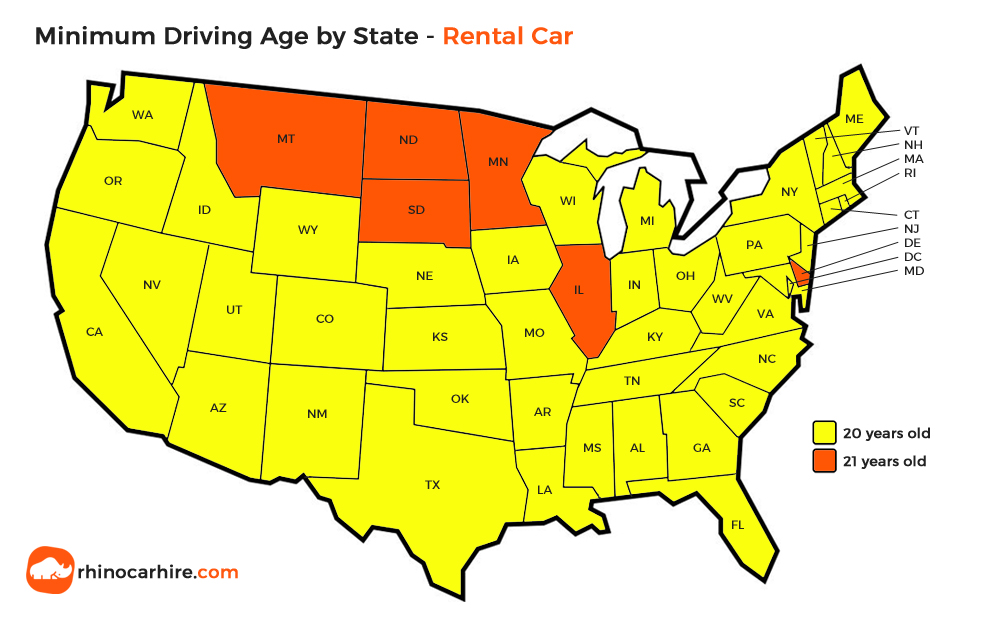
The Standard 21-Year-Old Rule
For renters between the ages of 21 and 24, a common practice among rental companies is the imposition of a “young renter fee” or “underage driver fee.” This fee is added to the daily rental cost and helps to offset the increased insurance risk associated with younger drivers. The exact amount of this fee can vary considerably from one rental company to another and even by location within Florida. Some companies might have stricter age policies, potentially requiring drivers to be older than 21, or they might disallow rentals altogether for certain vehicle classes.
It is imperative to check the specific policies of the rental company you intend to use well in advance of your trip. Websites for companies like Hertz, Avis, Enterprise, and Budget will typically have a detailed FAQ or terms and conditions section outlining their age requirements and any associated fees. Ignoring this crucial detail could lead to significant disappointment and logistical nightmares upon arrival.
Exceptions and Special Circumstances
While 21 is the prevailing minimum age, there are some nuances to consider. For instance, some car rental companies might offer exceptions or have different policies for drivers who are part of a corporate rental agreement or who are affiliated with certain travel programs. These exceptions are rare and usually come with specific conditions and oversight.
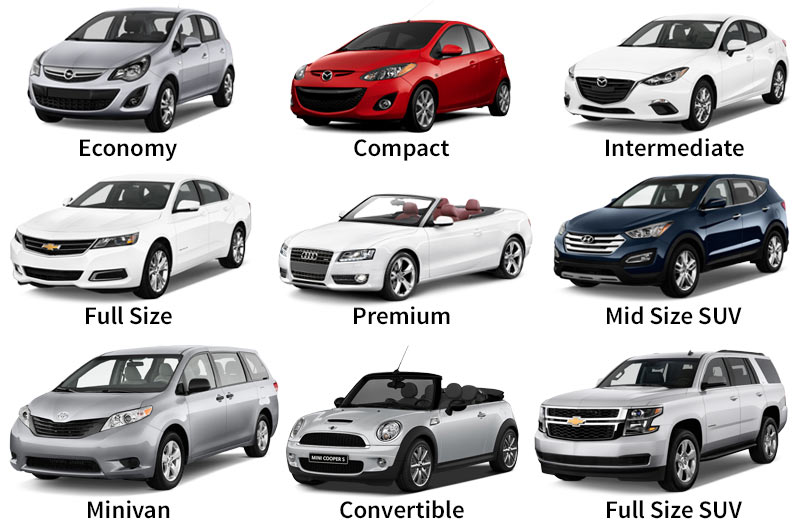
Furthermore, the type of vehicle you wish to rent can also play a role. Exotic cars, luxury vehicles, or larger vans might have higher minimum age requirements, sometimes even extending to 25 years old, regardless of the standard policy. This is due to the higher value of these vehicles and the potential for increased risk.
Documentation Required for Young Renters
Beyond meeting the age requirement, young renters (aged 21-24) will invariably need to present additional documentation. This typically includes:
- A valid driver’s license: The license must be in the renter’s name, valid, and not expired. Some companies may also require the license to have been held for a minimum period, often one year.
- Proof of insurance: While rental companies offer insurance options, renters may be required to demonstrate that they have their own auto insurance that extends to rental vehicles. This can be verified through an insurance card or a policy document.
- A major credit card: Rental companies almost universally require a major credit card in the renter’s name for security and to cover any potential damages or fees. Debit cards are often not accepted, or they come with very stringent requirements and pre-authorization holds.
- Proof of round-trip travel: Some companies might ask for proof of a return flight or other travel arrangements to confirm that the renter is a visitor and not a local resident attempting to circumvent other policies.
Failing to provide any of these documents can result in the rental being denied, even if all other criteria are met.
Navigating Insurance Requirements
Insurance is a critical component of renting a car in Florida, especially for younger drivers. Understanding your options and responsibilities is paramount to avoiding unexpected financial burdens.
Understanding Rental Company Insurance Options
Car rental companies in Florida offer several insurance products at the rental counter. These typically include:
- Collision Damage Waiver (CDW) or Loss Damage Waiver (LDW): This is not technically insurance, but a waiver that releases you from financial responsibility for damage to the rental car, provided you adhere to the rental agreement’s terms.
- Supplemental Liability Insurance (SLI): This provides liability coverage for bodily injury and property damage to others if you are at fault in an accident.
- Personal Accident Insurance (PAI): This covers medical expenses for you and your passengers in the event of an accident.
- Personal Effects Coverage (PEC): This covers personal belongings stolen or damaged from the rental car.
For renters aged 21-24, the cost of these insurance options can be significantly higher, often reflecting the young renter fee structure.

Utilizing Your Personal Auto Insurance
Many individuals are covered by their personal auto insurance policies, which may extend to rental vehicles. Before your trip, it is highly advisable to contact your insurance provider to understand the extent of your coverage. Key questions to ask include:
- Does my policy cover rental cars in Florida?
- What are the coverage limits for liability, collision, and comprehensive damage?
- Does my policy cover underage drivers if I am renting for someone between 21 and 24?
- Are there any deductibles for rental car damage?
If your personal insurance provides adequate coverage, you may be able to decline the rental company’s insurance, saving you a considerable amount of money, especially when factoring in the young renter fees. However, be sure that your personal policy covers all aspects of potential risk, including liability and damage to the rental vehicle itself.
Credit Card Benefits
Some credit cards offer rental car insurance as a benefit to cardholders. This coverage is often secondary to your personal auto insurance, meaning it kicks in after your primary policy has paid out. It’s essential to read the terms and conditions of your credit card benefits carefully, as they may have specific requirements, such as declining the rental company’s CDW/LDW and the car being rented solely for personal use. You will typically need to pay for the entire rental with that specific credit card to activate the coverage.
Beyond Age: Other Rental Considerations
While age is a primary concern, several other factors can influence your ability to rent a car in Florida. Being aware of these can streamline your rental process and prevent last-minute complications.
Driver’s License Validity and History
As previously mentioned, a valid driver’s license is non-negotiable. It must be a legitimate, government-issued license that is not expired, suspended, or revoked. Rental companies will also perform a driving record check. A history of serious traffic violations, such as DUIs, reckless driving charges, or multiple speeding tickets, can lead to denial of rental, regardless of age. Some companies may have a “look-back” period, meaning they will review your driving record for a specific number of years.
International Drivers
If you are an international visitor, you will need to present your foreign driver’s license. If the license is not in English, an International Driving Permit (IDP) may also be required. The IDP serves as a translation of your home country’s license and is generally recommended for smoother interactions with rental agencies and law enforcement. Check with your specific rental company and the Florida Department of Highway Safety and Motor Vehicles for detailed requirements regarding foreign licenses and IDPs.
Geographic Restrictions and Mileage Limits
When booking a rental car, be mindful of any geographic restrictions. Some rental agreements may prohibit taking the vehicle outside of Florida or into certain neighboring states. If you plan a road trip that extends beyond the state’s borders, confirm that this is permitted.
Mileage limits can also be a factor. While many rentals offer unlimited mileage, some may have daily or total mileage caps, with charges for exceeding these limits. This is particularly relevant if you plan extensive travel across the state, perhaps visiting Orlando, Miami, and the Florida Keys in a single trip. Always clarify the mileage policy to avoid surprise charges.
Vehicle Type and Availability
The type of vehicle you wish to rent can also impact age requirements and availability. Sports cars, luxury sedans, and large passenger vans often have stricter age restrictions and may require additional insurance or deposits. It’s advisable to book your desired vehicle well in advance, especially during peak seasons, to ensure availability and to get a clear understanding of any specific rental conditions associated with that vehicle class.
Tips for a Smooth Rental Experience in Florida
To ensure your car rental experience in Florida is as seamless and stress-free as possible, consider these practical tips:
- Book in Advance: Especially if you are within the 21-24 age bracket, booking your rental car well in advance allows you to compare prices from different companies, understand their specific young renter policies, and secure a vehicle. Last-minute rentals can often come with inflated prices and stricter conditions.
- Read the Fine Print: Before agreeing to any rental, meticulously read the entire rental agreement. Pay close attention to sections detailing age restrictions, fees, insurance, mileage limits, and fuel policies.
- Inspect the Vehicle Thoroughly: Upon picking up your rental car, conduct a comprehensive walk-around inspection with a rental agent present. Document any existing damage, no matter how minor, by taking clear photos or videos. This protects you from being charged for pre-existing wear and tear.
- Understand the Fuel Policy: Rental companies typically offer options for pre-paying for fuel, returning the car with a full tank, or returning it with the same fuel level as when you picked it up. Returning the car with less fuel than agreed upon often incurs a significantly higher per-gallon charge.
- Plan Your Route: Having a general idea of where you’ll be driving will help you estimate fuel costs and identify potential mileage concerns. Utilize GPS or navigation apps to avoid getting lost and incurring unnecessary mileage or time.
- Consider Airport vs. Off-Airport Rentals: Rental cars picked up at airports often include additional concession fees and taxes, making them more expensive than rentals from off-airport locations. If you don’t need a car immediately upon arrival at Orlando International Airport or Miami International Airport, exploring nearby off-airport branches can lead to significant savings.
By understanding the age requirements, insurance nuances, and other essential considerations, your Florida adventure can be powered by the freedom of your own wheels, allowing you to explore all the magnificent attractions and hidden gems this state has to offer.
LifeOutOfTheBox is a participant in the Amazon Services LLC Associates Program, an affiliate advertising program designed to provide a means for sites to earn advertising fees by advertising and linking to Amazon.com. Amazon, the Amazon logo, AmazonSupply, and the AmazonSupply logo are trademarks of Amazon.com, Inc. or its affiliates. As an Amazon Associate we earn affiliate commissions from qualifying purchases.