
Understanding how residential property taxes are calculated in Detroit is crucial for homeowners and prospective buyers alike. These taxes are a significant financial consideration, funding essential city services such as schools, police, fire departments, and infrastructure improvements. The system in Detroit, like much of Michigan, is based on the assessed value of a property and a millage rate. Navigating this process can seem complex, but a clear understanding of the key components demystifies the calculation and empowers property owners to better manage their financial obligations.
The Foundation: Assessed Value and Taxable Value
The calculation of property taxes in Detroit begins with determining two primary values for each residential property: the assessed value and the taxable value. These are distinct figures, and their interplay is fundamental to understanding your tax bill.

Assessed Value (AV)
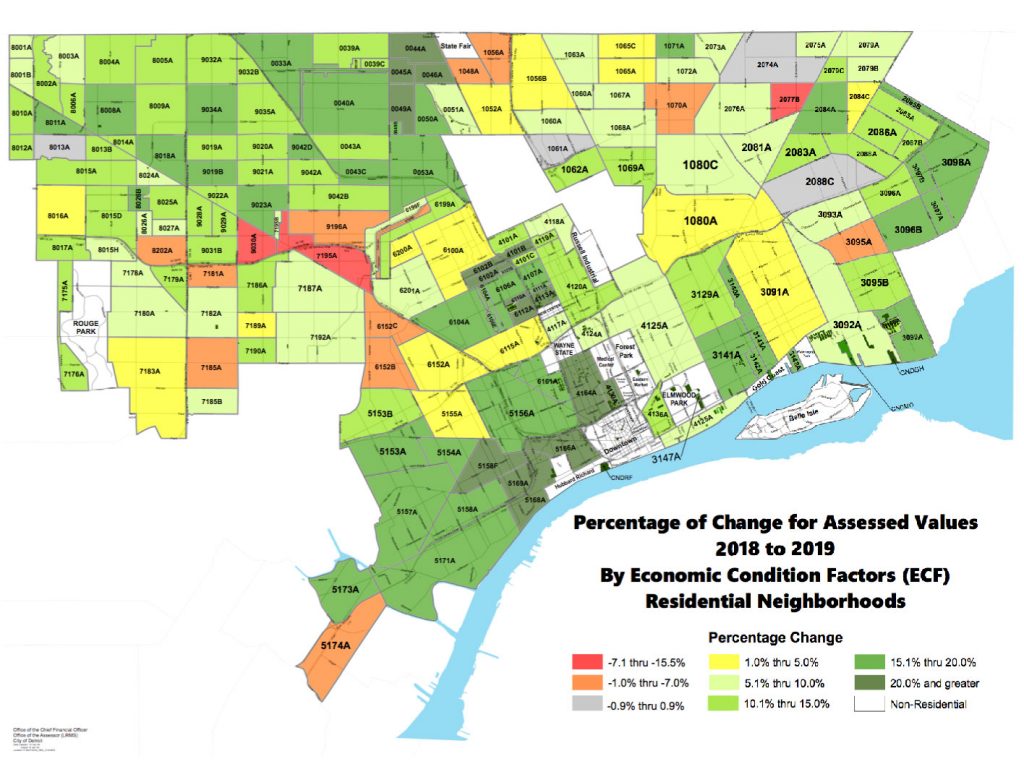
The assessed value represents 50% of a property’s usual and fair market value. This is an estimate of what the property would sell for on the open market. The Wayne County Equalization Department is responsible for ensuring that property assessments within each township and city are uniform and reflect market conditions. They conduct regular reassessments, typically every year, to update property values.
Factors influencing the assessed value include:
- Location: Properties in desirable neighborhoods or with proximity to amenities may have higher market values.
- Size and Features: The overall square footage, number of bedrooms and bathrooms, lot size, and unique features (like a pool or finished basement) all contribute to market value.
- Condition: The physical state of the property, including its age, any necessary repairs, and the quality of finishes, plays a significant role.
- Recent Sales Data: Appraisers analyze recent sales of comparable properties in the area to establish fair market value.
It is important to note that the assessed value is not the value used directly for calculating your tax bill. It serves as a baseline for the next critical step: determining the taxable value.
Taxable Value (TV)
The taxable value is the amount upon which your property taxes are actually levied. For homestead properties (primary residences), the taxable value cannot increase by more than 3% per year or by the rate of inflation, whichever is less, unless there has been a transfer of ownership. This is a significant protection for homeowners, ensuring that unexpected spikes in market value do not lead to immediate, drastic increases in property taxes.
- For New Properties or After a Transfer of Ownership: When a property is newly constructed or ownership changes (e.g., through a sale), the taxable value is “uncapped.” This means the taxable value is set equal to the assessed value (which is 50% of the market value) in the year following the transfer or completion. In subsequent years, the taxable value will then be subject to the 3% or inflation cap.
- For Existing Properties Without Transfer of Ownership: For properties that have not experienced a transfer of ownership, the taxable value is capped. If the assessed value has increased, the taxable value will be the previous year’s taxable value, increased by the lesser of 3% or the annual rate of inflation.
This distinction between assessed value and taxable value is crucial. While the assessed value reflects current market conditions, the taxable value provides a degree of stability for homeowners.
The Millage Rate: Determining the Tax Levy
Once the taxable value of a property is established, the next component in the property tax calculation is the millage rate. A millage rate is a unit of taxation used in Michigan and other states. One mill represents one-tenth of a cent, or $0.001. Property taxes are levied at a certain number of mills per dollar of taxable value.
Understanding Millage Rates
Millage rates are set by various local taxing authorities, including:
- Local School Districts: A significant portion of property taxes often goes towards funding Detroit’s public schools.
- City of Detroit: The city government levies millage for general operating expenses, police, fire, and other municipal services.
- County of Wayne: Wayne County also imposes millage for its services.
- Other Special Districts: Depending on your location within Detroit, you may also pay millage for libraries, parks, or other specific services.
The total millage rate for a property is the sum of the rates set by all the taxing authorities that have jurisdiction over that property. This combined rate dictates how much tax will be levied.
The Calculation
The basic formula for calculating property taxes is:
Property Tax = Taxable Value × Total Millage Rate
Let’s illustrate with a simplified example:
Suppose a residential property in Detroit has a taxable value of $50,000. If the total combined millage rate from all taxing authorities is 50 mills, the calculation would be:
- Taxable Value: $50,000
- Total Millage Rate: 50 mills
- Calculation: $50,000 × (50 mills / 1000) = $2,500
Therefore, the annual property tax for this hypothetical property would be $2,500.
Important Considerations Regarding Millage Rates:
- Voter Approval: Millage rates are typically approved by voters in special elections or general elections. Proposed millage increases or new millages must be put to a vote.
- Exemptions: Certain properties may be eligible for exemptions, which can reduce the taxable value and, consequently, the property tax liability. Common exemptions include those for senior citizens, disabled individuals, and veterans, though specific eligibility criteria apply.
- Changes in Millage: Millage rates can change from year to year based on budget decisions by local governments and school districts, as well as voter approvals.
Appeals and Adjustments
Homeowners who believe their property has been over-assessed or that there is an error in their tax calculation have recourse through an appeal process. Understanding this process is vital for ensuring fair taxation.
The Assessment Appeal Process
The appeal process generally involves several stages:
-
Local Board of Review: The first step is typically to appeal to the local Detroit Board of Review. Property owners must file a petition within a specified timeframe, usually in the early months of the year. At this hearing, you can present evidence to support your claim that the assessed value is too high, such as recent appraisals, sales data of comparable properties, or documentation of the property’s condition. The Board of Review will then make a determination on whether to adjust the assessed value.
-
State Tax Tribunal: If you are unsatisfied with the decision of the local Board of Review, you can appeal to the Michigan Tax Tribunal. This is a quasi-judicial body that hears property tax disputes from across the state. The Tax Tribunal process can be more formal and may require legal representation.
Timing and Deadlines
It is critical to be aware of the deadlines for filing appeals. Missing these deadlines will typically forfeit your right to challenge the assessment for that tax year. Information regarding assessment dates and appeal deadlines is usually mailed to property owners or can be found on the City of Detroit Assessor’s office website.

Understanding Your Tax Bill
Detroit property tax bills are typically issued semi-annually, with payments due in July and February. The bill provides a detailed breakdown of the taxable value, the millage rates applied by each taxing authority, and the total tax amount due. It is advisable to review your tax bill carefully each year to ensure accuracy and to stay informed about any changes.
In summary, the calculation of residential property taxes in Detroit is a multi-step process involving the assessment of property value, the determination of taxable value, and the application of millage rates set by various local taxing entities. By understanding these components and the rights available to homeowners, individuals can navigate their property tax obligations with greater confidence and clarity.
LifeOutOfTheBox is a participant in the Amazon Services LLC Associates Program, an affiliate advertising program designed to provide a means for sites to earn advertising fees by advertising and linking to Amazon.com. Amazon, the Amazon logo, AmazonSupply, and the AmazonSupply logo are trademarks of Amazon.com, Inc. or its affiliates. As an Amazon Associate we earn affiliate commissions from qualifying purchases.