
Chicago, the bustling metropolis nestled on the shores of Lake Michigan in the United States, is renowned globally for its stunning architecture, vibrant arts scene, world-class museums, and diverse culinary landscape. As a premier destination for both domestic and international travelers, it offers an unforgettable experience, whether you’re seeking a luxurious escape, a budget-friendly adventure, a family trip, or a crucial business stay. However, like any major city, prospective visitors often ponder the question: “How safe is Chicago?”
This article delves into the realities of safety in the Windy City, aiming to provide a comprehensive guide for tourists, travelers, and those considering accommodation options. By understanding the city’s dynamics, practicing common-sense precautions, and knowing which areas to explore, you can ensure your visit to Chicago is not only memorable but also secure.

Understanding Chicago’s Safety Landscape for Travelers
The perception of safety in large urban centers can often be skewed by media reports, which tend to highlight isolated incidents rather than reflect the broader reality. For travelers, understanding this distinction is crucial to approaching a city like Chicago with a balanced perspective.
Dispelling Myths and Understanding Realities
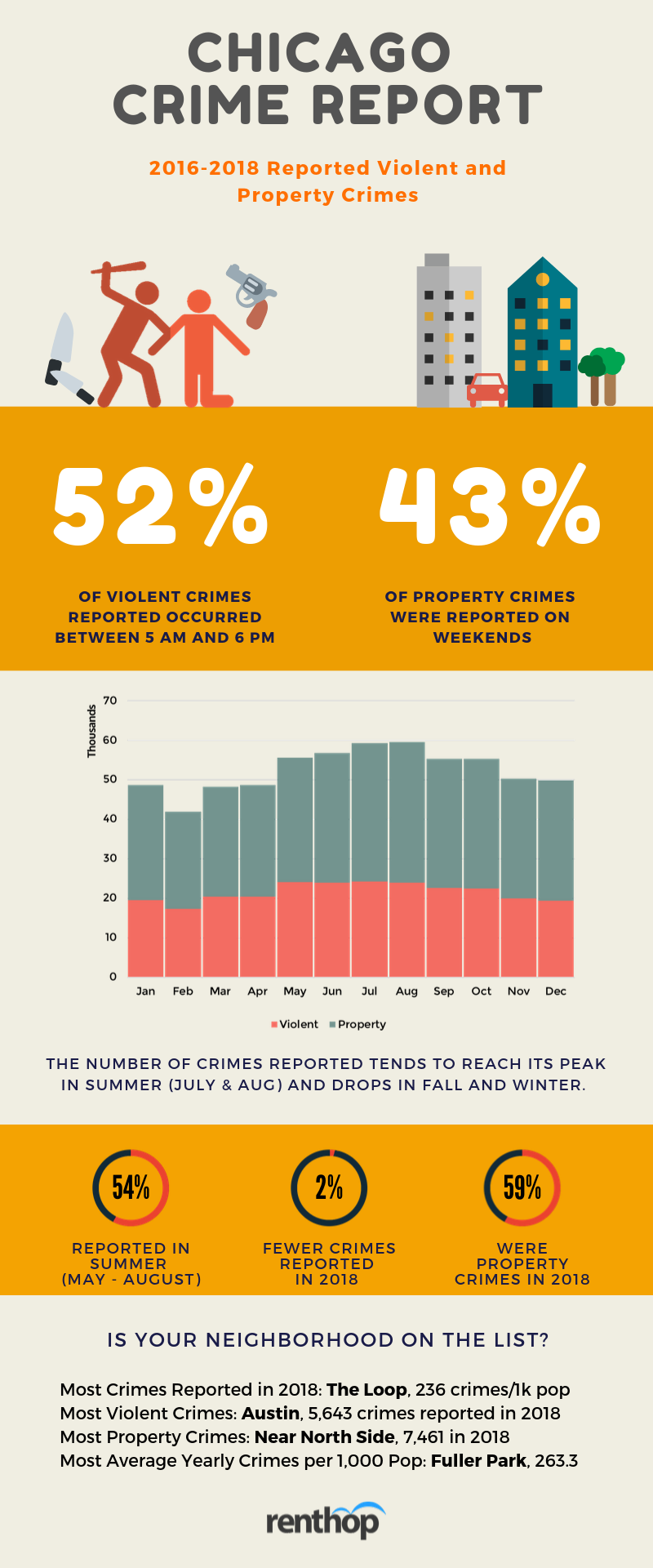
Chicago is a vast city, encompassing over 200 distinct neighborhoods, each with its own character, demographics, and crime rates. While certain areas, particularly on the far south and west sides, experience higher rates of violent crime, these areas are generally far removed from the primary tourist districts. The vast majority of Chicago’s iconic landmarks, attractions, and popular tourist zones maintain a level of safety comparable to, or even exceeding, other major U.S. cities like New York City or Los Angeles.
Official statistics often reflect city-wide averages, which can be misleading for someone planning to stay within the well-patrolled, tourist-heavy areas. For example, the Loop and Magnificent Mile, where most visitors spend their time, benefit from a strong police presence and robust security measures implemented by businesses and attractions. The Chicago Police Department is actively engaged in ensuring the safety of residents and tourists alike, with specific units often deployed in high-traffic areas. The city government and various tourism bodies also invest heavily in initiatives to maintain a welcoming and safe environment for visitors.
Key Safety Considerations for Tourists
While violent crime is largely concentrated in specific, non-tourist areas, travelers should be aware of more common urban issues, primarily petty crime. Pickpocketing, purse snatching, and phone theft can occur, especially in crowded places like public transportation, popular attractions, or busy shopping streets. However, these incidents are often crimes of opportunity, easily deterred by vigilance and common-sense precautions.
Tourists should also be mindful of potential scams. These can range from individuals approaching you with hard-luck stories asking for money, to street vendors selling counterfeit goods, or even overly aggressive performers demanding payment. While not directly a safety threat, these can detract from your experience and financial well-being. It’s always best to politely decline, keep walking, and avoid engaging with strangers who seem overly persistent or suspicious. Staying alert to your surroundings and keeping valuables out of sight are the best defenses.
Navigating Chicago: Safe Neighborhoods and Transport
One of the most effective ways to ensure a safe trip to Chicago is to familiarize yourself with its geography and understand which areas are generally considered safe for exploration, as well as how to navigate the city’s transportation systems securely.
Exploring Chicago’s Tourist Hubs
Chicago’s most popular tourist neighborhoods are generally very safe and welcoming. These areas are well-lit, heavily trafficked by both locals and visitors, and benefit from visible security.
- The Loop: The city’s central business district, home to iconic skyscrapers, Millennium Park (with its famous Cloud Gate sculpture), Art Institute of Chicago, and numerous theaters. During the day, it’s bustling; at night, it’s generally safe but can be quieter on weekends.
- Magnificent Mile and Streeterville: The premier shopping and luxury hotel district along Michigan Avenue. This area is exceptionally safe, with constant foot traffic, high-end retail, and many prominent hotels like the Four Seasons Hotel Chicago and The Peninsula Chicago. Attractions like the John Hancock Center (now 875 North Michigan Avenue) and Water Tower Place are here.
- River North: Known for its art galleries, restaurants, and vibrant nightlife. It’s a very popular and safe area, especially in the evenings, though it’s wise to be aware of your surroundings when leaving bars or clubs late at night.
- Gold Coast: An affluent residential neighborhood north of the Magnificent Mile, characterized by historic mansions and luxury boutiques. It’s very safe for walking and exploring, home to establishments such as the Waldorf Astoria Chicago.
- Lincoln Park: A beautiful, family-friendly neighborhood centered around its namesake park, which includes the Lincoln Park Zoo and conservatory. This is a very safe and pleasant area for strolling, dining, and enjoying green spaces.
- Hyde Park: Home to the University of Chicago and the Museum of Science and Industry, Hyde Park has its own distinct, intellectual atmosphere and is generally safe, especially around the university campus and commercial corridors.
- Wicker Park / Bucktown: Known for its trendy boutiques, independent shops, and diverse restaurants, these adjacent neighborhoods offer a more bohemian vibe and are popular with younger crowds. They are generally safe, particularly along main thoroughfares.
While it’s not necessary to avoid specific neighborhoods entirely, exercising increased caution in areas that are less familiar, particularly those far from the tourist core, is always prudent. If you find yourself in a quieter or sparsely populated area, especially at night, consider taking a taxi or ride-share service.
Public Transportation Safety
Chicago’s public transportation system, operated by the CTA (Chicago Transit Authority), including the iconic ‘L’ trains and extensive bus network, is generally safe and a convenient way to get around. Millions of rides are taken daily without incident.
- ‘L’ Trains: During peak hours and daytime, the ‘L’ is usually busy and safe. At night, especially on less crowded lines or during late hours, it’s advisable to sit in the front car near the operator. Be aware of your surroundings, avoid displaying expensive electronics or large amounts of cash, and keep bags close.
- Buses: Buses typically travel through neighborhoods and are often a safer option at night as they involve less waiting in isolated areas.
- Ride-sharing Services: Services like Uber and Lyft are widely available and popular in Chicago. Always confirm the driver’s name, vehicle make/model, and license plate match what’s displayed in the app before entering the car. Travel with companions if possible, especially at night.
- Taxis: Traditional taxis are also readily available, particularly in downtown areas and at airports. Ensure the taxi is licensed and uses a meter.
For all forms of public transport, situational awareness is key. Avoid walking alone late at night in unlit areas, and always plan your route in advance, especially if you’re venturing to less familiar parts of the city.
Practical Safety Tips for an Enjoyable Chicago Trip
Beyond knowing which areas to visit and how to get around, adopting certain personal habits and precautions will significantly enhance your safety and overall travel experience in Chicago.
Personal Awareness and Property Protection
- Situational Awareness: Be mindful of your surroundings. Avoid distractions like constantly looking at your phone or listening to loud music through headphones, which can make you an easier target.
- Secure Valuables: Keep wallets in a front pocket, use cross-body bags with zippers, and avoid carrying excessive cash or important documents. Consider leaving valuable jewelry or expensive electronics at home or secured in your hotel safe.
- Avoid Ostentatious Displays: While enjoying the luxury lifestyle Chicago offers, it’s wise not to overtly display wealth (e.g., flashing large amounts of cash, wearing very expensive watches conspicuously) as this can attract unwanted attention.
- ATM Usage: Use ATMs located inside banks or busy, well-lit areas. Be aware of anyone lurking nearby and cover the keypad when entering your PIN.
Nightlife and Solo Travel Safety
Chicago’s nightlife is legendary, from sophisticated rooftop bars to jazz and blues clubs. Enjoying it safely requires a few extra considerations:
- Group Travel: If traveling with companions, stick together, especially when moving between venues or heading back to your accommodation.
- Solo Travel: Solo travelers should inform someone of their itinerary, avoid overly secluded areas, and always have a plan for getting back safely.
- Responsible Drinking: Overconsumption of alcohol can impair judgment and make you vulnerable. Drink responsibly, keep an eye on your drink, and never accept drinks from strangers.
- Exiting Venues: When leaving bars or clubs, especially late at night, opt for licensed taxis or pre-booked ride-sharing services from well-lit, populated areas. Avoid walking alone down dark or empty streets.
Emergency Preparedness
While unlikely to be needed, being prepared for emergencies can provide peace of mind.
- Important Contacts: Save important numbers in your phone, including the local emergency number (911 in the United States), your hotel’s front desk, and a trusted contact. If you’re an international traveler, know the contact information for your country’s embassy or consulate.
- Travel Insurance: Consider purchasing comprehensive travel insurance that covers medical emergencies, trip cancellations, and theft.
- Keep Family Informed: Share your itinerary with family or friends so they know where you are.
Choosing Safe Accommodation and Enriching Your Visit
The choice of accommodation significantly impacts your overall safety and comfort in Chicago. Moreover, once settled, you can fully immerse yourself in the rich tapestry of the city’s culture and attractions.
Selecting Your Stay: Hotels, Resorts, and Apartments
When booking accommodation in Chicago, focusing on reputable areas and properties is paramount. Most hotels in the popular tourist districts offer excellent security measures, including 24-hour front desks, secure key card access, and surveillance.
- Reputable Areas: Stick to neighborhoods like the Loop, Magnificent Mile, River North, Streeterville, Gold Coast, and parts of Lincoln Park. These areas are known for their safety and proximity to major attractions.
- Reading Reviews: Always read recent guest reviews on booking sites. Pay attention to comments regarding safety, the surrounding neighborhood, and hotel security.
- Hotel Examples: Esteemed hotels like The Palmer House Hilton in the Loop, the Waldorf Astoria Chicago in the Gold Coast, The Peninsula Chicago on the Magnificent Mile, and the Four Seasons Hotel Chicago exemplify the high standards of safety and service available. Many offer luxurious amenities and are well-integrated into safe urban environments.
- Apartment Rentals: If opting for a vacation apartment, choose reputable platforms and hosts. Research the specific building and block, ensuring it’s in a well-regarded area. Check for secure entry systems and good lighting.

Embracing Chicago’s Culture Safely
Chicago is a city rich in culture, history, and vibrant lifestyle. By taking sensible precautions, you can fully immerse yourself in its offerings.
- Local Etiquette: While Chicagoans are generally friendly, a polite and respectful demeanor goes a long way. Avoid being overly loud or disruptive, especially in residential areas.
- Food and Activities: Indulge in Chicago’s famous deep-dish pizza, explore the diverse culinary scene, and enjoy the city’s myriad activities. Whether it’s a Chicago Architecture Foundation Center River Cruise, a visit to Navy Pier, ascending the Willis Tower Skydeck, or exploring the Museum Campus (home to the Shedd Aquarium, Field Museum, and Adler Planetarium), these experiences are widely enjoyed by thousands daily in safe environments.
- Enjoying Landmarks: From the iconic bean sculpture (Cloud Gate) in Millennium Park to the historic Art Institute of Chicago, these landmarks are well-maintained and typically have staff or security present. Focus on enjoying the beauty and history, but remain aware of your personal belongings.
In conclusion, asking “How safe is Chicago?” is a valid and important question for any traveler. However, the answer is overwhelmingly positive for those planning a visit focused on the city’s renowned tourist areas. By understanding the distinction between general city-wide crime statistics and the specific safety profile of tourist districts, being vigilant about personal belongings, making informed choices about accommodation and transportation, and maintaining an awareness of your surroundings, your trip to Chicago can be incredibly safe, fulfilling, and free of undue worry. The city of broad shoulders is ready to welcome you with open arms to experience its unparalleled charm and excitement. Plan smart, stay alert, and prepare to fall in love with one of America’s most magnificent urban destinations.
LifeOutOfTheBox is a participant in the Amazon Services LLC Associates Program, an affiliate advertising program designed to provide a means for sites to earn advertising fees by advertising and linking to Amazon.com. Amazon, the Amazon logo, AmazonSupply, and the AmazonSupply logo are trademarks of Amazon.com, Inc. or its affiliates. As an Amazon Associate we earn affiliate commissions from qualifying purchases.