
Exploring any major city comes with its own set of considerations, and Detroit is no exception. Often portrayed through a lens of resilience and renaissance, understanding the safety landscape is crucial for any traveler looking to experience its rich history, vibrant culture, and burgeoning attractions. This guide aims to provide an insightful overview, debunking myths and offering practical advice for a secure and enjoyable visit to the Motor City.
Understanding Detroit’s Safety Narrative
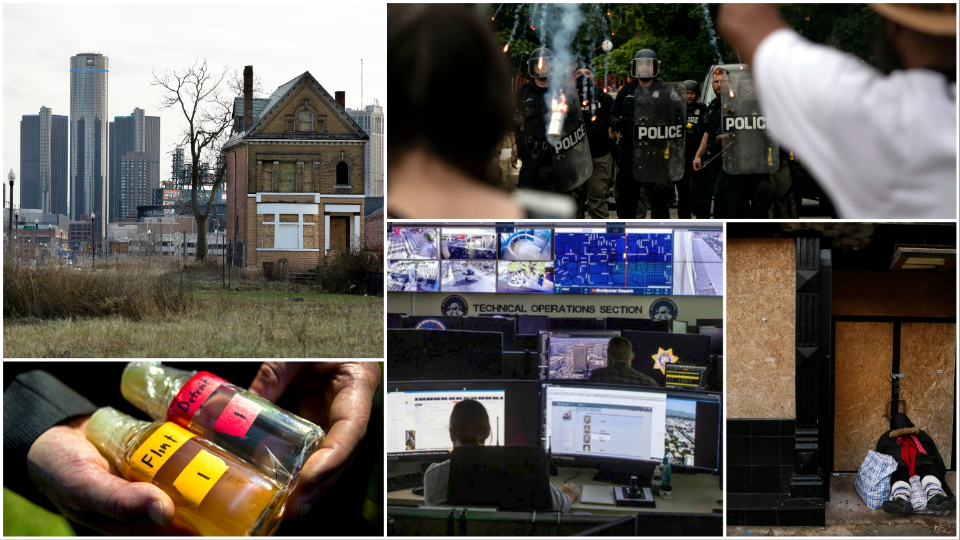
Detroit’s safety narrative is complex, shaped by decades of economic shifts, urban redevelopment, and a strong community spirit. While historical crime statistics may paint a stark picture, the reality on the ground today is far more nuanced. The city is undergoing a significant transformation, with renewed investment in its downtown core and surrounding neighborhoods, leading to visible improvements in public spaces and a more welcoming atmosphere for visitors.

Crime Statistics and Modern Realities
It’s important to approach city-wide crime statistics with context. Like many large urban centers across the United States, Detroit experiences a range of criminal activity. However, focusing solely on aggregate numbers can obscure the fact that tourist areas and business districts have seen substantial improvements and are generally well-patrolled and actively managed for public safety. Many visitors find their experiences overwhelmingly positive, particularly when adhering to common-sense travel precautions. The perception of safety can sometimes lag behind the actual progress being made.
Neighborhood Variations
Safety can vary significantly from one neighborhood to another. Areas that have undergone extensive revitalization, such as Downtown, Midtown, and parts of Corktown, generally feel safer and are more populated with residents and visitors, especially during the day and early evening. These districts are home to many popular hotels, restaurants, and attractions. As you venture into less-developed or more residential areas, particularly at night, it’s prudent to be more aware of your surroundings and perhaps stick to well-lit, populated streets. Researching the specific areas you plan to visit can be beneficial.
Navigating Detroit Safely: Practical Tips for Travelers
Ensuring a safe and enjoyable trip to Detroit involves a combination of awareness, planning, and common-sense precautions that apply to most urban destinations.
Be Aware of Your Surroundings
This is perhaps the most crucial piece of advice for any traveler in a new city. Pay attention to who is around you, especially in less crowded areas or at night. Avoid displaying excessive wealth, such as expensive jewelry or large amounts of cash, which can make you a target for petty crime. Keep your valuables secure and out of sight when possible.
Use Reputable Transportation
When it comes to getting around Detroit, sticking to well-known and reliable transportation options is key.
- Ride-Sharing Services: Apps like Uber and Lyft are widely available and generally a safe way to travel. Ensure the driver and vehicle match the information provided in the app before getting in.
- Taxis: Reputable taxi companies operate in Detroit. It’s a good idea to have your hotel or a trusted local source recommend a specific company.
- Public Transportation: The Detroit Department of Transportation (DDOT) bus system and the QLine streetcar serve many key areas. While generally safe, especially during peak hours, be mindful of your belongings and your surroundings, as you would on any public transit. The QLine, in particular, offers a safe and scenic way to traverse the Woodward Avenue corridor.
- Driving and Parking: If you choose to drive, be aware of parking regulations and opt for well-lit, attended parking garages or lots, especially when parking overnight. Avoid leaving valuables visible in your car.
Daytime vs. Nighttime Precautions
Detroit truly comes alive during the day, with many of its attractions, shops, and restaurants bustling with activity. Daytime exploration is generally very safe, allowing you to comfortably visit places like the Henry Ford Museum of American Innovation, the Detroit Institute of Arts, and the scenic Detroit RiverWalk.
As night falls, exercising increased vigilance is advisable. Stick to well-populated areas, especially when dining out or attending events. If you are unsure about an area, it’s often best to take a taxi or ride-share directly to your destination rather than walking.
Emergency Preparedness
Know how to contact local authorities if needed. The emergency number in the United States is 911. Make sure your mobile phone is fully charged and consider sharing your location with a trusted contact back home, especially if you are traveling solo.
Exploring [Detroit]’s Attractions with Confidence
Detroit boasts an impressive array of attractions that can be enjoyed with peace of mind by following standard travel safety practices. The city’s commitment to revitalizing its cultural and entertainment hubs has made them safe and inviting destinations.
Cultural Institutions and Museums
Museums such as the Detroit Institute of Arts, home to Diego Rivera’s iconic murals, and the Henry Ford Museum of American Innovation and Greenfield Village in nearby Dearborn, are prime examples of safe, well-managed attractions. These institutions are typically staffed with security personnel and are located in areas with consistent visitor traffic. The Motown Museum, a pilgrimage site for music lovers, is also a secure and highly recommended visit.
Entertainment Districts and Waterfront
The revitalized waterfront, particularly the Detroit RiverWalk, offers stunning views and a pleasant environment for walking and recreation. This area is increasingly active and monitored. Downtown and Midtown are central hubs for nightlife, dining, and entertainment, with popular spots like Campus Martius Park frequently hosting events and enjoying a strong police presence. The area around Comerica Park and Ford Field is also heavily patrolled during game days and events.
Historic Neighborhoods and Culinary Delights
Exploring historic neighborhoods like Corktown, known for its charming architecture and excellent restaurants, can be a rewarding experience. During the day, these areas are generally safe and inviting. When visiting restaurants and bars, particularly those in busier districts, you can expect a safe environment. As with any urban exploration, being aware of your surroundings, especially after dark, remains a key principle.
Where to Stay: Safety and Comfort in [Detroit]’s Hotels
Choosing the right accommodation is a significant factor in a traveler’s sense of safety and overall experience. Detroit offers a range of hotels, from luxury establishments to boutique options, many of which are situated in prime locations that prioritize guest security.
Downtown and Midtown Hotels
The majority of major hotels are concentrated in the Downtown and Midtown areas, which have seen significant investment and redevelopment. These hotels, such as the Detroit Marriott at the Renaissance Center, the Shinola Hotel, and the The Detroit Club, are accustomed to hosting a steady stream of tourists and business travelers. They typically feature robust security measures, including key card access to floors, 24-hour front desk staff, and often on-site security personnel. Staying in these well-established areas provides a strong sense of security due to the proximity to other businesses, attractions, and visible public safety services.
Boutique and Independent Options
Beyond the larger chains, Detroit has a growing number of boutique hotels and guesthouses that also prioritize guest safety. When considering these options, it’s advisable to read recent reviews, paying particular attention to comments regarding safety and location. Many are located within the same revitalized districts as the larger hotels, offering a unique charm while maintaining a secure environment.

General Hotel Safety Practices
Regardless of the hotel’s location or perceived prestige, it’s always wise to employ standard safety practices:
- Use hotel room doors: Ensure your door is always locked, even when you are inside.
- Secure valuables: Utilize the hotel safe for passports, significant amounts of cash, and expensive electronics.
- Be aware of who is on your floor: Avoid opening your door to strangers or engaging with individuals who seem out of place.
- Report concerns: If you notice any unusual activity or feel unsafe, do not hesitate to inform hotel management or security immediately.
By carefully selecting accommodations in well-trafficked and revitalized areas, and by adhering to basic hotel safety protocols, visitors can ensure a comfortable and secure base for their Detroit adventures.
In conclusion, Detroit is a city with a rich tapestry of experiences waiting to be discovered. While it is essential to remain aware and prepared, as one would in any urban environment, the perception of safety has significantly improved alongside the city’s ongoing renaissance. By planning your visit thoughtfully, staying informed about your surroundings, and utilizing reliable resources, you can confidently explore the many wonders that make Detroit a compelling destination.
LifeOutOfTheBox is a participant in the Amazon Services LLC Associates Program, an affiliate advertising program designed to provide a means for sites to earn advertising fees by advertising and linking to Amazon.com. Amazon, the Amazon logo, AmazonSupply, and the AmazonSupply logo are trademarks of Amazon.com, Inc. or its affiliates. As an Amazon Associate we earn affiliate commissions from qualifying purchases.