
The question “How safe is Puerto Rico?” is often at the forefront of travelers’ minds when planning a trip to this vibrant Caribbean jewel. As a territory of the United States, Puerto Rico generally enjoys a level of stability and infrastructure comparable to many mainland destinations, yet like any travel spot, it comes with its own set of considerations. Understanding the nuances of safety, from common street smarts to natural disaster preparedness, is key to ensuring a smooth and enjoyable experience. This guide aims to provide a comprehensive overview, equipping prospective visitors with the knowledge to travel confidently and immerse themselves in the rich culture and stunning landscapes Puerto Rico has to offer. We’ll delve into general security, specific concerns like health and natural events, highlight safe areas and accommodation choices, and offer tailored advice for various types of travelers, all while keeping the broader context of travel, tourism, and lifestyle in mind.
Understanding the Landscape of Safety in Puerto Rico
A Snapshot of General Security
Overall, Puerto Rico is considered a safe destination for tourists. Millions visit annually, enjoying its beaches, rainforests, and historic cities without incident. The vast majority of visits are trouble-free, especially for those who stick to well-trafficked tourist areas and exercise common sense. However, it’s important to acknowledge that, like any populous area, crime exists. Petty crime, such as pickpocketing and bag snatching, can occur, particularly in crowded areas like markets, bus stations, and popular attractions in cities like San Juan. More serious crimes, while rare against tourists, are typically localized to specific neighborhoods that travelers have no reason to visit. The presence of a strong tourism industry means that local authorities are generally attentive to the safety of visitors, and many popular areas have increased police presence. For travelers exploring destinations and attractions, maintaining awareness of your surroundings and safeguarding your belongings are fundamental practices. It’s advisable to avoid walking alone late at night in unlit or unfamiliar areas and to always be aware of your personal space in busy environments.
Common Sense Travel Practices
Adopting a few common-sense practices can significantly enhance your safety. Firstly, always be aware of your surroundings. Avoid displaying large sums of cash, expensive jewelry, or high-end electronics overtly. If you’re carrying a bag, wear it across your body or keep it secure. When it comes to transportation, licensed taxis or ride-sharing services are generally reliable and safe. If renting a car, ensure it’s from a reputable company, and avoid leaving valuables visible inside the vehicle, even if locked. Driving in Puerto Rico can be challenging, with sometimes aggressive drivers and poorly marked roads, especially outside major urban centers. Defensive driving is highly recommended. For those exploring local culture and food, always choose reputable establishments. Street food is a fantastic experience, but opt for vendors with high turnover and visible hygiene practices. Furthermore, respecting local customs and traditions can go a long way in fostering positive interactions and avoiding misunderstandings, contributing to a smoother and safer trip. When engaging in various tourism activities, from exploring landmarks to enjoying local experiences, a proactive approach to personal safety is always the best strategy.
Navigating Specific Safety Concerns
Natural Disasters: Preparedness and Awareness
Puerto Rico is located in an active hurricane zone, with the official hurricane season running from June 1st to November 30th. While not every season brings a direct hit, the island has experienced devastating storms, such as Hurricane Maria in 2017 and Hurricane Fiona in 2022, which highlighted vulnerabilities in infrastructure. Travelers planning trips during these months should monitor weather forecasts closely. Hotels and resorts are typically well-equipped with emergency plans, and local authorities, often with assistance from FEMA, have robust warning systems in place. If a hurricane threat emerges, follow official instructions, which may include evacuation. Beyond hurricanes, Puerto Rico is also in a seismically active region, meaning minor earthquakes can occur, though significant, damaging quakes are less frequent. Tsunami warnings are rare but possible in coastal areas after strong offshore earthquakes. When staying in hotels or other accommodation types, familiarize yourself with emergency exits and procedures. Staying informed through reputable news sources and official government channels is crucial for preparedness, especially when your travel plans involve exploring natural landmarks like El Yunque National Forest or coastal regions.

Health and Wellness: Staying Safe and Healthy
Ensuring your health and wellness is a key aspect of travel safety. The water in most urban and tourist areas of Puerto Rico is generally safe to drink, but if you have a sensitive stomach or are unsure, bottled water is widely available. Food safety standards are similar to those on the mainland United States, but as with any destination, exercising caution with street food or less reputable eateries is wise. Mosquito-borne illnesses, such as dengue fever, Zika virus, and chikungunya, are present. While outbreaks are not constant, it’s prudent to use insect repellent, wear long sleeves and pants, especially during dawn and dusk, and sleep under mosquito nets if staying in areas without air conditioning or screened windows. Travelers should consult their doctor regarding recommended vaccinations before their trip, though no specific vaccinations are typically required for entry from the United States. Medical facilities, particularly in San Juan and other major cities, are modern and well-equipped, though more rural areas may have limited services. It’s always advisable to have comprehensive travel insurance that covers medical emergencies and potential evacuations. The CDC website is an excellent resource for up-to-date health information for travelers.
Avoiding Scams and Petty Crime
While violent crime against tourists is uncommon, petty theft and scams can occur. Be wary of individuals who approach you too enthusiastically or offer unsolicited “help,” especially around transportation hubs or popular tourist sites. Common scams include overcharging for services, fake “good Samaritan” schemes, or misleading information about tours or attractions. Always confirm prices before agreeing to services, especially with unofficial taxis or tour operators. When making purchases, particularly from street vendors, ensure you receive the correct change; the U.S. dollar is the official currency. Keep your wallet in a front pocket and your purse securely closed and close to your body. Avoid leaving phones or cameras unattended, even for a moment, on restaurant tables or beach towels. When using ATMs, choose machines inside banks or well-lit, busy areas, and be discreet when handling cash. For accommodation, ensure your hotel, apartment, or villa has secure locks and consider using in-room safes for valuables. By being vigilant and skeptical of overly friendly strangers offering services, you can minimize your risk of falling victim to such incidents and fully enjoy the local culture and activities.
Safe Havens and Accommodation Choices
Top Destinations for Secure Travel
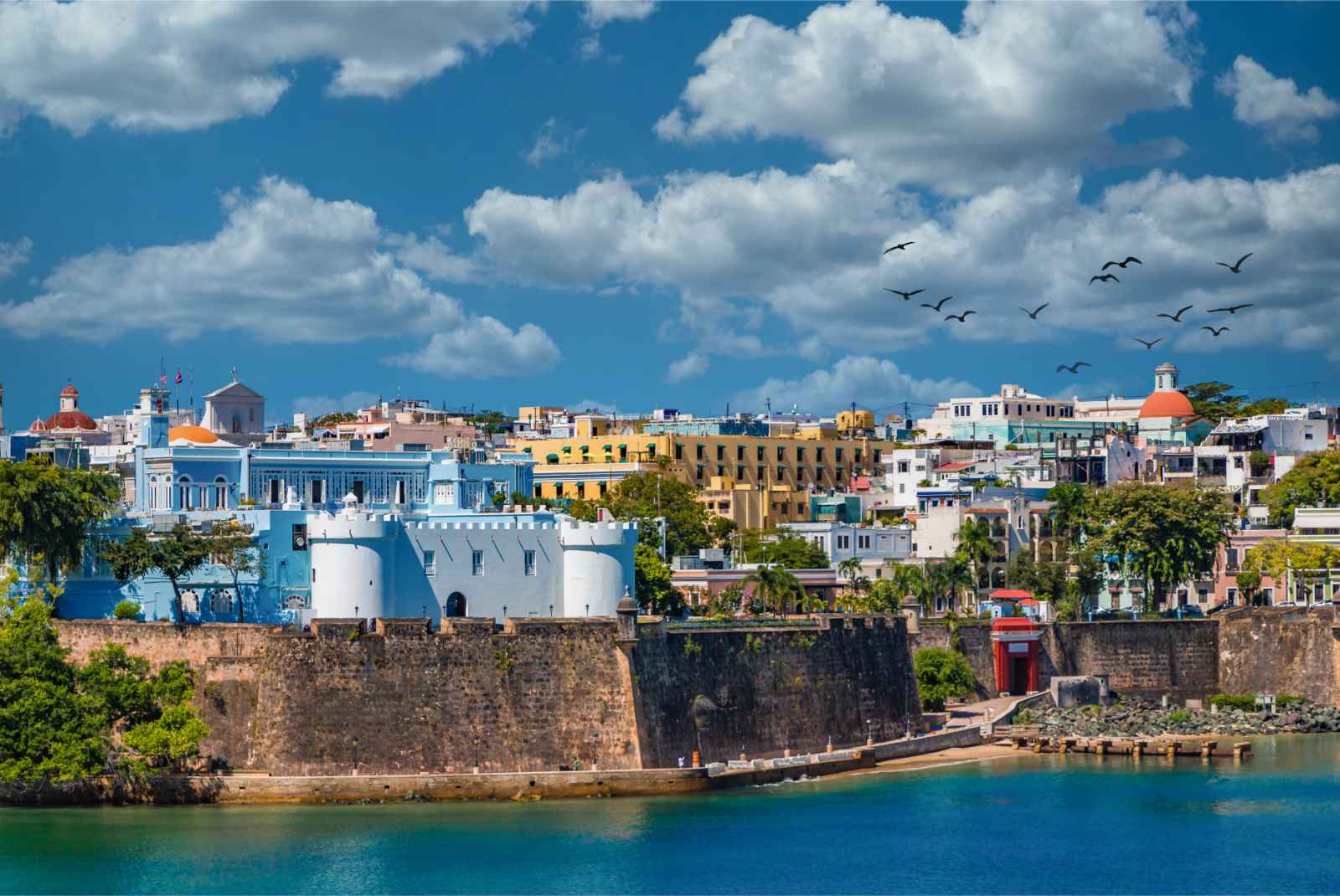
Certain areas in Puerto Rico are particularly well-regarded for their safety and tourist-friendly environments, making them excellent choices for travel destinations. Old San Juan, with its historic charm, colorful architecture, and vibrant nightlife, is generally very safe during the day and evening. Its cobblestone streets are often patrolled by police, and the area caters extensively to tourists. Condado and Isla Verde, adjacent to San Juan, are known for their upscale resorts, beautiful beaches, and lively atmosphere, offering a very secure environment for guests.
Beyond San Juan, popular destinations like Rincón on the west coast, known for surfing and stunning sunsets, or Luquillo and Fajardo on the east coast, gateways to El Yunque National Forest and the ferry to Vieques and Culebra, are also very safe and welcoming. These areas thrive on tourism, and locals are accustomed to visitors. Even cities like Ponce, with its rich history and cultural attractions, offer a safe environment, particularly around its historic center and tourist zones. When planning your itinerary, focusing on these established tourist destinations often provides an added layer of comfort and security, especially when exploring various landmarks and attractions.
Choosing Secure Accommodation
The choice of accommodation plays a significant role in your overall travel safety and peace of mind. Puerto Rico offers a diverse range of options, from luxury resorts and boutique hotels to budget-friendly apartments and villas, catering to all lifestyle preferences. When booking, prioritize properties with good reviews that specifically mention security and safety. Large hotels and resorts, particularly those in Condado or Isla Verde, often have 24/7 security, controlled access, and well-lit common areas. They also typically offer amenities like in-room safes for valuables. If opting for an apartment or villa through platforms like Airbnb, carefully read reviews regarding the neighborhood, property security (locks, alarms), and responsiveness of the host. Look for properties in well-known, safe neighborhoods rather than venturing into unverified areas. Always inform someone of your itinerary, especially if staying in more secluded or independent accommodations. For long-term stays or unique experiences like glamping near natural sites such as the Bioluminescent Bay in La Parguera or the famous Mosquito Bay in Vieques, research specific safety protocols for that particular lodging type and location. A little upfront research on accommodation can prevent potential issues and ensure a more relaxing stay.
Tailored Safety Advice for Every Traveler
Solo Explorers and Female Travelers
Puerto Rico can be a fantastic destination for solo travelers, including women, provided they adhere to general safety guidelines. The warmth of the local people and the relatively accessible infrastructure make it inviting. However, solo travelers should be extra vigilant, particularly at night. When dining alone, choose busy, well-lit restaurants. If going out for drinks, always keep an eye on your beverage and arrange for safe transportation back to your accommodation. Trust your instincts; if a situation or an area feels unsafe, remove yourself. Share your itinerary with a trusted friend or family member back home and check in regularly. Joining group tours for certain activities, especially those involving nightlife or exploring remote natural areas, can also be a safer option. While catcalling can occasionally occur, it’s generally harmless and best ignored. Dress modestly to avoid unwanted attention, particularly when venturing outside tourist bubbles or visiting religious sites, showing respect for local culture.
Families with Children: A Safe Vacation
Puerto Rico is an excellent destination for family trips, offering a plethora of child-friendly attractions and experiences. Safety for families largely revolves around supervision and planning. When visiting beaches, always be aware of currents and waves, and never leave children unsupervised near water. Many resorts offer kid-friendly pools and supervised activities, providing a safe environment. When exploring cities or crowded areas, keep children close and consider a meeting point in case you get separated. Car seats are legally required for young children, so ensure your rental car includes one or bring your own. Child-friendly food options are widely available, and most restaurants are accommodating. When considering activities, check age and height restrictions, especially for adventure tourism. By prioritizing sun protection, hydration, and constant supervision, families can enjoy a wonderful and safe vacation filled with memorable experiences.
Budget Travelers vs. Luxury Seekers
Safety considerations can vary somewhat based on your travel lifestyle. Luxury travelers often benefit from enhanced security measures provided by high-end resorts and private tours. These amenities often include gated communities, private transportation, and dedicated staff, which contribute to a heightened sense of security. However, even luxury travelers should remain discreet with their valuables and be mindful of their surroundings when venturing off-resort. Budget travelers, while needing to be more resourceful, can also travel safely. Choosing reputable yet affordable accommodations, utilizing public transportation (with awareness), and eating at local, popular eateries are good strategies. The key for budget travelers is thorough research: reading reviews for hostels or guesthouses, understanding public transport routes, and being aware of neighborhood reputations. Avoiding isolated areas or walking alone late at night is even more crucial for budget travelers who might stay in less central locations. Regardless of budget, the fundamental principle of personal responsibility and situational awareness remains paramount for all.
Emergency Preparedness and Resources
What to Do in an Emergency
Knowing what to do in an emergency is a vital part of travel preparedness. In Puerto Rico, 911 is the emergency number for police, fire, and medical services, just like on the mainland United States. If you find yourself in a situation requiring immediate assistance, do not hesitate to call.
- Medical Emergency: If you or someone in your party requires urgent medical attention, call 911. Be prepared to provide your location and a brief description of the situation. Hospitals are available in major cities.
- Police Emergency: In case of theft, assault, or other crimes, call 911 immediately. Obtain a police report for insurance purposes, especially for stolen items.
- Natural Disaster: Monitor local news and weather alerts. If a hurricane warning is issued, follow evacuation orders from authorities. Your hotel staff will also provide guidance.
It is advisable to keep a list of important phone numbers stored in your phone and written down, including your accommodation, emergency contacts back home, and your country’s embassy or consulate if applicable. The U.S. Department of State provides a “Smart Traveler Enrollment Program” (STEP) for U.S. citizens to receive alerts and locate them in an emergency, a valuable tool for any traveler.
Important Contacts and Local Support
Beyond emergency services, having access to local support can be invaluable.
- Your Accommodation: Hotel front desks, resort concierges, or Airbnb hosts are excellent first points of contact for non-emergency issues, local advice, or assistance with minor problems.
- Tourist Police: In major tourist areas, there may be a dedicated tourist police unit or officers who are more accustomed to assisting visitors.
- Embassies/Consulates: For international travelers, your country’s embassy or consulate (typically located in San Juan) can provide assistance with lost passports, legal issues, or more serious emergencies.
- Travel Insurance: Ensure you have comprehensive travel insurance. Keep your policy details and emergency contact numbers for your insurance provider easily accessible. This is crucial for covering medical emergencies, trip cancellations, or lost luggage.
Conclusion: Traveling Confidently in Puerto Rico
In conclusion, Puerto Rico is a captivating destination that offers a wealth of experiences, from historic landmarks and vibrant local culture to breathtaking natural beauty. When planning your travel, the question of safety is a valid one, but with proper awareness and preparation, visitors can enjoy a profoundly rewarding and secure trip. By understanding the general security landscape, being mindful of common-sense travel practices, preparing for potential natural events, and making informed choices about destinations and accommodation, you significantly mitigate risks. Whether you’re a solo explorer, a family on vacation, or a luxury or budget traveler, tailored advice and access to emergency resources further enhance your safety net. Embrace the “Island of Enchantment” with confidence, respect its people and environment, and you’ll undoubtedly create unforgettable memories in one of the Caribbean’s most unique and accessible travel destinations.
LifeOutOfTheBox is a participant in the Amazon Services LLC Associates Program, an affiliate advertising program designed to provide a means for sites to earn advertising fees by advertising and linking to Amazon.com. Amazon, the Amazon logo, AmazonSupply, and the AmazonSupply logo are trademarks of Amazon.com, Inc. or its affiliates. As an Amazon Associate we earn affiliate commissions from qualifying purchases.