
The Willis Tower stands as an undisputed titan in the urban landscape of Chicago, a city celebrated for its groundbreaking architecture and innovative spirit. For decades, it commanded the global stage as the tallest building in the world, a testament to American ingenuity and engineering prowess. Even today, long after its global record has been surpassed, its sheer scale and distinctive silhouette continue to captivate visitors and residents alike. Its imposing presence sparks a fundamental question in the minds of many who gaze upon its impressive stature: exactly how tall is this iconic Chicago landmark? Beyond the numbers, the Willis Tower represents more than just height; it embodies a rich history, a remarkable feat of structural design, and an unparalleled visitor experience that offers breathtaking panoramas of the city and beyond. Delving into its dimensions uncovers a fascinating story of ambition, design, and its enduring legacy as a must-visit destination within the vibrant heart of the United States.

A Colossus in the Chicago Skyline: Unveiling the Willis Tower’s Stature
The Willis Tower’s prominence in the global architectural narrative is deeply rooted in its impressive height. Completed in 1973, it instantly redefined what was possible in skyscraper construction, not only challenging but breaking previous height barriers. Its monumental stature made it a beacon of modern architectural achievement, attracting the world’s attention to Chicago’s burgeoning reputation as a hub for innovative building design. Today, it remains a central figure in discussions about supertall structures, a testament to its forward-thinking design and enduring presence. The building’s distinct appearance, characterized by its bundled tube design, contributes significantly to its imposing verticality and its ability to stand out even within a city famed for its towering structures. Its presence has fundamentally shaped the city’s identity, becoming an integral part of Chicago’s visual and cultural landscape.
The Definitive Height: From Ground to Antenna Tip
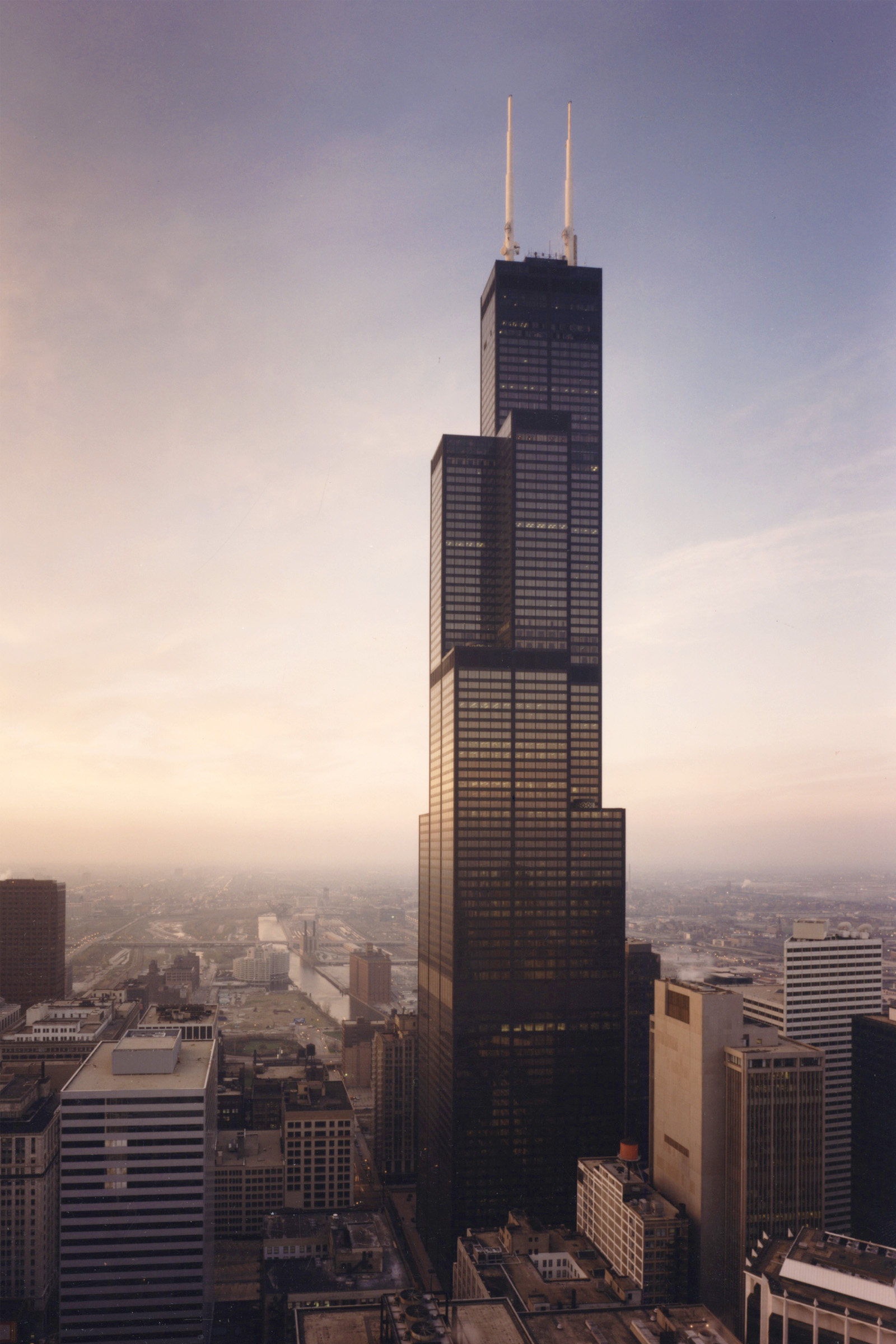
When discussing the height of any skyscraper, it’s crucial to distinguish between various measurement standards. For the Willis Tower, the primary measurements are consistently remarkable. The building reaches an architectural height of 1,450 feet (442 meters) to the top of its roof. However, its true vertical reach is extended significantly by its two broadcast antennae. With these antennae included, the total height of the Willis Tower soars to an astonishing 1,729 feet (527 meters). This latter measurement often gives visitors a more complete picture of its full imposing stature against the sky. For many years, this impressive height secured its place as the tallest building in the world, a title it proudly held for nearly a quarter of a century. Even as new supertalls emerged globally, the Willis Tower’s design and sheer scale continued to set a benchmark for architectural ambition. Its structural integrity and innovative construction methods allowed it to reach these dizzying heights, establishing a new standard for urban development.
A Legacy of Tall: The Sears Tower Era
Before it became known as the Willis Tower, this iconic structure bore the name of its original tenant and commissioner: the Sears Tower. Constructed to consolidate the numerous employees of Sears, Roebuck and Company, the building was a bold statement of corporate power and aspiration. From its completion in 1973 until 1998, it reigned supreme as the tallest building in the world. This era etched the Sears Tower into the global consciousness, making it synonymous with architectural achievement and American economic might. The name change to Willis Tower in 2009, following its lease by the global insurance broker Willis Group Holdings, marked a new chapter in its history, though for many, especially those who remember its initial rise, the legacy of the Sears Tower persists. This transition highlights the dynamic nature of urban landmarks, often evolving alongside the corporations and communities they serve. Despite the name change, its historical significance and status as a pioneering skyscraper remain undiminished, continuing to inspire awe and curiosity among visitors and architects worldwide.
More Than Just Height: An Architectural Marvel and Engineering Feat
The Willis Tower’s grandeur extends far beyond its record-breaking height; it is a profound testament to ingenious architectural design and groundbreaking engineering. The building’s ability to reach such unprecedented heights while maintaining structural integrity and offering vast amounts of usable office space was not merely a matter of scale but of revolutionary design thinking. Conceived by architect Bruce Graham and structural engineer Fazlur Rahman Khan of the prestigious firm Skidmore, Owings & Merrill (SOM), the tower’s creation pushed the boundaries of what was thought possible in skyscraper construction. Their innovative approach addressed the complex challenges posed by wind loads, seismic activity, and the immense weight of such a colossal structure, ultimately leading to a design that was both aesthetically striking and remarkably stable. The result is a structure that looks like a series of distinct towers bundled together, but functions as a cohesive, incredibly strong unit. This inventive approach not only ensured the building’s stability but also optimized its interior spaces, demonstrating how form and function could be seamlessly integrated at an extraordinary scale.
Bundled Tube Design: A Revolutionary Concept
The cornerstone of the Willis Tower’s structural genius is its “bundled tube” design. This innovative concept consists of nine square ‘tubes’ of varying heights, forming a modular system that resists lateral forces, such as wind, far more efficiently than a traditional frame. All nine tubes rise 50 stories, then seven continue to 66 stories, five to 90 stories, and finally, two extend to the full 108 stories. This stepped, tapering design not only provides structural stability but also creates a distinctive and immediately recognizable silhouette. Each tube acts as an individual structural unit, but together, they form a unified, highly rigid system that can withstand the immense pressures exerted on a building of this size. This method drastically reduced the amount of steel required, making the project more economical and allowing for the creation of open, column-free interior spaces. The bundled tube design was a paradigm shift in skyscraper architecture, moving away from conventional methods and paving the way for future generations of supertall buildings that adopted similar principles. It was a bold answer to the question of how to build higher without compromising safety or efficiency, showcasing a brilliant blend of engineering and architectural vision.
Enduring Legacy in Modern Architecture
The Willis Tower’s influence on modern architecture is profound and lasting. The bundled tube system pioneered by Khan and Graham became a fundamental concept in the design of subsequent supertall buildings worldwide. Architects and engineers studied its principles to develop their own innovative approaches to high-rise construction, demonstrating the far-reaching impact of SOM’s work. Its enduring presence on the Chicago skyline continues to inspire new generations of designers and serves as a powerful reminder of how revolutionary ideas can transform urban environments. The tower is not just a building; it is a symbol of human ambition and the relentless pursuit of architectural excellence. Its construction techniques and aesthetic continue to be referenced in academic studies and professional projects, solidifying its place not only as a historical landmark but as a living textbook for structural innovation. Furthermore, its ability to remain relevant and functional for over five decades speaks volumes about the quality of its original design and construction, making it a timeless icon in the realm of global architecture.
Experiencing the Heights: Skydeck Chicago and The Ledge
For many, the allure of the Willis Tower lies not just in its architectural marvel but in the unparalleled experience it offers visitors. Skydeck Chicago, located on the 103rd floor, is the tower’s premier observation deck and one of Chicago’s most popular tourist attractions. It provides an immersive journey into the city’s vastness from a truly unique vantage point. This isn’t just about looking down; it’s about seeing the entire metropolitan area spread out beneath you, from the bustling streets of the Loop to the tranquil expanse of Lake Michigan, and even stretching across four states on a clear day. The experience begins long before you step onto the glass ledge, with engaging exhibits that tell the story of the tower’s construction, its historical context, and its significance to Chicago. These interactive displays enrich the visit, providing context and appreciation for the feat of engineering you are about to witness and stand within.
Ascending to the Skydeck: What to Expect
The journey to the Skydeck Chicago is an experience in itself. High-speed elevators whisk visitors up 103 floors in approximately 60 seconds, a dizzying ascent that provides a hint of the heights to come. Upon arrival, guests step into a spacious viewing area with floor-to-ceiling windows offering a 360-degree panorama. Informative placards point out key landmarks, allowing visitors to orient themselves and identify famous buildings like the John Hancock Center (now 875 North Michigan Avenue), Millennium Park, and the winding Chicago River. The sheer scale of the city from this height is breathtaking, providing a perspective that truly highlights the urban sprawl and the orderly grid of Chicago’s streets. Photographers will find endless opportunities to capture stunning shots of the skyline, especially during sunrise or sunset, when the light paints the city in dramatic hues.
Stepping Out onto The Ledge: A Thrilling Perspective
The absolute highlight of the Skydeck Chicago experience is undoubtedly The Ledge. These four glass-bottomed boxes extend 4.3 feet (1.3 meters) out from the building’s façade, offering an unobstructed view 1,353 feet (412 meters) straight down to the streets below. Stepping onto The Ledge is an exhilarating, heart-pounding moment. The sensation of standing on clear glass, with nothing but air between you and the ground, is both terrifying and thrilling. It provides an unparalleled feeling of floating above the city, offering a truly unique photo opportunity that captures the scale of the tower and the courage of its visitors. Despite the initial apprehension, most visitors find the experience incredibly rewarding, leaving with unforgettable memories and truly unique photographs. It’s a marvel of engineering in itself, designed to safely hold thousands of pounds, allowing everyone to safely experience this dizzying height.
Planning Your Visit: Tips for a Seamless Experience
To make the most of your Skydeck Chicago visit, planning is key. The Willis Tower is a popular attraction, so expect crowds, especially during peak tourist seasons, weekends, and holidays. Purchasing tickets online in advance can significantly reduce wait times. Early mornings or late evenings, closer to closing time, often offer fewer crowds and spectacular views, particularly during sunset. Clear weather is crucial for optimal visibility; checking the forecast before your visit is highly recommended. Allocate at least 1-2 hours for the entire experience, allowing time for security, the elevator ride, viewing the exhibits, and, of course, taking your turn on The Ledge. Wear comfortable shoes, and if you plan to capture stunning photos, consider bringing a wide-angle lens. The Skydeck Chicago offers a snack bar and gift shop, but for a more substantial meal, there are numerous dining options in the surrounding Loop area. This meticulous planning ensures that your visit is smooth, enjoyable, and creates lasting memories of Chicago’s most iconic skyscraper.
The Willis Tower in Context: Chicago’s Urban Landscape and Beyond
The Willis Tower doesn’t stand in isolation; it’s an integral part of Chicago’s vibrant urban fabric, contributing to its renowned skyline and acting as a gateway to exploring the city’s diverse offerings. While its height is undoubtedly impressive, placing it within the context of other global giants and the surrounding city helps appreciate its unique position. Chicago itself is a city of superlatives, from its world-class museums to its innovative culinary scene, and the Willis Tower serves as a monumental reference point for navigating and understanding this dynamic metropolis. Its presence not only anchors the financial district but also provides a focal point from which to launch deeper explorations into the city’s rich history, cultural attractions, and various neighborhoods, each with its own distinct charm and character.
Comparing Giants: Willis Tower Among Global Supertalls
While the Willis Tower no longer holds the title of the world’s tallest building, it remains a formidable presence among the global elite of supertalls. Today, structures like the Burj Khalifa in Dubai, the Shanghai Tower in China, and Taipei 101 in Taiwan have surpassed its height. However, the Willis Tower continues to be recognized as one of the tallest buildings in the Western Hemisphere, second only to One World Trade Center in New York City. Its pioneering design and long reign as the world’s tallest have cemented its place in architectural history, making it a benchmark against which newer giants are often measured. The fact that it has stood so prominently for so long, and continues to attract millions of visitors, underscores its lasting appeal and significance even in an era of ever-increasing architectural ambition. Its iconic status means that any discussion of global skyscrapers would be incomplete without acknowledging the Willis Tower’s groundbreaking contributions.
Beyond the Tower: Exploring Chicago’s Rich Offerings
A visit to the Willis Tower is often just one highlight of a comprehensive trip to Chicago. The city itself is a treasure trove of cultural experiences, vibrant neighborhoods, and world-class attractions. From its architectural boat tours along the Chicago River that offer unique perspectives on its famous buildings, to the artistic masterpieces housed within the Art Institute of Chicago, there is something for every traveler. Nature lovers can explore the vast green spaces of Millennium Park and Lincoln Park, while history buffs can delve into the past at the Field Museum or explore marine life at the Shedd Aquarium. The city’s culinary scene is equally diverse, ranging from deep-dish pizza to Michelin-starred restaurants. The proximity of the Willis Tower to the Loop and the Magnificent Mile means that visitors are perfectly positioned to explore these attractions and immerse themselves in Chicago’s dynamic lifestyle.
Making the Most of Your Chicago Visit: Accommodation and Lifestyle
Integrating a visit to the Willis Tower into a broader Chicago itinerary requires careful consideration of where to stay and how to experience the city’s unique lifestyle. As a major global city, Chicago offers an extensive range of accommodation options, from luxury hotels to budget-friendly apartments, catering to every preference and budget. The strategic location of the Willis Tower in the heart of the Loop makes it an excellent base for exploring the city, with many top attractions, dining establishments, and transportation hubs within easy reach. Understanding the various neighborhoods and their specific offerings can significantly enhance your travel experience, ensuring convenience, comfort, and immersion into the local culture. Whether you’re traveling for business, a family vacation, or a romantic getaway, Chicago has the perfect setting to complement your exploration of the Willis Tower and beyond.
Where to Stay: Hotels and Neighborhoods Near the Willis Tower
Choosing the right accommodation is paramount for a seamless Chicago experience. Given the Willis Tower’s central location, there are numerous excellent hotels nearby. The Loop itself offers a plethora of options, ranging from historic grandeur to modern sophistication. For example, the Palmer House Hilton provides a blend of history and luxury, while the W Chicago – City Center offers a contemporary, stylish stay. Business travelers might appreciate the convenience of the Club Quarters Hotel, Central Loop or the proximity of many corporate offices. Slightly further north, the River North and Magnificent Mile areas boast an array of high-end establishments like The Langham, Chicago, The Peninsula Chicago, and Park Hyatt Chicago, offering luxurious amenities and renowned dining. These neighborhoods also provide easy access to shopping, dining, and other cultural attractions. For those seeking boutique charm, areas like West Loop are experiencing a boom in trendy hotels and vibrant nightlife, just a short ride away. When selecting a hotel, consider its proximity to public transportation, the amenities offered, and whether it aligns with your desired travel style, ensuring your base is as comfortable and convenient as possible for your urban adventure.

Indulging in Chicago’s Culture: Food, Arts, and Entertainment
Chicago’s lifestyle is a dynamic blend of world-class arts, diverse culinary experiences, and an undeniable passion for sports and entertainment. After marveling at the Willis Tower’s heights, immerse yourself in the city’s rich cultural tapestry. Foodies will delight in the iconic deep-dish pizza from renowned establishments like Lou Malnati’s or Giordano’s, or explore the Michelin-starred restaurants that dot the city. The city’s thriving theater scene, concentrated in the Loop and River North, offers everything from Broadway productions to experimental plays. Live music venues, from jazz clubs in Hyde Park to blues joints in Lincoln Park, provide ample opportunities to experience Chicago’s rich musical heritage. Sports enthusiasts can catch a game with legendary teams like the Chicago Bulls or Chicago Cubs. For a touch of luxury, explore the high-end boutiques and department stores along the Magnificent Mile. The blend of historical landmarks, contemporary art, and a vibrant local scene ensures that a visit to Chicago extends far beyond its impressive skyline, offering a truly enriching and unforgettable travel experience for every taste and interest.
In conclusion, the Willis Tower is more than just a towering structure; it’s a profound statement of architectural ambition, a historical landmark that continues to shape Chicago’s identity, and an essential destination for any traveler seeking to experience the city from an unparalleled perspective. Its impressive height of 1,729 feet (527 meters) including antennae, its revolutionary bundled tube design, and the thrilling experience of Skydeck Chicago and The Ledge all contribute to its enduring legacy. A visit to this iconic skyscraper not only provides breathtaking views but also serves as a gateway to exploring the rich cultural, culinary, and historical offerings of one of America’s most dynamic cities. Whether viewed from afar or experienced from its lofty heights, the Willis Tower unequivocally stands as a monumental symbol of human achievement and a testament to the boundless possibilities of urban development.
LifeOutOfTheBox is a participant in the Amazon Services LLC Associates Program, an affiliate advertising program designed to provide a means for sites to earn advertising fees by advertising and linking to Amazon.com. Amazon, the Amazon logo, AmazonSupply, and the AmazonSupply logo are trademarks of Amazon.com, Inc. or its affiliates. As an Amazon Associate we earn affiliate commissions from qualifying purchases.