
California, a state renowned for its diverse landscapes, from the sun-drenched beaches of Southern California to the majestic Sierra Nevada mountains, has also been unfortunately familiar with the destructive power of wildfires. Understanding the genesis of these infernos is not just a matter of immediate concern for public safety and environmental preservation, but also offers critical insights into the broader context of California‘s natural beauty and the challenges it faces. This exploration delves into the fundamental elements that contribute to wildfire ignition within the Golden State, shedding light on the complex interplay of natural phenomena and human influence.
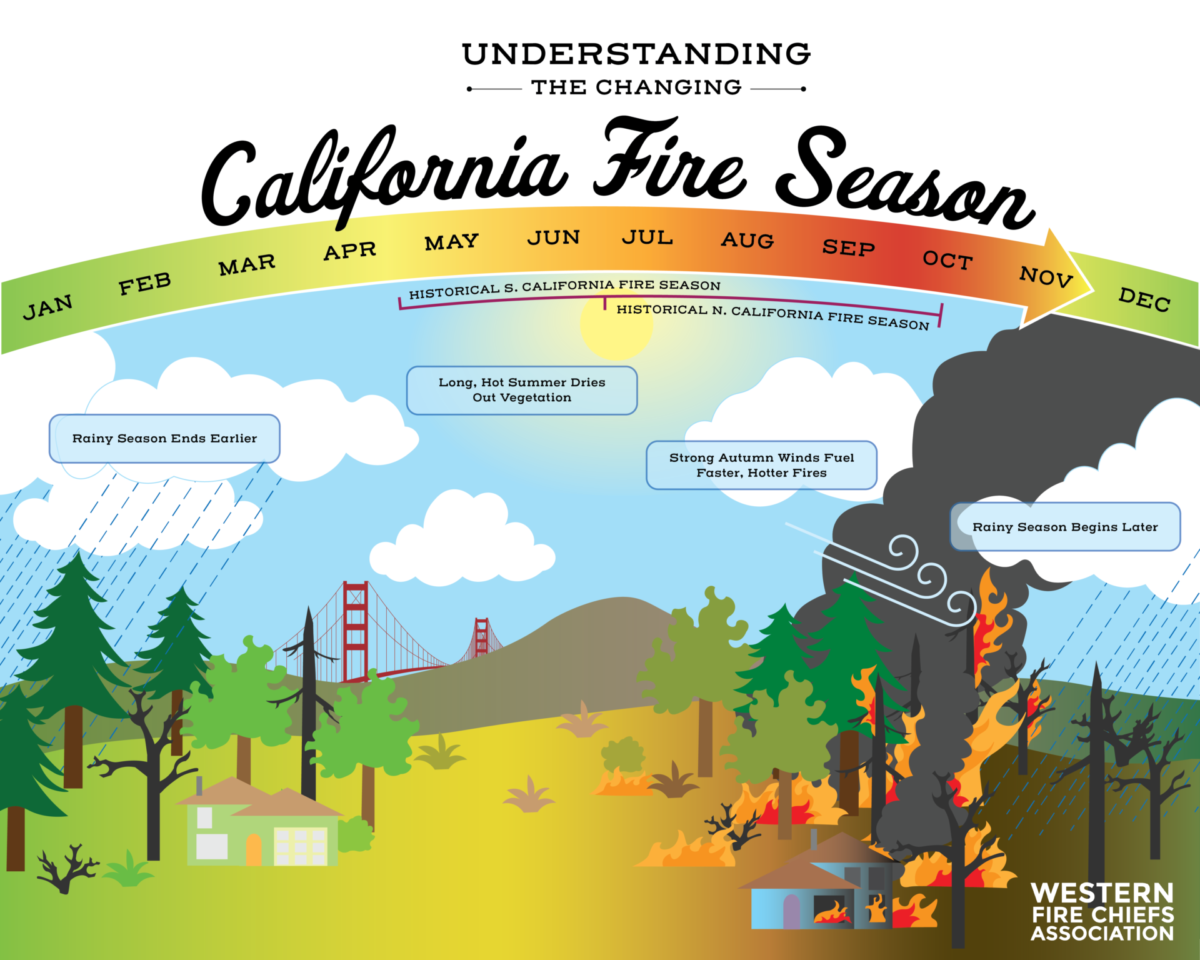
Natural Incendiaries: The Spark from Above and Below
Wildfires, at their most primal, are natural occurrences, an integral part of many ecosystems. In California, these natural ignitions are primarily driven by two potent forces: lightning and volcanic activity, though the latter is far less common as a direct cause of widespread wildfires.
Lightning Strikes: Nature’s Volatile Match
Lightning, a spectacular and powerful manifestation of atmospheric electrical discharge, is a significant natural cause of wildfires, particularly in the vast, wilder regions of California. When a lightning bolt strikes dry vegetation, such as parched grasses, chaparral, or timber, it can deliver enough intense heat to ignite combustible materials. This is especially true during thunderstorms that occur without significant rainfall, a phenomenon often referred to as “dry lightning.” The summer and early autumn months are particularly prone to these types of events, as vegetation has undergone months of drying under the intense California sun. The remote locations of many lightning-ignited fires can make them challenging to detect and combat in their early stages, allowing them to grow rapidly before suppression efforts can be effectively deployed. The spread of these fires is then dictated by wind patterns, fuel availability, and topography.
Volcanic Activity: A Less Frequent but Potent Igniter
While California is home to numerous volcanoes, including the iconic Mount Shasta and the Long Valley Caldera, volcanic activity directly initiating widespread wildfires is a less frequent occurrence compared to lightning. However, when volcanic eruptions occur, they can generate extreme heat and eject incandescent materials that can easily ignite surrounding vegetation. Lava flows, pyroclastic flows, and incandescent volcanic bombs can all serve as ignition sources. Furthermore, volcanic gases released during eruptions can contribute to atmospheric instability and the formation of fire-breathing clouds, further exacerbating potential wildfire scenarios. The geological history of California is marked by significant volcanic events, and while major wildfire ignitions directly from recent volcanic activity are rare, the potential remains a factor in the state’s complex fire dynamics.
Human Influence: The Overwhelming Majority of Ignitions
While natural causes account for a portion of wildfires in California, human activities are overwhelmingly responsible for the vast majority of ignitions. These actions, whether accidental or intentional, introduce a complex set of variables that often lead to fires in areas where they are least expected or can cause the most damage. The proximity of human settlements to wildland areas, coupled with specific activities, creates a heightened risk.
Accidental Ignitions: The Unintended Spark
A significant percentage of wildfires in California are caused by accidents, often stemming from everyday human activities. These can range from unattended campfires that escape their designated areas, to sparks from machinery operating in dry conditions, to the catastrophic consequences of downed power lines.
Campfires and Open Flames
The allure of a crackling campfire is a quintessential part of many outdoor experiences in California. However, if not properly managed, these seemingly innocuous flames can quickly turn into a devastating wildfire. Campfires that are not fully extinguished, embers that are blown out of designated fire rings, or the use of fire in prohibited areas can all lead to ignition. This risk is amplified during periods of high fire danger, when vegetation is extremely dry and winds can easily carry burning embers.
Equipment Malfunctions and Sparks
Modern life brings with it numerous tools and equipment that can inadvertently spark a wildfire. Sparks from lawnmowers, chainsaws, welding equipment, or even exhaust systems on vehicles can ignite dry grass or brush. This is particularly relevant in rural and semi-rural areas where such activities are common. The accumulation of dry, flammable material, such as dead leaves or grass clippings, around a property can provide the fuel for these sparks to ignite.
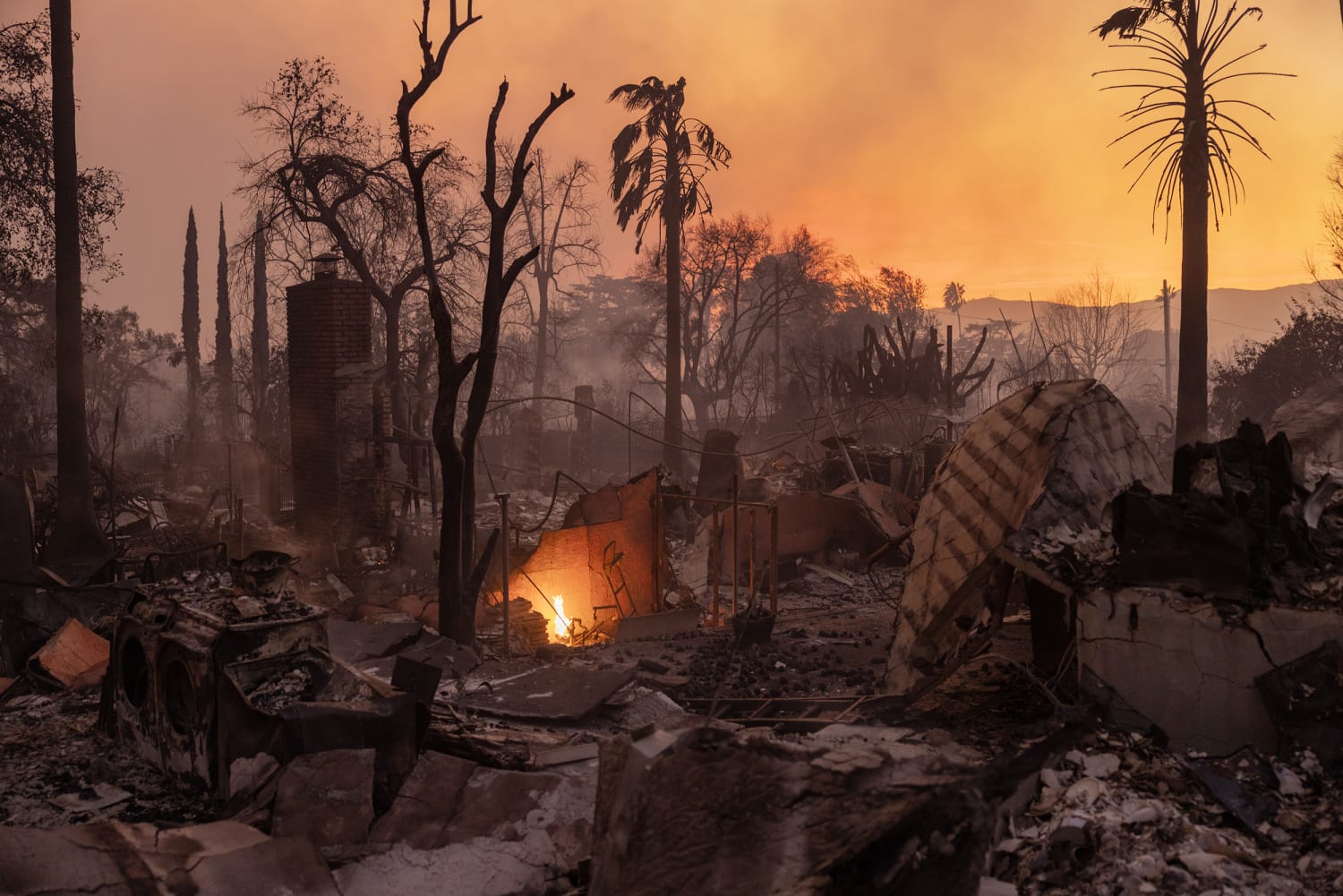
Downed Power Lines and Electrical Equipment
One of the most destructive and widely publicized causes of accidental wildfires in California involves electrical infrastructure. Faulty equipment, aging power lines, and high winds can cause lines to sag, spark, or break, sending live electrical components crashing to the ground and igniting dry vegetation below. Utility companies have faced intense scrutiny and legal challenges for their role in starting some of the state’s most devastating fires, leading to significant investments in infrastructure upgrades and fire prevention measures. These events underscore the critical need for robust maintenance and strategic planning in managing energy grids in fire-prone regions.
Fireworks and Arson
The celebratory use of fireworks, particularly during dry periods, is another significant cause of accidental ignitions. Even small fireworks can generate sufficient heat to start fires in dry grass or brush. More disturbingly, arson, the deliberate act of setting fires, also contributes to the wildfire problem. These malicious acts can have devastating consequences, causing widespread destruction and posing extreme danger to firefighters and communities. Investigating and prosecuting arsonists remains a critical aspect of wildfire prevention and control.
Vehicle-Related Ignitions
The presence of vehicles in wildland areas presents a unique set of ignition risks. Sparks from dragging chains, malfunctioning catalytic converters, or even hot exhaust systems can ignite dry roadside vegetation. Driving off-road in areas with dry fuel can also create friction and sparks that can lead to fires. The proliferation of roads and trails into previously wild areas means that human presence, and therefore the potential for vehicle-related ignitions, has increased.
Environmental Factors: Setting the Stage for Fire
Beyond the immediate spark, a confluence of environmental factors creates the conditions necessary for a wildfire to ignite and spread rapidly. These factors are deeply intertwined with California‘s unique geography and climate.
Fuel Load: The Abundance of Combustible Material
The amount of flammable material, or “fuel load,” present in the environment is a critical determinant of wildfire behavior. In California, this includes dry grasses, shrubs (such as chaparral), dead trees, fallen leaves, and pine needles. Years of fire suppression have, in some cases, led to an unnaturally high accumulation of fuel in forests, creating a tinderbox effect. When ignition occurs in areas with a heavy fuel load, fires can spread with alarming speed and intensity. The types of vegetation present also play a role, with certain plants being naturally more flammable than others.
Drought and Aridity: The Thirst for Ignition
California is no stranger to drought, and extended periods of dry weather are a primary driver of wildfire risk. When rainfall is scarce, vegetation loses its moisture content, becoming highly susceptible to ignition. The longer the drought persists, the drier the fuels become, and the lower the threshold for ignition. High temperatures exacerbate this by increasing evaporation rates and further drying out the landscape. The state’s Mediterranean climate, characterized by hot, dry summers, naturally sets the stage for fire, but prolonged droughts intensify this inherent risk.
Wind: The Breath of the Inferno
Wind is arguably the most critical factor in determining the speed and direction of wildfire spread. Strong winds can fan flames, supplying them with oxygen and pushing them rapidly through fuel beds. They can also carry burning embers long distances, igniting new fires far ahead of the main fire front, a phenomenon known as “spotting.” This makes containment incredibly difficult and can lead to rapid, unpredictable fire growth, posing significant threats to communities. The Santa Ana winds in Southern California and the Diablo winds in Northern California are notorious for their strength and their role in fueling some of the state’s most destructive wildfires.
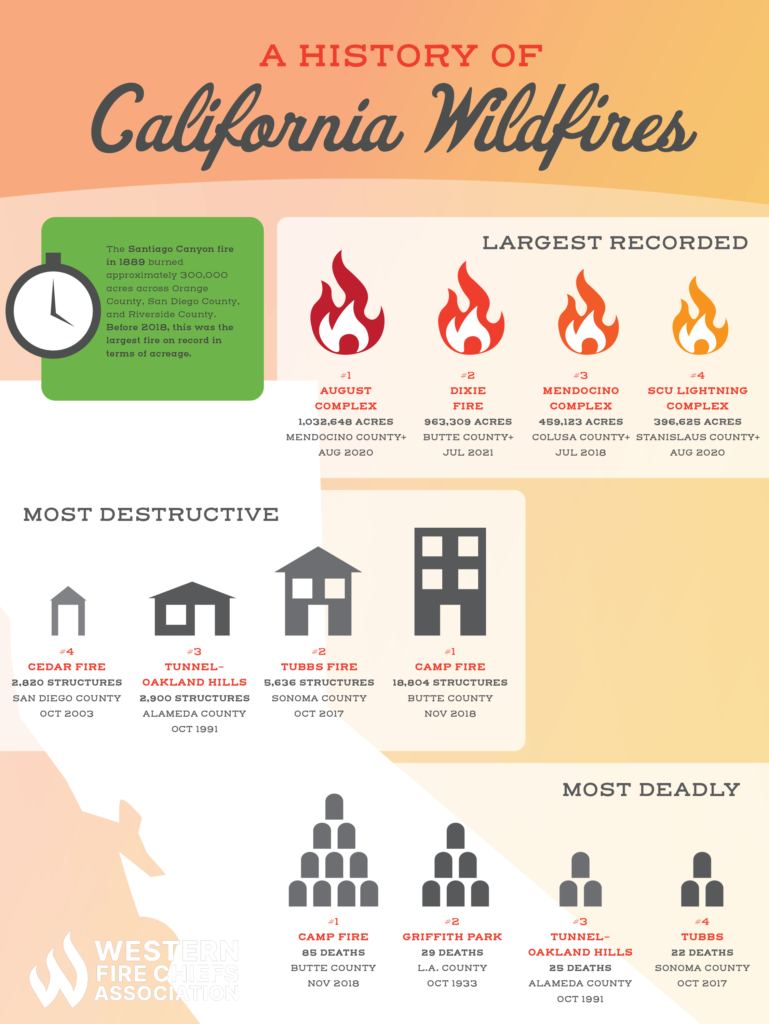
The Interplay of Factors: A Perfect Storm
It is crucial to understand that wildfires rarely start due to a single isolated cause. Instead, they are often the result of a complex interplay between ignition sources, environmental conditions, and the availability of fuel. A lightning strike, for instance, might be the initial spark, but it is the dry vegetation, the drought conditions, and the prevailing winds that allow that spark to blossom into a devastating inferno. Similarly, a downed power line might be the ignition source, but the heavy fuel load and dry conditions created by a prolonged drought transform a potentially contained event into a widespread disaster. Recognizing these interconnected factors is essential for developing effective strategies for wildfire prevention, mitigation, and response in California. The ongoing challenge lies in managing human activities, mitigating the impacts of climate change, and adapting to the natural fire cycles of this beautiful yet fire-prone state.
LifeOutOfTheBox is a participant in the Amazon Services LLC Associates Program, an affiliate advertising program designed to provide a means for sites to earn advertising fees by advertising and linking to Amazon.com. Amazon, the Amazon logo, AmazonSupply, and the AmazonSupply logo are trademarks of Amazon.com, Inc. or its affiliates. As an Amazon Associate we earn affiliate commissions from qualifying purchases.