
Florida, often dubbed the “Sunshine State,” lives up to its moniker with a climate that draws millions of visitors year-round. However, understanding Florida’s weather nuances is crucial for planning the perfect trip, whether you’re dreaming of lounging on the pristine beaches of Miami, exploring the theme parks of Orlando, or immersing yourself in the natural beauty of the Everglades. This comprehensive guide delves into the intricacies of Florida’s climate, offering insights for every type of traveler, from the luxury seeker to the budget-conscious family.
The state’s geography, stretching along a long coastline and influenced by the Atlantic Ocean to the east and the Gulf of Mexico to the west, dictates its generally warm and humid environment. However, Florida experiences distinct seasons, each with its own unique weather patterns, and regional variations can also play a significant role.

Understanding Florida’s Seasons and Their Impact on Travel
Florida’s weather can be broadly categorized into two main periods: the wet season and the dry season, with sub-categories that further refine the experience.
The Hot and Humid Summer: June to September
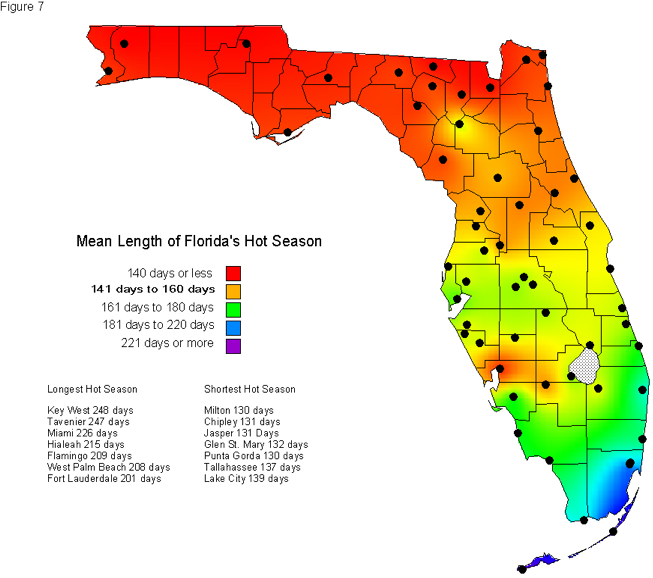
Summer in Florida is synonymous with heat, humidity, and frequent thunderstorms. Temperatures consistently hover in the high 80s to low 90s Fahrenheit (around 30-33°C), with the humidity making it feel even hotter. This period is also characterized by its afternoon showers and thunderstorms. These are typically brief but can be intense, bringing heavy rain and lightning. While they can disrupt outdoor plans, they often offer a refreshing break from the heat.
For travelers visiting during the summer months, embracing the cooler, indoor attractions is key. The world-renowned theme parks in Orlando, such as Walt Disney World Resort and Universal Orlando Resort, offer plenty of air-conditioned entertainment. Likewise, museums and aquariums across the state, like the The Dalí Museum in St. Petersburg, provide excellent escapes from the midday heat.
Accommodation options like resorts with extensive indoor pools and water parks, such as Omni Orlando Resort at ChampionsGate, are also ideal for families looking to make the most of their summer vacation. When venturing outdoors, early mornings and late evenings are prime times for sightseeing and activities.
The increased rainfall during summer also means lush, vibrant landscapes, particularly in the natural areas of Florida. The Everglades National Park, with its unique ecosystem, is teeming with wildlife, and while boat tours are popular, visitors should be prepared for downpours and carry insect repellent, as mosquitoes can be more prevalent.
The Pleasant Dry Season: October to May
This is widely considered the prime time to visit Florida, offering the most comfortable weather conditions. The dry season, spanning from October through May, brings lower humidity, milder temperatures, and less rainfall.
Autumn (October to November): A Transition to Perfection
As the summer heat begins to recede, autumn offers a delightful transition. October and November still see warm days, but the oppressive humidity starts to dissipate, and temperatures become more moderate, often in the 70s and 80s Fahrenheit (21-29°C). This is an excellent time for exploring outdoor attractions without the intense heat.
Beaches along the Gulf Coast, like those in Clearwater and Sarasota, become particularly inviting. Water sports and beach activities are in full swing, with calmer seas and sunny skies. It’s also a fantastic period for exploring cities like Key West and its unique island charm, or for indulging in outdoor dining experiences in areas like South Beach, Miami.
Winter (December to February): Mild and Breezy
Florida’s winter is a far cry from the harsh cold experienced in many other parts of the country. Temperatures typically range from the 60s to low 70s Fahrenheit (15-23°C) during the day, with cooler evenings that might require a light jacket. This makes it an ideal time for those seeking to escape winter weather elsewhere.
The Florida Keys are particularly pleasant during these months, offering a tropical escape without the intense summer heat. Activities like snorkeling, diving, and exploring the historic sites of Key West, including the Ernest Hemingway Home and Museum, are highly recommended. Central Florida also experiences pleasant weather, making it perfect for theme park visits and exploring attractions like SeaWorld Orlando.
For those interested in upscale experiences, winter is a popular time for luxury travel. Resorts like the Four Seasons Resort Orlando at Walt Disney World Resort offer premium amenities and experiences, with the weather providing a perfect backdrop for enjoying their offerings.
Spring (March to May): Warming Up with Sunshine
Spring brings a gradual increase in temperatures and sunshine, with averages in the 70s and 80s Fahrenheit (21-29°C). The humidity also begins to build as summer approaches, but it’s generally still comfortable. This season is perfect for outdoor adventures, from exploring the natural springs in Central Florida, such as Wekiwa Springs State Park, to enjoying the vibrant flora and fauna that come to life.
Spring break often falls within these months, leading to increased crowds at popular destinations, particularly beaches and theme parks. Booking accommodations and activities in advance is highly advisable during this period. For budget travelers, looking at areas outside the main tourist hubs or considering mid-week stays can offer more affordable options.
Regional Weather Variations Across the Sunshine State
While Florida’s climate is generally consistent, subtle differences exist across its vast expanse, from the Florida Panhandle to the Florida Keys.
North Florida: A Touch More Seasonal Variation
North Florida, including cities like Jacksonville and Tallahassee, experiences slightly more pronounced seasonal shifts than the southern parts of the state. Winters here can be cooler, with occasional dips into the 40s Fahrenheit (around 5-9°C) overnight, though daytime temperatures remain mild. Summers are hot and humid, similar to the rest of the state, with the characteristic afternoon thunderstorms. Spring and autumn are generally very pleasant.
For travelers heading to North Florida, the historic city of St. Augustine offers a wealth of historical landmarks and charming streets to explore, and the cooler months are ideal for this. The natural beauty of areas like Amelia Island is also best enjoyed during the spring and fall.
Central Florida: The Theme Park Hub’s Climate
Central Florida, home to the famous theme parks and a major hub for tourism, enjoys a climate that is largely consistent with the general Florida pattern. Summers are hot and wet, while winter offers mild temperatures perfect for park-going. Attractions like ICON Park and Gatorland are accessible year-round, but planning around potential rain showers during the summer is essential. Many hotels in Orlando, such as the Hyatt Regency Orlando, offer amenities like indoor pools and shaded walkways to help guests navigate the weather.
South Florida: Tropical Heat and Humidity
South Florida, encompassing Miami, Fort Lauderdale, and the Florida Keys, boasts a more truly tropical climate. Summers are consistently hot and humid, with temperatures often reaching the high 90s Fahrenheit (around 35°C) with the heat index. The Atlantic hurricane season, which runs from June 1st to November 30th, is a significant consideration for this region. While direct hits are infrequent, tropical storms and hurricanes can bring significant rainfall, strong winds, and disruption.
Despite the summer heat and humidity, South Florida remains a popular destination due to its vibrant nightlife, beautiful beaches, and cultural attractions. Visitors during these months can enjoy indoor activities like exploring the art deco architecture of Miami Beach or visiting the Vizcaya Museum & Gardens. The Florida Keys offer a unique island experience, with activities like fishing and diving remaining popular, though visitors should always monitor weather forecasts.
Preparing for Florida’s Weather: Tips for Every Traveler
Regardless of the season or region you choose to visit, being prepared for Florida’s weather will significantly enhance your travel experience.
Packing Essentials for Sun, Rain, and Comfort
- Lightweight, Breathable Clothing: Cotton and linen are ideal for staying cool in the heat and humidity.
- Rain Gear: A compact umbrella and a lightweight, waterproof jacket are essential, especially during the summer months.
- Sun Protection: High SPF sunscreen, a wide-brimmed hat, and sunglasses are crucial for protecting yourself from the strong Florida sun year-round.
- Comfortable Footwear: You’ll likely be doing a lot of walking, so comfortable shoes are a must. Water shoes can be beneficial for beach activities and exploring natural springs.
- Insect Repellent: Especially important for visits to natural areas and during warmer, wetter months.
Navigating Hurricane Season and Thunderstorms
The Atlantic hurricane season is a significant factor for travel to Florida. While it spans several months, the peak activity typically occurs from August to October. Travelers visiting during this period should:
- Monitor Weather Forecasts: Stay informed about potential storm development through reliable weather sources.
- Purchase Travel Insurance: This can provide financial protection in case of cancellations or disruptions due to severe weather.
- Understand Hotel Policies: Familiarize yourself with your hotel’s hurricane policy regarding cancellations and evacuations. Many resorts, like the Gaylord Palms Resort & Convention Center, have robust contingency plans.
- Have a Contingency Plan: Be prepared to adjust your itinerary if weather conditions necessitate it.
Afternoon thunderstorms are a daily occurrence during the summer. They are usually short-lived, so often the best approach is to seek shelter for a brief period and then resume your outdoor activities.

Embracing Florida’s Climate for Unique Experiences
Florida’s weather, while sometimes challenging, also creates unique opportunities for memorable experiences. The warm waters are perfect for swimming and water sports year-round. The vibrant sunsets are a spectacle to behold. And the lush tropical landscapes are a testament to the abundant sunshine and rainfall. By understanding and respecting the climate, travelers can plan an itinerary that maximizes enjoyment and minimizes discomfort, ensuring their Florida adventure is truly unforgettable. Whether you’re seeking adventure, relaxation, or cultural immersion, the Sunshine State’s weather is a key component of its allure, and with a little preparation, you can harness its power to create the perfect getaway.
LifeOutOfTheBox is a participant in the Amazon Services LLC Associates Program, an affiliate advertising program designed to provide a means for sites to earn advertising fees by advertising and linking to Amazon.com. Amazon, the Amazon logo, AmazonSupply, and the AmazonSupply logo are trademarks of Amazon.com, Inc. or its affiliates. As an Amazon Associate we earn affiliate commissions from qualifying purchases.