
The allure of the Golden State is undeniable. From the sun-kissed beaches of San Diego to the iconic skyline of San Francisco, and the vibrant entertainment capital of Los Angeles, California offers an unparalleled tapestry of experiences. For many, the dream of exploring its diverse landscapes, indulging in its rich culinary scene, or even settling down for an extended stay is a powerful draw. However, the reputation of California’s high cost of living can sometimes temper these aspirations, especially for those pursuing budget travel, a nomadic lifestyle, or simply experiencing temporary financial shifts.

Navigating a new state, whether as a tourist considering a longer immersion or a new resident establishing roots, often involves understanding local support systems. For ensuring food security, particularly for individuals and families facing economic challenges, California offers a vital program: CalFresh. Often referred to as “food stamps,” CalFresh provides monthly benefits on an EBT card to help low-income households purchase nutritious food. Far from being merely a welfare program, CalFresh can be an enabler for diverse lifestyles, allowing individuals and families to stretch their budgets further, allocate resources towards accommodation or unique local experiences, and truly savor the essence of California without the constant worry of food expenses.
This guide aims to demystify the process of applying for CalFresh in California. We’ll explore who is eligible, the steps involved in the application, and how this crucial support system can integrate into and enhance various travel and lifestyle choices across the state, from exploring farmers’ markets in Napa Valley to enjoying a picnic with a view of the Golden Gate Bridge. Understanding CalFresh isn’t just about obtaining aid; it’s about unlocking a more sustainable and less stressful way to experience all that California has to offer.
Navigating the Golden State: Understanding CalFresh for Varied Lifestyles
California is a land of opportunity and adventure, but it’s also a state where the cost of living can be significantly higher than the national average. This reality makes programs like CalFresh not just a safety net for its permanent residents, but a relevant consideration for anyone planning an extended stay, pursuing seasonal work, or even those on a long-term travel adventure who find themselves needing temporary financial assistance. Integrating an understanding of CalFresh into your planning can be a strategic move to ensure food security and free up your budget for other aspects of your California experience, whether it’s booking a memorable stay in a boutique hotel or exploring more regional attractions.
What is CalFresh and Who Benefits from It?
CalFresh is California’s version of the federal Supplemental Nutrition Assistance Program (SNAP), commonly known as food stamps. It provides monthly benefits that are loaded onto an EBT card, which functions like a debit card and can be used to buy groceries at most food retailers and farmers’ markets. The primary goal of CalFresh is to help low-income individuals and families put healthy and nutritious food on the table, thereby combating hunger and promoting overall well-being.
While often associated with long-term residents, the program extends its benefits to a broader spectrum of individuals who might find themselves in a temporary financial bind. This includes:
- Individuals and families with low incomes: The most common beneficiaries.
- Students: Many college students, especially those living independently or with dependents, can be eligible under specific criteria.
- Seasonal workers: Those working in agriculture or tourism, for instance, might experience fluctuating incomes that qualify them for temporary assistance.
- Seniors and individuals with disabilities: Who often live on fixed, limited incomes.
- Individuals experiencing homelessness: Support is available to help them secure food.
- Eligible non-citizens: Certain non-citizens, including legal permanent residents, refugees, and asylum seekers, may also qualify.
For someone exploring California or considering a prolonged stay, understanding CalFresh can be crucial. It embodies a philosophy of community support, ensuring that even amidst the splendor of its attractions, basic needs are met, allowing for a more profound and less financially constrained experience of the state’s vibrant culture and diverse communities.
Why Consider CalFresh for Your California Journey or Residency?
The decision to apply for CalFresh might stem from various motivations, especially when viewed through the lens of travel, accommodation, and lifestyle. California’s robust economy comes with a significant trade-off: high living expenses, particularly in major metropolitan areas like San Francisco, Los Angeles, and San Jose. Food costs, in particular, can quickly deplete a budget, whether you’re traveling, working remotely from a new city, or exploring a temporary relocation.
Here’s why CalFresh could be a game-changer for your California experience:
- Financial Flexibility: By covering a portion of your grocery expenses, CalFresh frees up your personal funds. This can mean more budget for unique local activities, a nicer stay in a hotel or vacation rental, or even extending your trip to explore more of Southern California or Northern California. Imagine using savings to visit Disneyland Resort or take a scenic drive through Yosemite National Park.
- Ensuring Food Security: Regardless of your travel style – from luxury hotels to budget-friendly apartments – having consistent access to nutritious food is paramount. CalFresh acts as a reliable source of support, preventing the stress of food insecurity from overshadowing your California adventure or residency.
- Experiencing Local Cuisine Authentically: With food expenses mitigated, you can afford to explore California’s incredible farmers’ markets, sourcing fresh, local produce and artisan goods that truly define the state’s culinary identity. This allows for a deeper, more authentic engagement with the local food scene, transforming grocery shopping into a cultural experience.
- Supporting Extended Stays: For those looking to experience California for several months, perhaps as digital nomads or long-term travelers, CalFresh can significantly reduce the financial burden, making extended stays more feasible and enjoyable. It aligns with a lifestyle that prioritizes immersive experiences over constant budget worries.
- Bridge During Transitions: Whether you’re relocating to a new city like Oakland or Sacramento for a job, or simply transitioning between different phases of your life, CalFresh can provide essential support during periods of income instability.
Considering CalFresh is not about relying on handouts; it’s about intelligently leveraging available resources to enhance your overall quality of life and travel experience in one of the most dynamic states in the United States.
Eligibility and Application: Pathways to Support in California
Understanding if you qualify for CalFresh and then navigating the application process are the practical steps toward securing these vital benefits. While the process is designed to be accessible, it requires attention to detail regarding income, household composition, and documentation. This section breaks down the essential requirements and guides you through the application journey, ensuring you have the information needed to successfully apply, whether you’re settling into a new apartment in Santa Monica or exploring the vast Central Valley.
Key Eligibility Requirements for CalFresh
Eligibility for CalFresh is primarily determined by your household’s income and resources, though other factors also play a role. It’s important to understand these criteria to assess your likelihood of qualifying:
- Income Limits: Your household’s gross monthly income (before deductions) and net monthly income (after allowed deductions) must generally be at or below specific federal poverty levels. These limits vary based on household size and are updated annually. For example, a single person will have different income thresholds than a family of four.
- Residency: To receive CalFresh benefits, you must be a resident of California. This does not necessarily mean permanent residency; individuals who are temporarily residing in the state with the intent to remain, even for an extended period, may qualify. There are no minimum residency requirements.
- Citizenship/Immigration Status: Most U.S. citizens and many non-citizens with eligible immigration statuses can apply. This includes legal permanent residents (green card holders), refugees, asylees, and certain other qualified immigrants. Undocumented immigrants are not eligible for CalFresh themselves, but their children who are U.S. citizens or eligible non-citizens may receive benefits.
- Household Definition: A “household” for CalFresh purposes generally refers to people who live together and customarily purchase and prepare food together. This can include immediate family, roommates who share food, or even a single individual living alone.
- Resources (Assets): For most households, there is no resource limit. However, households with an elderly or disabled member may have a resource limit. This is less of a concern for many applicants, especially those focused on budget travel or temporary stays.
- Work Requirements: Able-bodied adults without dependents (ABAWDs) may be subject to work requirements, meaning they must work or participate in a work program for a certain number of hours each week, or face time limits on benefits. However, many exemptions exist.
- Special Conditions: Students, particularly those enrolled at least half-time in college, must meet specific criteria in addition to income, such as working a certain number of hours, participating in work-study, or caring for a dependent child.
Navigating these requirements can seem complex, but county social services agencies are there to assist with clarification and guidance throughout the process.
Step-by-Step Application Process
Applying for CalFresh has become increasingly streamlined, with multiple avenues available to prospective applicants. The process typically involves these steps:
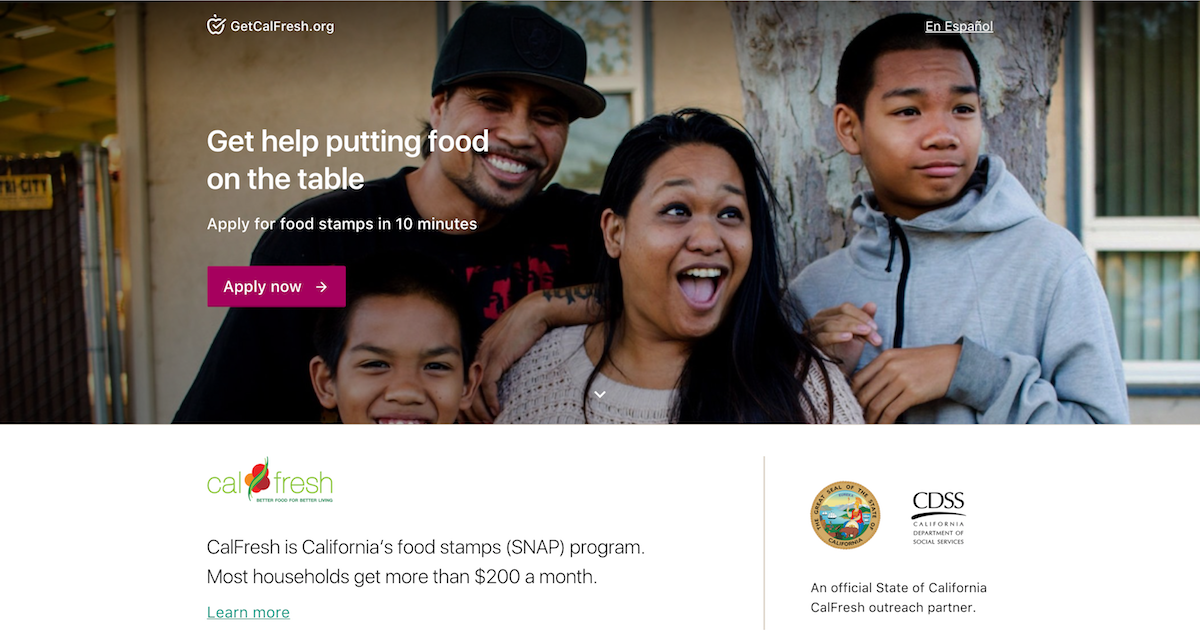
- Gather Information: Before you start, collect all necessary personal and financial information for everyone in your household (see “Essential Documents” below). This will make the application process much smoother.
- Choose Your Application Method:
- Online: The most convenient way to apply is through BenefitsCal.com. This unified portal allows you to apply for CalFresh and other benefits like Medi-Cal and CalWORKs from anywhere with an internet connection.
- In-Person: You can visit your local county social services office. This is often helpful if you have questions or need direct assistance with filling out the forms. You can find contact information for your county office online.
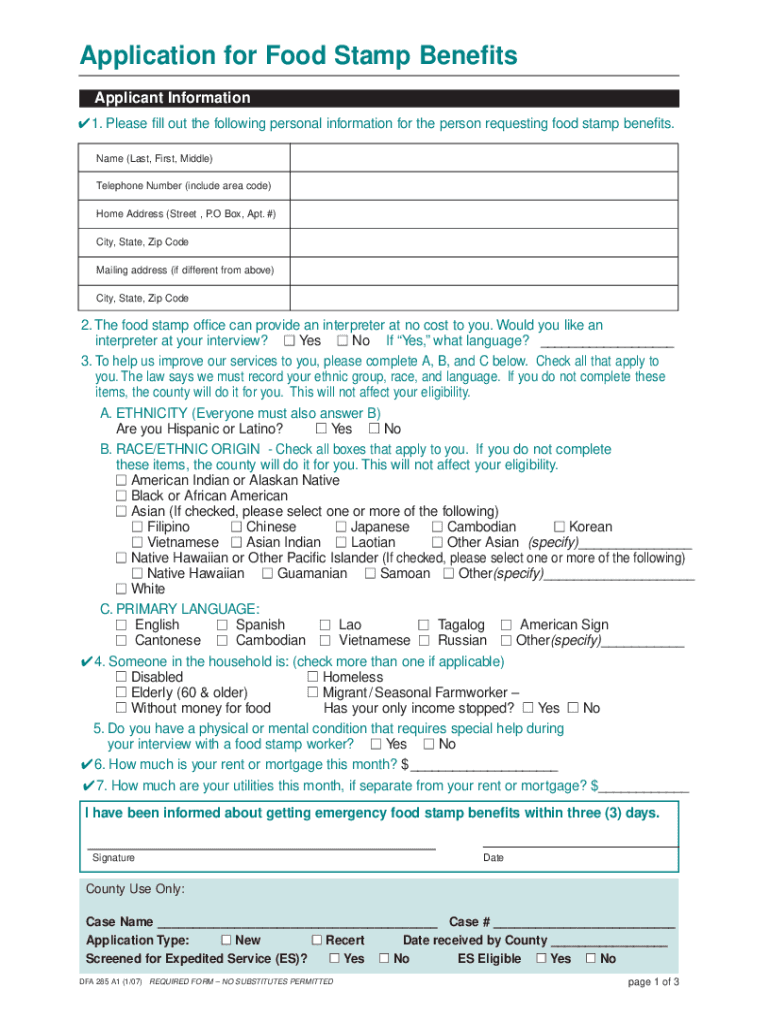
- Mail or Fax: You can print an application form (usually available on county websites or BenefitsCal.com), fill it out, and mail or fax it to your county social services agency.
- Submit Your Application: Once completed, submit your application using your chosen method. The date your application is received is important, as benefits may be retroactive to that date if you are approved.
- The Interview: After submitting, you will typically be contacted for an interview. This can be conducted over the phone or in person. During the interview, a caseworker will review your application, clarify information, and explain your rights and responsibilities.
- Verification: You will need to provide documentation to verify the information given during your application and interview. This usually involves submitting copies of pay stubs, utility bills, identification, and other relevant papers.
- Decision and Benefits: Once all documentation is reviewed, the county will determine your eligibility and the amount of benefits you qualify for. You should receive a decision within 30 days of submitting your application (or within 3 days for “expedited” services if you have very little or no income). If approved, your EBT card will be mailed to you, along with instructions on how to use it.
Essential Documents for Your CalFresh Application
Having the right documents readily available can significantly speed up your CalFresh application. While specific needs may vary, generally you should prepare:
- Proof of Identity: A driver’s license, state ID card, passport, or other government-issued identification for all household members applying.
- Proof of Residency: Utility bill, rental agreement, mail addressed to you at your current address, or a statement from someone confirming you live there. For those with a transient lifestyle or temporary accommodation, this might require a bit more flexibility, but proof of presence in California is key.
- Income Verification: Pay stubs (for the last 30 days), employment verification, benefit statements (Social Security, unemployment, disability), child support statements, or self-employment records.
- Expense Verification: Rent or mortgage receipts, utility bills (electricity, gas, water, trash), medical expenses (for elderly or disabled household members), and dependent care costs. These deductions can help increase your benefit amount.
- Proof of Resources (if applicable): Bank statements or asset ownership documents for households with elderly or disabled members.
- Citizenship/Immigration Status: Birth certificates, United States passports, naturalization certificates, green cards (Form I-551), or other immigration documents.
- Social Security Numbers (SSN): For all household members applying for benefits, if available. An SSN is not required for application, but having it can help expedite the process.
It’s always a good idea to gather these documents beforehand and make copies for your records. This preparedness ensures a smoother process, allowing you to focus on enjoying your California experience rather than getting bogged down in bureaucracy.
Maximizing Your CalFresh Benefits: Culinary Exploration and Sustainable Living
Once approved for CalFresh, you’ll receive an EBT card, unlocking a world of culinary possibilities that aligns perfectly with a lifestyle focused on exploration and budget-conscious living. The benefits aren’t just for sustenance; they’re an invitation to engage with California’s vibrant food culture, from fresh produce markets in Orange County to diverse grocery stores in Silicon Valley. Maximizing your CalFresh benefits means making informed choices that support your well-being while immersing yourself in the local flavors and communities.
Where to Use Your CalFresh EBT Card
The EBT card makes accessing food straightforward and discreet. It’s accepted at millions of locations nationwide, including nearly all major grocery stores and many smaller retailers in California:
- Major Supermarkets: Chains like Safeway, Ralphs, Vons, Albertsons, and Food 4 Less widely accept EBT cards.
- Discount Retailers: Stores such as Walmart and Target with grocery sections are also EBT friendly.
- Local Grocery Stores and Corner Markets: Many smaller, independent food stores are authorized to accept CalFresh. Look for the SNAP or EBT logo.
- Farmers’ Markets: This is a fantastic avenue for using your benefits, often with additional incentives. Many farmers’ markets in California participate in programs like Market Match, which doubles your CalFresh dollars when spent on fresh produce, allowing you to get more for your money while supporting local farmers. This is particularly appealing for travelers and lifestyle enthusiasts eager to sample fresh, seasonal, and regional specialties.
- Online Grocers: Some online grocery delivery services are beginning to accept EBT as a payment method, offering convenience, especially for those in remote areas or without easy access to transportation. Always check with the specific retailer for their acceptance policy.
The EBT card can be used to purchase most food items, including fruits, vegetables, meat, poultry, fish, dairy products, breads, cereals, and even seeds and plants that produce food. It generally cannot be used for hot, prepared foods, alcohol, tobacco, pet food, vitamins, or non-food household items.
Exploring California’s Local Cuisine on a Budget
California’s culinary landscape is as diverse as its geography, from the agricultural bounty of the Central Valley to the Pacific Ocean’s seafood. Utilizing your CalFresh benefits allows you to dive into this scene without breaking your budget, fostering a lifestyle of mindful eating and cultural immersion.
- Farmers’ Market Adventures: California boasts some of the best farmers’ markets in the United States. From the Ferry Building Marketplace in San Francisco to smaller community markets in Anaheim, these hubs are not just for shopping; they are vibrant social centers. With your EBT card and potential matching funds, you can purchase heirloom tomatoes, artisan cheeses, freshly baked goods, and unique produce, allowing you to prepare healthy meals wherever you’re staying, whether it’s a long-term rental or a self-catering accommodation.
- Cooking Local: Emulating the farm-to-table philosophy California is famous for becomes accessible. Purchase fresh, seasonal ingredients and experiment with recipes that highlight regional flavors. This approach not only saves money compared to dining out but also offers a deeper, more personal connection to the food and culture of the place.
- Health and Wellness: CalFresh prioritizes access to nutritious foods. This aligns with a healthy lifestyle, even while traveling. By ensuring you can afford fresh produce and lean proteins, you maintain your well-being, providing the energy needed for hiking trails, exploring city landmarks, or simply enjoying the California sun.
- Sustainable Eating: Opting for local and seasonal produce reduces your carbon footprint and supports the local economy – a conscious choice that resonates with many modern travelers and lifestyle advocates. It’s a way to travel responsibly and live sustainably.
Maximizing CalFresh benefits extends beyond mere purchasing power; it’s about enriching your culinary journey, supporting local communities, and maintaining a healthy, vibrant lifestyle amidst the stunning backdrop of California.
Beyond the Application: Support and Resources for a Full California Experience
Securing CalFresh benefits is a significant step towards food security in California, but the journey doesn’t end there. Understanding the broader ecosystem of support, including additional resources and answers to common questions, ensures a more seamless and informed experience throughout your stay or residency in the Golden State. Whether you’re experiencing the vibrant city life of Palm Springs or enjoying the tranquility of coastal towns, these resources are designed to help maintain your well-being and allow you to fully engage with your chosen lifestyle.
Additional Resources and Community Support
California’s commitment to its residents and visitors extends beyond CalFresh, offering a network of programs and organizations designed to provide holistic support:
- County Social Services Agencies: Your local county social services office remains your primary point of contact for all CalFresh-related inquiries, including questions about benefits, reporting changes, and re-certification. They can also connect you to other essential services.
- Food Banks and Pantries: For supplementary food assistance, especially during times of unexpected hardship or when CalFresh benefits are low, local food banks and community pantries are invaluable resources. Organizations like the California Association of Food Banks can help you locate the nearest distribution points.
- Related Benefit Programs: Many individuals eligible for CalFresh may also qualify for other state programs, such as Medi-Cal (health coverage) or CalWORKs (cash aid for families with children). BenefitsCal.com is an excellent starting point to explore these integrated services.
- Community Organizations: Numerous non-profit organizations across California offer free or low-cost services, including legal aid, housing assistance, employment support, and family services. These organizations often cater to specific communities or needs and can provide critical support, whether you’re transitioning to a new city or dealing with an unexpected challenge during your travels.
- Health and Wellness Programs: Beyond food, maintaining health is key to enjoying California. Many community centers and public health departments offer free or affordable health screenings, nutrition classes, and exercise programs that complement the healthy eating supported by CalFresh.
Leveraging these resources ensures that your California experience, whether it’s a short-term adventure or a long-term residency, is supported by a robust safety net, allowing you to focus on the exploration and personal growth that define the state.
Frequently Asked Questions for a Seamless Stay
Navigating the intricacies of a state assistance program can bring up many questions, especially for those integrating it into a dynamic lifestyle. Here are some common questions and their general answers:
- What if my income changes while receiving CalFresh benefits?
It is crucial to report any changes in income, household size, or living situation to your county social services agency within 10 days of the change. Failure to report changes can result in overpayments that you may have to repay, or an interruption of your benefits. - How often do I need to reapply for CalFresh?
CalFresh benefits are typically approved for a specific certification period, usually between 6 and 12 months. Before your benefits expire, you will need to complete a recertification application and potentially a new interview to continue receiving assistance. - Can non-citizens apply for CalFresh?
Yes, many non-citizens are eligible, including legal permanent residents, refugees, asylees, and others with specific immigration statuses. However, undocumented individuals are generally not eligible for themselves, but their eligible children (U.S. citizens or qualified non-citizens) can receive benefits. Applying for benefits for eligible family members does not negatively impact the immigration status of undocumented individuals. - What about homeless individuals? Can they apply?
Yes, individuals experiencing homelessness are eligible for CalFresh and are encouraged to apply. They may not have traditional proof of address, but counties are equipped to handle these situations and will accept alternative forms of residency verification. - Is my information confidential?
Yes, all information provided during the CalFresh application process is confidential and protected by state and federal privacy laws. It is used solely for the purpose of determining eligibility for benefits. - Can I use my EBT card outside of California?
Yes, CalFresh benefits, loaded onto your EBT card, can be used at any authorized SNAP retailer nationwide. This flexibility is particularly useful for travelers who might venture beyond state borders temporarily.
In conclusion, applying for food stamps in California – through the CalFresh program – is a straightforward process designed to provide crucial nutritional support. Far from being a niche concern, it is a vital component of supporting diverse lifestyles, whether you are a long-term resident, a student, a seasonal worker, or a traveler experiencing the Golden State on an extended budget. By understanding the eligibility criteria, navigating the application process, and leveraging the available resources, you can ensure food security, free up funds for enriching experiences like visiting Disneyland Resort or hiking in Yosemite National Park, and truly immerse yourself in the vibrant culture and breathtaking landscapes that make California an extraordinary destination and a wonderful place to live.
LifeOutOfTheBox is a participant in the Amazon Services LLC Associates Program, an affiliate advertising program designed to provide a means for sites to earn advertising fees by advertising and linking to Amazon.com. Amazon, the Amazon logo, AmazonSupply, and the AmazonSupply logo are trademarks of Amazon.com, Inc. or its affiliates. As an Amazon Associate we earn affiliate commissions from qualifying purchases.