
The Sunshine State, Florida, has long been a beacon for tourists, vacationers, and those seeking a vibrant lifestyle. Beyond its stunning beaches, world-renowned theme parks, and diverse cultural hubs, Florida also represents a dynamic and fertile ground for entrepreneurs. Whether you dream of opening a charming boutique hotel in St. Augustine, launching a luxury travel agency in Miami, or establishing a unique accommodation experience in the Florida Keys, understanding the intricacies of business licensing is your crucial first step. Navigating the legal landscape of starting a business can seem daunting, but with a clear roadmap, the process becomes manageable. This comprehensive guide will walk you through the essential steps, requirements, and considerations for obtaining a business license in Florida, with a particular focus on the booming tourism, hospitality, and lifestyle sectors that define so much of the state’s allure.
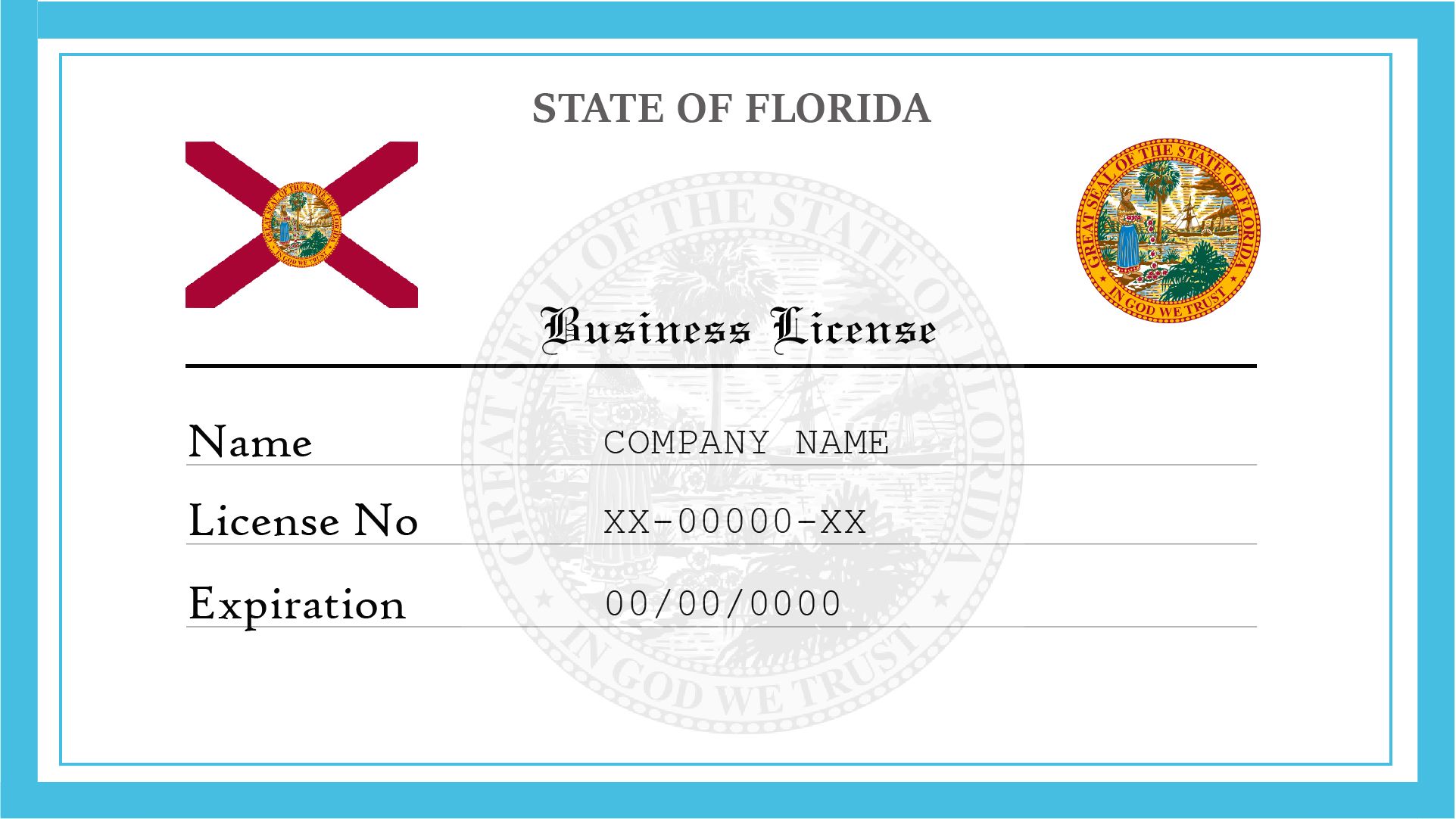
Understanding Florida’s Business Landscape for Aspiring Entrepreneurs
Florida’s economy thrives on a unique blend of local enterprise and international appeal. Its status as a premier global travel destination means there’s a constant demand for innovative businesses that cater to visitors and residents alike. This makes it an especially attractive place for those looking to start ventures related to travel, hotels, tourism, and lifestyle.
The Allure of the Sunshine State for Business
Florida’s robust tourism economy provides an unparalleled foundation for business success. Cities like Orlando, home to iconic attractions like Walt Disney World Resort and Universal Studios Florida, offer a constant influx of potential customers for everything from souvenir shops to fine dining. Miami, with its vibrant nightlife, luxury shopping, and status as a cruise ship hub, is ripe for high-end hospitality, unique accommodations, and experiential travel services. Along the Gulf Coast, destinations like Tampa and Sarasota attract families and retirees, supporting a different array of tourism-related businesses, including boutique hotels and local attractions. The pristine natural beauty of regions like the Florida Keys and the Everglades National Park creates opportunities for eco-tourism ventures, guided tours, and specialized accommodations that cater to adventure seekers.
This diverse landscape means that no matter your niche within the hospitality or lifestyle industry, there’s likely a market in Florida eager for your services. However, this vibrant environment also comes with a structured regulatory framework designed to ensure fair play, consumer protection, and safety. Understanding this framework, especially the layers of government involvement, is paramount to your success.
Differentiating Between State, County, and City Licenses
One of the most common misconceptions for new business owners in Florida is the idea of a single, all-encompassing “business license.” In reality, obtaining permission to operate in Florida is a multi-layered process, involving potentially three levels of government: state, county, and city.
- State-Level Requirements: The State of Florida imposes certain regulations and requires specific licenses for various business activities. These often relate to the legal formation of your business entity, professional licensing for specific occupations (e.g., real estate, healthcare, certain tour guides), and permits for industries under state oversight like hotels and restaurants. The Florida Department of State is a primary body for business registration, while the Florida Department of Business and Professional Regulation (DBPR) handles many industry-specific licenses.
- County-Level Requirements: Every one of Florida’s 67 counties has its own set of regulations and licensing requirements. The most common county-level requirement is the “Local Business Tax Receipt,” formerly known as an occupational license. This essentially grants you permission to conduct business within that specific county. Additionally, counties may have specific zoning, environmental, or health permits, especially for businesses dealing with food, lodging, or significant land use.
- City-Level Requirements: If your business is located within the limits of an incorporated city, you will almost certainly need a city-specific Local Business Tax Receipt in addition to your county one. Cities also impose their own zoning ordinances, building codes, and often require permits for signage, special events, or certain types of construction or renovation. For example, a new boutique hotel in Key West would need approvals from the city, Monroe County, and the State of Florida.
Understanding this tiered system from the outset will save you significant time and potential headaches. It’s crucial to thoroughly research the requirements at all three levels applicable to your specific business location and industry.
Essential Steps to Secure Your Florida Business License
Embarking on the journey of securing your business licenses in Florida requires a structured approach. Breaking down the process into manageable steps will help ensure you don’t overlook any critical requirements.
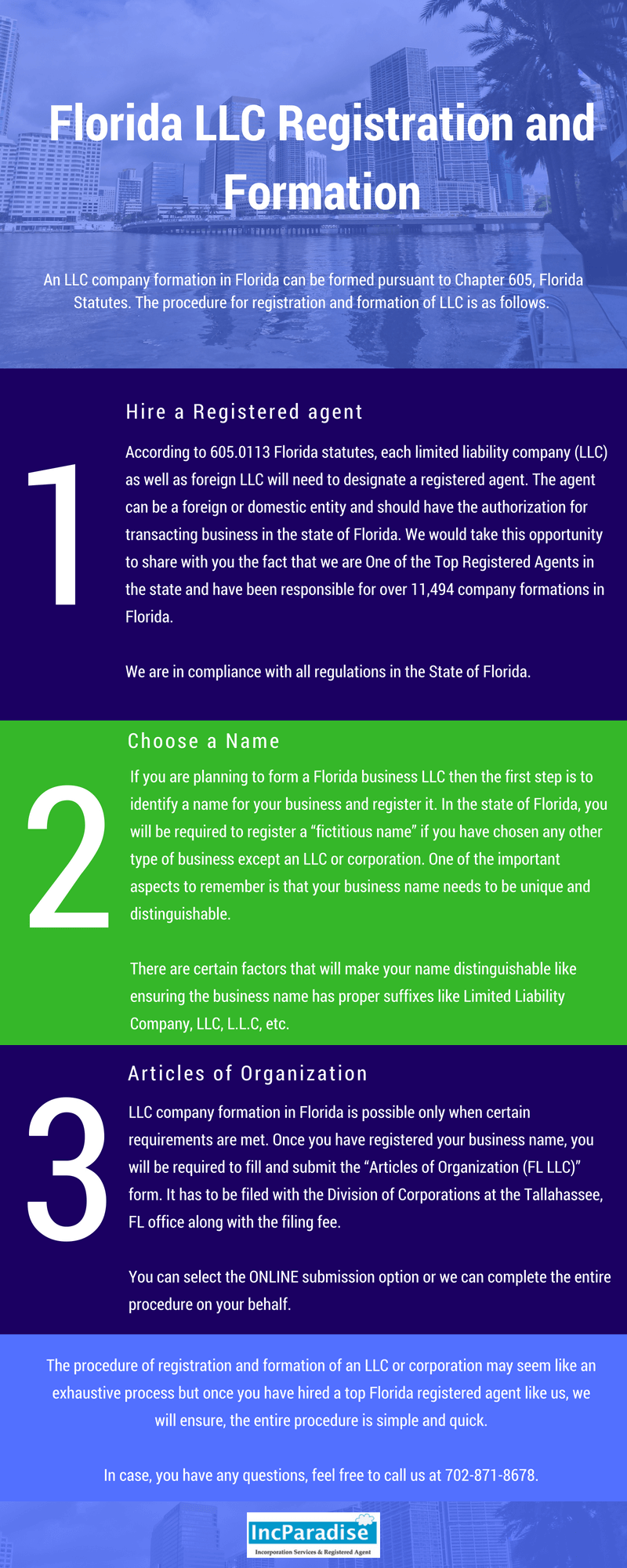
Step 1: Business Registration and Entity Formation
Before you can apply for specific licenses, you must legally establish your business entity. This foundational step dictates how your business will operate, be taxed, and its liability structure.
- Choosing a Business Structure: The most common options include Sole Proprietorship, Partnership, Limited Liability Company (LLC), and Corporation (S-Corp or C-Corp). Each has different implications for liability, taxation, and administrative burden. For many startups in the tourism or lifestyle sector, an LLC offers a good balance of personal liability protection and administrative simplicity.
- Registering Your Business Name: If you plan to operate under a name different from your legal personal name (for a Sole Proprietorship) or your official LLC/Corporation name, you’ll need to register a “fictitious name” (also known as a DBA – “Doing Business As”) with the Florida Department of State. This is crucial for branding your hotel, tour company, or travel agency.
- Forming Your Entity with the Florida Department of State: For LLCs and Corporations, you must file Articles of Organization (for LLCs) or Articles of Incorporation (for Corporations) with the Florida Department of State’s Division of Corporations. This makes your business a legal entity in Florida.
- Obtaining an Employer Identification Number (EIN): If your business will have employees, or if it’s structured as an LLC or Corporation, you’ll need an EIN from the Internal Revenue Service (IRS). This is essentially your business’s social security number and is required for tax purposes.
Step 2: Identifying Required State-Level Licenses and Permits
Once your business entity is established, the next step involves identifying and securing any specific licenses or permits mandated by the State of Florida for your industry.
- General Business Tax Receipt (Fictitious Names): While Florida doesn’t have a universal “state business license” in the same way some other states do, businesses operating under a fictitious name must register it with the Florida Department of State. This isn’t a license to operate, but a registration requirement.
- Professional Licenses: Many occupations require a state-issued professional license. This is particularly relevant in the lifestyle and tourism sectors for roles such as real estate brokers (if you’re managing vacation properties), certified public accountants, barbers, cosmetologists (relevant for spas in resorts), and various contractors. These are typically overseen by the Florida Department of Business and Professional Regulation (DBPR).
- Environmental Permits: Businesses involved in certain activities, especially those near water bodies or impacting natural landmarks (like eco-tour operators in the Everglades), may require permits from the Florida Department of Environmental Protection (FDEP). This ensures your operations comply with environmental protection standards.
- Sales Tax Permit: If your business sells goods or taxable services, you must register with the Florida Department of Revenue to collect and remit sales tax. This is crucial for hotels, restaurants, and retail businesses.
Step 3: Navigating County and City-Specific Requirements
This is where the multi-tiered licensing system becomes most apparent. Ignoring local requirements is a common pitfall for new business owners.
- Local Business Tax Receipts: As mentioned, both your county and city (if applicable) will require you to obtain a Local Business Tax Receipt. This is a fee assessed for the privilege of doing business within their jurisdiction. The fee varies greatly depending on the county, city, and the nature of your business. For instance, operating a small bed and breakfast in Orlando would necessitate a Local Business Tax Receipt from the City of Orlando and Orange County.
- Zoning and Land Use Permits: Before signing a lease or purchasing property, it is absolutely vital to verify that your chosen location is zoned for your specific type of business. This is particularly critical for hotels, resorts, and even for certain types of short-term rentals. A local planning or zoning department can confirm this. Changing zoning can be a lengthy and expensive process.
- Health Permits: Any business that prepares, serves, or sells food, or offers accommodations for transients, will require health permits. These are typically issued by the Florida Department of Health or, in the case of hotels and restaurants, by the DBPR’s Division of Hotels and Restaurants. Regular inspections ensure compliance with sanitation and safety standards.
- Fire Safety Inspections: Local fire departments conduct inspections to ensure that your premises meet fire safety codes, especially for public-facing businesses, accommodations, and large gatherings.
- Building Permits: If you plan to renovate an existing space or construct a new building for your business, you’ll need building permits from your city or county. This includes permits for structural changes, electrical work, plumbing, and HVAC systems.
Industry-Specific Licensing for Florida’s Tourism and Hospitality Sector

Given Florida’s strong emphasis on tourism and hospitality, several industries within this sector have unique and stringent licensing requirements.
Hotels, Resorts, and Vacation Rentals
Operating any form of lodging establishment in Florida falls under the purview of the Florida Department of Business and Professional Regulation (DBPR), specifically its Division of Hotels and Restaurants.
- Lodging Establishment License: This is mandatory for any business that rents out rooms or dwelling units to transient occupants (guests staying for short periods, typically less than 30 days) or non-transient occupants (long-term residents). The type of license depends on whether you operate a hotel, motel, resort condominium, vacation rental, timeshare, or bed and breakfast. Each category has specific requirements related to safety, sanitation, and record-keeping.
- Airbnb and Short-Term Rental Operators: The rise of platforms like Airbnb has democratized accommodation options, but it hasn’t eliminated licensing requirements. If you operate a short-term rental in Florida, you generally need a DBPR lodging license, a county Local Business Tax Receipt, a city Local Business Tax Receipt (if applicable), and must collect and remit both state sales tax and local tourist development taxes (bed taxes). Many cities, such as Miami Beach and Orlando, have also implemented strict local ordinances and registration programs for short-term rentals, including zoning restrictions and density limits. Failing to comply can result in substantial fines.
Travel Agencies and Tour Operators
If your business helps visitors explore Florida’s destinations or book their trips, you’ll face specific state regulations.
- Seller of Travel Registration: Any entity that sells or offers to sell travel services to consumers in Florida must register as a Seller of Travel with the Florida Department of Agriculture and Consumer Services (FDACS). This includes traditional travel agencies, online travel companies, and even individuals who book travel on behalf of others. This registration helps protect consumers.
- Bonding Requirements: Sellers of Travel may also be required to obtain a surety bond or establish a trust account, depending on their business model, to further protect consumer funds.
- Local Tour Operator Permits: Beyond state registration, individual cities or counties may require specific permits for operating tours within their boundaries. For instance, conducting historical walking tours in St. Augustine or airboat rides near the Everglades might require local permits, adherence to specific operating hours, and sometimes even specialized insurance.
Restaurants, Bars, and Food Service Businesses
Food and beverage establishments are a cornerstone of the tourism and lifestyle experience in Florida. Their regulation is rigorous to ensure public health and safety.
- DBPR Division of Hotels and Restaurants Food Permit: Most restaurants, bars, and food service establishments that serve food directly to the public are licensed and inspected by the DBPR’s Division of Hotels and Restaurants. This permit covers everything from food preparation and storage to hygiene and sanitation.
- Alcoholic Beverage Licenses: If you plan to sell beer, wine, or spirits, you’ll need an alcoholic beverage license from the Florida Department of Business and Professional Regulation, Division of Alcoholic Beverages and Tobacco (ABT). These licenses are highly regulated, can be quota-limited in certain areas, and are often expensive. The process involves extensive background checks and local zoning approval.
- Food Truck Permits: The popularity of food trucks has led to specific regulations. While generally still overseen by the DBPR, food trucks also face additional city and county permits for where they can operate, how long they can stay, and specific health and safety requirements for mobile units. For example, operating a food truck in downtown Jacksonville will have different rules than in Naples.
Ongoing Compliance and Best Practices for Florida Businesses
Securing your initial business licenses is a significant achievement, but it’s not a one-time event. Ongoing compliance is crucial for long-term success and to avoid penalties.
Renewals and Keeping Your Licenses Current
Almost all business licenses and permits in Florida have an expiration date, ranging from annual renewals for Local Business Tax Receipts to biennial or multi-year renewals for some state professional licenses.
- Track Expiration Dates: Implement a robust system for tracking all your license and permit expiration dates. Missing a renewal can lead to late fees, penalties, or even the suspension of your ability to operate. Many state and local agencies offer online renewal portals and email reminders, but it’s wise to have your own internal tracking.
- Update Information Promptly: If your business address, ownership, or scope of operations changes, you must update this information with the relevant licensing authorities. Failure to do so can invalidate your licenses.
Staying Informed of Regulatory Changes
The regulatory landscape is not static. Laws and ordinances can change at state, county, and city levels, especially in dynamic sectors like tourism and accommodations (think evolving short-term rental rules).
- Utilize Government Resources: Regularly visit the websites of the Florida Department of State, DBPR, and your specific county and city government. Many provide newsletters or updates on regulatory changes.
- Consult Professionals: Engaging with legal counsel specializing in business law and local government relations, as well as qualified accountants, can be invaluable. They can help you interpret complex regulations and ensure ongoing compliance, saving you money and stress in the long run.
- Join Industry Associations: Professional associations for hotels, restaurants, or travel agencies often provide updates on regulatory changes relevant to their members.
Leveraging Florida’s Business Ecosystem
Beyond compliance, Florida offers a rich ecosystem to support new and growing businesses.
- Networking with Local Chambers of Commerce: Joining a chamber of commerce in cities like Tampa, Fort Lauderdale, or Orlando can connect you with other entrepreneurs, provide business resources, and offer advocacy for local business interests.
- Exploring Resources for Small Businesses: The Florida Small Business Development Center (SBDC) network offers free consulting, training, and resources to help entrepreneurs launch and grow their businesses. The U.S. Small Business Administration (SBA) also provides valuable support and funding opportunities.
Conclusion
Launching a business in Florida is an exciting endeavor, particularly within its thriving tourism, hospitality, and lifestyle sectors. While the process of obtaining all necessary business licenses and permits can appear intricate, approaching it systematically and methodically will ensure a smooth start for your venture. From forming your legal entity with the Florida Department of State to securing industry-specific permits from the DBPR and complying with local county and city requirements, each step is vital. By staying informed, diligent, and leveraging available resources, you can confidently navigate the licensing landscape and establish a successful, compliant business that contributes to the vibrant tapestry of the Sunshine State. Welcome to the entrepreneurial journey in Florida!
LifeOutOfTheBox is a participant in the Amazon Services LLC Associates Program, an affiliate advertising program designed to provide a means for sites to earn advertising fees by advertising and linking to Amazon.com. Amazon, the Amazon logo, AmazonSupply, and the AmazonSupply logo are trademarks of Amazon.com, Inc. or its affiliates. As an Amazon Associate we earn affiliate commissions from qualifying purchases.