
While the allure of exotic travel destinations, luxurious hotel suites, and immersive cultural experiences often captivates our attention, it’s equally important to understand the foundational elements that support these ventures. For those embarking on a business journey in the Lone Star State, navigating the process of registering a “Doing Business As” (DBA) is a crucial first step. This guide will demystify the DBA application process in Texas, providing you with a clear roadmap to ensure your business operates smoothly and legally. Whether you’re opening a charming boutique hotel in Austin, launching a unique tour operation in the Hill Country, or offering artisanal crafts in San Antonio, understanding the DBA is fundamental.
A DBA, also known as a fictitious name or assumed name, allows an individual or a business entity to operate under a name different from their legal name. This is particularly useful for sole proprietorships and partnerships that want to present a more professional or branded image to their customers. For instance, if you’re a freelance photographer operating under your personal name but wish to market your services as “Lone Star Photography,” you would need to file for a DBA. Similarly, a small group of individuals pooling resources to open a vacation rental property in Galveston might choose a collective business name rather than using their individual names.
The primary benefit of a DBA is branding and marketing. It allows you to create a distinct identity for your business, making it easier for customers to recognize and remember your brand. This is especially important in competitive industries like travel and tourism, where a strong brand can differentiate you from the multitude of options available. Furthermore, a DBA can simplify banking and financial transactions. Many banks require a DBA registration to open a business bank account under the fictitious name, separating business finances from personal ones. This not only aids in accounting but also in maintaining the legal separation between your personal assets and business liabilities, although it does not provide the same liability protection as forming a separate legal entity like a Limited Liability Company (LLC) or corporation.
Understanding the DBA and Its Purpose in Texas
In Texas, the process of registering a DBA falls under the purview of the Texas Secretary of State. It’s essential to understand that a DBA does not create a new legal entity. Instead, it’s an alias for an existing legal structure. This means that if you are operating as a sole proprietor, your DBA is essentially an assumed name for your individual business. If you are operating as an LLC or a corporation, the DBA is an assumed name for that registered entity. This distinction is vital, as it informs the level of liability protection you receive.
DBA for Sole Proprietors and Partnerships
For sole proprietors and general partnerships in Texas, filing a DBA is a straightforward process. You are essentially informing the state and the public that you are conducting business under a name other than your legal name(s). This is particularly common for small businesses, independent contractors, and freelancers. For example, a chef offering culinary tours and cooking classes in New Orleans might operate their business as “Creole Cuisine Experiences” while their legal name is John Smith. Registering a DBA for “Creole Cuisine Experiences” would be necessary.
DBA for Corporations and LLCs
Corporations and Limited Liability Companies (LLCs) also utilize DBAs, though their purpose can be slightly different. A corporation or LLC might file a DBA if it wishes to operate a specific business line or brand under a name that is different from its officially registered corporate or LLC name. For instance, a large hospitality group that owns several hotels might have a corporate name like “Texas Hospitality Group, Inc.” but might operate a boutique luxury resort in the Texas Hill Country under the name “The Willow Creek Estate.” In this scenario, “Texas Hospitality Group, Inc.” would file a DBA for “The Willow Creek Estate.” This allows for clear branding and marketing of individual ventures while maintaining the overarching corporate structure.
The Application Process: Filing Your DBA in Texas
The core of applying for a DBA in Texas involves filing the appropriate paperwork with the Texas Secretary of State. This process is designed to be accessible to business owners, ensuring that businesses can operate under their chosen names with legal clarity.
Step 1: Choosing Your Business Name and Ensuring Availability
Before you begin the formal application, the most critical step is to select a business name and verify its availability. The Texas Secretary of State’s office requires that your chosen DBA name not be misleading or confusingly similar to existing registered names. You can conduct a preliminary search on the Texas Secretary of State’s website to check for name conflicts. This is a crucial step to avoid potential legal issues or rejection of your application. For example, if a well-established tour company in San Antonio is already operating as “Texas Adventures,” you would likely be unable to register a DBA with a name too close to it, such as “Texan Adventures.”
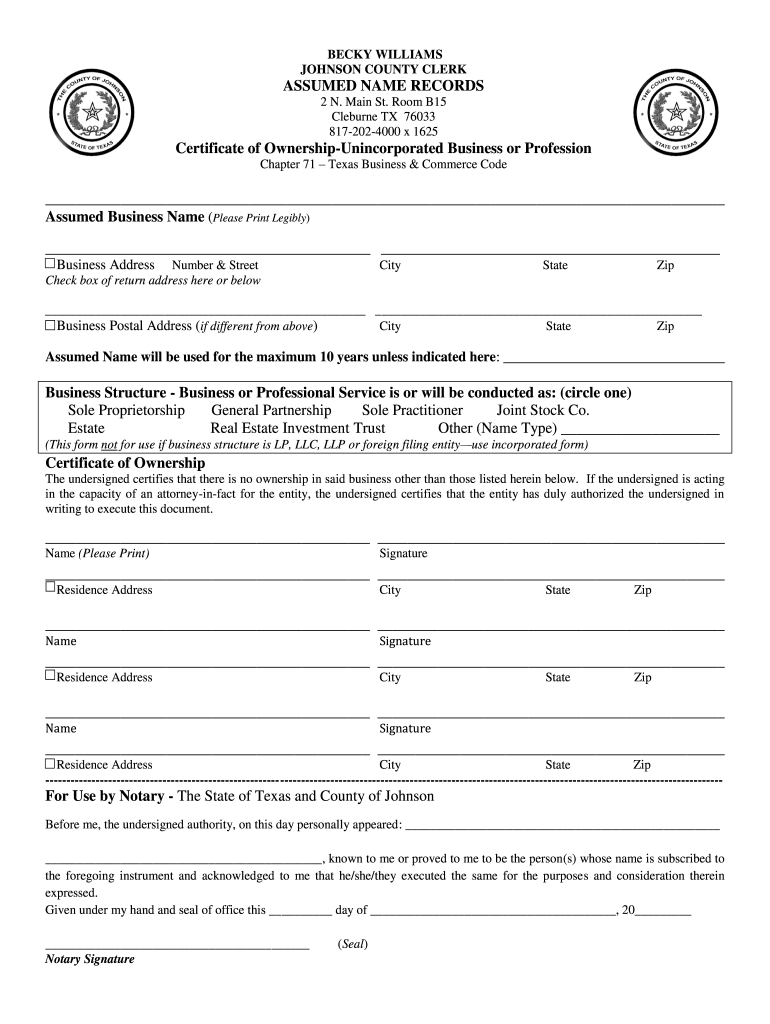
Step 2: Completing the Assumed Name Certificate
The primary document you’ll need to file is the “Assumed Name Certificate.” This form requires specific information about your business, including:

- The Assumed Name (DBA): The name under which you intend to conduct business.
- The Legal Name of the Applicant: This will be your full legal name if you are a sole proprietor or the legal name of your LLC or corporation.
- The Business Structure: Indicate whether you are a sole proprietor, partnership, LLC, or corporation.
- The Address of the Applicant: Your primary business address.
- For Corporations and LLCs: Additional information will be required, such as the Texas Secretary of State’s file number for the entity.
This certificate must be signed by the applicant or an authorized representative.
Step 3: Filing with the Texas Secretary of State
Once the Assumed Name Certificate is completed, it needs to be filed with the Texas Secretary of State. You can typically do this by mail or in person. There is a filing fee associated with this process, which can vary. It’s advisable to check the Texas Secretary of State’s official website for the most current fee schedule and filing instructions. After the filing is approved, the Secretary of State will provide you with a stamped and filed copy of your Assumed Name Certificate, which serves as your official proof of registration.
Step 4: Publication Requirements (If Applicable)
In Texas, unlike some other states, there is generally no mandatory newspaper publication requirement for filing a DBA for sole proprietors or partnerships. However, for corporations and LLCs, there might be specific publication requirements depending on the circumstances. It’s always best to consult the Texas Secretary of State’s guidelines or seek legal counsel to ensure you meet all obligations.
Maintaining Your DBA and Important Considerations
Registering your DBA is not a one-time task; it requires ongoing attention to ensure compliance and continued validity.
Renewal and Amendments
DBAs in Texas do not have a strict expiration date that requires formal renewal like a business license in some jurisdictions. However, the registration is tied to the legal entity it represents. If your legal name changes or if you cease to exist as a sole proprietor or entity, the DBA is no longer valid. If you need to make changes to your DBA, such as changing the assumed name itself or updating your business address, you will typically need to file an “Amendment to Assumed Name Certificate.”
When to File for a New DBA
You would need to file a new DBA under several circumstances:
- Changing Your Business Name: If you decide to change your assumed business name, you must file a new Assumed Name Certificate for the new name and potentially withdraw or let the old one expire.
- Ending Business Operations: If you close your business or stop operating under a DBA, you should formally file to withdraw the assumed name.
- Dissolving the Legal Entity: If you are a sole proprietor and decide to form an LLC or corporation, or if your corporation or LLC is dissolved, the DBA associated with the previous structure becomes void.

Legal and Financial Implications
It’s crucial to remember that a DBA does not provide liability protection. This means that the personal assets of a sole proprietor or partners in a general partnership are still at risk for business debts and lawsuits. For comprehensive liability protection, consider forming an LLC or a corporation. A DBA also affects how you open bank accounts and conduct financial transactions. Ensure all financial institutions are aware of your DBA registration.
For those in the travel and hospitality sector, a well-managed DBA is an integral part of building a reputable brand. From a charming bed and breakfast in Fredericksburg to an adventure tour company exploring the depths of Big Bend National Park, a correctly filed DBA ensures you are operating legally and professionally, allowing you to focus on what truly matters: providing exceptional experiences for your clients. Whether you are planning a grand opening for a new resort or simply want to rebrand your existing freelance services, understanding the DBA process in Texas is a fundamental step towards a successful and compliant business venture.