
The allure of the Lone Star State is undeniable. From the bustling metropolitan hubs of Dallas and Houston to the serene beauty of Big Bend National Park and the vibrant culture of Austin, Texas offers an unparalleled tapestry of experiences. For many, truly embracing the vastness and diversity of this incredible state hinges on one crucial element: the freedom of the open road. Obtaining a driver’s license in Texas isn’t just about legal authorization; it’s about unlocking a world of independent travel, spontaneous adventures, and unforgettable memories. Whether you’re a new resident eager to explore your surroundings, a long-term visitor planning an extensive road trip through the Hill Country, or simply seeking the independence that comes with driving, navigating the application process for a Texas driver’s license is your first step.
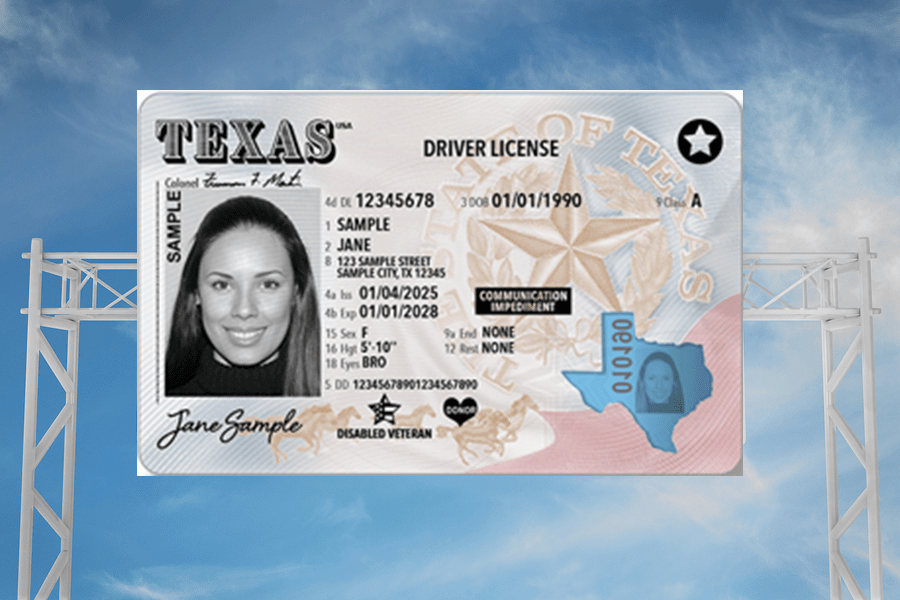
This comprehensive guide will walk you through everything you need to know, from eligibility requirements and necessary documentation to the various tests and crucial tips for success. Imagine the convenience of driving to a charming bed and breakfast in Fredericksburg, the excitement of a family trip to a resort near Galveston on the Gulf Coast, or the practicality of reaching business meetings across different cities. A Texas driver’s license is more than just a card; it’s your personal passport to experience the state on your terms, enhancing your lifestyle, travel opportunities, and overall quality of life within this dynamic region.
Navigating the Open Roads: Why a Texas Driver’s License is Your Ultimate Travel Pass
Texas is not just a state; it’s an experience. Covering nearly 269,000 square miles, it’s the second-largest state in the U.S., boasting diverse landscapes ranging from the pine forests of East Texas to the deserts of the Trans-Pecos, and from the rolling plains of the Panhandle to the beautiful beaches of the Gulf Coast. Relying solely on public transportation can significantly limit your ability to fully immerse yourself in all that Texas has to offer. While major cities like Houston and Dallas have reasonable transit systems, the true gems of the state – its charming small towns, hidden natural wonders, and unique cultural landmarks – are often best accessed by car.
Consider the expansive network of scenic drives, the countless state parks perfect for a weekend camping trip, or the vibrant array of festivals held in towns like Luckenbach or Gruene. Having a Texas driver’s license empowers you to design your own itinerary, linger longer at a picturesque spot, or deviate from the main highway to discover a roadside diner or an antique shop. This independence is invaluable for tourists seeking authentic local experiences, for families planning memorable road trips to attractions like the San Antonio River Walk or the Fort Worth Stockyards, and for business travelers needing efficient and flexible transportation between cities like El Paso and Corpus Christi. Your driver’s license transforms Texas from a series of destinations into a seamless journey, making every mile an opportunity for discovery.
Eligibility and Essential Prerequisites for Your Texas Driver’s License
Before embarking on the application process, it’s crucial to understand the fundamental eligibility requirements set forth by the Texas Department of Public Safety (DPS). These prerequisites ensure that all drivers on Texas roads are properly vetted and meet necessary legal standards.
Understanding Residency and Age Criteria
The first cornerstone of eligibility is establishing residency in Texas. To be considered a Texas resident for driver’s license purposes, you must either reside in the state for at least 30 consecutive days or have moved to Texas with the intention of making it your permanent home. This often means providing documents that show a physical address within the state, such as utility bills, a lease agreement, or mortgage statements. For students attending universities in Texas, proof of enrollment and a local address may suffice. It’s important to note that if you hold an out-of-state driver’s license and become a Texas resident, you must apply for a Texas license within 90 days of establishing residency.
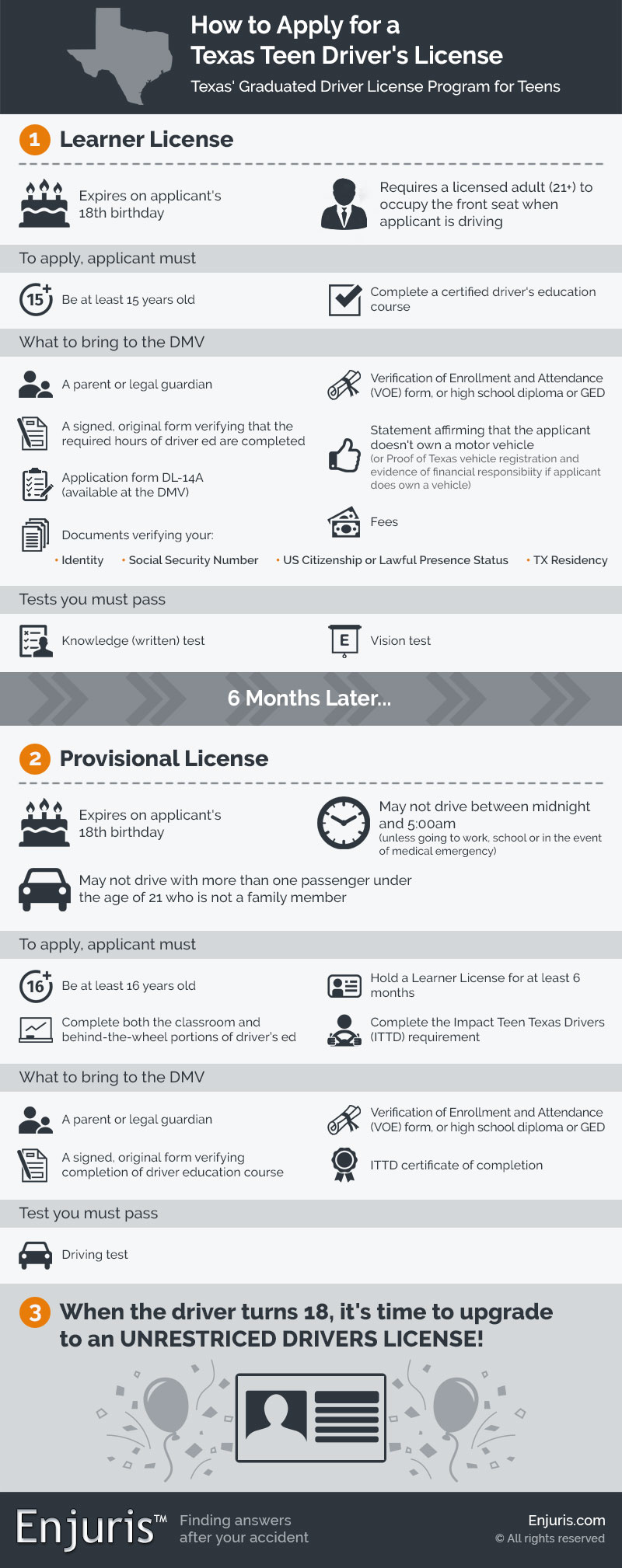
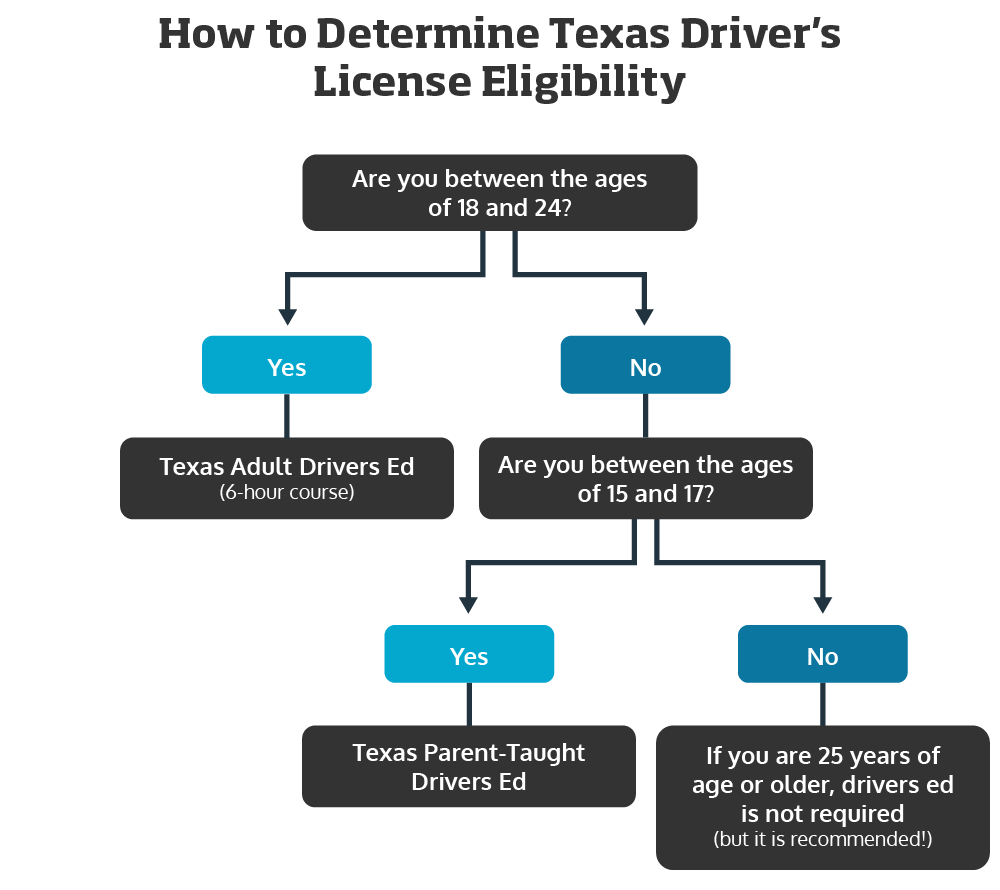
Age requirements also play a significant role. For a standard Class C driver’s license (which allows you to drive non-commercial vehicles), the minimum age is 16. However, applicants between the ages of 15 and 17 must complete a state-approved driver education course and hold an instruction permit for a specific period before they can apply for a provisional license. Adults aged 18 and older are not required to take a driver education course, but they must still pass all required tests. Provisional licenses for minors come with certain restrictions, such as limits on the number of passengers and nighttime driving curfews, designed to promote safe driving habits among new, younger drivers. Understanding these age and residency nuances is vital to ensure a smooth application process.
Gathering Your Documents: The Gateway to Texas Mobility
One of the most critical steps in securing your Texas driver’s license is meticulously gathering all the required documentation. The Department of Public Safety (DPS) is very stringent about proof of identity, residency, and lawful presence. Failing to present the correct documents will inevitably lead to delays or outright rejection of your application. Think of these documents as your essential travel kit, proving your identity and right to drive in the state.
Identity and Lawful Presence Documentation
To prove your identity and your lawful presence in the U.S., you’ll generally need to present two documents from the primary identity list or one from the primary list along with one from the secondary list.
Primary Identity Documents (Examples):
- U.S. Passport or Passport Card
- U.S. Birth Certificate (certified copy)
- U.S. Department of Justice or U.S. Department of State Certificate of Naturalization or Citizenship
- Unexpired foreign passport with a valid U.S. visa and I-94 (for non-U.S. citizens)
- Permanent Resident Card (Green Card)
- Employment Authorization Document (EAD Card, I-766)
Secondary Identity Documents (Examples – must be accompanied by a primary document):
- Original or certified copy of a marriage certificate or divorce decree
- Court order for name change
- Unexpired military ID card
For proof of lawful presence, U.S. citizens typically satisfy this with a U.S. passport or birth certificate. Non-U.S. citizens will need to provide their unexpired foreign passport with a valid U.S. visa and I-94, a Permanent Resident Card, or an Employment Authorization Document. It’s vital that all documents are original or certified copies; photocopies are generally not accepted. This step is about verifying who you are and that you are legally authorized to reside in the United States, which directly impacts your eligibility for a state-issued ID.
Proof of Residency and Social Security Number
Beyond identity and lawful presence, you must also provide clear evidence of your Texas residency and your Social Security Number (SSN).
For proof of Texas residency, you generally need to provide two different documents that show your name and current Texas address. These documents must be dated within 90 days of your application.
Acceptable Proof of Residency Documents (Examples):
- Current Texas vehicle registration or title
- Home mortgage or rental lease agreement
- Utility bills (electricity, water, gas, internet, cable)
- Medical or health card with address
- Selective Service card
- Current insurance policy or card (auto, home, life)
- Bank statement
It’s crucial that these documents clearly display your name and the same Texas residential address you provide on your application.
For your Social Security Number (SSN), you must present your physical Social Security card. If you don’t have the physical card but remember the number, the DPS may be able to verify it electronically. However, it’s always safest to bring the card itself. For those legally residing in the U.S. but not eligible for an SSN, a formal affidavit from the Social Security Administration stating non-eligibility might be required, though this is less common for a standard driver’s license. The SSN is used for identity verification and background checks.
Ensuring you have all these documents ready and correct before your DPS visit will save you significant time and frustration, allowing you to move smoothly towards your goal of driving freely across Texas.
The Application Journey: From Online Prep to Driving Test Success
Once your documents are in order, the actual application process begins. While it involves several steps, approaching it systematically will make it feel less daunting. The journey typically starts with some preliminary online work, culminates in a visit to a DPS office, and involves a series of tests to ensure you’re a capable and safe driver.
The very first step is often to complete the driver’s license application form (Form DDL-14A) online. While you’ll still need to print and sign it, pre-filling it saves time at the DPS office. After completing the form and gathering your documents, it’s highly recommended to schedule an appointment at your nearest DPS office. Walk-ins are often subject to long wait times, especially in bustling areas like Houston or Austin. Utilizing the online appointment system will streamline your visit.
Upon arrival at the DPS office, you will:
- Present your documents: A DPS representative will review all your paperwork to ensure it meets the requirements.
- Pay the application fee: The fee for a Class C driver’s license in Texas is typically around $25 for adults, but it’s always wise to check the current fees on the official DPS website.
- Provide fingerprints and a photograph: These are standard security measures.
- Take a vision test: You’ll need to demonstrate adequate eyesight, usually with or without corrective lenses, to ensure you can safely operate a vehicle. If you wear glasses or contacts, make sure to bring them.
After these initial steps, you will proceed to the knowledge and driving skills tests.
Mastering the Knowledge and Skills Tests
The heart of the application process lies in demonstrating your understanding of traffic laws and your ability to safely drive.
The Written Knowledge Test:
This test assesses your knowledge of Texas traffic laws, road signs, and safe driving practices. It typically consists of multiple-choice questions. To prepare effectively, you should thoroughly study the Texas Driver Handbook. This handbook is available for free online on the DPS website and covers everything from basic rules of the road to specific laws regarding intoxication and vehicle equipment. Many online practice tests are also available, which can be invaluable for familiarizing yourself with the format and types of questions. Passing this test is non-negotiable for obtaining your license.
The Driving Skills Test (Road Test):
This is where you put your practical driving abilities to the test. You’ll need to provide a vehicle for the test that is properly registered, insured, and in safe working condition (e.g., working lights, brakes, horn, turn signals). The vehicle must pass a brief safety inspection before the test begins. A licensed driver must accompany you to the DPS office if you do not yet possess a valid license.
During the driving test, a DPS examiner will evaluate your ability to:
- Control the vehicle (e.g., steering, braking, accelerating smoothly).
- Follow traffic laws (e.g., obeying stop signs, traffic lights, speed limits).
- Perform specific maneuvers (e.g., parallel parking, three-point turns, lane changes).
- Observe traffic (e.g., checking mirrors, blind spots, yielding to pedestrians).
- Respond safely to various driving situations.
The examiner will provide clear instructions throughout the test. Remain calm, focused, and demonstrate confidence in your driving skills. Minor errors might be acceptable, but critical errors that pose a safety risk will result in an immediate failure. If you pass both tests, you will be issued a temporary driver’s license, and your permanent license will be mailed to you within a few weeks. If you fail, you’ll be given instructions on when and how you can re-take the test, usually after a waiting period.
Embracing Your Newfound Freedom: Exploring Texas with Confidence
Once you successfully complete all the steps and hold that shiny new Texas driver’s license in your hand, a whole new world of opportunities unfolds. This isn’t just a legal document; it’s a key to unparalleled freedom and the gateway to experiencing the true spirit of the Lone Star State. No longer bound by bus schedules or ride-sharing apps, you can now curate your own adventures, from spontaneous day trips to meticulously planned cross-state explorations.
Imagine the thrill of a weekend getaway to the Hill Country to sample local wines, staying at a charming boutique hotel, and visiting historic towns at your leisure. Or perhaps a family vacation to the Gulf Coast, where your driver’s license allows you to easily hop between beaches, seafood shacks, and vibrant coastal resorts. For those interested in history and culture, driving allows you to trace the footsteps of legends in places like the Alamo in San Antonio or explore the impressive museums and art districts of Houston and Dallas without worrying about parking or public transport complexities.
Your Texas driver’s license profoundly enhances your lifestyle. For luxury travelers, it means seamless access to exclusive resorts and high-end dining experiences outside major urban centers. For budget travelers, it opens up opportunities for affordable accommodations in less central locations and the freedom to explore free attractions and scenic routes. Families can enjoy the convenience of packing everything they need for a trip, from baby gear to picnic baskets, and stopping whenever and wherever they please. Even for business stays, the ability to drive yourself to meetings across sprawling cities like Fort Worth or to client sites in suburban areas offers an invaluable level of flexibility and professionalism.
From the desert landscapes of El Paso to the lively music scene of Austin, from the maritime wonders of Corpus Christi to the cowboy heritage of Bandera, Texas is a state meant to be explored by road. Your driver’s license is more than just a permit; it’s an invitation to experience the vastness, beauty, and unique charm of Texas on your own terms. So, study hard, prepare well, and get ready to hit the road – your Lone Star adventure awaits!
LifeOutOfTheBox is a participant in the Amazon Services LLC Associates Program, an affiliate advertising program designed to provide a means for sites to earn advertising fees by advertising and linking to Amazon.com. Amazon, the Amazon logo, AmazonSupply, and the AmazonSupply logo are trademarks of Amazon.com, Inc. or its affiliates. As an Amazon Associate we earn affiliate commissions from qualifying purchases.