
Understanding the Florida Resale Certificate in a Lifestyle Business Context
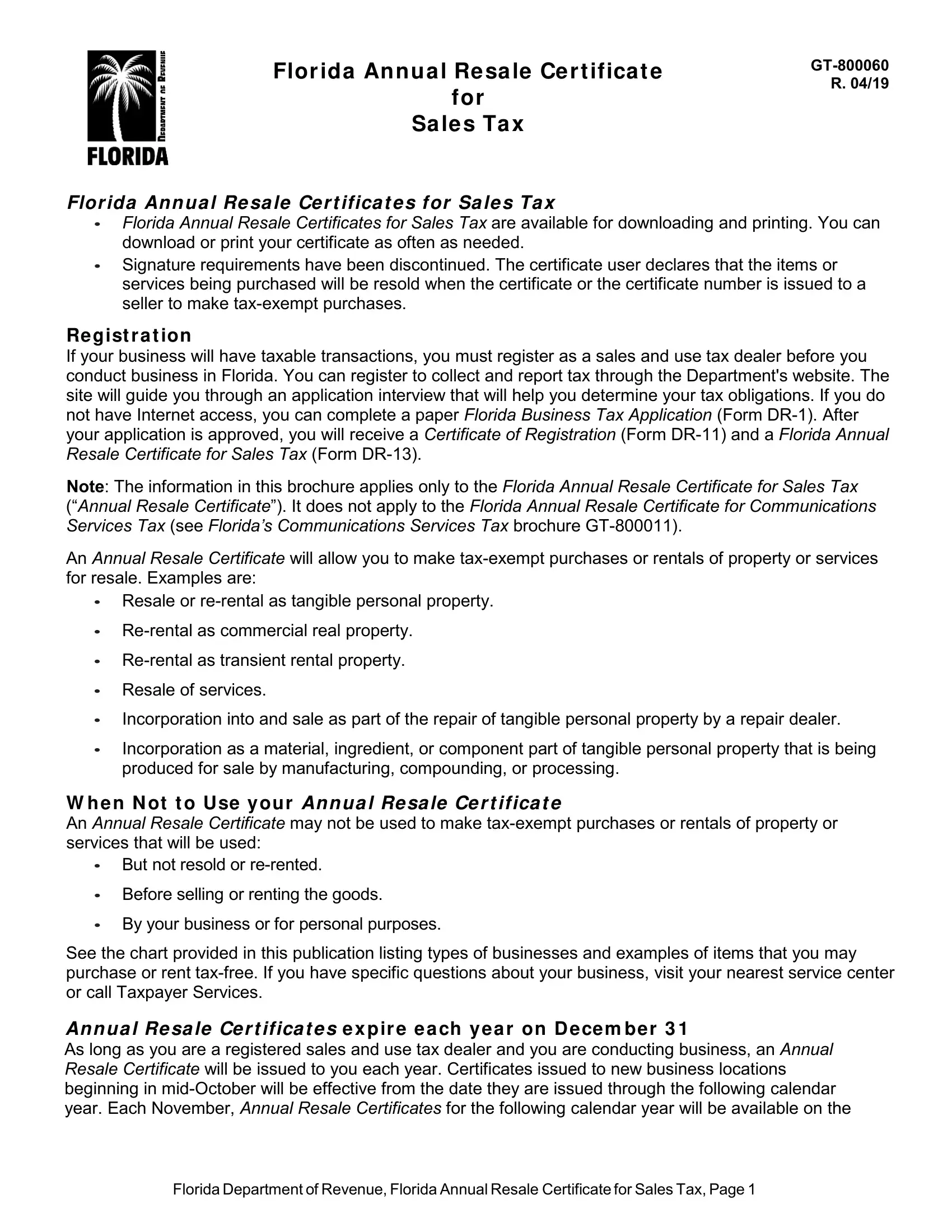
For many individuals embracing a “life out of the box,” the allure of entrepreneurship in a vibrant state like Florida is undeniable. Whether you dream of opening a small beachside boutique, managing unique vacation rentals, or selling artisanal goods at local markets, understanding the legal and financial landscape is paramount. A Florida Resale Certificate, also known as an Annual Resale Certificate for Sales Tax, is an indispensable tool for these lifestyle entrepreneurs. It allows businesses to purchase items for resale without paying sales tax on those purchases, streamlining operations and improving profit margins crucial for sustainable growth. This certificate is not merely a bureaucratic hurdle; it’s a strategic asset for anyone aiming to weave their passion into a profitable venture within the Sunshine State.
Who Needs a Resale Certificate for Their Florida Lifestyle Business?
If your business model in Florida involves acquiring tangible personal property or services that you intend to resell, lease, or rent in the same form (or as an integral component of another item you sell), you likely need a resale certificate. This applies to a broad spectrum of lifestyle businesses. Consider the artisan who buys raw materials to create unique jewelry for tourists, the curator of a quirky gift shop stocking local souvenirs, or the proprietor of a bed and breakfast who offers branded merchandise. Even those operating certain types of vacation rentals might find it applicable for specific purchases related to amenities they provide and resell. The key is the intent to resell. Without this certificate, you would incur sales tax on your initial purchases, effectively paying tax twice – once when you buy, and again when your customer buys from you. This double taxation can significantly erode the narrow margins common in small, independent lifestyle businesses.
The Financial Advantage for Lifestyle Entrepreneurs
The most direct benefit of securing a Florida Resale Certificate is the financial advantage it provides. By eliminating sales tax on inventory and other items purchased for resale, businesses can significantly reduce their operating costs. For a small business, where every dollar counts, this can translate into more capital for marketing, inventory expansion, or even personal income, supporting the very lifestyle the entrepreneur is striving for. Imagine a small gallery owner in Miami purchasing frames and prints without the added 7% sales tax; these savings accumulate rapidly. This efficiency allows lifestyle entrepreneurs to price their products more competitively, attract more customers, and ultimately enhance the profitability and longevity of their ventures in Florida’s bustling market. It empowers them to invest back into their passion, fostering growth and expanding their unique footprint.
Step-by-Step Application Process for Florida-Based Businesses
Navigating government processes can seem daunting, but securing your Florida Resale Certificate is a straightforward process once you know the steps. The Florida Department of Revenue oversees the application, and their online portal is designed to simplify the procedure. Preparing in advance will save you time and ensure a smooth application. This certificate is crucial for legitimizing your entrepreneurial endeavor and ensuring compliance with state tax laws from the outset.
Pre-Application Checklist: What You Need
Before you begin the online application, gather the following essential information and documents. Having these at hand will prevent delays and ensure accuracy:
- Federal Employer Identification Number (FEIN): If you operate as a corporation, partnership, or any entity other than a sole proprietorship with no employees, you will need an FEIN from the IRS. Sole proprietors without employees can use their Social Security Number (SSN).
- Business Legal Name and Trade Name (if applicable): Your officially registered business name and any “doing business as” (DBA) names.
- Business Address and Mailing Address: The physical location of your business and where you wish to receive correspondence.
- Contact Information: Your phone number and email address.
- Business Activity Code (NAICS or SIC): These codes classify your business type. You can usually find the appropriate code by searching online for your specific industry.
- Estimated Annual Sales: An estimate of your total taxable sales for the year.
- Start Date of Business Operations: The date your business began or is expected to begin sales in Florida.
- Sales Tax Registration: Before applying for a resale certificate, your business must be registered for sales tax with the Florida Department of Revenue and have a sales tax account number. This is often done simultaneously or as a prerequisite.
Ensuring all details are accurate and readily available will make the subsequent steps significantly easier, allowing you to focus on the creative and operational aspects of your lifestyle business.
Navigating the Florida Department of Revenue Website
The application for a Florida Resale Certificate is typically completed online through the official Florida Department of Revenue website.
- Access the Website: Go to the official Florida Department of Revenue website. Look for sections related to “Sales and Use Tax” or “Business Registration.”
- Log In or Register: If you already have a sales tax account, log in using your credentials. If you are new, you may need to register for a sales tax account first, which includes setting up your online access.
- Locate the Resale Certificate Application: Within your account or the general business services section, search for “Apply for a Resale Certificate” or “Annual Resale Certificate.”
- Complete the Form: Fill out the online application with the information you gathered in your pre-application checklist. Be meticulous with details, especially your sales tax registration number.
- Review and Submit: Before finalizing, carefully review all entered information for accuracy. Any discrepancies could lead to delays. Once confident, submit your application.
- Receive Your Certificate: If approved, your Annual Resale Certificate will typically be issued electronically and can be printed directly from the website. It is usually valid for one year and must be renewed annually.
The online system is generally user-friendly, providing prompts and explanations along the way. If you encounter any difficulties, the Florida Department of Revenue offers customer support via phone and online resources.
Common Pitfalls and How to Avoid Them
Even with a streamlined process, common mistakes can cause delays or issues for aspiring lifestyle entrepreneurs:
- Incorrect Business Information: Ensure your business name, address, and FEIN/SSN match your official records exactly. Small discrepancies can flag your application.
- Forgetting to Renew: The Florida Resale Certificate is an annual certificate. Missing the renewal deadline means you might temporarily lose your tax-exempt purchasing status, leading to unnecessary sales tax payments. Set reminders well in advance of the December 31st expiration date.
- Misuse of the Certificate: Only use the certificate for items you genuinely intend to resell. Using it for personal purchases or items consumed by the business (e.g., office supplies not for resale) is a misuse and can lead to penalties.
- Lack of Sales Tax Registration: You must be registered for Florida sales tax before you can apply for a resale certificate. This is a foundational step many new businesses overlook.
- Not Keeping Records: Always keep detailed records of purchases made using your resale certificate, including invoices from your suppliers. This documentation is crucial for audits and proving compliance.
By being diligent and informed, you can easily navigate the application process and avoid these common pitfalls, securing your certificate and focusing on your lifestyle business.
Maintaining Compliance and Maximizing Your Lifestyle Business Benefits
Obtaining your Florida Resale Certificate is just the beginning. To truly maximize its benefits and ensure the longevity of your lifestyle business, ongoing compliance and smart management are essential. This involves understanding the proper usage, meticulous record-keeping, and staying informed about sales tax implications as your business evolves. For the independent entrepreneur, maintaining good standing with the Florida Department of Revenue means peace of mind and fewer distractions from their passion.
Proper Use of Your Resale Certificate
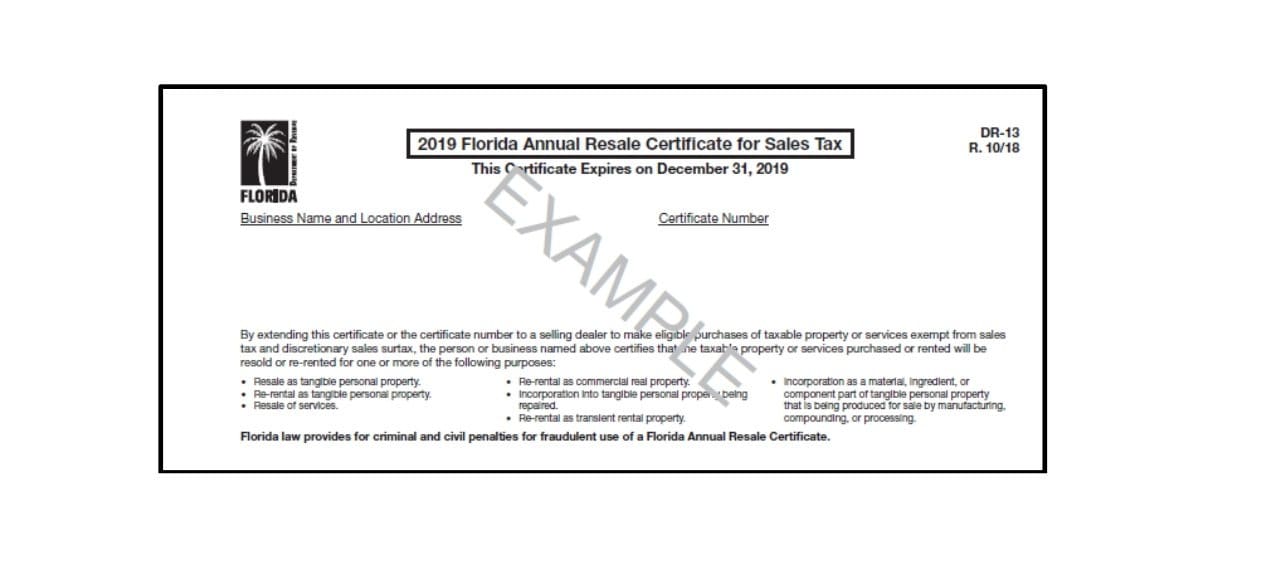
The Florida Resale Certificate is a powerful tool, but its use is strictly defined. It allows you to purchase items intended for resale tax-exempt. This means:
- Inventory Purchases: Goods you buy from a wholesale supplier to sell to your customers.
- Components of a Product: Materials that become a physical part of an item you manufacture and sell (e.g., fabric for custom apparel, ingredients for baked goods sold at a farmers market).
- Items for Lease or Rental: If your lifestyle business involves renting out property or equipment, you can use the certificate to purchase those items tax-exempt.
Crucially, the certificate cannot be used for:
- Personal Purchases: Any item not strictly for your business.
- Items for Business Consumption: Office supplies, cleaning products, furniture for your office, or tools used in production (unless the tools themselves are resold). These are business expenses, but not for resale, and thus sales tax applies.
- Capital Improvements: Items that become permanent fixtures of real property.
Understanding these distinctions is vital to avoid penalties and maintain your integrity as a responsible business owner in Florida.
Record-Keeping Essentials for Florida Businesses
Diligent record-keeping is not just good practice; it’s a legal requirement. For every transaction where you use your Florida Resale Certificate, you must keep comprehensive records. These include:
- Invoices from Suppliers: These should clearly show the items purchased, the seller’s name, and that no sales tax was charged due to the resale exemption.
- Copies of Your Resale Certificate: Keep an accessible copy to present to suppliers.
- Sales Records: Document your sales of the items you purchased tax-exempt. This includes sales receipts, point-of-sale data, and any other evidence of taxable sales.
The Florida Department of Revenue requires businesses to retain these records for a specified period (typically several years) for audit purposes. Good record-keeping not only ensures compliance but also provides valuable insights into your business’s financial health, helping you make informed decisions for growth.
Expanding Your Business and Sales Tax Implications
As your Florida lifestyle business grows, its sales tax obligations might evolve.
- New Product Lines: If you introduce new products or services, re-evaluate whether your existing resale certificate covers the purchases of new inventory.
- Online Sales: Selling products online, especially outside of Florida or the United States, introduces complexities around nexus and sales tax collection in other jurisdictions. While your Florida Resale Certificate is specific to Florida purchases, understanding your broader sales tax obligations is critical.
- Physical Expansion: Opening new locations or participating in temporary events (like art festivals or pop-up shops) might require additional permits or adjustments to your sales tax registration.
Proactively seeking advice from a tax professional specializing in Florida sales tax can help you navigate these complexities and ensure your expanding lifestyle business remains fully compliant and profitable.
Beyond the Certificate: Growing Your Florida Lifestyle Enterprise
The Florida Resale Certificate is a foundational element, but the true essence of a thriving lifestyle business lies in strategic growth and community engagement. For those living out of the box, entrepreneurship in Florida offers unparalleled opportunities to blend passion with commerce, especially within its diverse markets.
Leveraging Local Resources and Networks
Florida’s entrepreneurial ecosystem is rich with resources designed to support small businesses and independent operators.
- Chambers of Commerce: Local Chambers of Commerce across cities like Orlando, Tampa, and Jacksonville offer networking events, workshops, and mentorship programs that can connect you with fellow entrepreneurs and potential customers.
- Small Business Development Centers (SBDCs): Florida SBDCs provide free or low-cost consulting, training, and business resources, which are invaluable for navigating everything from marketing strategies to financial planning.
- Community Markets and Festivals: Participating in local farmers markets, art festivals, and craft fairs is an excellent way to showcase your products, gather feedback, and build a loyal customer base directly within the community. These events are often central to the lifestyle of many Florida entrepreneurs.
- Online Communities: Engaging with Florida-specific business groups on social media platforms can provide support, advice, and collaboration opportunities.
By actively engaging with these local resources, you can not only find solutions to business challenges but also build a supportive network that understands the unique aspects of running a lifestyle enterprise in Florida.

Embracing the Florida Market for Niche Products
Florida’s diverse population and thriving tourism industry create fertile ground for niche products and services that resonate with a particular lifestyle.
- Targeting Tourists: Consider products unique to Florida culture, such as local artisan crafts, beach-themed apparel, or locally sourced gourmet foods. Tourists are often seeking memorable and authentic experiences, offering a prime market for lifestyle businesses.
- Serving Specific Communities: Florida is home to various communities, from retirees seeking comfort and convenience to young families looking for unique recreational items. Tailoring your offerings to specific demographics can lead to strong customer loyalty.
- Digital Nomads and Remote Workers: As a hub for digital nomads, Florida presents opportunities for businesses catering to this mobile workforce, whether through specialized co-working spaces, tech accessories, or services that enhance their remote work lifestyle.
- Sustainable and Ethical Products: With a growing emphasis on environmental consciousness, businesses offering sustainable, eco-friendly, or ethically sourced products can tap into a dedicated consumer base.
The Florida Resale Certificate is a critical component of setting up and profitably running your lifestyle business. However, true success comes from a combination of legal compliance, strategic community engagement, and a deep understanding of the unique market dynamics that make Florida an ideal place for those who choose to live and work “out of the box.”
LifeOutOfTheBox is a participant in the Amazon Services LLC Associates Program, an affiliate advertising program designed to provide a means for sites to earn advertising fees by advertising and linking to Amazon.com. Amazon, the Amazon logo, AmazonSupply, and the AmazonSupply logo are trademarks of Amazon.com, Inc. or its affiliates. As an Amazon Associate we earn affiliate commissions from qualifying purchases.