
Applying for CHIP in Texas is a streamlined process designed to provide essential healthcare coverage for children in families who may not qualify for Medicaid. The Children’s Health Insurance Program (CHIP) offers a vital safety net, ensuring that young Texans have access to necessary medical, dental, and vision services. Understanding the eligibility requirements and the application steps is crucial for families seeking this valuable resource. This guide aims to demystify the application process, offering clear, actionable advice for residents of the Lone Star State.
Understanding CHIP Eligibility in Texas
Before embarking on the application journey, it’s essential to grasp the fundamental eligibility criteria for CHIP in Texas. Eligibility is primarily determined by a family’s household income relative to the Federal Poverty Level (FPL). The specific income thresholds can vary, and Texas has a unique approach to determining eligibility, often creating different “medically needy” categories.
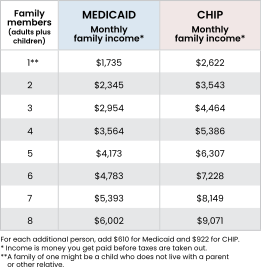
Income Guidelines
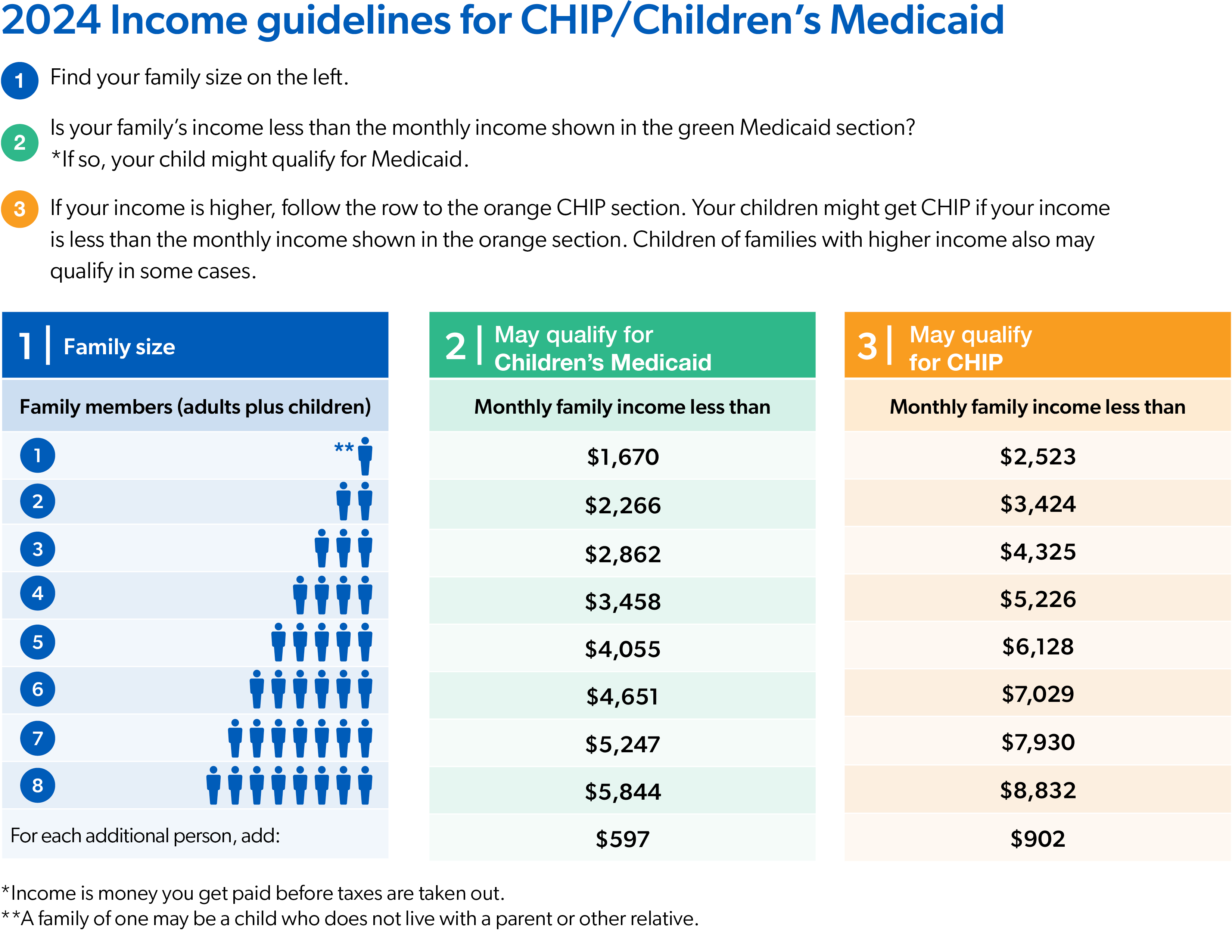
The core of CHIP eligibility in Texas revolves around income. Generally, families with incomes above the Medicaid limits but below a certain percentage of the FPL may qualify for CHIP. It’s important to note that Texas categorizes children into different groups based on income, which can affect the exact coverage and any potential co-pays or premiums. For instance, children in families with higher incomes within the CHIP range might have a small monthly premium and co-pays for services. Conversely, children from lower-income families within the CHIP eligibility band may receive coverage with no monthly premiums and minimal co-pays. The state regularly updates these guidelines, so referring to the official Texas Health and Human Services website or contacting them directly is recommended for the most current figures.
Citizenship and Residency Requirements
To be eligible for CHIP in Texas, the child must meet certain citizenship and residency requirements. The child must be a U.S. citizen or a qualified non-citizen. Qualified non-citizens typically include lawful permanent residents (green card holders), refugees, asylees, and other individuals with specific immigration statuses. The child must also be a resident of Texas, meaning they live in the state with the intention of remaining here indefinitely. This generally requires establishing a physical presence in Texas and demonstrating a commitment to residing there.
Age Limits
CHIP in Texas is designed for children, and there are age limits associated with the program. Typically, the program covers children from birth up to age 18. However, there are specific exceptions and pathways for older children or young adults in certain circumstances, such as those with disabilities or specific medical needs, who may continue to receive coverage beyond the standard age limits under different programs administered by Texas Health and Human Services.
Household Composition and Deductions
The size of the household and the number of children are significant factors in determining eligibility. The state will consider all individuals living in the household and financially contributing to it. Certain deductions may be applied to gross income before calculating eligibility. These can include deductions for taxes, work-related expenses, and other approved allowances. Understanding how these deductions can impact the final income calculation is crucial for a successful application. Families are encouraged to gather all relevant documentation to accurately represent their household situation.
Gathering Necessary Documentation
A successful CHIP application hinges on providing accurate and complete documentation. The state requires proof of identity, residency, income, and other relevant information to verify eligibility. Proactive gathering of these documents will significantly expedite the process and minimize potential delays.
Proof of Identity and Citizenship
For each child applying for CHIP, you will need to provide proof of identity and citizenship or immigration status. Accepted forms of identification can include:
- Birth Certificate: A certified copy of the child’s birth certificate is a primary document.
- Social Security Card: The child’s Social Security card is also usually required.
- Immigration Documents: For qualified non-citizens, documents such as a Permanent Resident Card (Green Card), Refugee Travel Document, or other relevant immigration papers will be necessary.
Proof of Income
Verifying household income is a critical step in the CHIP application. You will need to provide documentation that reflects your income for a specified period (often the past 30 days or the previous year). Acceptable income documentation may include:
- Pay Stubs: Recent pay stubs from all working household members.
- Employer Letter: A letter from an employer detailing wages, hours worked, and employment dates.
- Tax Returns: Copies of your most recent federal income tax returns.
- Self-Employment Records: If you are self-employed, documentation such as profit and loss statements, invoices, and bank statements may be required.
- Other Income Sources: Documentation for any other sources of income, such as unemployment benefits, Social Security benefits, disability payments, child support, or alimony.
Proof of Residency
You will need to demonstrate that the child resides in Texas. This can be proven with documents such as:
- Utility Bills: Recent bills for electricity, gas, or water in your name, showing your Texas address.
- Lease Agreement or Mortgage Statement: A current lease agreement or mortgage statement for your Texas residence.
- School Records: Enrollment records from a Texas school.
Other Potential Documents
Depending on your specific circumstances, additional documents might be requested. These could include:
- Proof of Pregnancy: If applying for CHIP perinatal coverage for an unborn child, a doctor’s confirmation of pregnancy may be needed.
- Court Orders: For child support or custody arrangements.
- Disability Documents: If the child has a disability, relevant medical documentation may be relevant for certain eligibility pathways.
It is always advisable to have original or certified copies of documents, as photocopies may not always be accepted. Keep digital copies as well for easy submission.
Application Methods for CHIP in Texas
Texas provides multiple convenient avenues for families to apply for CHIP. Choosing the method that best suits your needs and technological comfort level is key to a smooth application experience. The state emphasizes accessibility and offers both online and offline options.
Online Application
The most efficient and often preferred method for applying for CHIP is through the official Texas Health and Human Services online portal, Your Texas Benefits. This platform allows you to:
- Create an Account: Set up a secure account to manage your application and access program information.
- Fill Out the Application: Complete the application form electronically, answer all questions accurately, and upload supporting documents.
- Track Your Application Status: Monitor the progress of your application in real-time.
- Receive Notifications: Get updates and communications regarding your application.
The online system is designed to be user-friendly, guiding you through each step. It’s crucial to ensure you have a stable internet connection and all your gathered documents readily available before starting.
Paper Application
For those who prefer a paper-based approach or lack consistent internet access, a downloadable application form is available on the Texas Health and Human Services website. You can also request a paper application by phone or mail. Once completed, the paper application can be submitted through several channels:
- Mail: Send the completed application and copies of your documents to the designated Texas Health and Human Services processing center. The address will be provided on the application form or website.
- In Person: Visit a local Texas Health and Human Services office. Many offices offer application assistance.
- Fax: Some offices may accept faxed applications, but it’s best to confirm this with the specific office.
When submitting a paper application, always make copies of all submitted documents for your records.
Application Assistance
Recognizing that the application process can sometimes be complex, Texas offers various resources for assistance. If you encounter difficulties or have questions, you can:
- Call the Health and Human Services (HHS) Hotline: Dial 2-1-1 or 1-877-541-7905 for general assistance with CHIP and other health and human services programs. You can speak with a representative who can guide you through the application or answer specific questions.
- Visit a Local HHS Office: Many Texas Health and Human Services offices provide in-person assistance with applications. You can find your nearest office on the Texas Health and Human Services website.
- Community Partners: Various community-based organizations and non-profits throughout Texas are trained to help families with their CHIP applications. These partners can offer personalized support and help navigate the system.
After You Apply: What to Expect
Once your CHIP application has been submitted, a review process will commence. Understanding what happens next will help manage expectations and ensure you are prepared for subsequent steps.
Application Review and Decision
The Texas Health and Human Services will meticulously review your application and the supporting documentation. They will verify the information provided to determine your eligibility based on the established criteria. This review process can take several weeks, depending on the volume of applications and the complexity of your case. You will be notified of the decision in writing. If your application is approved, the notice will detail your coverage, including any co-pays or premiums, and provide information on how to access services. If your application is denied, the notice will explain the reasons for denial and outline your options for appeal.
Enrollment and Coverage Start Date
If your child is approved for CHIP, you will receive information about enrolling in a specific CHIP plan. Texas offers different CHIP programs, such as CHIP Perinate, CHIP Standard, and CHIP Premium Assistance. You may have the option to choose a health plan based on your preferences and the providers available in your area. The notification will specify the date your coverage will begin, ensuring there is no gap in care.
Ongoing Responsibilities
Maintaining CHIP coverage requires ongoing responsibilities from the family. It’s essential to stay informed about these requirements to ensure continuous access to healthcare.
- Reporting Changes: You must report any changes in your household income, family size, or address to Texas Health and Human Services promptly. Failure to do so can affect your eligibility or result in incorrect benefits.
- Renewing Coverage: CHIP coverage is typically for a 12-month period. Before your current coverage expires, you will receive a renewal packet. It is crucial to complete and submit the renewal application with updated information and documentation to avoid a lapse in coverage.
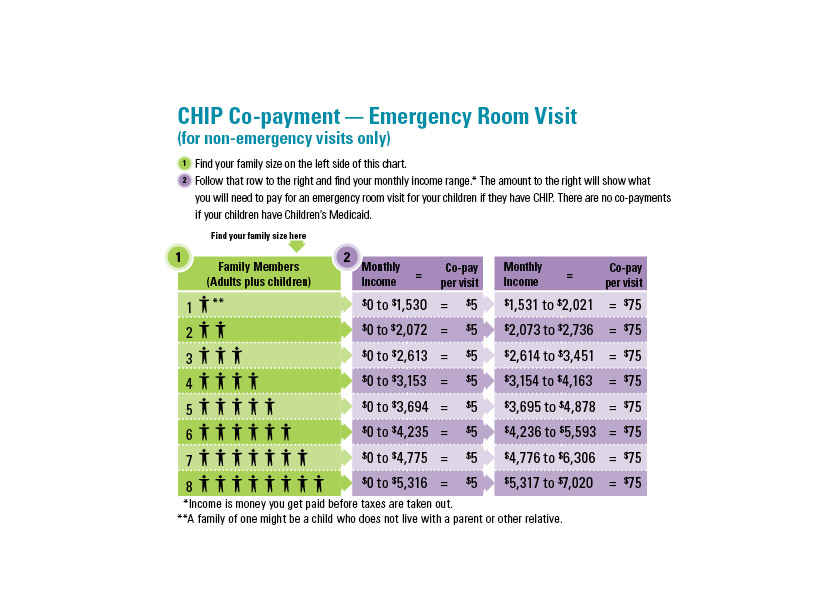
- Paying Premiums and Co-pays: If your CHIP plan includes premiums or co-pays, ensure these are paid on time as instructed by the program.
By diligently following these steps and staying proactive, families in Texas can successfully secure vital healthcare coverage for their children through the CHIP program.
LifeOutOfTheBox is a participant in the Amazon Services LLC Associates Program, an affiliate advertising program designed to provide a means for sites to earn advertising fees by advertising and linking to Amazon.com. Amazon, the Amazon logo, AmazonSupply, and the AmazonSupply logo are trademarks of Amazon.com, Inc. or its affiliates. As an Amazon Associate we earn affiliate commissions from qualifying purchases.