
Navigating life’s journey can sometimes present unexpected detours, and for those facing disabilities, understanding the pathways to support is crucial. While our platform typically guides you through exciting destinations, luxurious accommodations, and enriching travel experiences, we recognize that a secure foundation is essential for a fulfilling lifestyle, whether you’re planning a trip or settling down. For residents or prospective residents of the Sunshine State, learning how to apply for disability in Florida is a vital step towards ensuring financial stability and access to necessary resources, ultimately enhancing your ability to enjoy all that Florida has to offer.
Florida is renowned for its vibrant culture, stunning beaches, and an array of attractions, making it a popular destination for both tourism and permanent residency. Many are drawn to its warm climate, diverse communities, and perceived quality of life. For individuals living with disabilities, securing federal assistance through programs like Social Security Disability Insurance (SSDI) or Supplemental Security Income (SSI) can provide the financial bedrock needed to sustain a comfortable existence, explore local landmarks, and even plan accessible travel adventures within or beyond the state. This guide will walk you through the essential steps and considerations for applying for disability benefits in Florida, framed within the broader context of creating a sustainable and enjoyable lifestyle.
Understanding Disability Benefits in the Sunshine State: Your Foundation for a Fulfilling Lifestyle
Before embarking on the application journey, it’s essential to understand the two primary federal programs available to individuals with disabilities: Social Security Disability Insurance (SSDI) and Supplemental Security Income (SSI). While both are administered by the Social Security Administration (SSA), they serve different purposes and have distinct eligibility criteria. Grasping these differences is the first step in preparing for your application, much like understanding the nuances of various hotel suites before booking your ideal stay.
Social Security Disability Insurance (SSDI)
SSDI is a benefit program for those who have worked a certain number of years and paid Social Security taxes on their earnings. Think of it as an insurance policy you’ve been contributing to throughout your working life. To qualify, you must have a medical condition that meets the SSA’s definition of disability, which generally means you cannot engage in substantial gainful activity due to a severe medical impairment that is expected to last for at least one year or result in death. Your eligibility for SSDI is tied to your work history and the credits you’ve accumulated. This often means that individuals who have had a consistent career, perhaps in the travel industry, hospitality management, or any other field, and then become disabled, would typically apply for SSDI. The benefits can be a crucial lifeline, allowing recipients to maintain a certain standard of living, potentially enabling them to stay in their preferred accommodations or even continue to engage in local tourism activities, such as visiting museums or accessible parks, that enrich their daily life in Florida.

Supplemental Security Income (SSI)
SSI, on the other hand, is a needs-based program designed to provide financial assistance to disabled adults and children who have limited income and resources, regardless of their work history. It acts as a safety net for those who haven’t worked enough to qualify for SSDI or whose benefits are insufficient. Eligibility for SSI is not based on past work, but rather on financial need. This program can be particularly vital for individuals who have never been able to work due to a lifelong disability or those whose earnings were too low to accrue sufficient work credits. For many in Florida, SSI can make the difference between struggling to meet basic needs and having the means to cover essential living expenses, including modest apartments or shared living spaces, allowing them to participate more fully in community life and access local resources without undue financial strain. Both programs aim to provide a stable foundation, enabling individuals to focus on their well-being and, when possible, enjoy the enriching experiences that Florida offers.
Navigating the Application Process: Your Guide to Support in Florida
Applying for disability benefits can seem like a daunting journey, akin to planning a complex international trip. However, with a clear understanding of the steps and required documentation, you can navigate the process more smoothly. Whether you’re in Miami, Orlando, Tampa, or a smaller community, the federal process remains consistent.
Step-by-Step Application Process
The Social Security Administration offers several convenient ways to apply, ensuring accessibility for all applicants, much like various booking platforms cater to different preferences for accommodation.
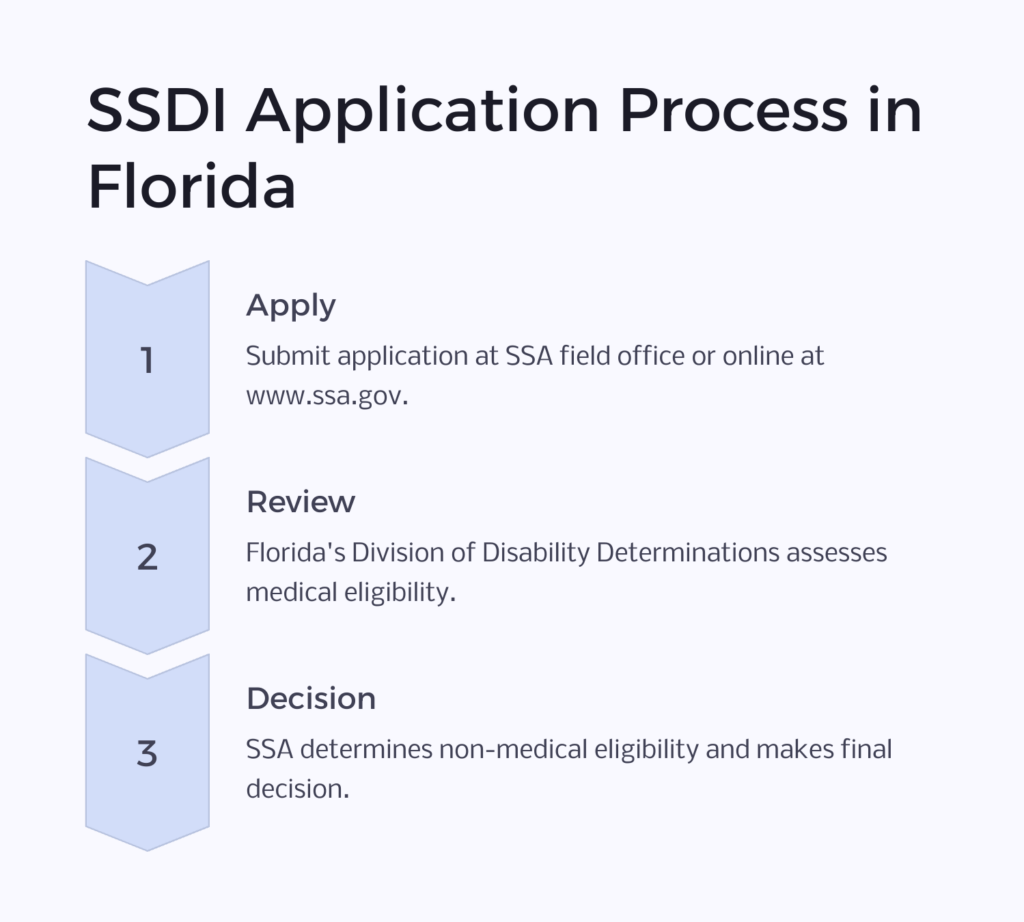
- Online Application: For SSDI, the most common and often quickest method is to apply online through the SSA’s official website. This platform allows you to complete the application at your own pace, providing necessary medical and work history details. While SSI applications cannot be completed entirely online, you can begin the process by completing the disability report online.
- Telephone Application: You can call the SSA’s toll-free number to schedule an appointment for an interview to complete your application over the phone. This method can be helpful for those who prefer verbal communication or need assistance navigating the forms.
- In-Person Application: If you prefer face-to-face interaction or need personalized assistance, you can visit a local SSA office. In major Florida cities like Jacksonville, Tallahassee, or Fort Lauderdale, you’ll find numerous offices ready to assist. It’s advisable to call ahead to schedule an appointment to minimize waiting times, similar to reserving a table at a popular restaurant in South Beach.

Essential Documentation and Information
Preparing your documents beforehand can significantly streamline the application process. Think of this as packing your essential travel documents; you wouldn’t embark on a journey without your passport and tickets.
- Personal Information: Your Social Security number, birth certificate, and proof of U.S. citizenship or legal alien status.
- Medical Records: This is arguably the most critical component. Gather all available medical records, including doctors’ reports, hospitalizations, laboratory and test results, therapy notes, and medication lists. The more comprehensive and recent your medical evidence, the stronger your case. If you’ve been seen by specialists in specific Florida medical centers, ensure their reports are included.
- Work History: A detailed list of the jobs you’ve held in the past 15 years, including job descriptions, dates of employment, and earnings. This is particularly crucial for SSDI applicants.
- Financial Information: For SSI applicants, you’ll need to provide details about your income, resources (bank accounts, property, etc.), and living arrangements.
- Education and Training: Information about your schooling and any vocational training.
The SSA will review all submitted documentation and may require you to undergo additional medical examinations with doctors they select. This comprehensive review ensures they have a complete picture of your condition and its impact on your ability to work and live independently.
Enhancing Your Lifestyle: The Impact of Disability Benefits in Florida
Securing disability benefits in Florida extends beyond mere financial relief; it can significantly enhance your quality of life, opening doors to greater independence, improved health, and even the ability to enjoy some of the state’s most cherished experiences. For many, these benefits transform the struggle for basic needs into an opportunity for a more fulfilling lifestyle.
Financial Stability and Personal Freedom
With the financial stability provided by SSDI or SSI, individuals can better manage daily expenses, afford necessary medical treatments, and plan for their future. This newfound stability can alleviate stress and foster a sense of personal freedom. Imagine having the peace of mind to consider long-term accommodation options in Sarasota or Naples, or even budget for accessible transportation to explore Florida’s unique attractions. The ability to consistently cover rent, utilities, and groceries frees up mental space, allowing individuals to focus on their well-being, hobbies, and social connections. This is akin to the freedom a well-planned budget provides to a traveler, enabling them to enjoy their destinations without constant financial worry.
Access to Healthcare and Essential Services
Disability benefits often come hand-in-hand with access to crucial healthcare services, either through Medicare (for SSDI recipients after a waiting period) or Medicaid (for SSI recipients). In Florida, this means access to a robust network of doctors, specialists, and rehabilitation facilities. This access is paramount for managing chronic conditions, receiving ongoing therapy, and maintaining overall health. The ability to afford regular medical care directly impacts one’s quality of life, potentially allowing individuals to participate in more activities and maintain greater independence, much like comprehensive travel insurance provides peace of mind during a journey.
Enabling Accessible Travel and Local Experiences
For many with disabilities, securing benefits can also facilitate the pursuit of travel and leisure activities. Florida is a leader in accessible tourism, with numerous resorts, hotels, and landmarks offering exceptional accessibility features.
- Theme Parks: World-renowned attractions like Walt Disney World Resort and Universal Orlando Resort in Orlando, and Busch Gardens Tampa Bay in Tampa, are celebrated for their comprehensive accessibility services, including wheelchair rentals, accessible rides, and trained staff. Securing disability benefits can make these iconic experiences more attainable.
- Natural Wonders: Florida’s natural beauty is immense, from the unique ecosystem of Everglades National Park to the stunning beaches of Clearwater Beach and Panama City Beach. Many parks and natural areas offer accessible trails, boardwalks, and viewing platforms, allowing everyone to enjoy the state’s environmental treasures.
- Historic Cities and Cultural Sites: Explore the cobbled streets and historic architecture of St. Augustine, America’s oldest city, or delve into space exploration at the Kennedy Space Center Visitor Complex near Daytona Beach. Many of these sites have made significant strides in providing accessible access, including ramps, elevators, and interpretive materials.
- Accessible Accommodations: Florida boasts a wide array of accessible accommodations, from luxury resorts like The Breakers Palm Beach or Ritz-Carlton, Orlando, Grande Lakes, to more budget-friendly hotels and apartments. Many offer specialized amenities such as roll-in showers, grab bars, and accessible pools. Hotels like the JW Marriott Marco Island Beach Resort, Hyatt Regency Miami, and Grand Hyatt Tampa Bay are examples of establishments prioritizing guest comfort and accessibility.
By securing disability benefits, individuals in Florida can access not only essential financial and medical support but also the opportunity to engage more fully with their community, explore new horizons, and enjoy a lifestyle enriched by the state’s vibrant offerings. It’s about more than just getting by; it’s about thriving and experiencing the full spectrum of life’s possibilities.
Common Hurdles and Strategies for Success
While the disability application process is designed to be accessible, it’s not uncommon to encounter challenges. Many applicants experience initial denials, which can be discouraging but are often part of the process. Understanding common hurdles and adopting proactive strategies can significantly improve your chances of a successful outcome, mirroring the resilience needed to overcome unexpected challenges during travel.
Why Applications Get Denied and How to Appeal
One of the most frequent reasons for an initial denial is insufficient medical evidence. The SSA needs clear, consistent, and comprehensive medical documentation that definitively proves your inability to perform substantial work due to your condition. Other reasons include failing to follow prescribed treatment, not cooperating with the SSA during the review process, or applying for a condition that doesn’t meet the SSA’s strict definition of disability.
If your application is denied, do not give up. The appeals process is a critical part of the system, and a significant number of applicants are approved at the reconsideration or hearing levels.
- Reconsideration: This is the first step in the appeals process. Your case will be reviewed by a different set of examiners than those who handled your initial application. You can submit new medical evidence at this stage.
- Hearing by an Administrative Law Judge (ALJ): If reconsideration is denied, you can request a hearing before an ALJ. This is an in-person (or virtual) hearing where you and your representative can present your case, provide testimony, and submit additional evidence. This stage often has the highest approval rate.
- Appeals Council Review: If the ALJ denies your claim, you can request a review by the Appeals Council.
- Federal Court Review: The final step in the appeals process is to file a lawsuit in federal district court.
Throughout these stages, continuing to seek medical treatment and documenting your symptoms and limitations is crucial.
The Role of Professional Assistance
Navigating the intricacies of disability law and the appeals process can be overwhelming. This is where professional assistance can be invaluable. Many applicants choose to work with a disability attorney or advocate. These professionals specialize in Social Security disability cases and can:
- Help Gather Evidence: They understand what specific medical evidence the SSA requires and can assist in obtaining necessary records from doctors, hospitals, and clinics across Florida.
- Prepare Your Case: They can help you organize your documentation, prepare testimony, and identify key aspects of your claim to emphasize.
- Represent You: They can represent you at hearings before an ALJ, presenting your case effectively and cross-examining vocational or medical experts if necessary.
- Navigate Deadlines: They ensure all forms are filed correctly and on time, preventing procedural denials.
While legal fees might be a concern, disability attorneys typically work on a contingency basis, meaning they only get paid if you win your case, and their fees are capped by law and deducted directly from your past-due benefits. Engaging a professional can significantly ease the burden of the application process, allowing you to focus on your health and well-being, much like a seasoned travel agent can manage the complexities of planning a flawless luxury travel itinerary. For those living in Florida, whether in Key West, Amelia Island, or anywhere in between, accessing professional guidance can be a wise investment in your future.
Conclusion: Securing Your Future in Florida
Applying for disability in Florida is a significant step towards securing a stable and fulfilling lifestyle when facing health challenges. While the process requires diligence and patience, understanding the requirements for SSDI and SSI, preparing thoroughly, and knowing your options for appeal are critical. The journey may have its complexities, but the outcome—financial security, access to vital healthcare, and the ability to engage more fully with life—is profoundly rewarding.
For residents and visitors alike, Florida offers a unique blend of vibrant culture, stunning natural beauty, and a growing emphasis on accessibility. By successfully navigating the disability application process, you empower yourself to embrace all that the Sunshine State has to offer, from accessible hotel amenities and diverse accommodation options to world-class attractions and enriching local experiences. This security allows for greater peace of mind, enabling you to plan for a future where you can enjoy Florida’s charms, whether that involves a serene visit to a beach, an exciting day at a theme park, or simply the comfort of knowing your needs are met. Your well-being is the ultimate destination, and taking this crucial step helps pave the way for a more independent and enjoyable life in Florida.
LifeOutOfTheBox is a participant in the Amazon Services LLC Associates Program, an affiliate advertising program designed to provide a means for sites to earn advertising fees by advertising and linking to Amazon.com. Amazon, the Amazon logo, AmazonSupply, and the AmazonSupply logo are trademarks of Amazon.com, Inc. or its affiliates. As an Amazon Associate we earn affiliate commissions from qualifying purchases.