
The Supplemental Nutrition Assistance Program (SNAP), commonly known as Electronic Benefits Transfer (EBT), plays a crucial role in ensuring food security for eligible households across the United States. In Florida, the program is administered by the Florida Department of Children and Families (DCF). Applying for EBT in Florida can seem like a complex process, but understanding the steps involved, the eligibility requirements, and the available application methods can make it manageable. This guide aims to demystify the application process, providing clear, actionable information for residents seeking assistance.
Understanding EBT Eligibility in Florida
Before embarking on the application journey, it is essential to grasp the core eligibility criteria for EBT in Florida. The DCF assesses applications based on several factors, primarily focusing on household income, assets, and specific household circumstances.
Income and Asset Limits
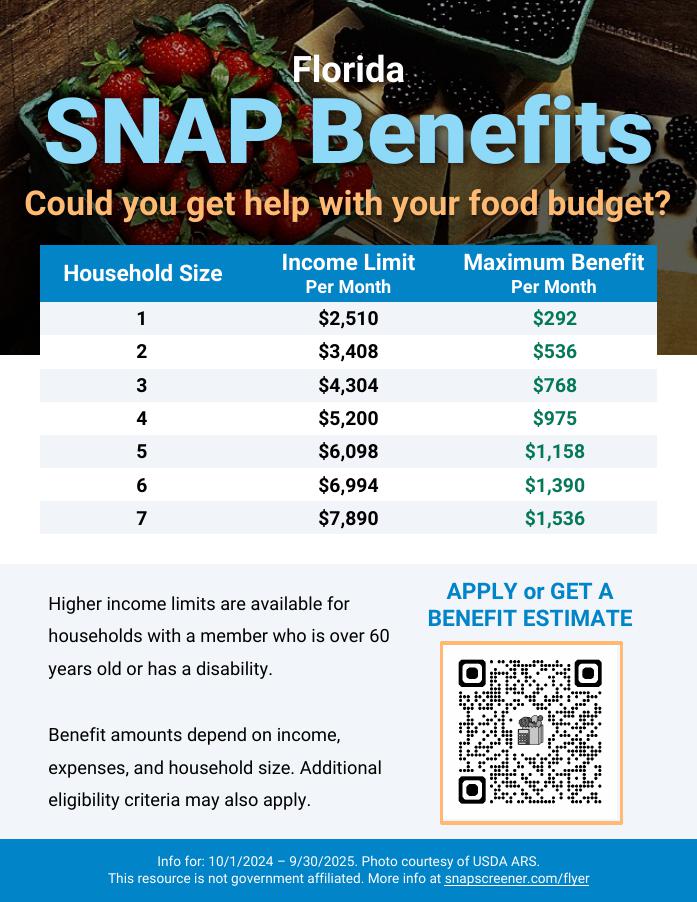
The EBT program is designed to assist low-income individuals and families. Therefore, a primary determinant of eligibility is a household’s gross and net monthly income. These limits are subject to change annually and are typically set at a percentage of the Federal Poverty Level. Households with a disabled member or an individual aged 60 or older may have different income considerations.
Beyond income, the program also considers household assets. Assets are resources that a household owns, such as cash, bank accounts, and certain vehicles. There are specific limits on the value of these countable assets. For instance, a household without an elderly or disabled member generally has a lower asset limit than one that includes such individuals. Certain assets, like a primary residence and its land, are typically not counted. Understanding these limits beforehand can help applicants determine their potential eligibility.
Household Composition and Work Requirements
Household composition is another significant factor. EBT benefits are calculated based on the number of people in the household and their relationships. The program defines a household as a group of people who live together and purchase and prepare meals together.
In many cases, able-bodied adults between the ages of 18 and 49 who do not have dependent children in their household may be subject to work requirements. These requirements often mandate participation in work programs, job training, or actively seeking employment for a specified number of hours per week. Failure to meet these requirements can result in a time limit on receiving benefits. However, exemptions exist for individuals who are pregnant, medically certified as unable to work, or responsible for the care of a child or incapacitated person.
Special Circumstances and Exemptions
Certain circumstances can impact eligibility or provide exemptions from standard rules. For example, households with a member who is pregnant or recently gave birth may receive priority processing or different benefit calculations. Similarly, individuals experiencing homelessness or those fleeing domestic violence may have specific provisions to ensure access to assistance. It is always advisable to clearly state any special circumstances on the application, as these can significantly influence the outcome.
Methods for Applying for EBT in Florida
The Florida DCF offers several convenient methods for residents to apply for EBT benefits. Choosing the most suitable method depends on individual preferences and access to technology.
Online Application
The most efficient and commonly recommended method for applying for EBT in Florida is through the ACCESS Florida online portal. This secure website allows applicants to create an account, complete the application form, upload necessary documents, and track the status of their application. The online system is available 24/7, providing flexibility for individuals to apply at their convenience.
Steps for Online Application:
- Visit the ACCESS Florida Website: Navigate to the official ACCESS Florida portal.
- Create an Account: If you are a new user, you will need to create an account by providing basic information such as your name, email address, and a chosen password.
- Complete the Application: Log in to your account and begin filling out the EBT application. Be prepared to provide detailed information about your household income, assets, expenses, and personal circumstances.
- Upload Supporting Documents: The system will prompt you to upload verification documents. These typically include proof of identity (e.g., driver’s license, state ID), proof of residency (e.g., utility bill, lease agreement), proof of income (e.g., pay stubs, award letters), and any other documents relevant to your situation.
- Submit the Application: Once all sections are completed and documents are uploaded, submit your application electronically.
- Confirmation: You will receive a confirmation that your application has been submitted. Keep a record of your submission details.
In-Person Application
For individuals who prefer face-to-face assistance or lack reliable internet access, applying in person at a local DCF service center is an option. These centers are strategically located throughout Florida to serve communities effectively.
Steps for In-Person Application:
- Locate a Service Center: Use the DCF website or call their helpline to find the nearest service center.
- Obtain an Application Form: You can request a paper application form at the service center or download one from the DCF website beforehand.
- Complete the Form: Fill out the application form accurately and completely. It is advisable to bring any necessary supporting documents with you to the appointment.
- Schedule an Appointment (Recommended): While walk-ins may be accommodated, scheduling an appointment can significantly reduce wait times.
- Attend Your Appointment: Bring your completed application and all supporting documents to your scheduled appointment. A DCF representative will review your application with you and answer any questions.
Phone Application
In some instances, EBT applications can be initiated or completed over the phone. This method can be particularly helpful for individuals with disabilities or those who face significant barriers to online or in-person applications.
Steps for Phone Application:
- Call the ACCESS Florida Helpline: Contact the DCF customer service line dedicated to EBT applications.
- Request an Application: Inform the representative that you wish to apply for EBT and inquire about phone application procedures.
- Provide Information: The representative will guide you through the application process, asking for the necessary details about your household.
- Document Submission: You may be instructed on how to submit supporting documents via mail, fax, or by visiting a service center.
Required Documentation for Your EBT Application

Accurate and complete documentation is paramount to a swift and successful EBT application process in Florida. Gathering these documents in advance can prevent delays. The DCF requires proof for various aspects of your application, ensuring that benefits are distributed to those who meet the eligibility criteria.
Proof of Identity and Residency
- Proof of Identity: This can include a valid driver’s license, state-issued identification card, passport, or birth certificate. For children, a birth certificate or school ID may be sufficient.
- Proof of Residency: This demonstrates that you reside in Florida. Accepted documents include utility bills (e.g., electricity, water, gas) in your name, a lease agreement, a mortgage statement, or a letter from a shelter or social service agency if you are experiencing homelessness.
Proof of Income
Verification of household income is a critical component of the application. The types of documents required depend on the source of income.
- Employment Income: For wage earners, this typically includes recent pay stubs (usually the last 30 days), a letter from your employer detailing your wages and hours, or tax returns if you are self-employed or receive irregular income.
- Other Income: This can encompass Social Security benefits, Supplemental Security Income (SSI), unemployment benefits, pension statements, child support payments, alimony, or any other form of regular income. You will need official award letters or statements from the issuing agency.
- Unearned Income: This includes items like pensions, annuities, or other income not derived from employment.
Proof of Assets
While asset limits can vary, you may need to provide documentation for certain assets.
- Bank Statements: Recent statements for checking and savings accounts.
- Retirement Accounts: Information on IRAs, 401(k)s, or other retirement funds.
- Stocks and Bonds: Documentation of ownership and value.
- Vehicles: Information on vehicles owned, including make, model, and year, as certain vehicle values might be considered. However, typically one vehicle is excluded from asset calculations.
Other Supporting Documents
Depending on your specific situation, additional documents might be necessary:
- Social Security Cards: For all household members.
- Proof of Household Expenses: Certain expenses, like rent or mortgage payments, and utility costs, may be considered in benefit calculations. Rent receipts, mortgage statements, and utility bills can serve as proof.
- Medical Expenses: For households with elderly or disabled members, significant medical expenses may reduce countable income. This can include medical bills, receipts for prescriptions, or insurance statements.
- Disability Documentation: If a household member has a disability, a doctor’s statement or documentation from a relevant agency (e.g., Social Security Administration) might be required.
- Childcare Expenses: Receipts or statements for childcare costs incurred so you can work or attend training.
It is always best to check the most current requirements on the ACCESS Florida website or by contacting the DCF directly, as documentation needs can be nuanced and specific to individual circumstances.
Navigating the EBT Application Process and What to Expect
Once your EBT application is submitted in Florida, a period of review and potential follow-up occurs. Understanding this stage of the process can help manage expectations and ensure a smoother experience.
Application Review and Verification
After submitting your application and all supporting documents, the DCF will begin a thorough review. Eligibility specialists will assess the information provided to determine if your household meets the program’s criteria for income, assets, and household composition. This review may involve cross-referencing information with other government databases to verify details.
Interviews and Additional Information Requests
In some cases, you may be required to participate in an interview. This interview, often conducted by phone or in person at a DCF service center, allows an eligibility specialist to clarify information on your application, ask further questions, or gather missing details. Be prepared to discuss your household’s financial situation, living arrangements, and any specific circumstances that impact your eligibility.
The DCF may also send you a request for additional information or documentation if any part of your application is unclear or incomplete. It is crucial to respond promptly to these requests to avoid delays or denial of your application. Failure to provide requested information by the specified deadline can result in your case being closed.
Notification of Decision
Once the review process is complete, you will receive a written notification from the DCF regarding the decision on your EBT application. This notice will inform you whether your application has been approved or denied.
- Approval: If approved, the notice will detail the amount of benefits you will receive, the start date of your benefits, and how your EBT card will be issued. You will typically receive your EBT card by mail within a specific timeframe.
- Denial: If your application is denied, the notice will clearly state the reasons for the denial and provide information on your right to appeal the decision.
Appeals Process
If you believe the decision on your application was incorrect, you have the right to appeal. The notification of denial will outline the steps involved in filing an appeal, including deadlines and where to submit your appeal request. An administrative hearing may be scheduled where you can present your case to an impartial hearing officer.
Receiving Your EBT Card and Benefits
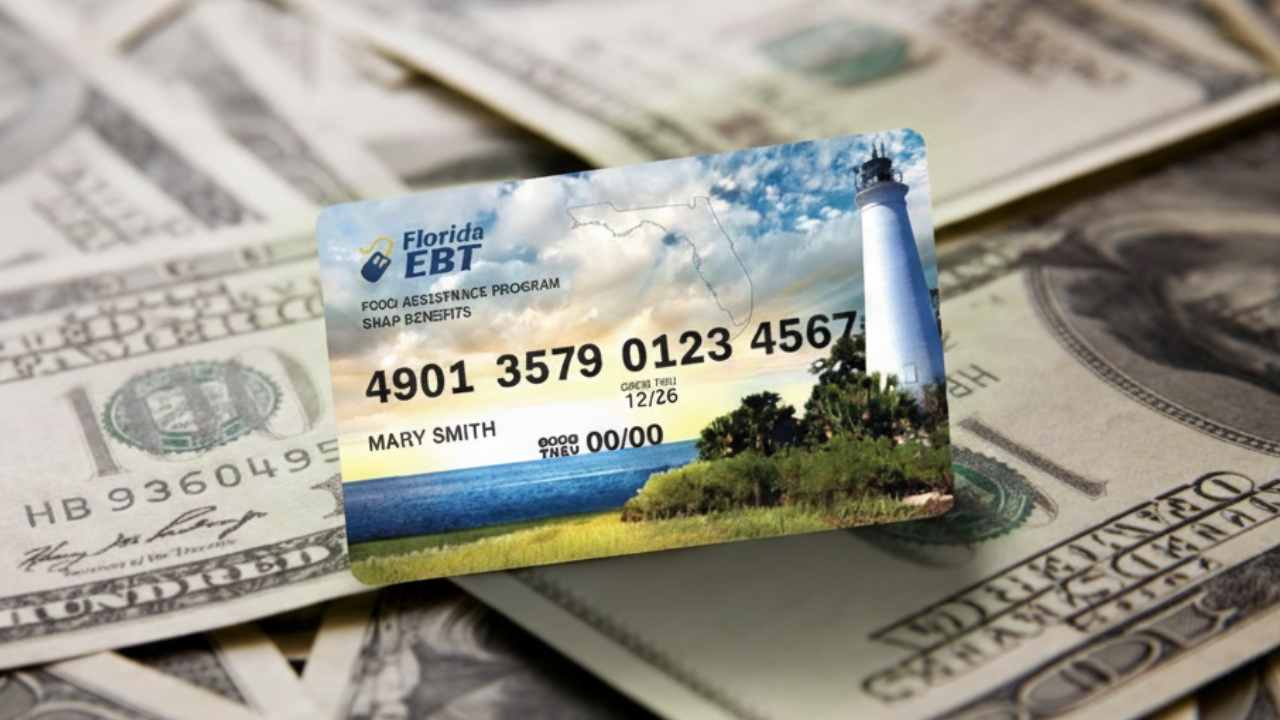
Upon approval, your EBT card will be mailed to your address on file. This card functions like a debit card and is used to purchase eligible food items at authorized retailers. You will also receive information on how to activate your card and set a Personal Identification Number (PIN). Your EBT benefits will be deposited onto the card on a scheduled date, usually in monthly installments. It is important to safeguard your EBT card and PIN, as benefits are subject to replacement policies if lost or stolen.
Applying for EBT in Florida is a structured process designed to assist those in need. By understanding the eligibility criteria, utilizing the available application methods, preparing the necessary documentation, and knowing what to expect after submission, residents can navigate the system effectively and gain access to vital food assistance. The DCF is committed to providing support, and with careful attention to detail, your application can be processed efficiently.
LifeOutOfTheBox is a participant in the Amazon Services LLC Associates Program, an affiliate advertising program designed to provide a means for sites to earn advertising fees by advertising and linking to Amazon.com. Amazon, the Amazon logo, AmazonSupply, and the AmazonSupply logo are trademarks of Amazon.com, Inc. or its affiliates. As an Amazon Associate we earn affiliate commissions from qualifying purchases.