
Applying for Meals on Wheels in Texas is a vital process for many seniors and individuals with disabilities who require nutritional support and regular social contact. While the program is often associated with local community services, navigating the application can sometimes feel complex. This guide aims to demystify the process, outlining eligibility criteria, necessary documentation, and the steps involved in securing this essential service across the vast expanse of the Lone Star State. Understanding these nuances ensures that those in need can access the support they deserve, fostering independence and improving quality of life.

Understanding Eligibility and Services
The core mission of Meals on Wheels is to provide nutritious meals and a daily wellness check to individuals who are unable to prepare meals for themselves. Eligibility in Texas, as with most Meals on Wheels programs nationwide, is generally based on specific criteria designed to serve those most in need.
Key Eligibility Criteria
While specific requirements can vary slightly between local chapters, several common factors determine eligibility:
- Age: Typically, individuals must be 60 years of age or older. However, some programs may extend services to younger individuals with disabilities or chronic health conditions that impair their ability to cook or shop for food.
- Inability to Prepare Meals: This is a primary factor. Applicants must demonstrate a genuine difficulty in preparing their own meals. This can be due to physical limitations, chronic illness, cognitive impairments, or lack of transportation to grocery stores.
- Homebound Status: Recipients are generally expected to be homebound, meaning they are unable to leave their residence without assistance or considerable effort. This includes individuals who are recovering from surgery, have mobility issues, or are otherwise confined to their homes for extended periods.
- Lack of Support System: Individuals living alone or those whose caregivers are unable to consistently provide meal preparation support may be prioritized. The program aims to fill gaps where other support systems are insufficient.
- Nutritional Need: A fundamental aspect is the identified need for regular, nutritious meals. This is often assessed through a home visit or an in-depth interview to understand the applicant’s dietary habits and challenges.
- Residency: Applicants must be residents of Texas and reside within the service area of the specific Meals on Wheels provider.
Services Provided
The primary service is the delivery of nutritious, often freshly prepared or safely chilled, meals. These meals are typically designed to meet the dietary needs of seniors, considering factors like sodium content, portion control, and balanced nutrition.
- Daily Meal Delivery: Most programs deliver one or two meals per day, typically Monday through Friday. Some may offer weekend meals or frozen options for days when regular delivery is not available.
- Nutritional Assessment: A key component of the service often involves a nutritional assessment to ensure meals cater to specific dietary requirements, such as diabetic-friendly or low-sodium options.
- Wellness Checks: Beyond meal delivery, volunteers and staff conduct a brief daily wellness check. This provides a crucial social connection and allows for the identification of any immediate concerns regarding the recipient’s well-being, enabling timely intervention if necessary.
- Community Connection: For many recipients, the daily visit from a volunteer is their primary source of social interaction, combating isolation and loneliness.
The Application Process in Texas
The application process for Meals on Wheels in Texas is typically managed at the local level, meaning the exact steps and required documents can vary slightly from one county or city to another. However, a general framework guides the process.
Step 1: Identify Your Local Provider
The first and most crucial step is to identify the Meals on Wheels provider serving your specific area in Texas. The Meals on Wheels America website is an excellent resource for finding local affiliates. You can usually search by zip code or city. Alternatively, you can contact your local Area Agency on Aging (AAA), which often serves as a hub for senior services and can direct you to the appropriate program. For instance, if you are in Dallas, you would look for the Meals on Wheels of Dallas chapter. Similarly, in Houston, you would search for Meals on Wheels of Houston.
Step 2: Initial Contact and Inquiry
Once you have identified your local provider, the next step is to contact them. This can usually be done via phone or through their website. During this initial contact, you will likely:
- Inquire about Services: Confirm that they serve your specific address and demographic.
- Request an Application: Ask for the necessary application forms.
- Understand Program Specifics: Get information about their delivery schedule, meal types, any potential costs or donation suggestions, and any waiting list policies.
Step 3: Completing the Application Form
The application form is designed to gather essential information to determine eligibility and to understand the recipient’s needs. It typically includes sections for:
- Personal Information: Full name, date of birth, address, phone number, and emergency contact information.
- Medical Information: Details about current health conditions, dietary restrictions, allergies, and any special needs (e.g., requiring pureed meals, diabetic meals). This section may require a doctor’s verification or a statement from a healthcare provider.
- Functional Status: Questions assessing the applicant’s ability to shop for groceries, prepare meals, and their level of mobility. This helps establish the need for the service.
- Living Situation: Information about who the applicant lives with, their caregiver situation, and any existing support networks.
- Income Information (Optional but helpful): While Meals on Wheels is often free or low-cost, some programs may use income information to help secure funding or prioritize services. However, inability to pay is generally not a barrier to receiving meals.
Step 4: Assessment and Home Visit
Following the submission of the application, a representative from the Meals on Wheels program, often a case manager or a volunteer coordinator, will typically schedule a home visit. This visit serves several critical purposes:

- Verify Information: To confirm the details provided on the application.
- Assess Needs: To personally evaluate the applicant’s living situation, ability to manage meals, and overall well-being.
- Explain Services: To provide a detailed explanation of how the program works, including delivery times, meal contents, and safety protocols.
- Build Rapport: To establish a connection with the applicant, making them feel more comfortable and understood.
During the home visit, the assessor will ask questions about the applicant’s daily routine, any challenges they face, and their specific dietary needs. They will also observe the living environment to ensure it is safe and conducive to receiving deliveries.
Step 5: Approval and Service Commencement
Once the assessment is complete and eligibility is confirmed, the applicant will be formally approved for the service. The program representative will inform the applicant of the start date for meal deliveries.
- Notification: You will receive official notification of your acceptance into the program.
- Delivery Schedule: The date and approximate time of the first meal delivery will be confirmed.
- Initial Delivery: The first delivery often includes an orientation from the volunteer delivering the meals, who can answer any immediate questions.
Navigating Specific Situations and Potential Challenges
While the process is designed to be straightforward, several situations can arise that require specific attention.
Waiting Lists
Due to high demand and resource limitations, some Meals on Wheels providers in Texas may have waiting lists.
- Communication is Key: If a waiting list is in effect, inquire about its typical length and whether there are any circumstances that might allow for expedited service.
- Alternative Resources: While waiting, explore other potential resources. Your local Area Agency on Aging can often provide information about other meal services, food banks, or senior support programs that might be available.
- Stay in Touch: Maintain contact with the Meals on Wheels provider to stay updated on your position on the waiting list.
Cost and Donations
Meals on Wheels is typically funded through a combination of government grants, private donations, and fundraising efforts.
- No Cost or Donation Basis: Many programs offer meals at no direct cost to the recipient. However, they often operate on a donation basis. Recipients who are able are encouraged to contribute what they can afford, which helps sustain the program for others.
- Sliding Scale Fees: Some providers might operate on a sliding scale fee structure, where the cost of meals is determined by income. This is less common but can occur in certain regions.
- Understanding the Donation Request: Be prepared to discuss donation preferences if asked. These contributions are vital for the continued operation of the program, ensuring that it can serve all eligible individuals regardless of their financial situation.
Special Dietary Needs and Preferences
Ensuring that meals meet specific dietary requirements is a critical aspect of Meals on Wheels.
- Clear Communication: Be very clear and specific about any dietary restrictions, allergies (e.g., nuts, dairy, gluten), or medical dietary needs (e.g., low-sodium, diabetic-friendly, renal diet) during the application and assessment process.
- Consultation: If you have complex medical dietary needs, it may be beneficial to have your doctor provide a written statement or recommendation for your dietary requirements.
- Taste and Texture: While Meals on Wheels strives for variety and palatability, individual taste preferences can vary. The program aims to provide balanced nutrition, and while some customization might be possible, the primary focus is on meeting essential nutritional needs. If a specific meal is consistently unpalatable, communicate this to the program coordinator.
For Caregivers and Family Members
Family members and caregivers often play a crucial role in assisting individuals with the application process.
- Advocacy: You can help gather necessary documentation, fill out forms, and accompany the applicant to the assessment visit.
- Communication Channel: You can serve as a primary contact for the Meals on Wheels provider, ensuring that important information is received and understood.
- Support System: Reassure the applicant and help them understand that this service is designed to support their independence and well-being.
The Broader Impact of Meals on Wheels
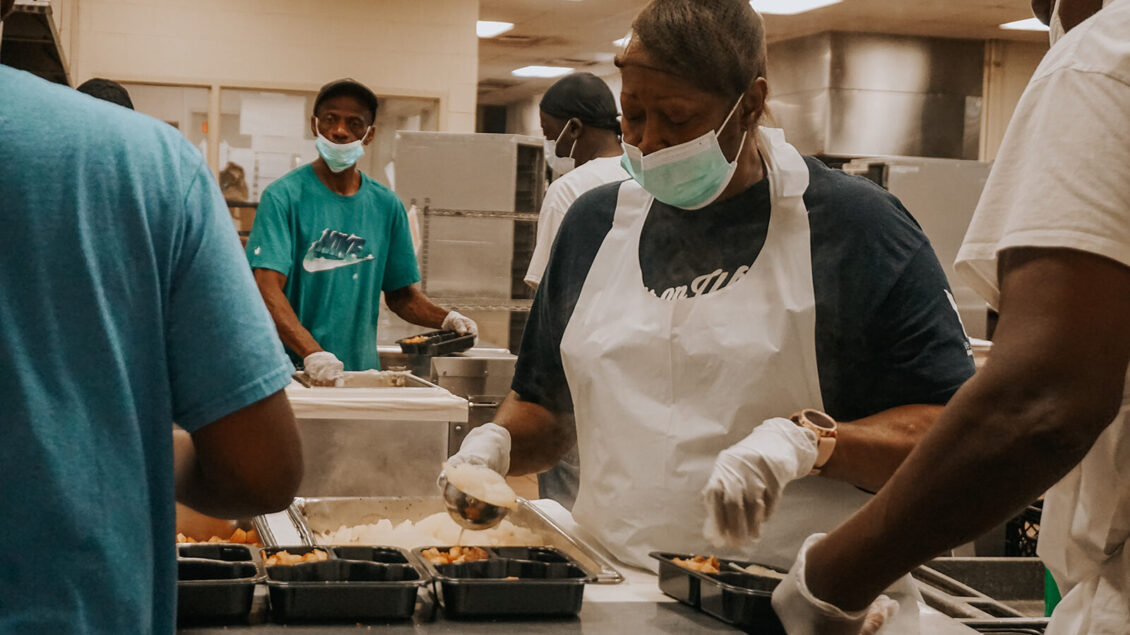
Beyond the immediate provision of food, Meals on Wheels programs in Texas contribute significantly to the overall health and social fabric of communities.
- Preventing Hospitalizations: By ensuring regular nutrition and providing daily wellness checks, Meals on Wheels can help prevent health crises that might otherwise lead to costly hospitalizations and a decline in independence.
- Supporting Independence: The service allows seniors and individuals with disabilities to continue living in their own homes for as long as possible, preserving their dignity and autonomy.
- Combating Social Isolation: The daily visit from a volunteer is a lifeline for many who might otherwise have minimal social contact, fostering a sense of belonging and reducing the detrimental effects of loneliness.
- Community Engagement: Meals on Wheels provides meaningful volunteer opportunities, connecting community members with those who need support and building stronger, more compassionate neighborhoods.
Applying for Meals on Wheels in Texas is a testament to the state’s commitment to supporting its most vulnerable populations. By understanding the eligibility requirements, navigating the application steps, and being aware of the comprehensive support offered, individuals can successfully access this invaluable service. The program is more than just meals; it is a critical component of a supportive network that enables seniors and those with disabilities to live healthier, more independent, and more connected lives.
LifeOutOfTheBox is a participant in the Amazon Services LLC Associates Program, an affiliate advertising program designed to provide a means for sites to earn advertising fees by advertising and linking to Amazon.com. Amazon, the Amazon logo, AmazonSupply, and the AmazonSupply logo are trademarks of Amazon.com, Inc. or its affiliates. As an Amazon Associate we earn affiliate commissions from qualifying purchases.